Navigating Uncertainty: Iran-Oman Talks and US-Iran Negotiation Prospects Amid Strait of Hormuz Tensions
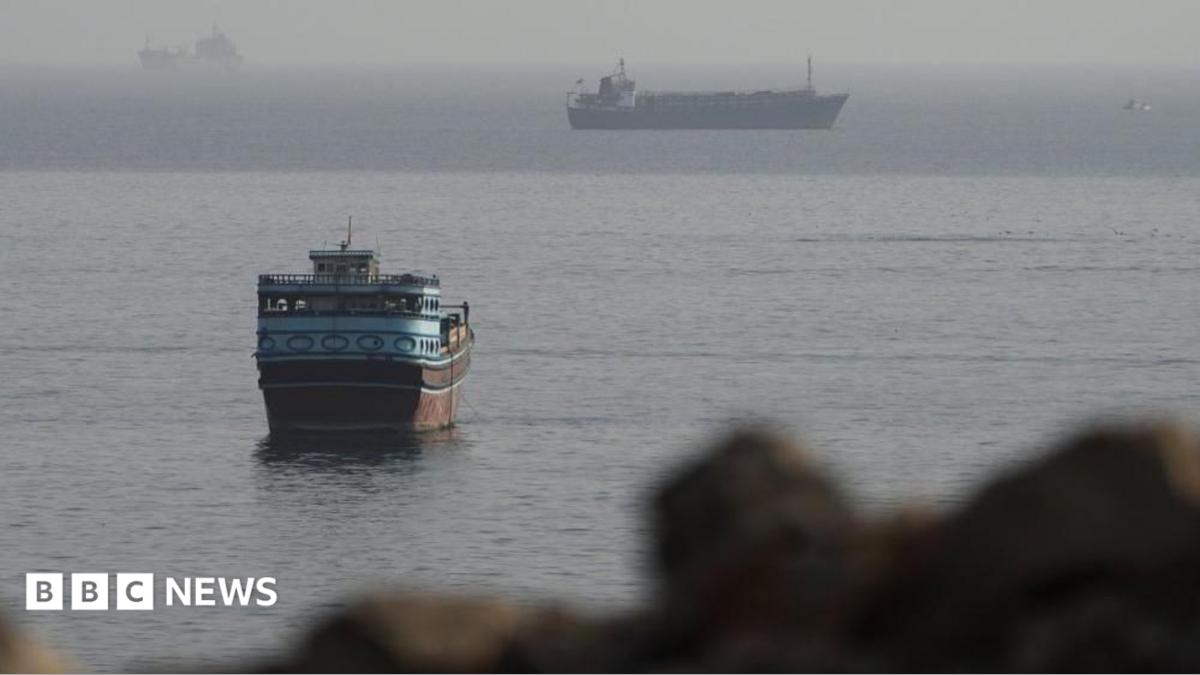
The geopolitical tension surrounding Iran and the strategic Strait of Hormuz has intensified following conflicting statements about peace negotiations. US President Donald Trump announced the resumption of talks aimed at ending the war in Iran and called off planned military strikes, citing progress toward a deal. However, Iran has clarified that it is only engaging in talks with Oman, not the US, highlighting a nuanced and delicate diplomatic environment. This article analyzes the current state of negotiations, the strategic importance of the Strait of Hormuz, and the broader implications for global energy markets and regional security.
The Current Negotiation Landscape: Iran, Oman, and the US
Iran recently confirmed it is in negotiations with Oman to establish a temporary arrangement allowing commercial shipping to resume through the Strait of Hormuz. This development follows US President Donald Trump’s announcement that new talks aimed at ending the conflict with Iran would commence imminently. Trump also revealed that he had called off "massive" planned strikes on Iran to facilitate these negotiations.
Despite Trump’s statements, Iran explicitly denied engaging in direct talks with the United States and stated it had no plans to do so. This position highlights a significant diplomatic divergence, as the US president expressed frustration over Iran’s public denial, accusing Tehran’s leadership of duplicity on his Truth Social platform.
Oman’s role as an intermediary is critical in this context. Historically, Oman has maintained a neutral stance and acted as a diplomatic channel between Iran and Western powers. The current talks with Oman appear focused on securing a temporary passage through the Strait of Hormuz, a vital maritime chokepoint, rather than broader peace negotiations.
Trump’s announcement did not specify which parties would participate in the upcoming talks, leaving ambiguity about the negotiation framework. The US insists on controlling the strait and has stated that no Iranian vessels will be allowed passage unless a deal or Iran’s total surrender is achieved.
Strategic Importance of the Strait of Hormuz
The Strait of Hormuz is one of the world’s most critical maritime passages, with approximately 20% of global crude oil and liquefied natural gas (LNG) exports transiting through it. Iran’s repeated closures of the strait since February, following attacks attributed to the US and Israel, have caused significant disruptions to global energy supplies and contributed to volatile oil prices.
The temporary closure or restriction of shipping lanes through the strait has a direct impact on global energy markets. Data from trade intelligence firm Kpler indicates a notable slowdown in commercial vessel crossings, with a 28% decrease in traffic observed between late July and early August compared to the preceding days. This reduction underscores the strait’s vulnerability and the potential for broader economic consequences if tensions escalate.
Trump’s insistence that the US controls the strait and will not permit Iranian ships to transit without a deal underscores the strategic leverage Washington seeks to maintain. The reopening of the strait is a key component of any prospective agreement, as it would stabilize energy markets and reduce the risk of further conflict escalation.
US Military Posture and Regional Dynamics
President Trump’s decision to call off planned strikes on Iran marks a significant shift in US military posture, signaling a preference for negotiation over immediate military action. Speaking aboard Air Force One, Trump indicated that Iran was aware of the planned strikes due to observable preparations and that negotiations would begin shortly after.
Trump also acknowledged the influence of regional allies, including Saudi Arabia’s Crown Prince Mohammed bin Salman, the United Arab Emirates, and Qatar, who urged restraint and encouraged diplomatic engagement. Their intervention suggests a regional consensus favoring de-escalation, reflecting concerns about the broader implications of military conflict in the Middle East.
Despite this, Trump maintained a firm stance, warning that the US was prepared to act at any time and emphasizing that the US was not seeking to kill people but was ready to enforce its demands. This balance between readiness for force and pursuit of diplomacy illustrates the complexity of US strategy in the region.
The US administration’s approach also faces domestic political pressures. Polls indicate widespread dissatisfaction among Americans regarding the handling of the conflict, including within Republican constituencies. This public sentiment adds urgency to the pursuit of a negotiated settlement ahead of upcoming midterm elections.
Economic Implications: Oil Markets and Global Energy Security
Following Trump’s announcement of resumed talks and the cancellation of strikes, global oil prices experienced a notable decline. Brent Crude fell by 4.5% to $83.98 per barrel, while US-traded oil dropped 4.6% to $80.74 per barrel in Asian trading sessions. These price movements reflect market optimism about potential de-escalation and the reopening of the Strait of Hormuz.
Energy prices have been highly sensitive to developments in the Iran conflict since it began in late February. The threat to shipping routes and the potential for supply disruptions have contributed to price volatility, affecting economies worldwide.
Stabilizing the Strait of Hormuz and ensuring uninterrupted flow of oil and LNG are critical for global energy security. Any agreement that facilitates safe passage through the strait would likely ease market fears and contribute to price stabilization, benefiting both producers and consumers.
However, the fragility of the current situation means that markets remain vulnerable to sudden shifts in geopolitical dynamics. Traders and policymakers continue to monitor developments closely, aware that renewed hostilities or further closures of the strait could quickly reverse gains.
Historical Context and Challenges Ahead
The current diplomatic efforts follow a series of failed negotiations and intermittent ceasefires. Last month, talks facilitated by mediators collapsed, ending a ceasefire that had been in place since April. This pattern of breakdowns underscores the deep mistrust and complex interests involved.
In April, Trump issued a stark warning that refusal by Iran to engage in peace talks could lead to catastrophic consequences, leading to historic face-to-face talks in Pakistan led by Vice-President JD Vance. Despite this breakthrough, those negotiations did not yield a lasting agreement.
The ongoing conflict and its economic impact have been broadly unpopular among the American public, creating political challenges for the Trump administration. Conservative strategists have expressed concern about the war’s influence on voter sentiment ahead of the November midterm elections.
Looking forward, the success of the current negotiation efforts hinges on bridging significant gaps between the parties, ensuring credible enforcement mechanisms, and addressing regional security concerns. The involvement of Oman as a mediator may provide a pragmatic channel for dialogue, but the absence of direct US-Iran talks complicates prospects for a comprehensive resolution.
What this means
The evolving situation involving Iran, Oman, and the United States highlights the intricate balance between diplomacy, military readiness, and regional dynamics in one of the world’s most sensitive geopolitical arenas. While US President Donald Trump’s announcement of resumed talks offers a glimmer of hope for de-escalation, Iran’s refusal to engage directly with the US underscores the persistent challenges ahead. The strategic importance of the Strait of Hormuz and its impact on global energy markets ensure that any progress—or setbacks—in negotiations will have far-reaching consequences. As regional actors advocate for peace and markets respond cautiously, the international community must remain vigilant and supportive of efforts to achieve a sustainable resolution to this protracted conflict.
Source: Iran says it is in talks with Oman but not the US after Trump says negotiations to resume via www.bbc.co.uk.
This article was curated with AI assistance.
Discover more from FINIMA
Subscribe to get the latest posts sent to your email.
0 Comments