US-Iran Conflict Escalates with Renewed Strikes and Strategic Blockades in the Strait of Hormuz
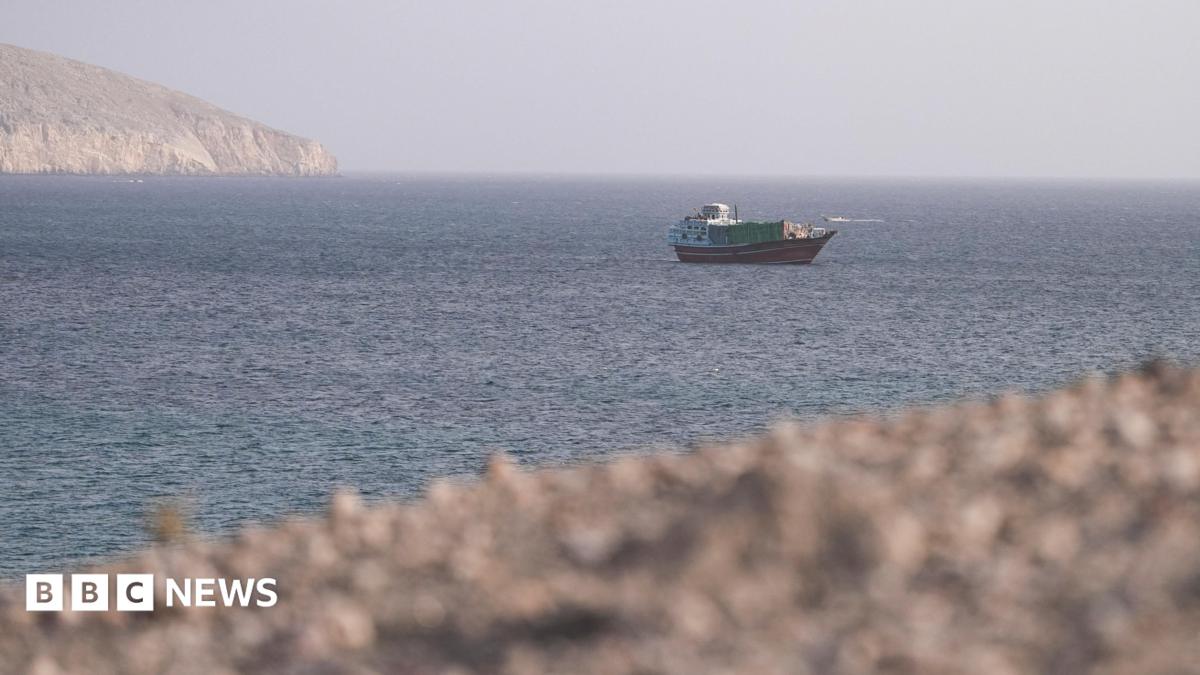
The longstanding tensions between the United States and Iran have escalated sharply in mid-July 2026, with the US launching a fresh series of strikes targeting Iranian military sites and enforcing a blockade in the Strait of Hormuz. This critical maritime corridor, through which a significant portion of the world’s oil supply passes, has become the focal point of a broader conflict involving military, economic, and diplomatic dimensions. As both nations engage in retaliatory actions, the international community watches closely, concerned about the potential for wider regional instability and the impact on global energy markets.
Overview of the Latest US Military Actions
For the sixth consecutive night, the United States Central Command (Centcom) has conducted coordinated strikes against Iranian targets. These operations involved a combination of jets, drones, and naval vessels, focusing on degrading Iran’s military infrastructure. According to Centcom, the strikes targeted coastal surveillance and air defense sites, military logistics hubs, and maritime capabilities critical to Iran’s operational readiness.
In addition to aerial and naval strikes, US marines boarded an oil tanker in the Gulf of Oman, reinforcing the ongoing blockade of Iranian ports that resumed on Tuesday night. This blockade aims to restrict Iran’s maritime activities and limit its ability to project power in the region. Centcom reported redirecting three commercial vessels attempting to breach the blockade, continuing a pattern established in earlier operations between April and June, where over 140 ships were redirected and nine disabled.
Iran’s Response and Impact on Civilian Infrastructure
Iran’s state media confirmed that US missile strikes hit areas near the island of Qeshm, Bandar Abbas, and Bushehr, the latter being the site of a nuclear power plant. Notably, reports indicated damage to two bridges in Hormozgan province, with independent verification confirming at least one bridge west of Bandar Abbas was struck. These attacks mark a significant escalation, as bridges and power plants are considered civilian infrastructure under international humanitarian law.
Iran’s top negotiator, Mohammad Bagher Ghalibaf, emphasized that Iran’s national security hinged on maintaining control over the Strait of Hormuz and that Tehran had no incentive to adhere to agreements that did not serve its interests. This stance underscores Iran’s determination to resist US pressure and maintain strategic leverage in the region.
Legal and Ethical Considerations in Targeting Civilian Infrastructure
The US strikes on bridges and power plants have drawn international scrutiny, raising questions about compliance with the 1949 Geneva Conventions, which prohibit attacks on civilian infrastructure essential to the population. In April, President Donald Trump threatened to target such infrastructure if Iran failed to return to negotiations, a stance condemned by the UN human rights chief Volker Türk, who labeled deliberate attacks on civilian sites as war crimes.
While the US military has framed its operations as targeting military capabilities, the collateral damage to civilian infrastructure complicates the legal and ethical landscape. The distinction between military and civilian targets is critical under international law, and the ongoing strikes risk exacerbating humanitarian concerns and inflaming regional tensions.
Strategic Importance of the Strait of Hormuz
The Strait of Hormuz is one of the world’s most strategically significant maritime chokepoints, with approximately 20% of global oil trade passing through its narrow waters. Control over the strait grants significant leverage over international energy supplies and regional security dynamics.
In response to US and Israeli military actions, Iran has effectively closed the strait, disrupting global shipping and heightening fears of a broader conflict. The US blockade aims to counter Iran’s control, but this has led to a standoff with significant economic and geopolitical implications. The closure of the strait threatens to increase oil prices globally and destabilize energy markets already sensitive to geopolitical shocks.
Diplomatic Efforts Amid Escalating Hostilities
Despite the intensifying military exchanges, the White House has reiterated President Trump’s willingness to engage in diplomacy. Press Secretary Karoline Leavitt stated that while the US holds Iran accountable for hostile actions, it remains open to negotiations. She noted that Iran has expressed interest in reaching a deal, though progress remains elusive amid ongoing confrontations.
The release of US detainee Dena Karari by Iran was highlighted by President Trump as a goodwill gesture, signaling potential openings for dialogue. However, Iranian judiciary officials contradicted reports of prisoner releases, reflecting the complex and often contradictory nature of communication between the two countries.
Iran’s insistence on maintaining ‘Iranian arrangements’ in the strait and its rejection of agreements perceived as unfavorable suggest that any diplomatic resolution will require significant concessions and trust-building measures from both sides.
Potential Regional and Global Implications
The ongoing conflict between the US and Iran has far-reaching consequences beyond the immediate military engagements. The blockade and closure of the Strait of Hormuz threaten to disrupt global energy supplies, potentially leading to increased oil prices and economic uncertainty worldwide.
Regionally, the escalation risks drawing in neighboring countries and allies, particularly those hosting US military bases targeted by Iranian strikes. This could broaden the conflict and destabilize the Middle East further, with implications for international security and trade.
The situation also highlights the challenges of balancing military pressure with diplomatic engagement in resolving complex geopolitical disputes. The risk of miscalculation or unintended escalation remains high, necessitating careful management by all parties involved.
What this means
The renewed wave of US strikes against Iran and the resulting escalation in the Strait of Hormuz underscore the fragile and volatile nature of the current US-Iran relationship. While military actions aim to degrade Iran’s capabilities and enforce strategic control, they also risk significant collateral damage and legal challenges due to attacks on civilian infrastructure. The closure of the Strait of Hormuz amplifies global economic risks, given its pivotal role in energy transportation. Amid this turmoil, diplomatic channels remain open but fraught with mistrust and competing national interests. Moving forward, a balanced approach that combines firm security measures with genuine diplomatic engagement will be essential to prevent further escalation and to seek a sustainable resolution to this complex conflict.
Source: US launches fresh wave of strikes as Iran says civilian infrastructure hit via www.bbc.co.uk.
This article was curated with AI assistance.
Discover more from FINIMA
Subscribe to get the latest posts sent to your email.
0 Comments