Finima in Bonny Local Government Area: The Economic Hub of Grand Bonny and Nigeria
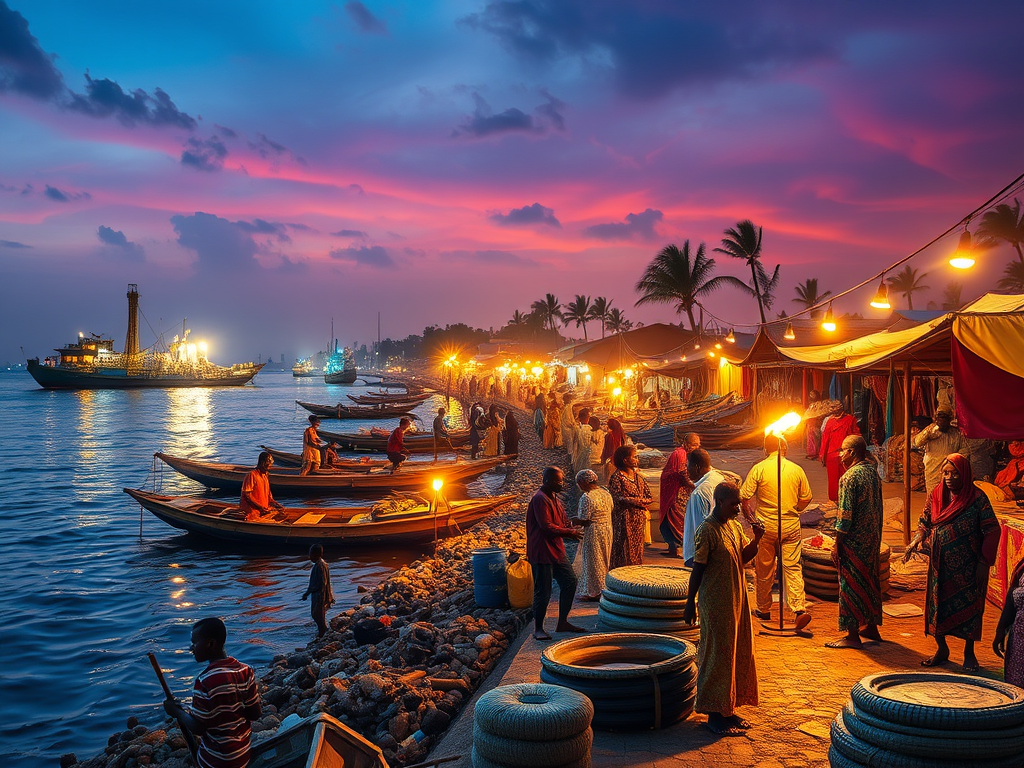
Nestled along the scenic coastlines of Rivers State, Finima stands as more than just a locality on the map of Bonny Local Government Area. It is the beating economic heart of Grand Bonny, where centuries of cultural tradition meet the pulse of modern industry. Home to the revered Buoye Omuso Brown Major House and guided by the wisdom of the Amadabo of Finima, this community embodies a unique synthesis of heritage and progress. From the rhythmic beats of traditional festivals to the steady hum of oil and gas operations, Finima tells a story of resilience, identity, and aspiration that resonates with residents at home and across the diaspora.
A Tapestry of Tradition: Finima’s Cultural Foundation
Finima’s cultural identity is deeply woven into the fabric of its history, with the Buoye Omuso Brown Major House serving as the paramount ruling house and guardian of ancestral legacy. This institution has long been instrumental in preserving the customs, values, and communal bonds that define the people of Finima. Through its stewardship, traditional rites marking birth, adulthood, marriage, and remembrance continue to be observed with reverence, linking each generation to the wisdom of those who came before.
Festivals form a vibrant expression of this living heritage. Colourful celebrations featuring indigenous dance, drumming, masquerades, and oral storytelling draw crowds not only from within Finima but from neighbouring communities and beyond. These events are more than spectacle; they are acts of cultural affirmation, reinforcing shared identity and passing down knowledge through performance and participation. Local artisans also play a vital role, crafting intricate textiles, carvings, and beadwork that reflect Finima’s unique artistic voice and historical narrative.
As one elder from the community noted during a recent yam festival, 'Our traditions are not relics to be locked away—they are the roots that nourish our present and guide our future.' This sentiment underscores a collective understanding that cultural preservation is not about resisting change, but about ensuring development grows from a strong, authentic foundation.
Powering Progress: Finima’s Role in the Regional Economy
Beyond its cultural significance, Finima functions as the economic engine of Grand Bonny and a notable contributor to Rivers State’s economy. Its strategic coastal position has attracted major investments in oil and gas, with several multinational and indigenous companies operating offshore facilities and onshore support services in the area. These operations contribute significantly to national revenue and provide employment, both direct and indirect, for many residents.
The local economy, however, extends far beyond extractive industries. Finima’s fisheries thrive thanks to the nutrient-rich waters of the Atlantic inlet, supplying fresh seafood to markets across Nigeria and supporting export-oriented small enterprises. Agriculture remains a cornerstone for many households, with cassava, plantain, vegetables, and fruit cultivated in backyard gardens and small farms, enhancing food security and sustaining rural livelihoods.
Tourism, though still emerging, holds promise. Visitors are drawn to Finima’s pristine beaches, historical sites such as the Amadabo’s palace, and cultural festivals that offer authentic experiences of Ijaw heritage. Eco-tourism initiatives, particularly those focused on mangrove conservation and marine biodiversity, are beginning to gain traction as part of broader efforts to diversify the local economy and create sustainable livelihoods for youth and women.
Leadership with Purpose: The Amadabo and Communal Governance
At the heart of Finima’s approach to development is its leadership structure, which blends traditional authority with modern governance principles. The Amadabo of Finima, as the paramount traditional ruler, plays a unifying role—offering guidance, mediating disputes, and championing initiatives that align with both cultural values and community aspirations. This leadership is not exercised in isolation but through collaboration with chiefs, elders, youth representatives, and women’s groups, ensuring decisions reflect broad consensus.
Finima’s leaders have increasingly embraced a vision of sustainable development, seeking to balance economic growth with environmental stewardship and social inclusion. Key initiatives include scholarship schemes and vocational training programmes aimed at equipping young people with skills for employment in sectors ranging from maritime logistics to renewable energy. Infrastructure projects, such as road rehabilitation and drainage improvements, have been prioritised to enhance connectivity and support local commerce.
Cultural preservation also features prominently on the leadership agenda. Efforts to document oral histories, revive traditional craftsmanship, and establish community museums are underway, driven by the belief that heritage can be both a source of pride and a catalyst for economic opportunity—particularly through cultural tourism and creative industries.
Challenges on the Path Forward
Despite its strengths, Finima faces persistent challenges that demand urgent attention. Environmental concerns top the list, particularly regarding the impact of oil and gas activities on coastal ecosystems, fisheries, and air quality. Incidents of oil spills, gas flaring, and waste discharge have raised alarms among residents and environmental advocates, underscoring the need for stricter monitoring, enforcement, and corporate accountability.
Infrastructure deficits also hinder progress. While improvements have been made, many roads remain in poor condition, limiting access to markets and services. Reliable electricity and clean water supply remain inconsistent in some areas, affecting both households and small businesses. These gaps not only reduce quality of life but also discourage investment and limit the full realisation of Finima’s economic potential.
There is also a growing concern about cultural erosion, especially among younger generations exposed to global media and urban lifestyles. Without deliberate intervention, traditional languages, customs, and knowledge systems risk gradual decline. Community leaders acknowledge this threat and are responding through school-based cultural education, intergenerational dialogue programmes, and the promotion of Finima’s history in local publications and digital platforms.
What this means
Finima stands as a testament to what is possible when a community honours its past while actively shaping its future. The symbiotic relationship between the Buoye Omuso Brown Major House, the wisdom of the Amadabo, and the industrious spirit of its people has created a locality that is not only economically vital but culturally vibrant. Though challenges persist—particularly in environmental protection, infrastructure delivery, and the safeguarding of traditions—the trajectory of Finima remains one of hope and determination.
Prepared with AI assistance.
Discover more from FINIMA
Subscribe to get the latest posts sent to your email.
0 Comments