ADC Launches 2027 Bid with Atiku–Amaechi Ticket, Pledges to Ease Hardship for Nigerians
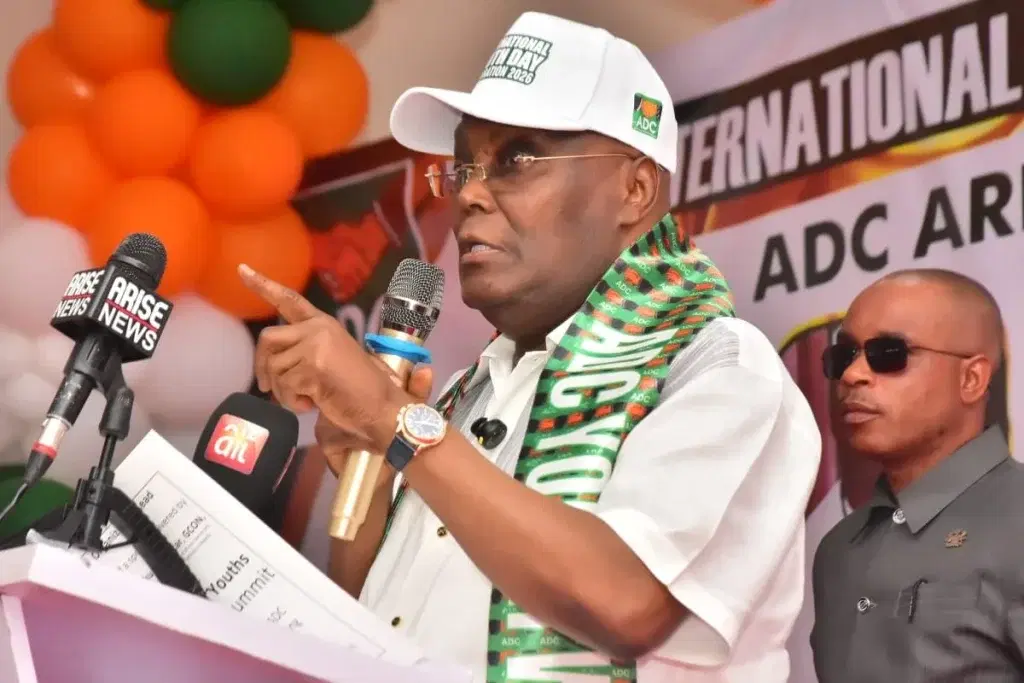
In a move that signals the start of serious mobilisation ahead of the 2027 general elections, the African Democratic Congress on Friday inaugurated its Presidential Campaign Council in Abuja. National Chairman Senator David Mark, Campaign Council Chairman Kashim Ibrahim-Imam, and Director-General Senator Austin Akobundu led the launch. Their message was clear: President Bola Tinubu’s administration has deepened economic hardship, and the ADC’s Atiku Abubakar–Rotimi Amaechi ticket offers a credible alternative focused on affordable living and better governance. For communities in Finima and across Bonny Island, where fuel, food and service prices shape daily life, the promises made in Abuja carry particular weight.
A Campaign Built on the Cost of Living
Senator Austin Akobundu framed the contest around the daily struggles of families, workers, farmers and business owners. He quoted Atiku: ‘Tinubu made life expensive. I will make life affordable again.’ Behind the slogan, Akobundu outlined a targeted, budgeted production subsidy for fuel refined in Nigeria to ease production costs across the economy. For Bonny Island, home to major oil and gas infrastructure, the promise of functional local refineries speaks to the paradox of hydrocarbon wealth alongside premium petrol prices.
The ADC also pledged reforms in electricity, education, healthcare and agriculture to improve access to essential services and create opportunities for young people and women. The party said it would review the Nigerian Education Loan Fund and pursue student debt forgiveness. In communities where youth unemployment and tertiary education costs are pressing, that commitment will be closely watched.
Debt, Insecurity, and the Record in Numbers
Kashim Ibrahim-Imam delivered the sharpest indictment of the incumbent. He said Nigeria’s public debt rose from N87.38 trillion when Tinubu assumed office to N166.79 trillion by June 30, 2026, and cited reports on killings and mass abductions to argue the government has failed to protect lives and property. ‘The palace feasts while the people fast!’ he declared, accusing the administration of excessive spending while millions struggle with basic needs.
For Rivers State residents, insecurity is not abstract. Akobundu promised improved security on farmlands, which affects food prices in local markets. The ADC also pledged to implement the Supreme Court judgment on local government autonomy. In a state where state-local relations have been contested, financial autonomy could mean more direct development funding for communities like Finima.
Allegations of Intimidation and the El-Rufai Factor
Akobundu accused the administration of subjecting ADC members to intimidation and harassment through state agencies, vowing resistance within the law. ‘The ADC will resist every form of intimidation and harassment!’ he declared. He condemned the continued incarceration of the council’s Deputy Chairman, former Kaduna governor Nasir El-Rufai, calling it an affront to the rule of law.
El-Rufai’s role adds northern political weight to the Atiku–Amaechi pairing. His reported detention could become a rallying point for opposition supporters and a test of the ADC’s claim to defend democratic space. For Niger Delta voters, the party’s willingness to confront federal agencies will be measured against its own record where it has held influence.
Senator Mark’s Charge: Issue-Based, Inclusive, Non-Violent
Senator David Mark urged the campaign council to take its message to every state, local government, ward and community, warning against taking voters for granted. ‘Our task is bigger than winning an election. Our task is to present Nigerians with a credible alternative and give them reason to believe governance is to protect them and make life better,’ he said.
Mark called for an issue-based campaign that engages Nigerians across ethnic and religious lines and avoids violence. He also urged INEC and other electoral institutions to remain impartial and transparent. For a region that has experienced election-related violence and disenfranchisement, the emphasis on peaceful mobilisation is necessary, and the test will be whether the ADC can build ward-level organisation across Bonny Kingdom and the wider Niger Delta.
What This Means for Bonny Island and the Diaspora
The ADC platform touches raw nerves in our community. Local refining subsidies respond to long-standing demands that oil-producing areas benefit from cheaper energy. Farmland security addresses disruption of supply chains that drives up prices for garri, yam and plantain in Finima market. Student loan reform matters to families with children in universities across Nigeria and abroad.
For the diaspora, the pitch is whether Nigeria becomes a place they can return to, invest in, and retire in without fear of economic collapse or insecurity. Implementing local government autonomy could reshape how development projects are funded at community level, potentially giving Bonny Local Government Area more control over resources. Yet campaign promises in Abuja have a history of evaporating after elections. The ADC must convert frustration into votes for a ticket pairing a former Vice-President from the North-East with a former Rivers governor. The regional balance is deliberate, but the party’s national structure remains thin compared with APC and PDP. Whether it can build the ward-level machinery to compete in 2027 will determine if Friday’s launch was a turning point or a footnote.
What this means
Friday’s launch in Abuja marks the firing of a starting gun, not the crossing of a finish line. The ADC has named its ticket, stated its case, and thrown down a gauntlet on the cost of living, debt, and insecurity. For those of us in Finima and across Bonny Kingdom, the promises of cheaper fuel from local refineries, safer farmlands, student debt relief, and real local government autonomy touch the texture of daily life. But we have heard bold promises before. The months ahead will reveal whether the ADC can translate Abuja rhetoric into ward-level organisation, funding and resilience needed to contest a national election against entrenched incumbents. Our community watches, waits, and remembers. The 2027 choice, as Ibrahim-Imam put it, is between continued hardship and a change of direction. Whether that choice is real will be decided not in Abuja’s conference halls but in our polling units, markets, and homes.
Originally reported by vanguardngr.com. Adapted for our readers with AI assistance.
Discover more from FINIMA
Subscribe to get the latest posts sent to your email.
0 Comments