Finima Palace Commissioning
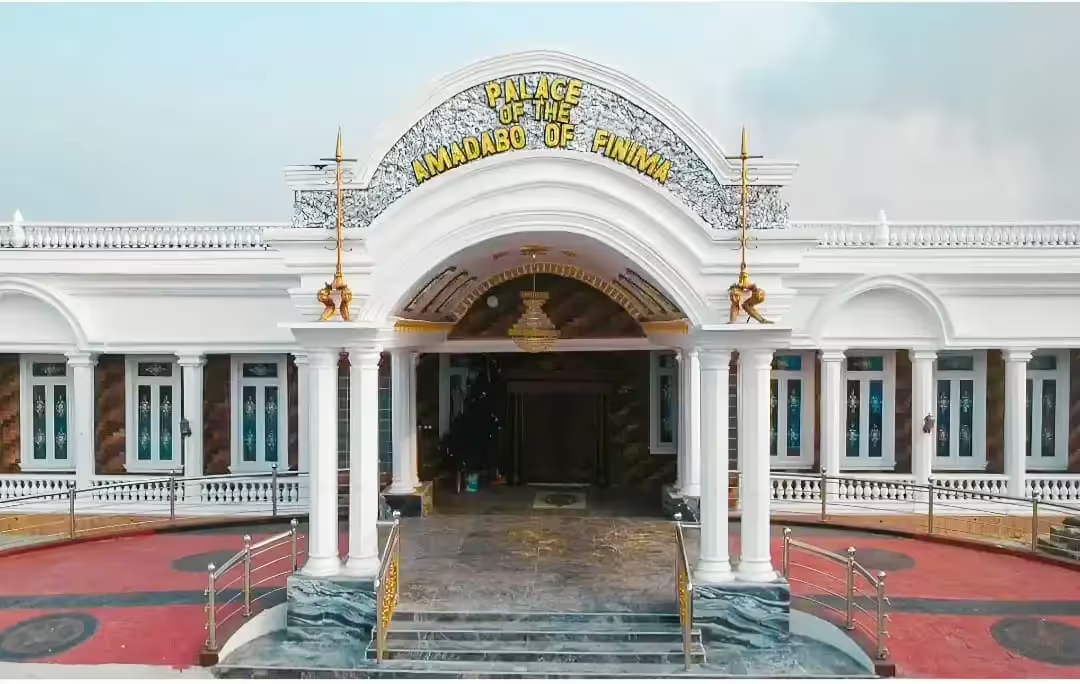
The commissioning of the Finima Palace in the Finima Community of Bonny Local Government Area, Rivers State, stands as a historic event that celebrates the cultural heritage and architectural ingenuity of the Ibani people. Scheduled for January 12, 2023, the palace opening brought together various strata of the community to honor the Amadabo of Finima and showcase a symbol of unity, tradition, and modernity. This article delves into the significance of the Finima Palace, its unique architectural design, the cultural and social impact of its commissioning, and what it means for the community’s future.
Historical Significance of Finima Palace
The Finima Palace serves as a monumental tribute to the rich history and cultural heritage of the Ibani nay Ijaw people, one of Nigeria’s indigenous ethnic groups in the Niger Delta region. The palace symbolizes centuries of tradition, leadership, and community cohesion that have defined Finima’s identity over the years. As the residence of the Amadabo, the traditional ruler, the palace embodies the continuity of customary governance and cultural preservation.
Historically, palaces in the Niger Delta have been centers of governance, social gatherings, and cultural celebrations. The Finima Palace continues this legacy by offering a physical space that honors the past while embracing modernity. It stands as a beacon of pride for the Finima people, reinforcing their unique cultural narratives and historical experiences within the broader context of Rivers State and Nigeria.
The commissioning event itself was a culmination of years of planning and community effort, reflecting the collective dedication to preserving indigenous heritage. It reaffirmed the Finima Community’s commitment to maintaining their traditions and passing them down to future generations through a tangible, enduring landmark.
Architectural Mastery and Design Features
The Finima Palace is widely regarded as an architectural masterpiece that blends traditional aesthetics with modern construction techniques. The design incorporates elements that are symbolic of the Ibani culture, such as intricate carvings, culturally significant motifs, and the use of indigenous materials alongside contemporary building standards. This fusion results in a structure that is both functional and visually captivating.
One of the standout features of the palace is its 250-seater hall, designed to accommodate large gatherings for cultural events, community meetings, and official functions. This spacious hall underscores the community-oriented nature of the palace, providing a venue where dialogue, celebration, and governance can take place seamlessly.
Additional facilities include the executive chamber for the Amadabo, four-bedroom residential quarters, a secretariat, a security control room, and a watchtower. These components highlight the palace’s role not only as a cultural symbol but also as a center for administration and security, ensuring the smooth operation of traditional leadership activities.
Community Involvement and Social Impact
The commissioning of the Finima Palace was a community-wide affair that brought together people from all walks of life. Representatives from various social strata within Finima lined up to partake in the historic event, demonstrating a shared sense of ownership and pride. This inclusiveness reflects the palace’s role in fostering unity and collective identity among the Ibani people.
Beyond its cultural significance, the palace has also positively influenced the social fabric of Finima. By providing a central hub for community engagement, it encourages social cohesion and facilitates the organization of cultural festivals, dispute resolutions, and development initiatives. Such communal activities strengthen bonds and promote a spirit of collaboration.
Moreover, the commissioning event was marked by heightened security and peaceful celebrations, showcasing the community’s stability and readiness to embrace progress while safeguarding traditions. The presence of security agencies ensured an orderly environment, allowing residents to participate fully in the festivities without disruption.
Symbolism and Cultural Identity
The Finima Palace stands as a powerful symbol of cultural identity for the Ibani people. Its grandeur and design elements narrate stories of heritage, resilience, and pride that define the community. The palace is more than a building; it is a living testament to the values and history that have shaped Finima over centuries.
Traditional leaders, such as the Amadabo, play a crucial role in maintaining cultural continuity, and the palace serves as their rightful seat of authority. The commissioning reinforces the legitimacy and respect accorded to indigenous governance systems, which coexist alongside modern political structures in Nigeria.
Additionally, the palace’s prominence helps educate younger generations about their roots and the importance of cultural preservation. It acts as a cultural repository where traditions can be celebrated, taught, and adapted, ensuring that the Ibani identity remains vibrant and relevant in a rapidly changing world.
Economic and Developmental Implications
The construction and commissioning of the Finima Palace have significant economic implications for the community. The project created employment opportunities during its building phase and continues to stimulate local businesses by attracting visitors and dignitaries to the area. Increased foot traffic can boost sectors such as hospitality, crafts, and tourism.
As a cultural landmark, the palace has the potential to become a tourist attraction within Rivers State, drawing visitors interested in exploring the rich heritage of the Niger Delta. This influx can lead to the development of ancillary infrastructure, including roads, accommodation, and markets, thereby enhancing the local economy.
Furthermore, the palace serves as a platform for hosting conferences, cultural festivals, and diplomatic events, positioning Finima as a hub for cultural diplomacy and community development. These activities can attract government and private sector investments aimed at sustainable growth and infrastructural improvement.
Security and Governance Enhancements
The Finima Palace incorporates modern security features, including a dedicated security control room and a watchtower, reflecting a proactive approach to safeguarding traditional leadership and community assets. These facilities enable efficient monitoring and quick response to potential security challenges, ensuring the safety of the Amadabo and palace visitors.
The integration of security infrastructure within the palace grounds also symbolizes the evolving nature of traditional governance, which now incorporates contemporary practices to address current realities. This fusion enhances the effectiveness of leadership and reinforces the palace’s role as a secure center for administration.
Collaboration with security agencies, such as the Nigeria Police Force and other sister agencies, during the commissioning event demonstrated a commitment to maintaining peace and order. This partnership is critical in fostering an environment where cultural activities and governance can thrive without disruption.
Future Prospects and Legacy
Looking ahead, the Finima Palace is poised to become a lasting legacy for the community, serving as a focal point for cultural preservation and community development. Its commissioning marks the beginning of a new chapter where tradition and modernity coexist harmoniously to benefit present and future generations.
The palace is expected to inspire similar projects within the Niger Delta and beyond, encouraging communities to invest in cultural infrastructure that promotes identity and unity. It also provides a blueprint for integrating traditional leadership roles with contemporary governance and development strategies.
By fostering pride and awareness of cultural heritage, the Finima Palace will continue to empower the Ibani people, enhancing their voice in regional and national matters. This enduring symbol of heritage and progress ensures that Finima remains a vibrant and respected community within Nigeria.
Conclusion
The commissioning of the Finima Palace is more than just the opening of a building; it is the celebration of a community’s resilience, heritage, and forward-looking vision. As a cultural landmark, it encapsulates the Ibani people’s pride and their commitment to preserving traditions while embracing modernity. The palace not only enhances governance and social cohesion but also lays a foundation for economic growth and cultural tourism. Its legacy will undoubtedly inspire generations to cherish their roots and build a prosperous future for Finima and the wider Niger Delta region.
Discover more from FINIMA
Subscribe to get the latest posts sent to your email.
0 Comments