Breaking the Chains: Finima Youth Congress Leads the Charge Against Drug Abuse on International Day
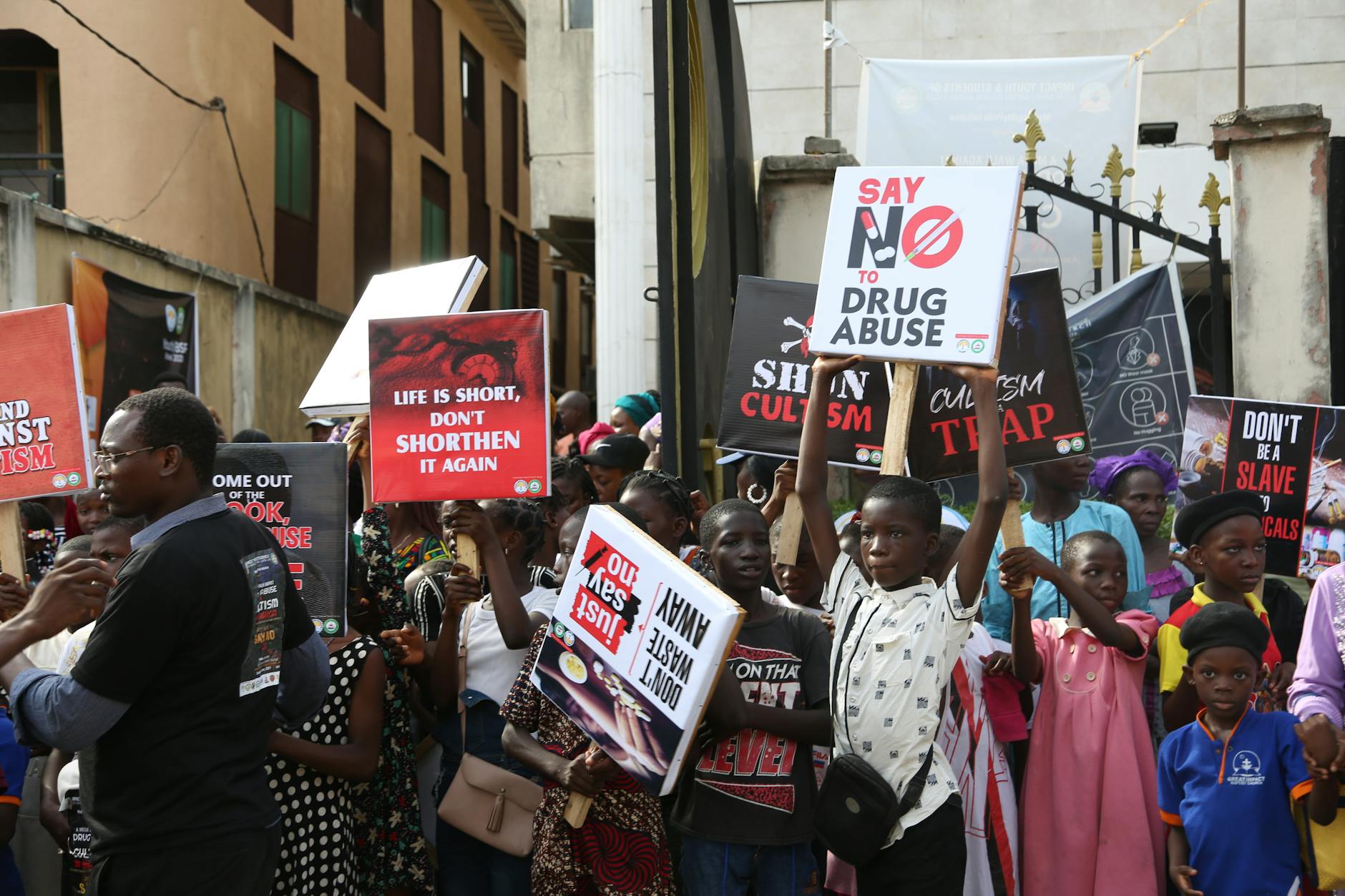
On 26 June 2025, as the world observed the International Day Against Drug Abuse and Illicit Trafficking, the Finima Youth Congress (FYC) renewed its pledge to protect youth and families across Bonny Kingdom. With substance misuse threatening health and community cohesion in riverside areas, the FYC announced a timely plan rooted in awareness, support, and partnership. Their approach reflects a growing movement among Nigerian youth leading ground-up solutions.
A Global Day with Local Significance
Established by the UN in 1987, the International Day Against Drug Abuse and Illicit Trafficking annually calls for global action to reduce demand and supply of illicit substances. The 2025 theme, 'Breaking the Chains: Prevention, Treatment, and Recovery for All,' strongly resonated in Finima. Rather than treating the day as symbolic, the FYC used it as a launchpad for sustained, practical intervention in their neighbourhoods. This highlights how global observances gain real traction through local ownership and context-specific planning.
In Finima, a community tied to the Bonny River and Ibani traditions, drug abuse is not abstract. Local health workers and educators have long noted growing concerns about teenage substance experimentation, especially in areas with limited recreation or economic pressure. The FYC’s intervention responds to families seeking trusted, stigma-free, community-based support focused on healing.
Three Pillars of Action
The FYC’s strategy rests on three interconnected pillars: prevention through education, support for those affected, and broad community engagement. For awareness creation, the congress plans to expand outreach in schools, youth centres, and religious institutions, sharing factual information about drug use risks—from immediate dangers like impaired judgment to long-term consequences such as addiction, mental health strain, and broken livelihoods. Sessions will also promote positive alternatives, including sports, arts, and vocational training, to build resilience against peer pressure.
The second pillar, support for recovery, acknowledges that prevention must be paired with compassion for those already struggling. While full recovery programme details are still being developed, the FYC commits to acting as a bridge between individuals in need and professional services. This may include helping youth access counselling, connecting families with rehabilitation options, or facilitating peer-led support groups where experiences can be shared without judgement. The emphasis is on treating addiction as a health issue requiring care, not condemnation.
Finally, the FYC stresses that no single organisation can solve this problem alone. The third pillar—community engagement—involves reaching out to local authorities, including the Nigeria Police Force and NDLEA, as well as traditional leaders, women’s groups, and faith-based organisations. By fostering dialogue and joint action, the congress hopes to improve intelligence sharing, disrupt local supply chains, and create more opportunities for youth development. Such collaboration is essential to tackling not just symptoms of drug abuse but also root causes like unemployment and lack of constructive leisure activities.
From Promise to Practice
What sets the FYC’s announcement apart is its immediate focus on action. Rather than delaying implementation, the congress declared that its anti-drug efforts would begin on the very day of the international observance. This includes working alongside law enforcement to identify areas of concern and understand local drug availability dynamics. Comrade Abraham Brown, Director of Social Welfare and Youth Development for the FYC, explained that the goal is not to criminalise young people but to address conditions that make them vulnerable. ‘We recognise the devastating impact of drug abuse on individuals, families, and communities,’ he said. ‘We acknowledge the crucial role we play in prevention and support.’
The FYC’s approach reflects a growing belief among Niger Delta youth leaders that sustainable change comes from empowerment, not enforcement alone. By positioning young people as partners in safety and health—rather than as problems to be managed—the congress aims to build trust and encourage broader participation. Their message is one of inclusion: everyone, from parents and teachers to local business owners and diaspora members, has a role in breaking the chains of addiction.
A Broader Vision for Youth in Bonny Kingdom
While the current focus is on drug abuse prevention, the FYC sees this work as part of a larger mission to uplift young people in Finima and beyond. The congress has long been involved in initiatives ranging from educational scholarships and skills training to environmental clean-ups and cultural preservation. By linking anti-drug efforts to these existing programmes, they hope to create a holistic support system addressing multiple aspects of youth wellbeing at once. For instance, a young person engaged in a vocational apprenticeship or community sports team may be less likely to turn to harmful substances out of boredom or despair.
This integrated perspective also opens doors for collaboration with groups working on related issues, such as mental health advocacy, entrepreneurship development, and girls’ empowerment. The FYC’s willingness to partner signals a maturing understanding that complex social challenges require coordinated, long-term responses. As one elder noted in a recent town meeting, ‘When our young people organise with purpose, they don’t just solve problems—they remind us of what we can become together.’
What this means
The Finima Youth Congress has shown that meaningful change often starts with local conviction and a willingness to act. By using a global awareness day as a catalyst for homegrown solutions, they have modelled how youth organisations can lead with both compassion and courage. Their strategy—rooted in education, support, and unity—offers a practical roadmap not just for Finima, but for other riverine communities facing similar struggles. While the road ahead will require persistence and resources, the FYC’s message is clear: when young people are trusted to lead, and when the whole community stands with them, the chains of addiction can be broken. For residents at home and in the diaspora, this is a moment to listen, to support, and to join in building a healthier, safer future for the next generation.
Prepared with AI assistance.
Discover more from FINIMA
Subscribe to get the latest posts sent to your email.
0 Comments