Finima Dumpsite Rehabilitation: A Community-Led Leap Towards a Sustainable Future
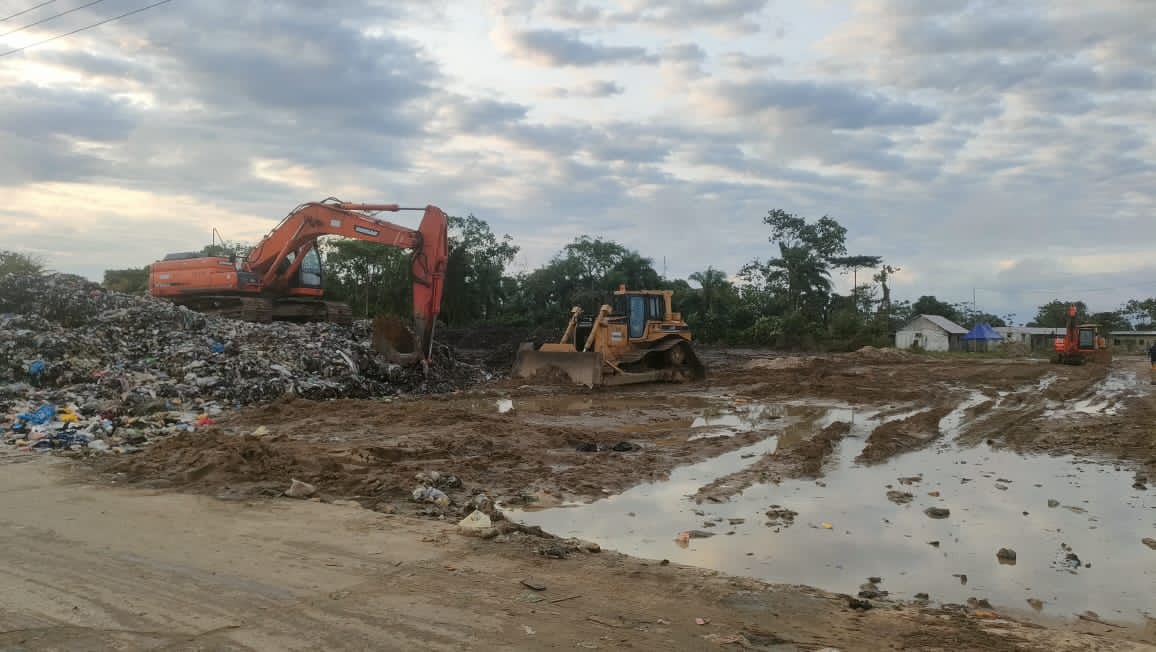
In recent years, environmental degradation has posed significant challenges to communities worldwide, especially those grappling with unmanaged waste disposal. The Finima community in Bonny Local Government Area (LGA) has taken a decisive step to tackle such issues head-on through the rehabilitation of its long-neglected dumpsite. Initiated on 8 September 2025, this project is more than a clean-up exercise; it is a visionary community-led effort to restore ecological balance, promote public health, and foster socio-economic development. This comprehensive article delves into the various dimensions of the Finima Dumpsite Rehabilitation, highlighting its significance, the collaborative forces driving it, and the promising future it envisions for the community.
Background and Significance of the Finima Dumpsite Rehabilitation
The Finima dumpsite, once a designated area for waste disposal, had become a source of environmental concern due to years of neglect and accumulation of refuse. This situation not only compromised the aesthetic value of the community but also posed serious health risks, including water contamination and vector-borne diseases. Recognizing these challenges, the Amadabo-in-Council of Finima prioritized the rehabilitation of the dumpsite as a critical step toward sustainable community development.
Waste management remains a pressing issue in many Nigerian communities, often exacerbated by rapid urbanization and limited infrastructure. In Finima, the dumpsite's rehabilitation represents an urgent response to mitigate these problems by transforming a hazardous liability into a beneficial asset. This initiative aligns with broader environmental policies aimed at promoting cleaner, safer living environments for residents.
The significance of this project extends beyond mere clean-up, as it embodies the community's commitment to environmental stewardship and resilience. By addressing the root causes of pollution and degradation, Finima is setting a precedent for other communities in Bonny LGA and beyond to adopt sustainable waste management practices.
Community Leadership and Collaborative Efforts
Central to the success of the rehabilitation project is the visionary leadership of the Amadabo-in-Council of Finima. Their proactive approach in mobilizing resources, coordinating stakeholders, and fostering community participation has been instrumental in driving the initiative forward. This leadership underscores the importance of local governance in environmental management.
The project benefits significantly from partnerships with construction firms operating within the community, including Evomeck, MPI, and Northridge. These companies provide technical expertise, manpower, and equipment essential for the effective clean-up and land reclamation efforts. Their involvement exemplifies the power of public-private collaboration in achieving sustainable development goals.
Moreover, the role of Community Liaison Officers (CLOs) such as Kobo Alabere, Akio Brown, and Tumini Brown has been pivotal. Their professionalism and dedication have bridged communication between residents, leadership, and contractors, ensuring transparency and fostering trust. The Finima Youth Congress (FYC) has publicly commended their contributions, highlighting how committed individuals can galvanize community action.
Environmental Impact and Health Benefits
Rehabilitating the dumpsite is expected to yield substantial environmental benefits by reducing pollution levels and restoring natural habitats. Removing accumulated waste will prevent leachate seepage into soil and water bodies, thereby protecting local ecosystems. This cleanup also curtails the proliferation of disease vectors such as mosquitoes and rodents, which thrive in unmanaged refuse.
Improved sanitation resulting from the project will have a direct positive effect on public health. Residents will experience lower incidences of respiratory problems, skin infections, and waterborne diseases commonly associated with dumpsite proximity. These health improvements contribute to enhanced quality of life and reduce healthcare burdens on families and local facilities.
The environmental restoration aligns with global Sustainable Development Goals (SDGs), particularly Goal 3 (Good Health and Well-being) and Goal 11 (Sustainable Cities and Communities). By addressing local environmental hazards, Finima is contributing to broader international efforts aimed at creating healthier and more resilient communities.
Transforming Liability into Community Assets
One of the most innovative aspects of the Finima Dumpsite Rehabilitation is the vision to repurpose the reclaimed land into valuable community spaces. Plans include developing recreational areas, green parks, and venues for social gatherings that will enhance community cohesion and provide residents with safe, attractive environments for leisure.
Beyond social benefits, the project also aims to stimulate economic development by creating job opportunities during and after rehabilitation. Local residents are engaged in clean-up activities and subsequent maintenance roles, while new spaces may attract small businesses and investors interested in community-driven enterprises.
This transformation embodies a sustainable development approach that balances environmental restoration with socio-economic advancement. By converting a once-problematic site into a multifunctional asset, Finima is pioneering a model of inclusive growth that can inspire other communities facing similar challenges.
Youth Engagement and Social Mobilization
The involvement of youth organizations, particularly the Finima Youth Congress (FYC), has been crucial in maintaining momentum and fostering a sense of ownership among younger generations. Their advocacy, volunteerism, and public awareness campaigns have helped galvanize widespread community support for the rehabilitation efforts.
Youth participation ensures that the project remains relevant and sustainable by integrating fresh perspectives and energy into environmental initiatives. It also provides educational opportunities, equipping young people with skills in environmental management, leadership, and community organizing that will benefit Finima in the long term.
The FYC’s public commendation of the Community Liaison Officers and construction firms reflects a culture of recognition and collaboration. Such social mobilization strengthens community bonds and reinforces collective responsibility for environmental stewardship.
Challenges and Strategies for Sustained Success
Despite the positive strides, the rehabilitation project faces challenges including funding limitations, logistical complexities, and the need for continuous community engagement. Ensuring adequate resources and technical capacity will be essential to complete the project effectively and maintain the reclaimed site.
Addressing behavioral factors such as waste disposal habits and public awareness is critical. The community must adopt sustainable waste management practices to prevent future degradation. Educational programs and enforcement of environmental regulations will support these behavioral shifts.
Sustained success also depends on ongoing collaboration between local government, private sector partners, and residents. Establishing monitoring frameworks and feedback mechanisms will help track progress, identify issues early, and adapt strategies as necessary to achieve long-term sustainability.
Alignment with Global Sustainable Development Goals
The Finima Dumpsite Rehabilitation project exemplifies practical action toward achieving several United Nations Sustainable Development Goals (SDGs). By improving waste management and environmental health, it directly supports SDG 6 (Clean Water and Sanitation) and SDG 13 (Climate Action).
The creation of community spaces and economic opportunities aligns with SDG 8 (Decent Work and Economic Growth) and SDG 11 (Sustainable Cities and Communities), fostering inclusive development and urban resilience. This holistic approach integrates environmental, social, and economic dimensions of sustainability.
By embedding global development principles into local initiatives, Finima is positioning itself as a model community capable of meeting contemporary challenges while contributing to international sustainability agendas.
Future Prospects and Community Vision
Looking ahead, the Finima community envisions a future where the rehabilitated site serves as a cornerstone for broader environmental and developmental progress. The success of this project is expected to catalyze additional initiatives focused on renewable energy, waste reduction, and climate resilience.
Community leaders and stakeholders remain committed to maintaining the momentum generated by the rehabilitation efforts. Continuous engagement, capacity building, and investment in sustainable infrastructure will be key to realizing this vision.
Ultimately, the Finima Dumpsite Rehabilitation is more than an environmental milestone; it is a beacon of hope and empowerment demonstrating how collective action and responsible leadership can transform challenges into opportunities for a healthier, more prosperous future.
Conclusion
The rehabilitation of the Finima Dumpsite stands as a testament to the power of community-driven environmental action. Through visionary leadership, collaborative partnerships, and active citizen participation, Finima is transforming a once hazardous liability into a vibrant community asset. This project not only addresses immediate health and environmental concerns but also lays the foundation for sustainable socio-economic growth. As Finima moves forward, its example offers valuable lessons in resilience, innovation, and collective responsibility—key ingredients for building sustainable futures in communities worldwide.
Discover more from FINIMA
Subscribe to get the latest posts sent to your email.
0 Comments