#EndBadGovernanceInNigeria: Police reinforce curfew, issue stern warning in Katsina
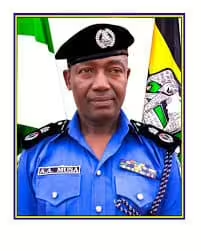
The #EndBadGovernanceInNigeria movement has gained significant momentum across the country, demanding accountability, transparency, and improved governance. In Katsina State, the police have taken a firm stance by reinforcing curfew measures and banning protests, warning that any individuals participating in unauthorized demonstrations will face arrest. This development marks a critical juncture in the ongoing nationwide protests, highlighting tensions between citizens' rights to peaceful assembly and state security concerns. This article explores the details of the police response in Katsina, the background of the protests, and the broader implications for Nigeria's democratic landscape.
Background of the #EndBadGovernanceInNigeria Movement
The #EndBadGovernanceInNigeria campaign emerged as a grassroots movement calling for systemic reforms in governance across Nigeria. Citizens have expressed dissatisfaction with corruption, poor public services, and lack of accountability among political leaders. The movement has mobilized people from diverse backgrounds, united by the shared demand for better governance and improved living conditions.
Social media platforms have played a pivotal role in amplifying the movement, enabling coordinated protests and spreading awareness about governance failures. Peaceful demonstrations have been organized nationwide, highlighting critical issues such as insecurity, economic instability, and inadequate infrastructure.
Despite the peaceful nature of many protests, some states have responded with increased security measures, including bans on demonstrations and curfews. The situation in Katsina State exemplifies the challenges faced by both protesters and authorities in balancing public order with democratic freedoms.
Police Enforcement of Curfew in Katsina State
In response to the ongoing protests, the Katsina State Police Command has reinforced the enforcement of a statewide curfew. The curfew restricts movement during designated hours, aiming to prevent gatherings that could escalate into unrest. The police have increased patrols and established checkpoints to monitor compliance.
ASP Abubakar Sadiq, the Public Relations Officer for the Katsina Police Command, publicly announced the ban on protests, emphasizing that any attempt to defy the curfew or organize demonstrations would be met with strict action. The police have vowed to arrest individuals violating these orders, citing concerns over public safety.
The enforcement measures have sparked debate about the balance between maintaining security and respecting citizens' constitutional rights. While the police argue that the curfew is necessary to prevent violence, critics contend that such restrictions may suppress legitimate expressions of dissent.
Legal and Human Rights Perspectives on Protest Bans
The right to peaceful assembly is enshrined in Nigeria’s constitution, granting citizens the freedom to express their views and advocate for change. However, this right is subject to reasonable restrictions in the interest of public safety and order. The ban on protests in Katsina raises questions about the proportionality and legality of such measures.
Human rights organizations have cautioned against the excessive use of force and blanket bans on demonstrations. They argue that suppressing peaceful protests undermines democratic principles and may exacerbate tensions between the government and the populace.
Legal experts emphasize the importance of dialogue between authorities and protest organizers to ensure that citizens can exercise their rights without compromising security. They advocate for clear guidelines that protect both public order and civil liberties.
Impact of the Curfew on Residents and Businesses
The curfew imposed in Katsina has had significant implications for residents, restricting movement during evening and nighttime hours. Many citizens have expressed concerns about disruptions to daily activities, including access to essential services and economic activities.
Local businesses have reported reduced operating hours and decreased customer footfall, affecting their revenue streams. Traders and market operators have called for clearer communication from authorities regarding the curfew’s duration and enforcement protocols.
Despite these challenges, some residents acknowledge the need for security measures amid fears of potential violence. Community leaders have called for peaceful dialogue to address grievances and restore normalcy.
Government Response and Dialogue Initiatives
In light of the protests and police actions, government officials in Katsina have reiterated their commitment to addressing citizens’ concerns. Efforts have been made to initiate dialogue with community representatives and youth groups to foster understanding and reduce tensions.
Some state authorities have promised to review governance policies and enhance transparency in public administration. These initiatives aim to build trust between the government and the populace, creating a conducive environment for peaceful coexistence.
However, activists argue that substantive reforms are necessary beyond dialogue, calling for concrete actions to tackle corruption, improve security, and enhance service delivery across the state.
National Implications of the Katsina Protest Crackdown
The situation in Katsina reflects a broader trend of heightened security responses to protests across Nigeria. Such measures have implications for the country’s democratic fabric, potentially influencing how other states handle dissent and civic activism.
The enforcement of curfews and protest bans may set precedents affecting civil liberties nationwide, raising concerns among human rights advocates and international observers. Balancing security and freedom remains a critical challenge for Nigerian authorities.
Furthermore, the crackdown may impact the momentum of the #EndBadGovernanceInNigeria movement, either by deterring participation due to fear of arrest or by galvanizing further activism in response to perceived repression.
Role of Media and Social Platforms in Shaping Public Perception
Media coverage and social media platforms have been instrumental in documenting the protests and police responses, shaping public discourse on governance and civil rights. Real-time updates and citizen journalism have provided diverse perspectives on the unfolding events in Katsina.
However, misinformation and sensationalism pose risks to accurate reporting, potentially inflaming tensions or spreading panic. Responsible journalism and fact-checking are essential to ensure balanced narratives and informed public opinion.
Social media also facilitates mobilization and solidarity among protesters, but authorities have occasionally attempted to restrict online activities to curb dissent, raising further debates on digital freedoms.
Future Outlook: Navigating Governance and Security Challenges
The ongoing protests and security measures in Katsina underscore the urgent need for comprehensive governance reforms in Nigeria. Addressing citizens’ demands requires inclusive policies that promote transparency, accountability, and equitable development.
Security agencies must adopt strategies that respect human rights while maintaining public order, fostering trust between law enforcement and communities. Training on crowd management and human rights can enhance police engagement during protests.
Ultimately, sustainable solutions depend on collaborative efforts among government, civil society, and citizens to build a democratic environment where grievances are addressed constructively without resorting to repression.
Conclusion
The enforcement of curfews and protest bans in Katsina State amid the #EndBadGovernanceInNigeria protests highlights the complex interplay between security imperatives and citizens’ rights. While authorities emphasize the necessity of maintaining order, the response has sparked critical debates about democratic freedoms and governance accountability. As Nigeria navigates these challenges, it is imperative for all stakeholders to engage in constructive dialogue, uphold human rights, and pursue meaningful reforms that address the root causes of public discontent. Only through such inclusive approaches can Nigeria hope to achieve lasting peace and good governance.
Discover more from FINIMA
Subscribe to get the latest posts sent to your email.