It is clear Tinubu does not understand our demands – Bauchi #EndBadGovernanceInNigeria protesters
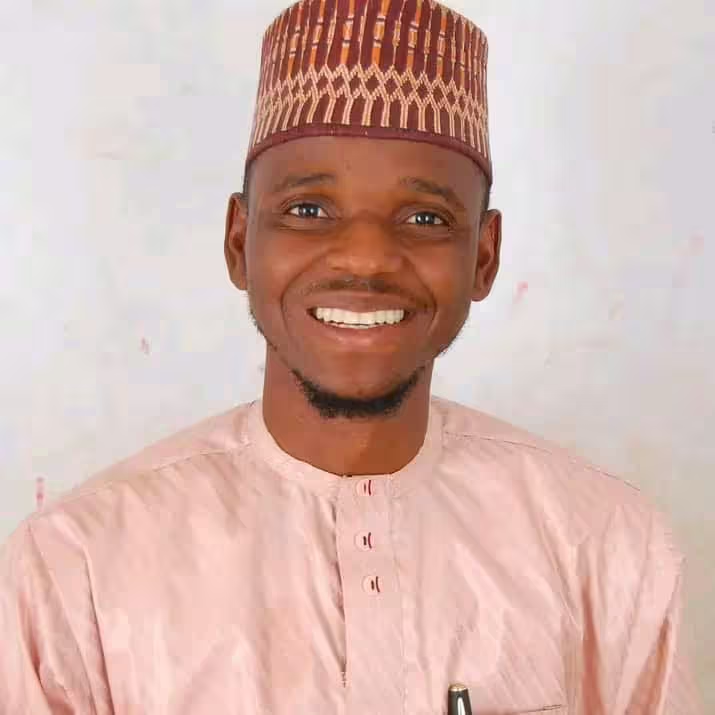
The #EndBadGovernanceInNigeria movement has gained significant momentum across various regions, with citizens demanding transparency, accountability, and effective governance from the Nigerian government. In Bauchi North, the protest team led by Isah Zaki has voiced strong discontent following President Bola Ahmed Tinubu’s recent nationwide broadcast. The message, meant to address national concerns, fell short of acknowledging or addressing the specific demands raised by protesters. This article delves into the reasons behind the protesters’ dissatisfaction, the nature of their demands, and the implications of perceived governmental disconnect on Nigeria’s democratic progress.
Background of the #EndBadGovernanceInNigeria Movement
The #EndBadGovernanceInNigeria movement emerged as a grassroots campaign aimed at confronting systemic issues affecting Nigeria’s governance. Citizens from diverse backgrounds have united to demand reforms that tackle corruption, poor public service delivery, and lack of accountability. The movement gained traction through social media, public demonstrations, and organized protests, reflecting widespread frustration with the status quo.
In Bauchi North, this movement resonates deeply due to persistent challenges such as inadequate infrastructure, security concerns, and economic hardship. Local activists, including Isah Zaki and his team, have been vocal advocates for transparency and good governance, mobilizing community members to participate actively in the protests.
The movement’s core message centers on the urgent need for government officials to prioritize the welfare of citizens, uphold the rule of law, and engage in inclusive governance practices. Their consistent calls for reform highlight the growing impatience with ineffective leadership and unfulfilled promises.
President Tinubu’s Nationwide Broadcast: Expectations vs. Reality
President Bola Ahmed Tinubu’s recent nationwide broadcast was highly anticipated as an opportunity to address pressing national issues and respond to the grievances raised by citizens and protest groups. Many expected the president to outline clear strategies, acknowledge public concerns, and offer tangible solutions to ongoing challenges.
However, according to Isah Zaki, the broadcast failed to meet these expectations. The message was perceived as vague and disconnected from the realities faced by ordinary Nigerians, particularly those involved in the #EndBadGovernanceInNigeria protests. The absence of direct responses to key demands further fueled dissatisfaction.
This disconnect underscores a critical communication gap between the government and its citizens. When leadership fails to engage meaningfully with public concerns, it risks eroding trust and exacerbating social tensions, as witnessed in the reactions from Bauchi protesters.
Key Demands of the Bauchi North Protesters
The protesters in Bauchi North have articulated specific demands that reflect broader national issues but are tailored to their regional context. These include calls for improved infrastructure development, enhanced security measures to combat insurgency and banditry, and transparent management of public resources.
Beyond physical infrastructure, the activists emphasize the need for job creation, particularly for youth, to combat unemployment and poverty. They argue that sustainable development hinges on economic empowerment and inclusive policies that address systemic inequalities.
Another critical demand centers on the fight against corruption. Protesters insist on rigorous anti-corruption measures and accountability for public officials who misuse power or siphon public funds. These demands aim to foster a governance culture that is ethical and responsive to citizens’ needs.
Analyzing the Communication Gap Between Tinubu’s Administration and Protesters
The dissatisfaction expressed by Bauchi protesters reveals a broader issue of communication and engagement between the Nigerian government and its populace. Effective governance requires not only policy formulation but also active dialogue with citizens to understand and address their concerns.
President Tinubu’s broadcast, while symbolic, lacked the specificity and empathy necessary to bridge this gap. The failure to acknowledge the protesters’ articulated demands suggests a disconnect that could undermine the administration’s legitimacy and ability to govern effectively.
Bridging this gap requires institutional mechanisms for inclusive governance, such as regular town hall meetings, transparent policy updates, and participatory decision-making processes. Without these, public trust may continue to erode, leading to increased civil unrest and instability.
Implications of the Protesters’ Discontent for Nigerian Governance
The expressed frustration by the Bauchi North protesters is indicative of a larger national sentiment that could have profound implications for Nigeria’s political landscape. Persistent dissatisfaction may lead to increased protests, political mobilization, and demands for systemic reforms.
If the government continues to overlook or inadequately respond to citizen demands, it risks alienating key segments of the population, potentially destabilizing governance structures and hindering development efforts. This scenario underscores the critical need for responsive and accountable leadership.
Moreover, the protests highlight the importance of addressing regional disparities and ensuring that governance is inclusive and equitable. Failure to do so could exacerbate tensions and undermine national cohesion, affecting Nigeria’s long-term stability and prosperity.
The Role of Good Governance Activists in Shaping Public Discourse
Good governance activists like Isah Zaki play a pivotal role in amplifying citizen voices and holding leaders accountable. Their advocacy efforts contribute to raising public awareness about governance challenges and mobilizing communities toward collective action.
By articulating clear demands and engaging with media, activists help create a feedback loop that can inform policy and governance reforms. Their work ensures that governance issues remain at the forefront of national discourse.
However, their effectiveness depends on the government’s willingness to listen and respond constructively. Collaboration between activists and policymakers can foster a more transparent, accountable, and participatory governance environment.
Potential Pathways for Addressing Protesters’ Concerns
To address the concerns raised by Bauchi protesters and similar groups nationwide, the government must adopt a proactive and inclusive approach. This includes engaging directly with protest leaders, acknowledging grievances, and outlining clear action plans.
Implementing transparent monitoring and evaluation frameworks for government projects can enhance accountability and build public trust. Additionally, investing in community development initiatives tailored to regional needs can demonstrate commitment to addressing localized challenges.
Promoting dialogue platforms where citizens can participate in governance discussions will also help close the communication gap. Such initiatives can transform protests from expressions of frustration into constructive engagements that drive positive change.
Looking Ahead: Building a More Responsive Nigerian Government
The ongoing protests and public dissatisfaction present both challenges and opportunities for Nigeria’s leadership. By recognizing the legitimacy of citizen demands and responding with tangible reforms, the government can strengthen democratic governance and social cohesion.
Building a responsive government requires sustained commitment to transparency, accountability, and inclusivity. It also involves empowering citizens to participate meaningfully in governance processes and ensuring that their voices influence policy decisions.
As Nigeria navigates complex socio-political dynamics, embracing good governance principles will be essential in fostering national development, stability, and prosperity. The dialogue between leaders and citizens must evolve from confrontation to collaboration for the nation’s collective benefit.
Conclusion
The dissatisfaction voiced by the Bauchi North #EndBadGovernanceInNigeria protesters underscores a critical disconnect between Nigeria’s leadership and its citizens. President Bola Ahmed Tinubu’s recent nationwide broadcast failed to engage meaningfully with the specific demands of the protesters, highlighting broader challenges in governance communication and responsiveness. Moving forward, it is imperative for the government to adopt inclusive, transparent, and accountable approaches that acknowledge citizen concerns and translate them into actionable policies. Only through genuine engagement and reform can Nigeria hope to overcome its governance challenges and build a more stable, prosperous future for all its people.
Discover more from FINIMA
Subscribe to get the latest posts sent to your email.