The Hidden Economic Impact of Immigration Raids: Lessons for Bonny Island and Finima Communities
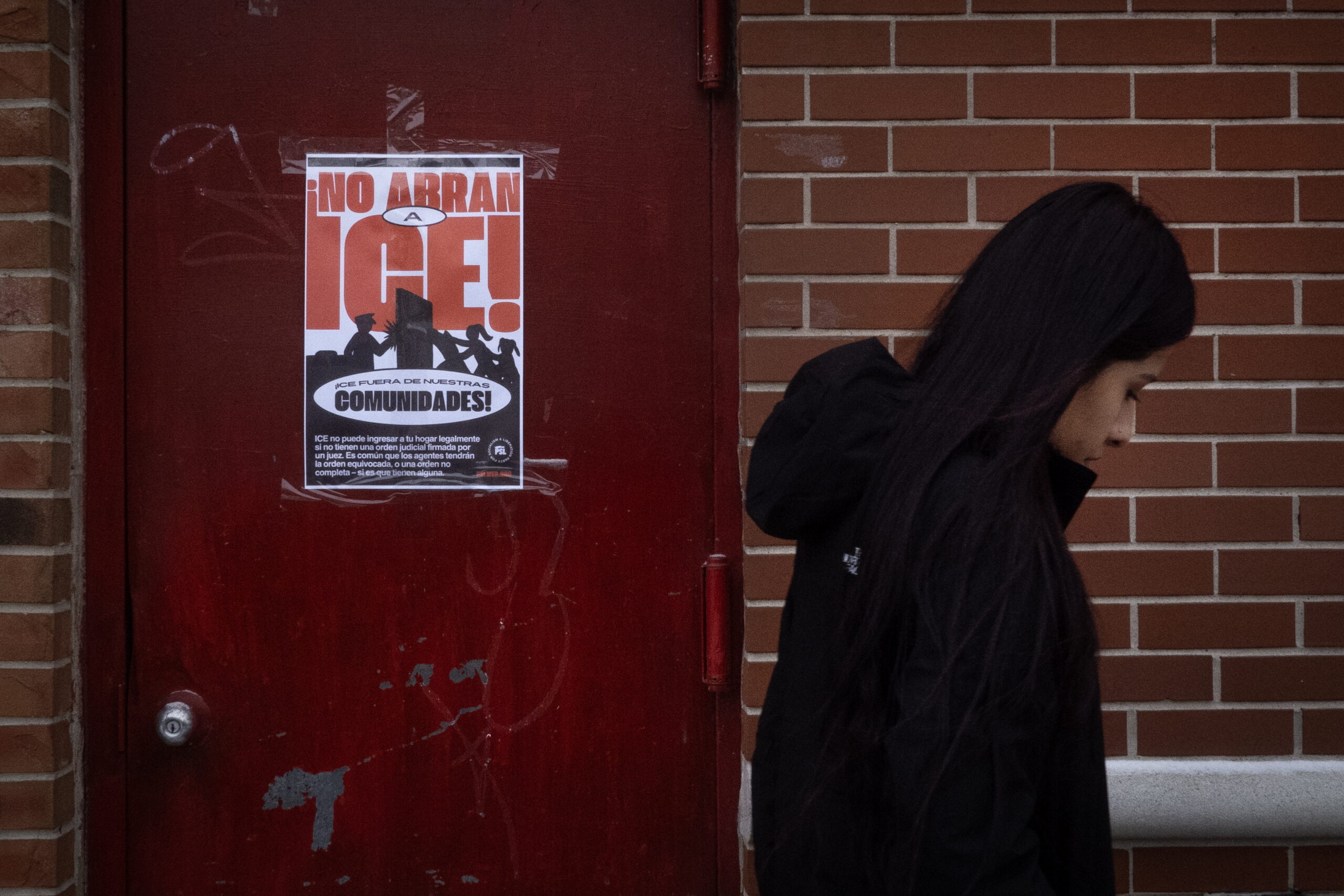
In 2025, a series of immigration raids conducted by U.S. Immigration and Customs Enforcement (ICE) in Chicago sent shockwaves through immigrant communities and local businesses alike. A new report details the staggering economic toll these raids inflicted, estimating losses exceeding $1.26 billion in retail, restaurant, and sales-tax revenue. While this study focuses on Chicago, its findings resonate deeply with communities in Bonny Island and Finima, where many residents and their families maintain close ties to immigrant populations and diaspora networks. Understanding the ripple effects of such enforcement actions is vital for local leaders, business owners, and community advocates seeking to foster economic resilience and social cohesion in the face of external pressures.
Economic Fallout Beyond Borders
The ICE raids in Chicago disrupted not only the lives of those directly targeted but also the broader economic fabric of the city. Fear and uncertainty kept many immigrant workers and consumers away from public spaces, restaurants, and retail outlets. This collective withdrawal led to a dramatic downturn in local commerce, with the report quantifying losses at more than $1.26 billion in revenue, encompassing retail sales, dining establishments, and sales-tax income that supports public services.
Though the study centers on a major U.S. city, the economic dynamics it reveals are instructive for Bonny Island and Finima, where immigrant labor and diaspora spending play crucial roles in sustaining local markets. Many families in these communities rely heavily on remittances and the economic participation of relatives abroad, making them vulnerable to similar disruptions caused by immigration enforcement policies elsewhere. The interconnectedness of global migration and local economies means that enforcement actions in one region can ripple across continents, affecting livelihoods and economic stability in distant communities.
Community Impact: Fear and Economic Withdrawal
The report highlights how fear of enforcement actions can lead to a widespread economic slowdown. Immigrant workers, fearing detention or deportation, may avoid workplaces or public venues, while consumers from immigrant communities may limit their spending or stay home altogether. This phenomenon creates a cascading effect that harms businesses dependent on these customers and employees, from small shops to larger service providers. The resulting economic contraction not only reduces immediate revenue but also threatens the long-term viability of local enterprises.
In Bonny Island and Finima, where community ties are strong and many residents are connected to immigrant networks, such fear-driven economic withdrawal could have similar consequences. Local businesses, especially small retailers and eateries, could see declines in patronage if residents or diaspora members feel unsafe or uncertain about their status or that of their family members. This could undermine community cohesion and economic vitality, emphasizing the need for strategies that address both the social and economic dimensions of immigration enforcement impacts.
Lessons for Local Governance and Community Leaders
The Chicago study underscores the importance of proactive community engagement and support systems to mitigate the economic and social fallout of immigration enforcement. Local governments and community organizations can play a critical role in fostering trust, providing accurate information, and advocating for policies that protect vulnerable populations. Such efforts help reduce fear and misinformation, encouraging continued participation in the local economy.
For Bonny Island and Finima, this means strengthening local networks that support immigrants and their families, such as legal aid services, cultural centers, and economic development programs tailored to diverse populations. Leaders can also work to promote inclusive economic policies that recognize the contributions of all residents, regardless of immigration status. By doing so, they can build more resilient economies that withstand external shocks and maintain social harmony.
Empowering Youth and Women Amid Challenges
The ripple effects of immigration raids also highlight the need to empower youth and women within affected communities. These groups often bear the brunt of economic uncertainty and social disruption but also hold the potential to drive recovery and growth. Empowering them through education, skills training, and leadership opportunities can transform challenges into catalysts for community development.
Community initiatives that focus on skills training, entrepreneurship, and leadership development for young people and women can help build resilience. In Bonny Island and Finima, supporting such programs ensures that the community remains vibrant and economically stable, even in the face of external pressures. These efforts foster innovation, create new economic opportunities, and strengthen social networks that underpin community well-being.
Cultural Strength as a Pillar of Resilience
Cultural identity and community solidarity serve as vital sources of strength during times of crisis. Celebrations, traditions, and shared values help maintain social cohesion and provide emotional support, reinforcing a collective sense of belonging that can mitigate the isolating effects of fear and uncertainty.
For the Bonny Kingdom, preserving and promoting cultural heritage can reinforce community bonds and foster a sense of belonging. This cultural foundation can be a powerful tool in navigating economic and social challenges, including those stemming from immigration-related disruptions. By embracing cultural strength, communities can enhance their capacity to adapt and thrive despite adversity.
What this means
The economic consequences of immigration raids extend far beyond the individuals directly affected, as evidenced by the staggering losses experienced in Chicago. For communities like Bonny Island and Finima, where many residents maintain close ties to immigrant and diaspora networks, these lessons carry profound significance. By fostering inclusive governance, empowering vulnerable groups, and nurturing cultural identity, local leaders and residents can build resilient communities capable of weathering external shocks. Understanding and addressing the broader economic and social impacts of immigration enforcement is essential to safeguarding the prosperity and unity of the Bonny Kingdom both at home and abroad.
Originally reported by npr.org. Adapted for our readers with AI assistance.
Discover more from FINIMA
Subscribe to get the latest posts sent to your email.
0 Comments