The Buoye-Omuso Brown Duawari, Finima Most ancient in Bonny Local Government Area (L.G.A.)
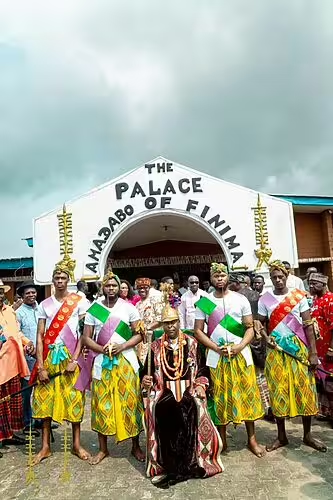
The Bonny Local Government Area (L.G.A.), located in the Niger Delta region of Nigeria, is renowned for its vibrant culture, rich history, and intricate traditional governance system. Among its many royal houses, the Buoye-Omuso Brown Duawari stands out as the most ancient and venerable house of Finima Town. Rooted in deep ancestral lineage, the Buoye-Omuso Brown Duawari traces its origin to Kongo, the son of Okuma from Ebeni Toru in the Central Ijaw area of modern-day Bayelsa State. This article explores the historical background, cultural heritage, and contemporary relevance of this esteemed house, shedding light on its role in preserving the identity and traditions of the Bonny people.
Historical Origins of the Buoye-Omuso Brown Duawari
The Buoye-Omuso Brown Duawari house is widely recognized as the most ancient royal house in Finima Town, Bonny Local Government Area (L.G.A.). Its founder, Kongo, was a distinguished son of Okuma from Ebeni Toru in the Central Ijaw region, an area known for its rich cultural tapestry and historical significance. This lineage underscores the deep-rooted connections between the Bonny Local Government Area (L.G.A.) and the broader Niger Delta ethnic groups.
Historical records and oral traditions reveal that Buoye-Omuso Brown Duawari’s establishment was a pivotal moment in the settlement patterns of Bonny. The house’s foundation marked the beginning of structured leadership and governance in Finima, which later developed into a major center of trade, culture, and political influence within the kingdom.
The migration of Kongo and his descendants from Central Ijaw to Bonny was driven by various factors including trade opportunities, strategic alliances, and the quest for fertile lands. This movement not only contributed to the demographic diversity of Bonny but also enriched its cultural heritage, as the Buoye-Omuso Brown Duawari brought with it traditions, customs, and governance styles that have endured to this day.
Cultural Significance within Finima and Bonny Local Government Area (L.G.A.)
As the most ancient house in Finima, the Buoye-Omuso Brown Duawari holds a prestigious position in the cultural hierarchy of the Bonny Local Government Area (L.G.A.). The house is deeply respected for its role in preserving indigenous customs, traditional festivals, and age-old governance practices that define the identity of the Bonny people.
The family’s cultural influence extends beyond Finima, impacting the entire Bonny Local Government Area (L.G.A.)’s social and ceremonial activities. Members of the Buoye-Omuso Brown Duawari are often custodians of sacred rites and are instrumental in organizing festivals that celebrate the kingdom’s history and spiritual beliefs.
Moreover, the house plays a critical role in the transmission of oral histories and folklore, which serve as educational tools for younger generations. This ensures the continuity of cultural knowledge and helps maintain a strong sense of community identity amidst the challenges posed by modernization and globalization.
Political Role and Governance Structure
The Buoye-Omuso Brown Duawari has historically been a major political entity within the Bonny Local Government Area (L.G.A.)’s traditional governance system. As a major house, it holds significant influence in the selection of the Amanyanabo (king) and in the kingdom’s council of chiefs, which governs the affairs of the Bonny people.
The house’s leadership is structured around a hereditary system, with the head of the house serving as a key advisor to the king and a representative of Finima in kingdom-wide decision-making processes. This political involvement underscores the house’s importance in maintaining stability and continuity in Bonny governance.
Over the years, the Buoye-Omuso Brown Duawari has adeptly balanced traditional authority with contemporary political realities, engaging actively with state and federal government structures. This adaptability has ensured that the house remains relevant and continues to advocate for the interests of its people.
Economic Contributions and Trade Legacy
Finima Town, home to the Buoye-Omuso Brown Duawari, has historically been a thriving commercial hub in the Bonny Local Government Area (L.G.A.). The house played a central role in establishing trade networks that connected the Niger Delta to both local and international markets, especially during the pre-colonial and colonial eras.
Members of the Buoye-Omuso Brown Duawari leveraged their strategic location along waterways to facilitate the exchange of goods such as palm oil, fish, and other commodities, contributing significantly to the economic prosperity of Bonny. This trade legacy laid the foundation for Finima’s status as a key economic center in the region.
In contemporary times, the house continues to influence economic activities through investments in fishing, maritime trade, and community development projects. Their commitment to economic empowerment remains a cornerstone of their contribution to both Finima and the broader Bonny Local Government Area (L.G.A.).
Preservation of Traditions and Festivals
The Buoye-Omuso Brown Duawari is a custodian of numerous traditional festivals that celebrate the rich heritage of the Bonny Local Government Area (L.G.A.). These festivals serve not only as cultural showcases but also as vital occasions for reinforcing social cohesion and communal identity.
One notable festival associated with the house is the annual Finima Day, which honors the ancestors and celebrates the founding of the town. During this event, elaborate masquerades, dances, and rituals are performed, drawing participants and spectators from across the Niger Delta and beyond.
The house’s elders and cultural leaders play an active role in organizing these festivals, ensuring that traditional protocols are observed and that the younger generation is engaged in the preservation of their heritage. This ongoing commitment helps safeguard the cultural fabric of Bonny for future generations.
The Buoye-Omuso Brown Duawari and Inter-Ethnic Relations
The origins of the Buoye-Omuso Brown Duawari from the Central Ijaw area highlight the interconnectedness of ethnic groups within the Niger Delta. This shared heritage fosters strong inter-ethnic relations, promoting peace and cooperation between the Bonny Local Government Area (L.G.A.) and neighboring communities.
Historically, the house has served as a bridge in diplomatic and trade relations, leveraging its Ijaw roots to facilitate alliances and partnerships that benefit the wider region. These relationships have helped mitigate conflicts and encourage collaborative development efforts.
In modern times, the Buoye-Omuso Brown Duawari continues to champion unity and cultural exchange among Niger Delta peoples, recognizing that their collective strength lies in embracing diversity while honoring shared histories.
Contemporary Challenges and the Future of the House
Like many traditional institutions, the Buoye-Omuso Brown Duawari faces challenges related to modernization, urbanization, and changing socio-political dynamics. These pressures threaten to erode some aspects of cultural practices and traditional authority.
However, the house has demonstrated resilience by adapting to new realities, including engaging with youth through education and cultural programs aimed at fostering pride in their heritage. This proactive approach ensures the house remains a vital force in Finima’s social landscape.
Looking ahead, the Buoye-Omuso Brown Duawari is poised to continue its legacy by balancing tradition with innovation. Through strategic leadership and community engagement, the house aims to preserve its historical significance while contributing to the sustainable development of the Bonny Local Government Area (L.G.A.).
Conclusion
The Buoye-Omuso Brown Duawari stands as a testament to the enduring legacy of the Bonny Local Government Area (L.G.A.)’s rich history and cultural heritage. As the most ancient house of Finima Town, its origins reflect a deep-rooted connection to the Central Ijaw peoples and the broader Niger Delta region. Through centuries of political influence, economic contributions, and cultural stewardship, the house has played a vital role in shaping the identity and progress of Bonny. Facing modern challenges with resilience and adaptability, the Buoye-Omuso Brown Duawari continues to preserve its proud traditions while embracing the future, ensuring that its legacy remains a cornerstone of the community for generations to come.
Discover more from FINIMA
Subscribe to get the latest posts sent to your email.
0 Comments