Emily Scarratt Secures Permanent Role in England Women’s Rugby Coaching Team
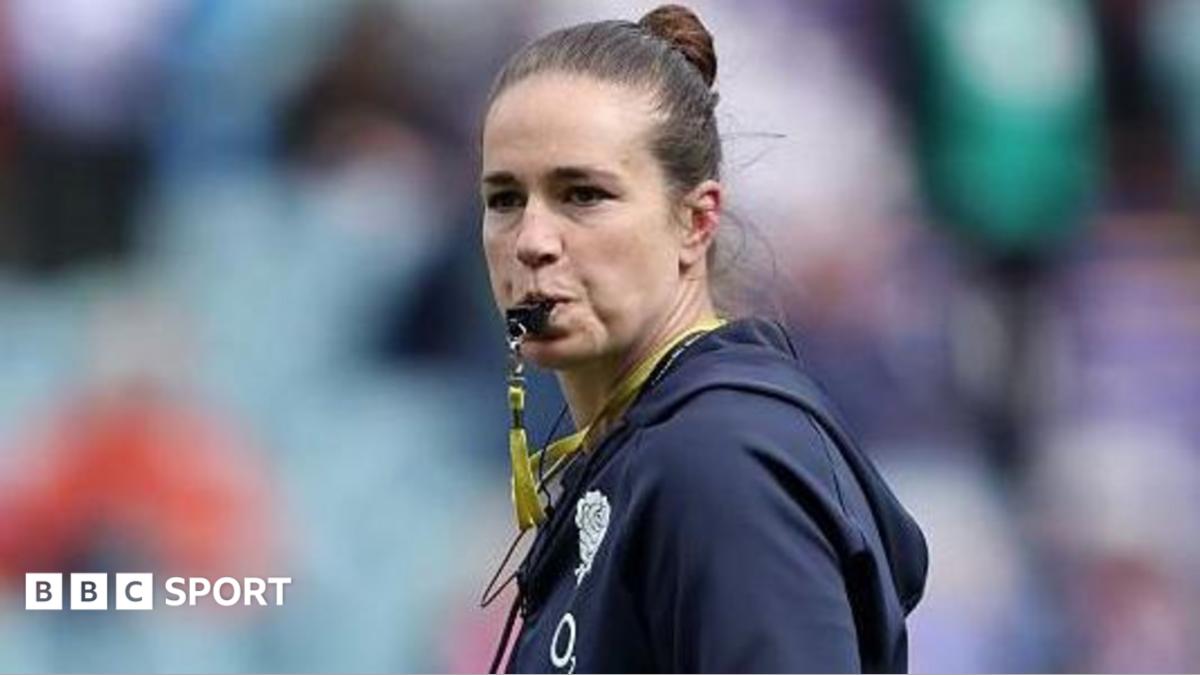
Emily Scarratt’s journey from a decorated player to a permanent coaching role with England’s Red Roses underscores a pivotal moment in women’s rugby. Having earned 119 caps and participated in five Rugby World Cups, Scarratt’s transition reflects both her personal ambition and the sport’s evolving landscape. This article examines her coaching appointment, its implications for England’s team dynamics, and the broader context of female representation in rugby coaching.
From Record-Breaking Player to Influential Coach
Emily Scarratt’s playing career is distinguished by remarkable achievements, including being England’s top points scorer and the only English player, male or female, to compete in five Rugby World Cups. Her retirement from playing followed England’s triumphant Rugby World Cup victory in September 2025, a crowning achievement that cemented her legacy.
Shortly after retiring, Scarratt stepped into coaching, initially joining John Mitchell’s Red Roses coaching team on an interim basis as lead attack and backs coach during the 2026 Women’s Six Nations. Her impact was immediate, contributing to England securing their eighth consecutive Women’s Six Nations title and enhancing the team’s offensive output significantly compared to the previous year.
Her permanent appointment to the coaching staff marks a natural progression, allowing her to leverage her extensive on-field experience to develop England’s attacking strategies and mentor players.
The Significance of Scarratt’s Permanent Coaching Role
Scarratt’s decision to leave her assistant coaching position at Loughborough Lightning, where she spent eight years as both player and coach, signals a full commitment to the national team. This move reflects her ambition to grow within the Red Roses environment and contribute to the team’s future success.
Her appointment also fills the gap left by former attack coach Lou Meadows, who departed after England’s 2025 World Cup victory. Scarratt’s familiarity with the team’s culture and her recent playing experience provide continuity and fresh perspectives in coaching.
John Mitchell, England’s head coach, praised Scarratt’s influence, highlighting her insight, calmness, and experience as invaluable assets. Her ability to transition from player to coach within the same team environment is relatively rare and offers unique benefits for player development and team cohesion.
Challenges and Rewards of Transitioning from Player to Coach
Scarratt has openly acknowledged the challenges of moving from the player’s role to coaching within a familiar setting. The shift requires adapting to new responsibilities, managing relationships differently, and developing a strategic mindset beyond individual performance.
Despite initial uncertainties, she described the experience as rewarding and educational, emphasizing the ambition within the Red Roses squad and her pride in contributing to their ongoing journey.
Her experience highlights the importance of support systems and professional development opportunities for former players transitioning to coaching roles, an area gaining increased attention in women’s rugby.
Broader Implications for Women in Rugby Coaching
Scarratt’s permanent coaching role is emblematic of a broader movement toward increasing female representation in rugby coaching. Historically, coaching at elite levels has been male-dominated, but recent years have seen deliberate efforts to encourage women to enter and thrive in these positions.
Her success and visibility can inspire other female players to consider coaching as a viable career path post-retirement, addressing the ongoing challenge of gender imbalance in rugby leadership.
The Red Roses’ approach, integrating former players like Scarratt into coaching roles, sets a precedent for leveraging player experience to enrich coaching quality and foster a culture of inclusivity and continuity.
Looking Ahead: Building on Success and Sustaining Growth
With Scarratt’s permanent role secured, England’s Red Roses are well-positioned to build on their recent successes, including the 2025 World Cup win and continued dominance in the Six Nations.
Her coaching expertise will be critical in developing attacking strategies and nurturing emerging talent as the team prepares for future international competitions.
The commitment to integrating experienced former players into coaching roles also signals a strategic focus on long-term team development and sustainability within women’s rugby in England.
What this means
Emily Scarratt’s permanent inclusion in the England Red Roses coaching team represents a significant milestone both for her career and for women’s rugby as a whole. Her journey from an accomplished player to a trusted coach underscores the potential for former athletes to shape the future of the sport beyond their playing days. This development not only strengthens the Red Roses’ coaching capabilities but also contributes to the broader push for gender equity in rugby leadership. As England’s women’s rugby continues to thrive on the international stage, Scarratt’s expertise and leadership will be instrumental in sustaining success and inspiring the next generation of players and coaches.
Coaching Pathways for Former Players
Emily Scarratt’s move into a permanent coaching role reflects a pattern seen increasingly across elite team sports: high-profile players stepping directly from playing careers into coaching positions within the same national setup. This route offers obvious advantages, including deep familiarity with team culture, existing relationships with players and support staff, and instant credibility built on playing achievements. It also carries its own challenges, since former teammates becoming direct reports requires a genuine shift in how relationships are managed day to day.
Why Representation in Coaching Matters
Sport-wide, the number of women occupying senior coaching roles in elite programmes has historically lagged behind the growth in participation and professionalism of women’s sport itself. Structural barriers, including limited formal coaching pathways tailored to players coming straight out of a playing career and fewer visible role models in senior positions, have often been cited as contributing factors. High-profile appointments of decorated former players into permanent coaching roles can help address this gap directly, both by adding another visible example for aspiring coaches and by demonstrating to governing bodies that investing in these pathways produces results.
Balancing Continuity and Fresh Thinking
- Retaining institutional knowledge: a coach who played in the system understands its strengths and weaknesses intimately.
- Managing the transition in authority: adapting from peer relationships to a coaching hierarchy takes time and clear communication.
- Avoiding stagnation: successful programmes need to pair continuity with genuinely new ideas and outside perspectives, rather than simply recycling familiar approaches.
The Broader Trajectory of Women’s Rugby
Investment in women’s rugby has accelerated in recent years, with growing broadcast coverage, larger crowds at major fixtures, and increased professional contracts for players. As the playing side of the game becomes more competitive and better resourced, the coaching and support structures around it are under pressure to keep pace. Appointments like this one are often read as a signal of how seriously a governing body intends to invest in the sustainability of its programme beyond a single generation of star players, and whether it is building a coaching pipeline capable of carrying that investment forward.
Source: Scarratt joins England coaching team permanently via www.bbc.co.uk.
This article was curated with AI assistance.
Discover more from FINIMA
Subscribe to get the latest posts sent to your email.
0 Comments