Rivers State Political Landscape: Analysis of Current Governance Dynamics
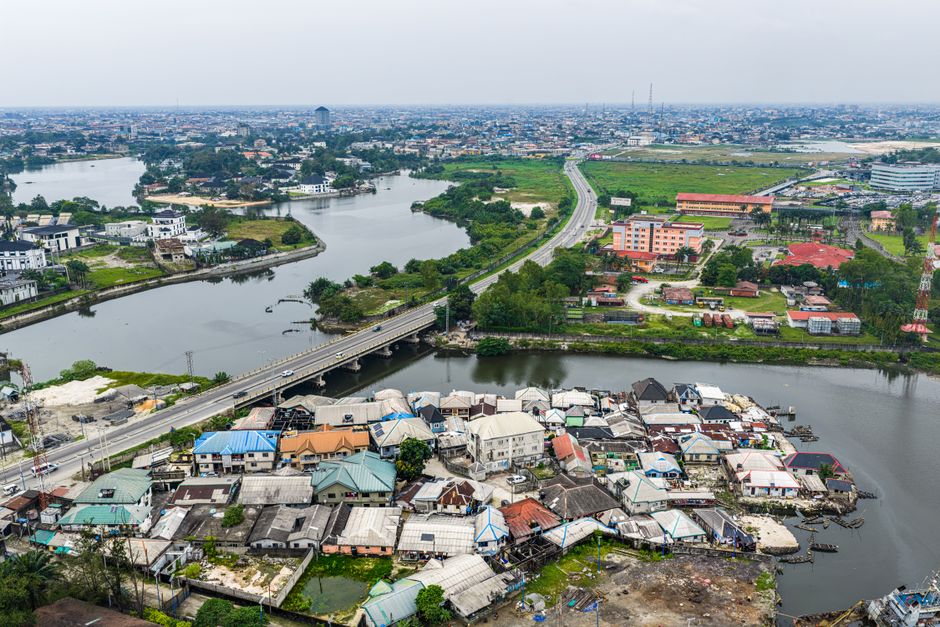
The Rivers State political environment continues to undergo significant transformation, with ongoing discussions about governance approaches and community development initiatives shaping the region's future trajectory. Recent political developments indicate a period of transition and potential realignment in the state's leadership structure, reflecting broader national political dynamics while maintaining focus on local community needs and development priorities. The current administration's approach emphasizes inclusive governance, balancing competing interests while fostering sustainable development across diverse communities.
Current Governance Framework
Rivers State governance operates within an evolving framework balancing local community interests with broader state development objectives. The current administration addresses long-standing infrastructure deficits while fostering economic growth and social development across diverse communities. This approach emphasizes participatory decision-making incorporating input from youth groups, women associations, and traditional leaders, ensuring development initiatives reflect the diverse needs and aspirations of the state's population.
Local governance structures remain central to service delivery and community engagement, with emphasis on participatory decision-making incorporating input from various stakeholders including youth groups, women associations, and traditional leaders. These mechanisms create platforms for citizen participation in policy formulation and implementation, promoting transparency and accountability while ensuring local voices shape development outcomes. The integration of traditional leadership structures with modern administrative systems leverages indigenous knowledge and cultural values in service of contemporary development challenges.
The state's development focus includes sustainable infrastructure projects, educational advancement, and healthcare accessibility, recognized as fundamental pillars for long-term community prosperity and social cohesion. Infrastructure development includes comprehensive road networks, modern water supply systems, and reliable energy provision supporting economic activities and improving quality of life. Educational advancement targets both access and quality, equipping citizens with skills for the modern economy. Healthcare accessibility programs aim to reduce morbidity and mortality through improved facilities, trained personnel, and comprehensive services addressing preventive and curative needs. Recent infrastructure projects have focused on connecting rural communities to urban markets, improving access to clean water, and expanding electricity coverage to support local businesses and household economic activities.
Community Development Initiatives
Community-driven development projects receive significant attention from state authorities, with particular emphasis on rural infrastructure improvements and basic service provision. These initiatives aim to bridge developmental gaps between urban and rural communities while ensuring inclusive growth, addressing critical gaps in transportation, water, and sanitation that have historically disadvantaged rural populations.
Youth empowerment programs have expanded their scope, offering skills training and entrepreneurship opportunities aligned with local market demands and global economic trends. Through vocational training centers, startup incubation, and mentorship programs, young citizens develop practical skills enabling meaningful contribution to the state's economy while reducing unemployment and underemployment. Recent initiatives include digital literacy programs, renewable energy technical training, and agribusiness incubation preparing youth for emerging economic sectors, with several youth-led startups successfully launching and creating employment opportunities.
Women's participation in governance and economic activities has increased substantially, with targeted programs supporting female entrepreneurs and community leaders. These programs recognize women's critical role in sustainable development and social transformation. By providing access to microfinance, business training, and leadership development, these initiatives enable women to participate more fully in economic decision-making, contributing to household and community wellbeing through enhanced earning capacity and leadership capabilities. Women's participation in local governance councils has increased by over 40% in recent years, and women-owned businesses account for approximately 35% of new business registrations in the state, demonstrating significant multiplier effects as women's economic empowerment translates into improved household nutrition, education outcomes, and community development.
Development Challenges and Opportunities
Despite progress, Rivers State continues to face significant challenges including infrastructure deficits, limited economic diversification, and social inequality. These require comprehensive, multi-sectoral approaches integrating community participation with technical expertise. The infrastructure deficit manifests in poor road conditions, inadequate power supply, and insufficient water infrastructure hampering economic activities and daily life, while social inequality persists through unequal access to education, healthcare, and economic opportunities across demographic groups.
Opportunity exists in leveraging the state's strategic location for economic development, investing in renewable energy projects, and developing tourism potential showcasing the region's rich cultural heritage and natural beauty. The strategic location positions Rivers State as a key hub for regional trade and commerce, while renewable energy investments offer pathways to energy security and environmental sustainability. Tourism development can capitalize on cultural festivals, historical sites, and natural attractions to generate employment and foreign exchange earnings. The state's proximity to major ports and regional markets makes it an ideal logistics hub, while its oil and gas resources provide a foundation for transitioning to cleaner energy sources.
The diaspora community's engagement in state development has grown, with increasing participation, investment, knowledge transfer, and community projects. Diaspora members bring expertise, capital, and international networks that can catalyze development initiatives. Cultural and professional connections facilitate knowledge exchange benefiting both the diaspora and home communities. Diaspora investment has increased by nearly 60% in the past three years, flowing into real estate development, education, and healthcare infrastructure. Professional diaspora members contribute technical expertise, mentoring local professionals, and facilitating international partnerships bringing investment and technology to the state.
What this means
Rivers State's development trajectory reflects a commitment to inclusive governance and community-focused progress. While challenges persist infrastructure development and economic diversification, the state's emphasis on youth and women's empowerment, coupled with growing diaspora engagement, creates promising foundations for sustainable development. The state's ability to balance local community needs with broader economic opportunities will determine its success in achieving long-term prosperity and social cohesion. Through continued investment in human capital, infrastructure development, and strategic partnerships, Rivers State can transform current challenges into opportunities for comprehensive development and improved quality of life for all citizens. The inclusive governance approach, while still in developmental stages, represents a significant shift from previous top-down models and has already demonstrated positive results in community engagement and development outcomes. As the state navigates its political evolution, the emphasis on participatory decision-making and community-driven development provides a solid foundation for addressing complex challenges ahead and realizing the state's full potential for growth and prosperity.
Originally reported by news.google.com. Adapted for our readers with AI assistance.
Discover more from FINIMA
Subscribe to get the latest posts sent to your email.
0 Comments