How the Bodo–Bonny Road Can Change Local Business Planning on Bonny Island
Array
A new chapter in moving people and goods
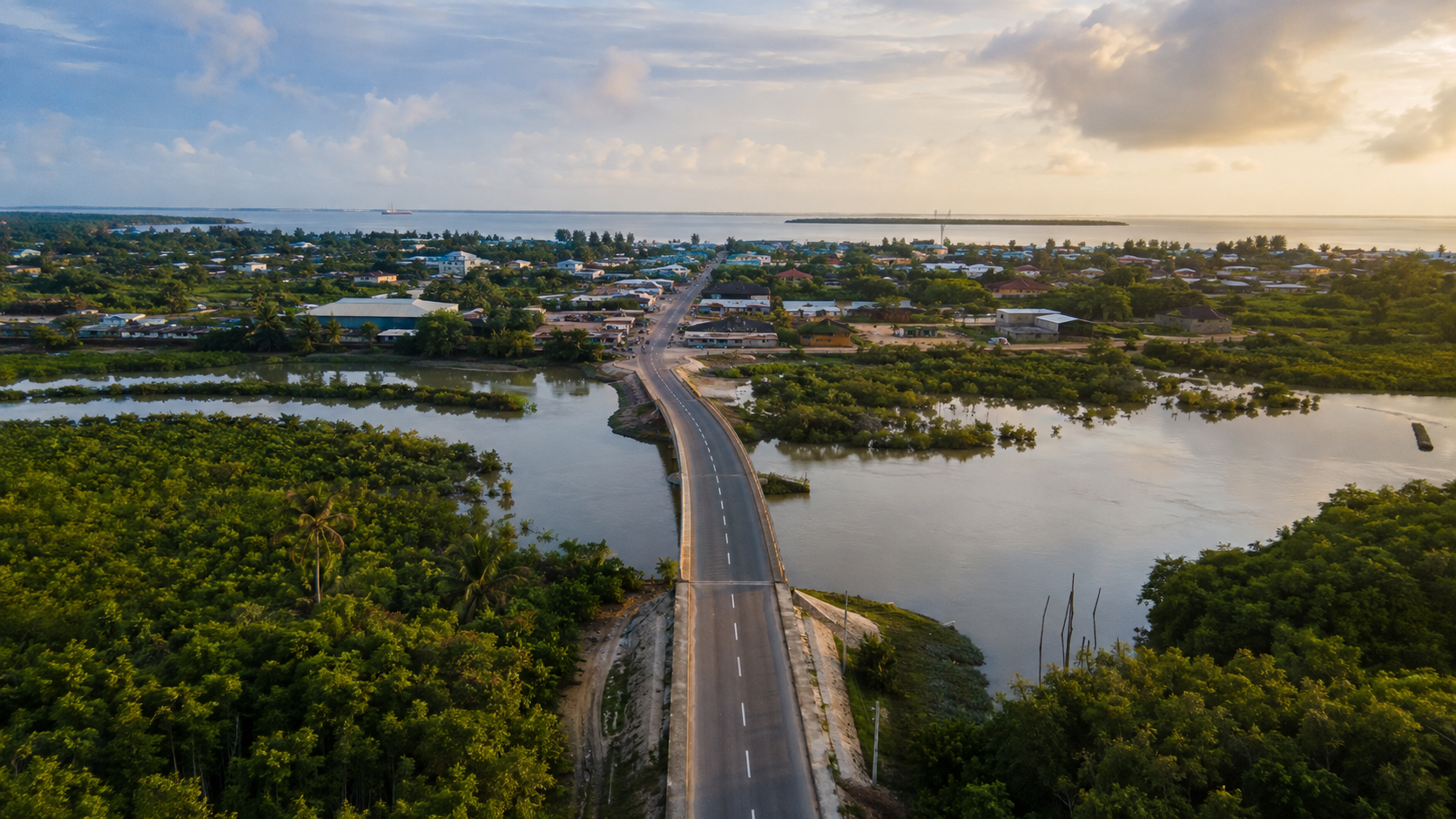
The Bodo–Bonny Road removes one of the most persistent barriers facing island businesses: dependence on water transport for every journey to and from the mainland. While boat travel has served Bonny people for centuries, it is also weather-sensitive, time-consuming and costly for traders who need to move stock regularly. A reliable road connection can reduce some of those pressures, making it easier to plan deliveries, meet appointments and respond to customer needs.
For families in Finima, Bonny Town and surrounding communities, the road also changes the mental map of daily life. Trips that once required careful scheduling around tide and ferry timetables may become more straightforward. That shift matters for business planning because predictable transport allows business owners to keep smaller inventories, take fresh produce to market faster, and offer services with more confidence about timing.
At the same time, a road brings the mainland closer in both directions. Visitors, contractors, officials and buyers who previously found island access complicated may now travel overland. That increased flow can introduce new customers, new competitors and new expectations. The question for local business is not simply whether people will arrive, but whether Bonny-owned enterprises will be ready to serve them well.
Where the opportunities may appear
The source notes point to several sectors where improved access could make a genuine difference. Logistics is the most obvious. Haulage, dispatch services, warehousing and last-mile delivery all become more viable when a road allows vehicles to move reliably between Bonny and the wider Rivers State economy. Young people with driving, mechanical or fleet-management skills may find expanded scope for employment and entrepreneurship.
Hospitality and visitor-facing businesses also stand to benefit. Hotels, restaurants, event venues, transport hire and guided experiences could see more mainland guests, diaspora returnees and project workers looking for clean, safe and welcoming service. Maintenance services—from vehicle repair to electrical and plumbing work—may grow as road traffic increases the wear on buildings, equipment and vehicles.
Food supply is another area to watch. Farmers, fisherfolk, processors and traders on both sides of the water could build stronger supply chains once movement becomes more dependable. Skilled trades such as welding, carpentry, tailoring and construction, together with local retail, could gain from a larger pool of buyers and more regular restocking. These are possibilities, however, not guarantees. Their success will depend on how the road is operated, how secure it remains, how purchasing decisions are made by companies and government agencies, and whether local capacity can meet rising demand.
What business owners can start doing now
Preparation begins long before the first major contract is advertised. Local businesses should treat the road as a reason to get their house in order. That means keeping business registration papers, tax records, permits and contact details current and easy to find. A potential client or partner should be able to locate a business, verify that it exists and understand what it offers without searching through outdated phone numbers or incomplete paperwork.
Capability statements matter too. Many small enterprises on Bonny Island do excellent work, but struggle to explain it in the formal language that big buyers expect. A simple, honest document describing past jobs, equipment, staff qualifications and references can open doors to supply contracts and subcontracting opportunities connected to road operations and related developments.
Building practical supplier relationships is equally important. A mechanic, for example, needs reliable sources for spare parts. A caterer needs dependable farmers and wholesalers. A guesthouse owner needs laundry, cleaning and maintenance support. These networks become more valuable as traffic increases, because the businesses that can deliver consistently will be the ones that win repeat custom.
Training is another investment that pays off early. Staff who can handle bookings, keep basic accounts, use digital tools, manage safety and communicate politely with visitors raise the quality of service across the island. Tracking transport costs now, while water movement is still the norm, also gives business owners a baseline against which to measure savings or new expenses once the road is fully operational. Finally, preparing clear, realistic proposals for legitimate opportunities helps ensure that when invitations to tender or partner arise, Bonny-owned businesses are not left scrambling at the last minute.
Keeping the community in the conversation
Infrastructure works best when the people it affects are part of the discussion. The source notes make this point clearly: community benefit depends on participation. That means residents, youth groups, women’s cooperatives, trade associations, traditional institutions and local leaders should be included in conversations about safety along the route, access for all users, environmental protection and local economic participation.
Safety cannot be an afterthought. A busy road changes traffic patterns, accident risks and the security landscape around entry points and neighbouring communities. Local voices are essential for identifying danger spots, setting realistic speed limits and ensuring that pedestrian, cyclist and market access is protected.
Environmental protection is equally urgent for an island community that depends on water, mangroves and fishing grounds. Road construction and increased vehicle movement can affect drainage, erosion and coastal ecosystems. Residents who understand the local terrain should help shape mitigation plans so that economic gains do not come at the cost of long-term environmental damage.
Economic participation goes beyond contracts. It includes local hiring, local procurement, training for young people and support for women-led enterprises. If the road is to strengthen Bonny Kingdom rather than simply pass through it, the community must keep asking how decisions are made, who benefits and how the gains are shared.
Looking ahead with clear eyes
It is natural to feel excitement about a major road opening after years of waiting. But enthusiasm should be matched with realism. The road will not automatically create customers, contracts or competence. Poor security, weak purchasing practices, high operating costs or a failure to include local people in planning could limit its impact. Conversely, a disciplined, prepared and vocal community can turn better access into lasting progress.
For the diaspora, the road also carries symbolic weight. Many Bonny sons and daughters living in Port Harcourt, Lagos, Abuja or abroad have longed for easier journeys home. Easier access can encourage more frequent visits, investment in family properties and stronger links between island-based businesses and relatives with wider networks. Those connections can be powerful if they are built on clear information and honest partnerships rather than vague hopes.
What this means
Array
Prepared with AI assistance.
Discover more from FINIMA
Subscribe to get the latest posts sent to your email.
0 Comments