Visa applications for some nationalities could be restricted
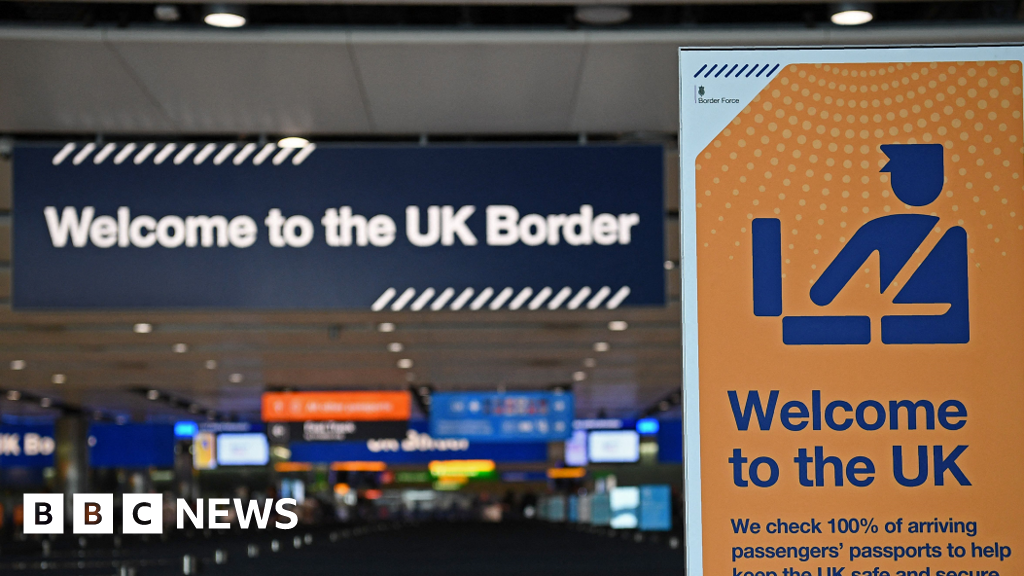
The United Kingdom is preparing to implement stricter visa application measures targeting nationals from countries perceived to have higher incidences of visa overstays and subsequent asylum claims. This policy shift, part of a broader immigration crackdown outlined in an upcoming Immigration White Paper, reflects government concerns about abuse of the legal migration routes. While the UK has historically welcomed international students and skilled workers, the new restrictions aim to deter those who exploit work and study visas to seek asylum. This article explores the context, rationale, potential impacts, and controversies surrounding the proposed visa restrictions.
Background: Rising Asylum Claims and Immigration Challenges
Recent years have witnessed a significant increase in asylum applications in the UK, with over 108,000 claims recorded in the past year—the highest since records began in 1979. This surge has intensified public and political debate over the integrity and sustainability of the immigration system, prompting calls for reform.
A notable aspect of this rise is the pattern of individuals entering the UK on legitimate work or study visas but subsequently applying for asylum. Such cases raise concerns about the exploitation of legal pathways, complicating efforts to manage migration effectively and maintain public confidence in immigration controls.
The Home Office, tasked with immigration enforcement, has faced challenges in tracking visa overstays accurately. Since 2020, exit check statistics have not been published due to ongoing reviews of data reliability, further complicating assessments of the scale of overstaying and its impact on asylum claims.
Proposed Visa Restrictions Targeting Specific Nationalities
The UK government plans to implement visa restrictions for applicants from countries identified as having higher incidences of visa overstays and asylum claims. Among these are Pakistan, Nigeria, and Sri Lanka—nations with substantial numbers of asylum seekers recorded in recent years.
These restrictions may involve more stringent eligibility criteria, increased scrutiny during application processes, and potentially reduced visa grant rates for work and study categories. The objective is to deter misuse of the visa system and reduce the volume of asylum claims lodged shortly after arrival.
While the full details of the policy are pending publication of the Immigration White Paper, ministers have emphasized restoring order to what they describe as a 'broken immigration system,' signaling a tougher stance on migration management.
Rationale Behind Targeting Work and Study Visa Routes
The government's focus on work and study visas stems from evidence that these pathways are sometimes exploited by individuals who enter legally but then switch to asylum applications. This practice is viewed as an abuse of the immigration system, undermining genuine migration purposes.
By tightening visa issuance criteria for high-risk nationalities, the government aims to reduce such abuses, thereby ensuring that work and study visas serve their intended functions: facilitating legitimate employment and education opportunities.
Experts note, however, that the overall impact on asylum numbers may be modest, as the policy primarily targets perceived 'abusive' claims rather than the total volume of asylum seekers. The emphasis is on improving system integrity and public trust.
Statistical Trends in Asylum Claims and Student Visas
Data from the Home Office highlights that Pakistani nationals lodged the highest number of asylum claims last year, totaling over 10,500, followed by Sri Lankan and Nigerian nationals with nearly 3,000 claims each. These figures underscore the rationale for focusing on these countries in visa policy reforms.
Meanwhile, the UK remains a major destination for international students, with over 730,000 enrolled in 2023/24. Indian and Chinese students constitute the largest groups, with more than 100,000 and 98,000 respectively, reflecting strong demand for UK education.
Despite the high student population, the number of work and study visas issued in 2024 has declined compared to the previous year, influenced by stricter immigration rules and government efforts to reduce migration levels overall.
Political Context and Government Immigration Strategies
Since assuming office, Prime Minister Sir Keir Starmer has pledged to reduce both legal and illegal migration without committing to arbitrary net migration caps. His administration emphasizes targeted measures to address specific immigration challenges rather than blanket restrictions.
Labour’s proposals include criminalizing dangerous small boat crossings, curbing demand for migrant labor through domestic training programs, and tightening asylum processes to deter unfounded claims. These strategies reflect a more nuanced approach compared to prior governments.
The previous Conservative government also implemented policies aimed at reducing migration, such as raising salary thresholds for skilled workers and restricting family dependants for care workers. These measures contributed to a decline in visa issuances and net migration figures.
Criticism and Potential Implications of Visa Restrictions
Critics argue that restricting visas based on nationality risks unfairly penalizing legitimate applicants and could damage the UK’s reputation as an open, inclusive destination for talent and education. Concerns also focus on potential negative impacts on bilateral relations with affected countries.
There are questions about the effectiveness of such restrictions in significantly reducing asylum applications, with experts suggesting that migrants may seek alternative routes or countries. Additionally, data limitations on overstaying complicate assessment of policy efficacy.
Human rights advocates emphasize the importance of balancing immigration control with protection obligations, warning that overly restrictive policies could undermine the UK’s commitment to international asylum conventions and humanitarian standards.
Future Outlook and Immigration Policy Developments
The forthcoming Immigration White Paper is expected to provide detailed proposals on visa restrictions and broader immigration reforms. Stakeholders anticipate a comprehensive framework aimed at streamlining migration while addressing abuse and security concerns.
Technological improvements in border control and data collection may enhance the Home Office’s ability to monitor visa compliance and overstaying, enabling more evidence-based policy adjustments in the future.
Ongoing political pressure from parties such as Reform UK, which advocates for immigration freezes, alongside public opinion, will likely influence the trajectory of UK immigration policy, balancing economic needs with migration control priorities.
Conclusion
The UK’s move to restrict visa applications from certain nationalities reflects growing concerns about the integrity of its immigration system amid record asylum claims and visa overstays. While aimed at curbing abuses of work and study routes, the policy raises complex issues around fairness, international relations, and the balance between control and openness. As the government finalizes its Immigration White Paper, stakeholders await clear guidance on how these measures will shape the future of UK migration, emphasizing the need for data-driven, equitable, and effective immigration management.
Discover more from FINIMA
Subscribe to get the latest posts sent to your email.
0 Comments