UEFA’s Boycott Threat Against FIFA’s Private Investment Plan: Implications for Global Football
European football's governing body UEFA has taken a firm stance against FIFA's recent proposal to commercialize its flagship tournaments by inviting private investment. The move, which would see stakes in World Cups and other FIFA competitions sold to external investors through a new subsidiary, has sparked widespread opposition within the football community. UEFA's threat to boycott FIFA events if the plan is approved highlights deep divisions over the sport's governance and commercial future. This article analyzes the background of the proposal, UEFA's response, reactions from other stakeholders, and the broader implications for global football.
FIFA's Controversial Proposal to Invite Private Investment
FIFA has unveiled plans to create a commercial subsidiary, FIFA Forward Enterprise (FFE), designed to manage its premier events, including the men's and women's World Cups and the Club World Cup. The proposal involves inviting third-party investors to acquire minority, non-controlling stakes in this new entity. FIFA president Gianni Infantino has framed this initiative as an optional offer rather than an obligation, aiming to raise capital to support the sport's development.
To encourage support among its 211 member associations, FIFA has attached financial incentives, offering $40 million to federations that back the plan, with an initial $20 million payment contingent on approval by 19 September. The American venture capital firm Thrive Eternal, founded by Joshua Kushner, is expected to lead the investor group. However, there has been no discussion about FIFA officials taking executive roles within FFE.
UEFA's Unanimous Rejection and Boycott Threat
In a virtual emergency meeting chaired by UEFA president Aleksander Ceferin, all 55 European member associations unanimously opposed FIFA's proposal. UEFA's statement emphasized that the World Cup is a cherished sporting legacy built over generations and should never be treated as an investment product or sold to private investors.
UEFA criticized FIFA for conceiving the plan in secrecy and without meaningful consultation, describing it as an abdication of FIFA's custodial responsibilities. The governing body condemned the approach as governance by intimidation and coercion, warning that national associations face an ultimatum: accept the irreversible commercialization of football's greatest competitions or face consequences, including potential boycotts.
The boycott would extend to all FIFA competitions, including men's and women's World Cups and the Club World Cup, with the first test potentially occurring during the Women's World Cup play-offs scheduled for October.
Reactions from Other Football Bodies and Stakeholders
Support for UEFA's position has been voiced by several national associations and football organizations. The English Football Association expressed solidarity with UEFA, asserting that the World Cup belongs to football and its fans, not private investors. Similarly, the Scottish Football Association criticized the lack of consultation and poor governance surrounding the proposal.
UK government officials, including Culture Secretary Lisa Nandy and Prime Minister Andy Burnham, have publicly opposed FIFA's plans, emphasizing the importance of protecting football from billionaire investors and condemning the perceived 'selling out' of the sport.
Other regional confederations have expressed concern or disappointment. Concacaf highlighted the lack of due process, the Asian Football Confederation lamented the absence of consultation, and the Confederation of African Football plans to assess the proposal in an upcoming executive meeting.
Football Supporters' Europe praised UEFA's unified stance as a necessary and strong response to what they view as an unacceptable proposal.
Potential Impact on Global Football and Governance
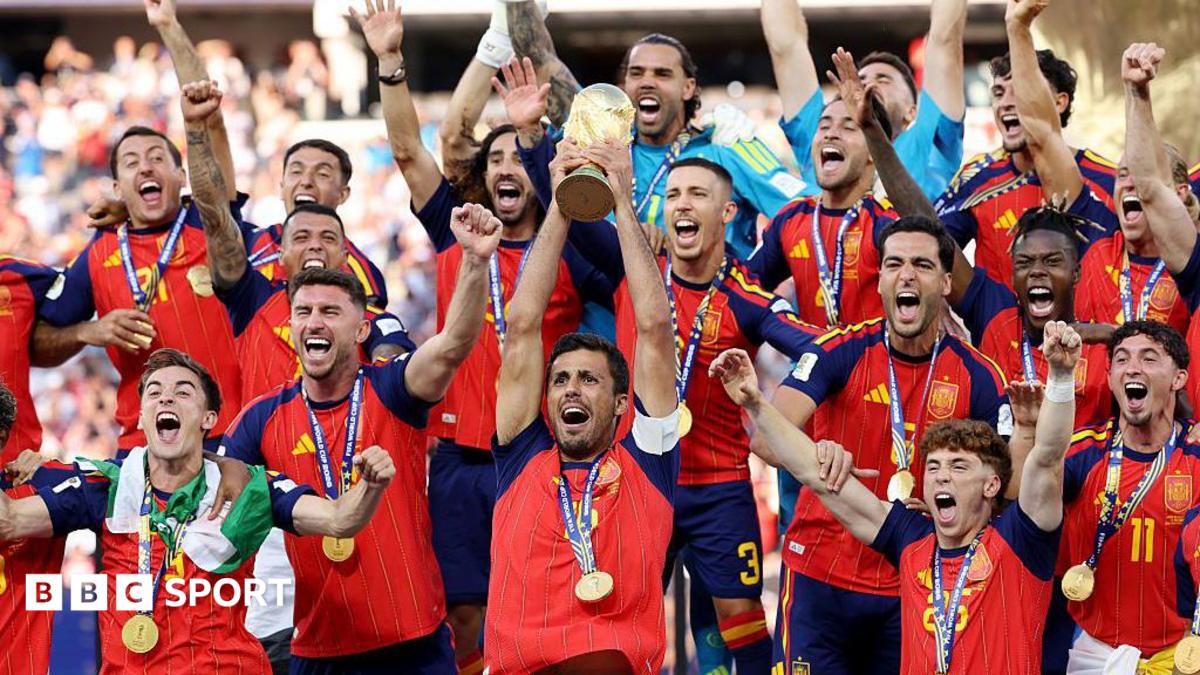
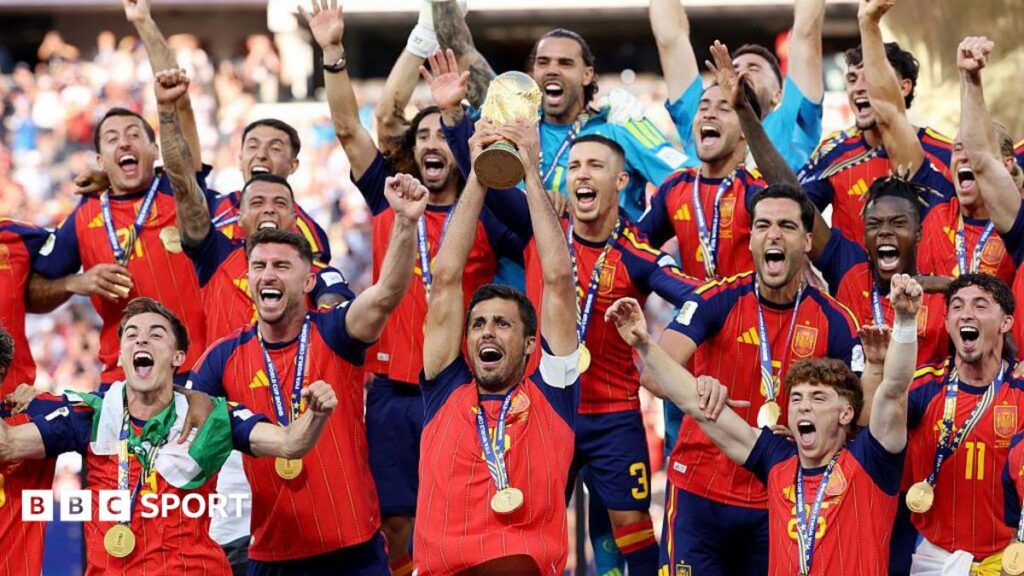
UEFA's boycott threat carries significant weight given Europe's dominance in international football. European teams accounted for six of the eight quarter-finalists, including the champions Spain, in the recent World Cup. Historically, European nations have won more than half of the 23 World Cups held to date.
A World Cup without European participation would severely undermine the tournament's prestige, competitive quality, and commercial viability. UEFA's vice-president Laura McAllister described the proposal as an existential threat to the game, underscoring the potential for a profound schism within world football governance.
The proposed commercialization could lead to expanded and more frequent tournaments, increasing scheduling pressures that would cascade down to domestic leagues and grassroots football. This raises concerns about the long-term structural integrity of the sport globally.
Experts suggest that FIFA's plan, if implemented without consensus, risks alienating key stakeholders and fragmenting the football community. However, some analysts believe that a complete split is unlikely, given the mutual dependencies between FIFA and UEFA.
Uncertainties and the Road Ahead
Several critical questions remain unanswered. FIFA's response to UEFA's boycott threat is pending, and it is unclear how the governing body will address the widespread opposition. The implications for upcoming tournaments, such as the Women's Under-20 World Cup in Poland, are uncertain, especially with FIFA's deadline for federations to accept the investment plan approaching.
The timeline for securing private investment is also in flux, with FIFA aiming to bank initial funds by the end of October. The controversy may delay or derail these plans.
Former Football Association chairman David Bernstein has called for FIFA to reconsider, suggesting alternative methods for raising capital that do not compromise the sport's integrity. He also noted that while FIFA is not a typical organization and Infantino's position depends on member support, a resolution is necessary to avoid damaging splits.
The situation echoes previous football governance crises, such as the failed European Super League attempt, highlighting the ongoing tension between commercial interests and preserving football's traditions and values.
What this means
The dispute between UEFA and FIFA over the proposed commercialization of World Cups represents a critical juncture for global football. UEFA's unified opposition and threat to boycott FIFA competitions underscore the deep concerns about preserving the sport's heritage and governance integrity. While FIFA seeks new revenue streams through private investment, the backlash reveals the challenges of balancing commercial ambitions with the game's traditions and stakeholder interests. The coming months will be pivotal in determining whether football can navigate this crisis collaboratively or face a potentially divisive schism. Stakeholders across the sport must engage in open dialogue to safeguard football's future and ensure the World Cup remains a celebration of global sporting excellence rather than a financial commodity.
Source: Uefa to boycott World Cups if Fifa plans approved via www.bbc.co.uk.
This article was curated with AI assistance.
Discover more from FINIMA
Subscribe to get the latest posts sent to your email.
0 Comments