Police bust human trafficking syndicate in Kano
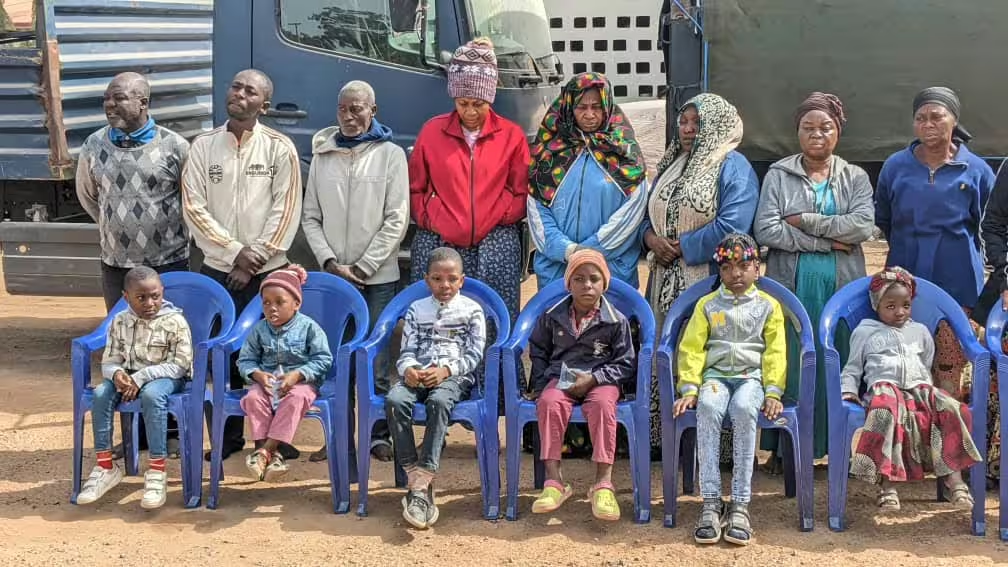
Human trafficking remains one of the most heinous crimes undermining human rights and security worldwide. In Nigeria, Kano State has been a notable flashpoint for trafficking activities due to its strategic location and socio-economic factors. Recently, the Kano State Police Command, in partnership with the National Agency for the Prohibition of Trafficking in Persons (NAPTIP), achieved a significant victory by busting a human trafficking syndicate operating within the region. This article delves into the details of the operation, the victims rescued, the suspects apprehended, and the broader implications for human trafficking prevention in Kano and Nigeria at large.
Background on Human Trafficking in Kano
Kano State, located in northern Nigeria, has long been a hub for various illicit activities, including human trafficking. Its geographic position as a gateway to other regions makes it a critical transit and recruitment point for traffickers. Socio-economic challenges such as poverty, unemployment, and lack of education have made many vulnerable to exploitation.
Human trafficking in Kano often involves the illegal transportation of women and children for forced labor, sexual exploitation, and domestic servitude. These practices are typically orchestrated by organized criminal syndicates that exploit loopholes in law enforcement and community awareness.
Efforts to combat human trafficking have been ongoing, with agencies like NAPTIP establishing zonal commands to enhance surveillance and enforcement. Despite these efforts, traffickers adapt quickly, necessitating continuous vigilance and cooperation between security agencies and communities.
The Role of Kano State Police Command in the Bust
The Kano State Police Command played a pivotal role in the recent bust of the human trafficking syndicate. Acting on intelligence reports and community tips, the police launched an operation targeting suspected traffickers. Their strategic approach involved surveillance, undercover operations, and coordination with other security agencies.
During the operation, the police arrested three key suspects, including Shafi’u Salisu, who is believed to be a central figure in the syndicate. The arrests were a result of meticulous planning and cooperation with local informants who provided critical information about the traffickers’ activities and hideouts.
The success of the police operation underscores the importance of proactive law enforcement in tackling human trafficking. It also highlights the need for continuous capacity building within the police force to effectively dismantle such criminal networks.
Involvement of the National Agency for the Prohibition of Trafficking in Persons (NAPTIP)
NAPTIP's Kano Zonal Command has been instrumental in the fight against human trafficking in the region. Following the police operation, the agency promptly received 12 rescued victims, providing them with immediate care and support. This collaboration ensures a seamless transition from rescue to rehabilitation.
Under the leadership of Zonal Commander Mr. Abdullahi Babale, NAPTIP has intensified efforts to identify, assist, and reintegrate trafficking survivors. The agency conducts thorough investigations to trace the syndicate’s networks and prevent future trafficking attempts.
NAPTIP also works closely with other government bodies, NGOs, and international partners to enhance victim protection and raise public awareness. Their holistic approach addresses both the criminal and humanitarian aspects of human trafficking.
Details of the Rescued Victims and Their Rehabilitation
The 12 victims rescued from the trafficking syndicate include women and children who were subjected to various forms of exploitation. Many were found in deplorable conditions, highlighting the urgent need for rescue operations like this one.
Upon their rescue, the victims were immediately taken to safe houses managed by NAPTIP, where they received medical attention, psychological counseling, and legal assistance. The rehabilitation process also includes vocational training and educational support to empower survivors.
Rehabilitation is a critical component in breaking the cycle of trafficking. By equipping victims with skills and support, agencies aim to prevent re-victimization and enable survivors to rebuild their lives with dignity.
Challenges Faced in Combating Human Trafficking in Kano
Despite the successes, Kano faces significant challenges in combating human trafficking. These include limited resources for law enforcement, inadequate victim support infrastructure, and cultural factors that sometimes hinder reporting and prosecution.
Traffickers often operate through clandestine networks that are difficult to penetrate. Corruption and lack of coordination among agencies can also impede effective enforcement, allowing syndicates to exploit loopholes.
Moreover, poverty and lack of education continue to make many individuals vulnerable to traffickers’ deceptive tactics. Addressing these root causes requires comprehensive socio-economic interventions alongside enforcement.
Community and Government Initiatives to Prevent Human Trafficking
The fight against human trafficking in Kano is not limited to law enforcement; community involvement is critical. Local leaders, religious organizations, and civil society groups actively participate in awareness campaigns to educate the public about the dangers of trafficking.
Government initiatives include policy reforms, increased funding for anti-trafficking programs, and collaborations with international bodies. These efforts aim to strengthen legal frameworks and improve victim protection mechanisms.
Educational programs targeting vulnerable populations, especially youth and women, are being implemented to reduce susceptibility to traffickers. Empowerment through education and economic opportunities remains a cornerstone of prevention strategies.
The Legal Framework and Prosecution of Traffickers
Nigeria has established comprehensive laws to combat human trafficking, including the Trafficking in Persons (Prohibition) Enforcement and Administration Act. These laws provide for stringent penalties and mechanisms for victim protection.
Following the bust, the arrested suspects are expected to face prosecution under these legal provisions. Successful prosecution serves as a deterrent and reinforces the government’s commitment to eradicating trafficking.
However, challenges such as delays in the judicial process and insufficient evidence can hinder convictions. Strengthening judicial capacity and ensuring timely trials are essential for effective justice delivery.
Future Outlook and Continued Efforts Against Human Trafficking
The recent bust in Kano represents a positive step forward but also underscores the ongoing need for vigilance. Human trafficking syndicates are adaptive and require continuous intelligence gathering and community cooperation to dismantle.
Future strategies involve enhancing inter-agency collaboration, investing in technology for surveillance, and expanding victim support services. Empowering survivors to become advocates can also amplify prevention efforts.
Sustained political will and public awareness are crucial to creating an environment where trafficking cannot thrive. Through combined efforts, Kano State and Nigeria can move closer to eradicating this grave violation of human rights.
Conclusion
The recent bust of a human trafficking syndicate in Kano marks a significant milestone in Nigeria’s fight against this pervasive crime. The collaborative efforts of the Kano State Police Command and NAPTIP not only disrupted a dangerous network but also brought hope to the victims who have been rescued. While challenges persist, the operation demonstrates that with sustained commitment, effective law enforcement, and community engagement, it is possible to combat human trafficking effectively. Moving forward, a multifaceted approach that addresses legal, social, and economic factors will be critical to eradicating trafficking and protecting vulnerable populations in Kano and beyond.
Discover more from FINIMA
Subscribe to get the latest posts sent to your email.