France Condemns Reform UK’s Controversial Plan to Use Navy for Migrant Returns
Editor’s note: The following is AI-generated commentary and context on this topic, not original reporting.
The Long-Running Channel Migration Dispute
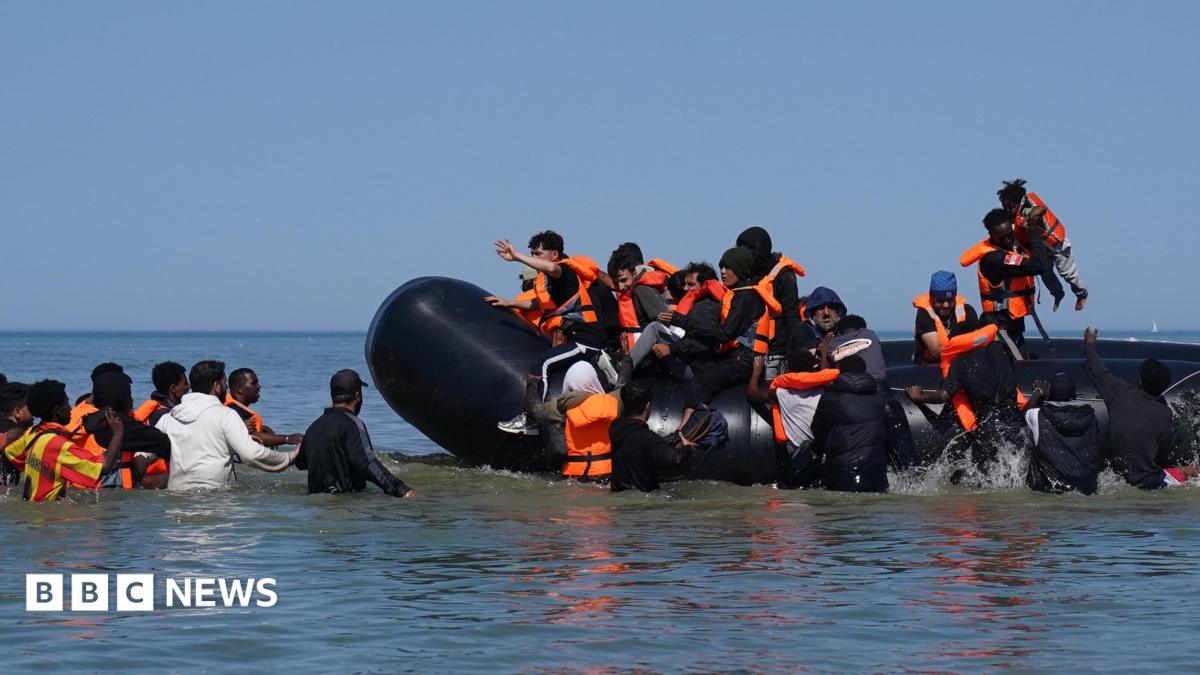
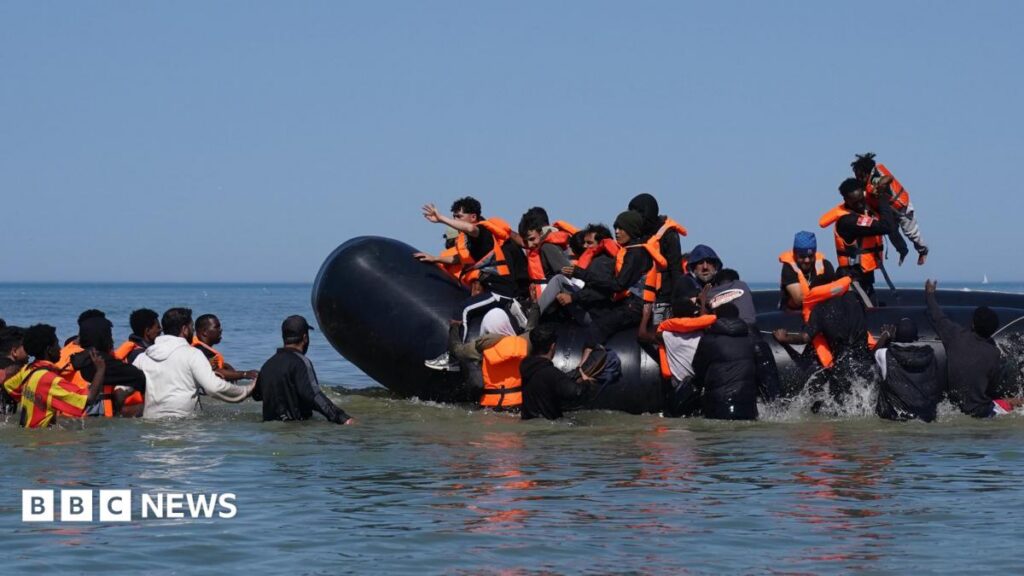
Migration across the English Channel in small boats has been a persistent and politically charged issue in UK-France relations for several years, with successive UK governments and political parties proposing a range of measures aimed at deterring crossings, from processing agreements with third countries to enhanced maritime patrols. France has consistently maintained that unilateral UK action affecting shared or French territorial waters requires close bilateral coordination, reflecting both practical maritime law considerations and a broader sensitivity around sovereignty and shared responsibility for managing migration flows across the Channel.
Why Naval Involvement Raises Particular Concerns
Proposals to use military naval assets, as opposed to civilian coast guard or border force vessels, for migration enforcement tend to generate especially strong reactions, both domestically and internationally. Critics argue that militarizing a humanitarian and law enforcement issue risks escalating tensions with neighboring countries, raises complex questions under international maritime and refugee law regarding the treatment of vessels in international or territorial waters, and could set uncomfortable precedents for how European nations manage migration cooperation going forward. Proponents of a tougher enforcement posture typically counter that a purely civilian response has proven insufficient to deter crossings and that a more visible deterrent is necessary to address the scale of the challenge.
The Diplomatic Dimension
- Bilateral agreements between the UK and France on Channel migration have historically involved significant financial commitments from the UK toward French policing and surveillance efforts along the French coastline.
- Diplomatic friction over migration policy can spill over into other areas of the bilateral relationship, including trade, security cooperation, and broader European policy coordination.
- France’s objections to unilateral UK proposals often center as much on process, meaning the lack of prior consultation, as on the substance of the proposal itself.
Legal Complexities of Maritime Migrant Returns
International law imposes significant obligations on states regarding the treatment of individuals encountered at sea, including obligations related to rescue, non-refoulement principles that restrict returning individuals to places where they may face persecution, and jurisdictional questions about which state bears responsibility for processing asylum claims depending on where an interception occurs. These legal complexities mean that any proposal to use naval assets for migrant returns would likely face substantial legal scrutiny, both domestically through UK courts and potentially through international bodies, in addition to the diplomatic objections raised by France.
The Broader Political Context
Migration policy has become an increasingly salient and polarizing issue in UK politics, with parties across the spectrum proposing distinct approaches ranging from expanded legal migration pathways to more restrictive enforcement measures. Proposals from parties positioned toward the more restrictionist end of that spectrum often generate significant domestic political attention precisely because they promise more dramatic action than mainstream government policy, even when questions remain about the practical and legal feasibility of implementation. How this particular proposal evolves is likely to depend heavily on the broader political dynamics heading into future electoral contests, as much as on the specific diplomatic response from France.
How Previous Channel Agreements Have Worked
Past cooperative arrangements between the UK and France on Channel migration have generally combined increased French policing along vulnerable coastal stretches, funded substantially by UK contributions, with various pilot schemes aimed at establishing lawful returns processes for certain categories of migrants. These arrangements have had mixed success in reducing crossing numbers, and both governments have faced domestic criticism, from different directions, over their effectiveness and cost. The recurring pattern in this relationship has been that unilateral proposals from either side tend to generate friction, while jointly negotiated measures, even when imperfect, have proven more durable and diplomatically sustainable over time.
The Role of Public Opinion
Migration policy debates in both the UK and France are shaped significantly by domestic public opinion, which in both countries has shown increasing salience for immigration as a political issue in recent years. Political parties on the more restrictionist end of the spectrum in each country have gained ground partly by proposing more assertive enforcement measures, which creates pressure on mainstream governing parties to be seen taking visible action, even when policy experts question the practical effectiveness of specific proposals such as naval intervention.
Possible Paths Forward
- Renewed bilateral negotiation aimed at finding a mutually acceptable enforcement and returns framework remains the most historically consistent path to progress on this issue.
- Continued unilateral proposals from either side risk further diplomatic friction without necessarily producing a durable reduction in crossings.
- Broader European-level cooperation, involving countries beyond just the UK and France, has periodically been proposed as a longer-term structural solution, though implementation has proven politically difficult.
Why This Story Will Likely Continue to Develop
Given the recurring nature of Channel migration as a political flashpoint, disputes of this kind rarely resolve quickly or definitively. Both the underlying migration pressures and the domestic political incentives driving assertive rhetoric on the issue are likely to persist, meaning that similar diplomatic friction points are likely to recur in various forms as different governments and parties propose their own approaches to managing the issue.
What to Watch Next
Whether this particular proposal advances beyond initial announcement will depend heavily on domestic political dynamics within the UK, the practical legal advice the proposing party receives regarding maritime and international law obligations, and the tenor of any diplomatic engagement that follows France’s objections. Given how frequently Channel migration policy has generated cross-Channel friction in the past, this episode is likely to be remembered as one more chapter in an ongoing and unresolved policy debate rather than a decisive turning point on its own.
France, for its part, has made clear that any credible long-term solution will need to be built jointly rather than imposed unilaterally across the Channel.
Until such an agreement is reached, individual proposals like this one are likely to keep surfacing periodically, each testing the boundaries of what unilateral action across a shared and closely regulated maritime border can realistically achieve.
Discover more from FINIMA
Subscribe to get the latest posts sent to your email.
0 Comments