Finima Youth Congress Leads Successful Market Sanitation Exercise at Agaja Market
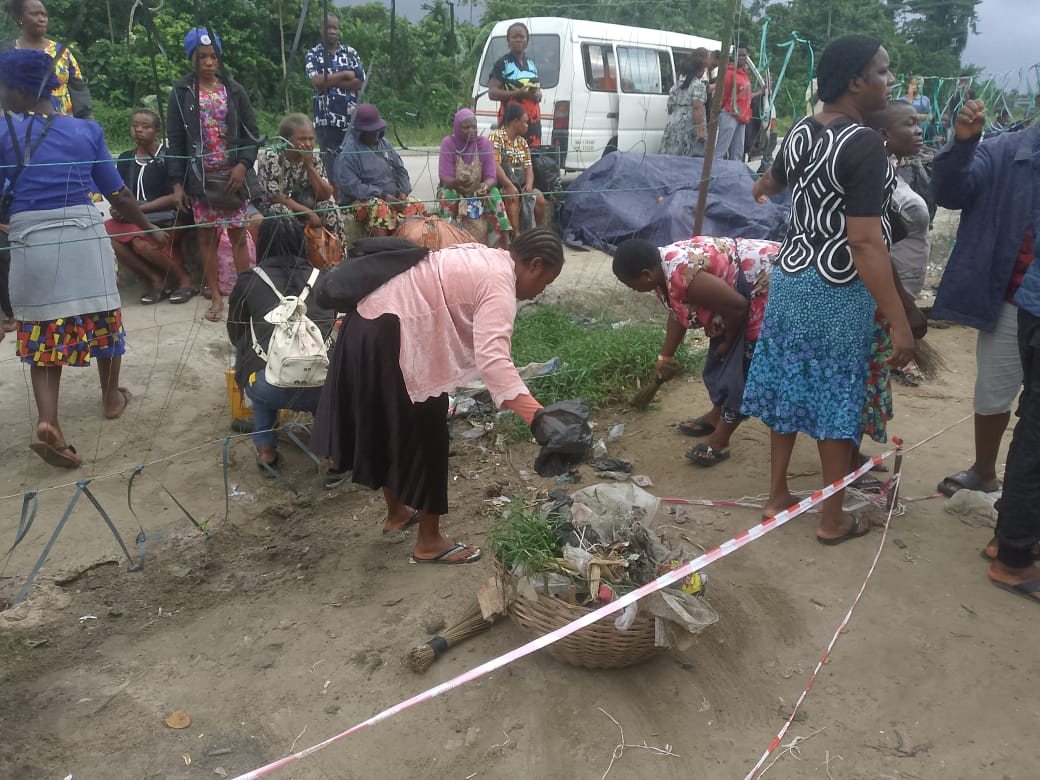
On Thursday, 14 August 2025, the Finima Youth Congress (FYC) Environmental Committee led a sanitation exercise at Agaja Market from 8:00 a.m. to 10:00 a.m. Traders and volunteers united to clean the market, reinforcing a growing culture of environmental responsibility in Finima and setting an example for the Niger Delta region. The initiative highlighted the community's capacity for self-organization and its commitment to improving public health through collective labor, with participants expressing pride in contributing to a cleaner trading environment that supports their livelihoods and serves visitors to the area.
Traders Embrace Clean-Up with Enthusiasm
Agaja Market traders, especially market women, participated enthusiastically in the clean-up. Guided by their own leadership, they cleared refuse, swept stalls, and rearranged trading areas. The normally bustling market became a scene of coordinated effort, with traders working diligently to clear debris from drainage channels and ensure orderly waste collection. This hands-on involvement reflected genuine ownership of the market's cleanliness. Traders viewed the effort as a communal duty, not an imposition, taking pride in contributing to a space that supports their livelihoods and serves the community. The high level of discipline and compliance highlighted existing awareness about hygiene importance in a food market setting.
The clean-up exercise demonstrated that when provided with organization and support, community members are willing to invest their time and energy in maintaining shared spaces. Traders reported feeling a sense of accomplishment as they transformed their usual trading areas into clean, organized stalls. Many noted that the improved appearance would likely attract more customers and create a more pleasant shopping experience. The two-hour effort showed what can be achieved when youth organizations like the FYC provide structure and motivation for community action, with traders following established leaders within their own groups to ensure efficiency and effectiveness.
Traders Highlight Critical Infrastructure Needs
Despite the success, market women raised urgent infrastructural concerns. Their primary appeal was for rehabilitating the market's borehole to ensure a reliable supply of potable water for hygiene, food preparation, and washing produce. Without access to clean water, maintaining the sanitation standards achieved during the exercise becomes challenging, as traders need water for handwashing, cleaning utensils, and keeping produce fresh.
One stall owner stated: 'A clean environment is not just about sweeping and tidying up; it’s also about having the basic amenities to support that cleanliness. We need clean water for our produce and for ourselves, and proper toilets are essential for public health.' Traders also emphasized the dire need for functional, well-maintained toilet facilities, warning that inadequate sanitation infrastructure risks public health and undermines sanitation gains. They appealed to the Sole Administrator of Bonny Local Government Area and other stakeholders for immediate intervention, noting that disease prevention requires both clean surroundings and proper sanitation facilities.
The market women's concerns reflect a sophisticated understanding of hygiene that goes beyond surface cleaning. They recognize that sustainable public health requires infrastructure that supports daily hygiene practices. Their plea for water and sanitation facilities shows they are thinking long-term about maintaining the gains from periodic clean-ups, understanding that without these basic amenities, their efforts will be continually undermined by environmental factors beyond their immediate control.
FYC's Vision for Lasting Environmental Change
Omie D. Brown, FYC Environmental Committee P.R.O, reaffirmed the organisation's vision: instilling a culture of environmental responsibility that endures for generations. She cited the market women's pledge as evidence this cultural shift is taking hold, noting that their commitment to continue the sanitation routine without external supervision represents a significant step toward self-sustaining community practices.
The FYC's strategy includes regular market sanitation exercises, community clean-up campaigns, and educational outreach. The Agaja Market initiative is part of this sustained effort to foster a healthier, more sustainable environment. Brown positioned the clean-up as a model for other Niger Delta communities, demonstrating the power of synergistic action between local leadership, community members, and youth organisations. She acknowledged that sustaining results requires continued investment and collaboration, especially to address infrastructure gaps that limit what community action alone can achieve.
Following the exercise, Brown emphasized that the FYC's role is to catalyze and support community initiatives rather than replace them. The organization aims to build local capacity for environmental stewardship through training, resource sharing, and advocacy. The market women's enthusiastic participation and their specific requests for infrastructure improvements provide valuable feedback for refining the FYC's approach to community engagement and development.
A Call for Collaborative Support
The exercise concluded with celebration and cautious optimism—a story of community agency, resilience, and shared vision for a cleaner Finima. As stalls reopened, the air carried fresh produce and a renewed sense of pride and unity. The event declared that environmental stewardship in Finima is evolving from policy aspiration to lived reality, with community members taking active roles in maintaining their shared spaces.
However, progress requires partnership between community and local authorities. The FYC and market women have shown capacity to lead and sustain hygiene initiatives. Now, local governance and stakeholders must honour the traders' plea by investing in clean water and sanitation facilities. Supporting these foundations would validate community self-help efforts, signal that projects are backed at higher governance levels, and protect gains from exercises like this one, ensuring a permanently cleaner, healthier Agaja Market and Finima for present and future generations.
The market women's appeal represents an opportunity for meaningful collaboration between community actors and government officials. By responding to these specific infrastructure needs, authorities can demonstrate their commitment to public health while building on existing community momentum. Such investment would not only address immediate practical needs but also strengthen the social contract between citizens and their local government, fostering trust and encouraging further community participation in development initiatives.
What this means
The Agaja Market sanitation exercise of 14 August 2025 shows what a community can accomplish when mobilising for the common good. Led by the Finima Youth Congress, traders and volunteers transformed their market through collective labour, establishing a cleaner environment and renewing their commitment to public health. Lasting success depends on responding to the market women's plea for clean water and proper sanitation facilities. As trade resumes at Agaja Market, local authorities and stakeholders have the opportunity to invest in essential hygiene infrastructure, converting a successful clean-up into a permanent legacy of health, dignity, and community pride for Finima and its people.
Prepared with AI assistance.
Discover more from FINIMA
Subscribe to get the latest posts sent to your email.
0 Comments