Living With the Gas Flares: Coastal Erosion and Mangrove Loss Around Bonny Island
On the eastern edge of Bonny Island, where the Atlantic meets the creeks of the Niger Delta, the community of Finima has long stood at the intersection of Nigeria’s energy industry and a deeply rooted coastal way of life. This feature takes a close look at coastal erosion, gas-flare pollution and mangrove degradation, tracing how residents, traditional institutions and corporate neighbours are negotiating the pressures and possibilities of life on one of West Africa’s most strategic coastlines.
Why Environment Matters Here
Finima sits beside the Bonny Export Terminal and the Nigeria Liquefied Natural Gas (NLNG) complex, infrastructure that places the community at the centre of the national economy. Yet the story of coastal erosion, gas-flare pollution and mangrove degradation in Finima is not only a story of pipelines and terminals; it is a story of people who fish, trade, worship and organise in the shadow of that industry. Understanding Environment here means understanding how a small coastal community negotiates with forces far larger than itself.
A Community With Deep Roots
The Ijaw fishing communities of Bonny Island trace their heritage back centuries, to a kingdom renowned for trade, kingship and cultural ceremony. Finima, while part of the Bonny local government area, maintains its own distinct identity, its own chiefs and its own voice in community affairs. That sense of identity is the foundation on which every contemporary effort around coastal erosion, gas-flare pollution and mangrove degradation is built, giving residents a shared reference point from which to engage with government, with companies and with one another.
The Pressures Shaping Daily Life
Life on the coast is shaped by pressures that are environmental, economic and social at once. Tidal surges and coastal erosion nibble at the shoreline each rainy season. Industrial activity has altered the creeks and fisheries that once sustained families. Against this backdrop, coastal erosion, gas-flare pollution and mangrove degradation has become a lens through which residents measure progress, asking whether the wealth extracted from their land is returning to them in the form of schools, clinics, roads and opportunity. The honest answer, repeated in community meetings and on local radio, is that progress is real but uneven.
Grassroots Action and Self-Help
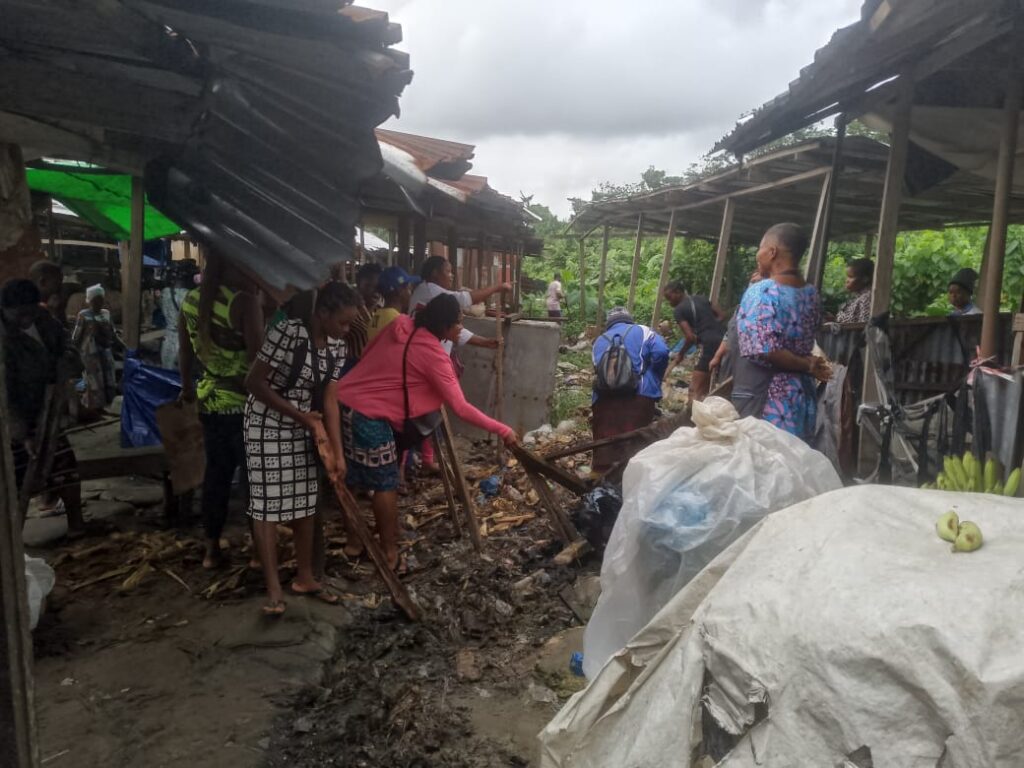
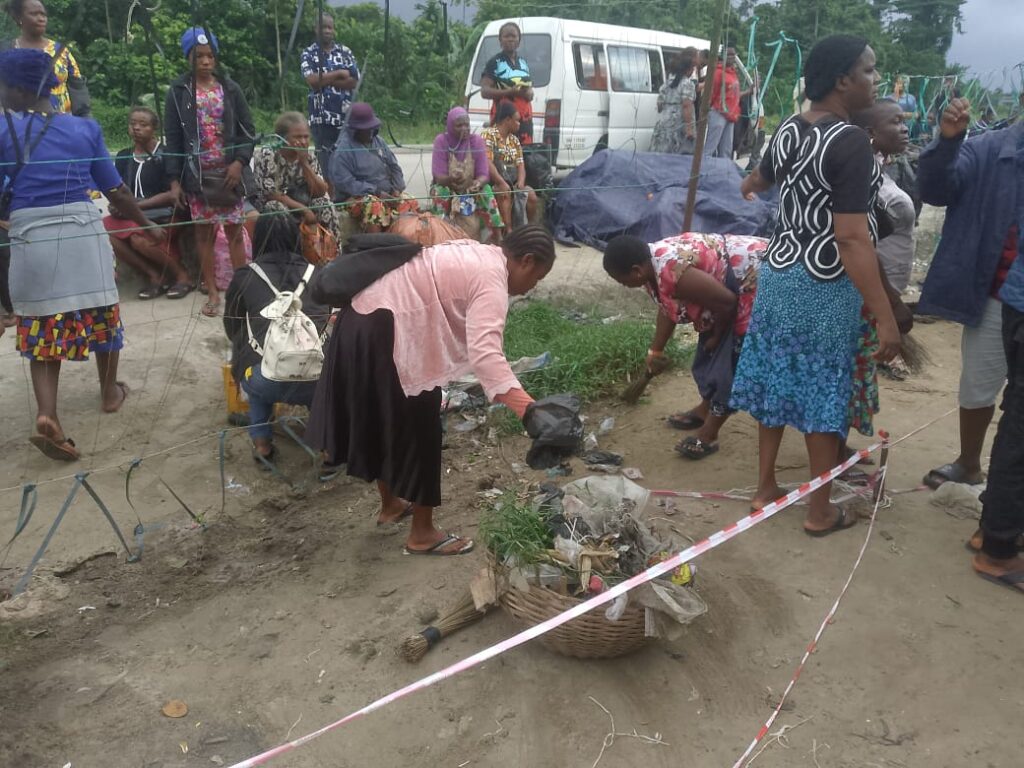
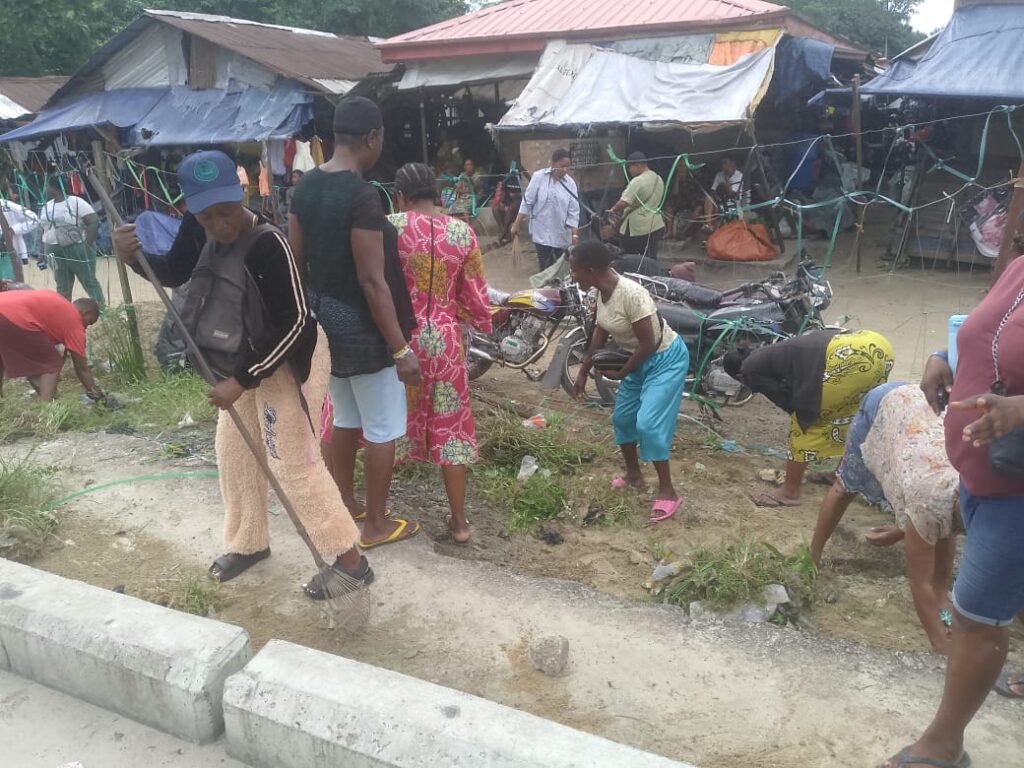
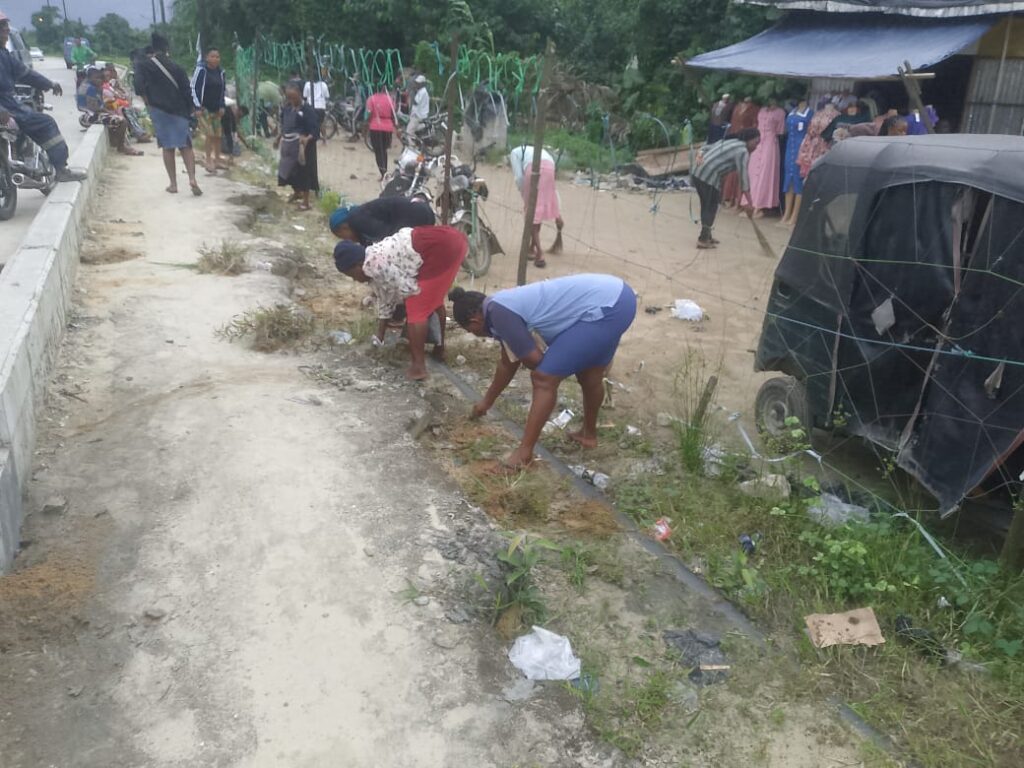
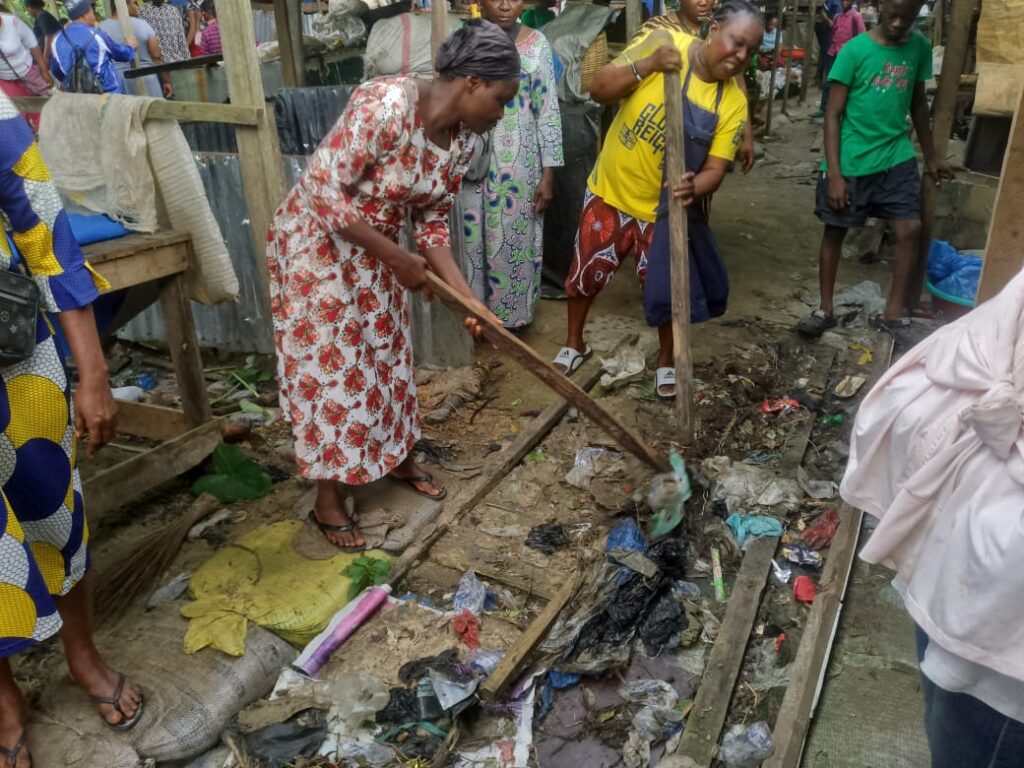
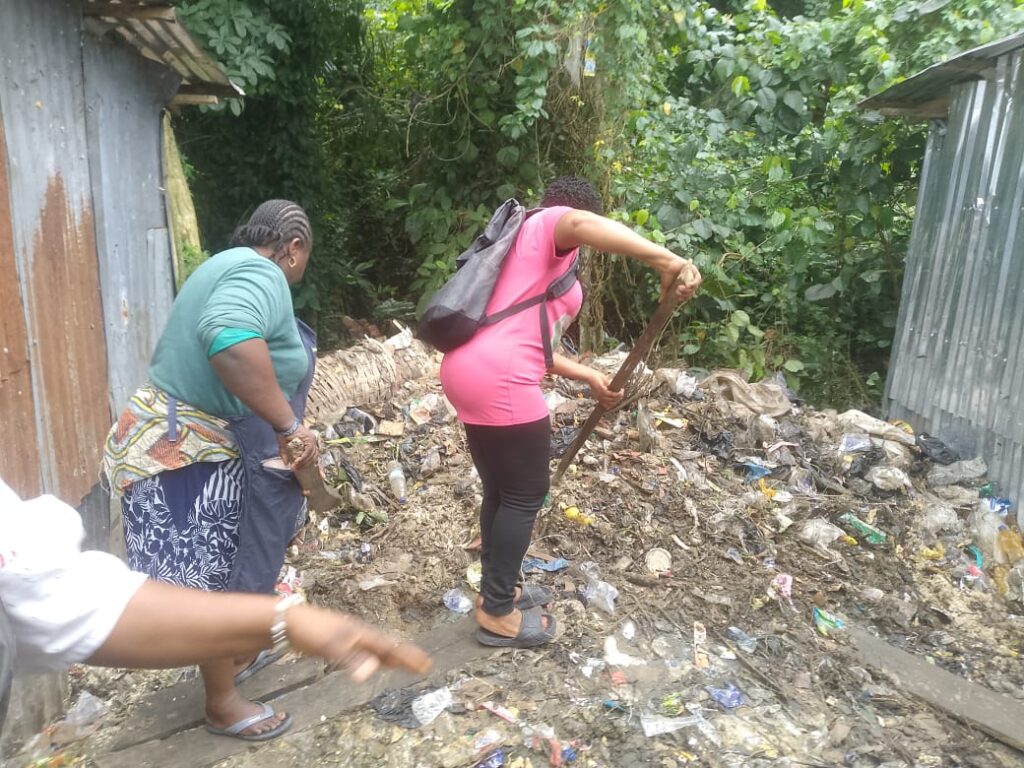
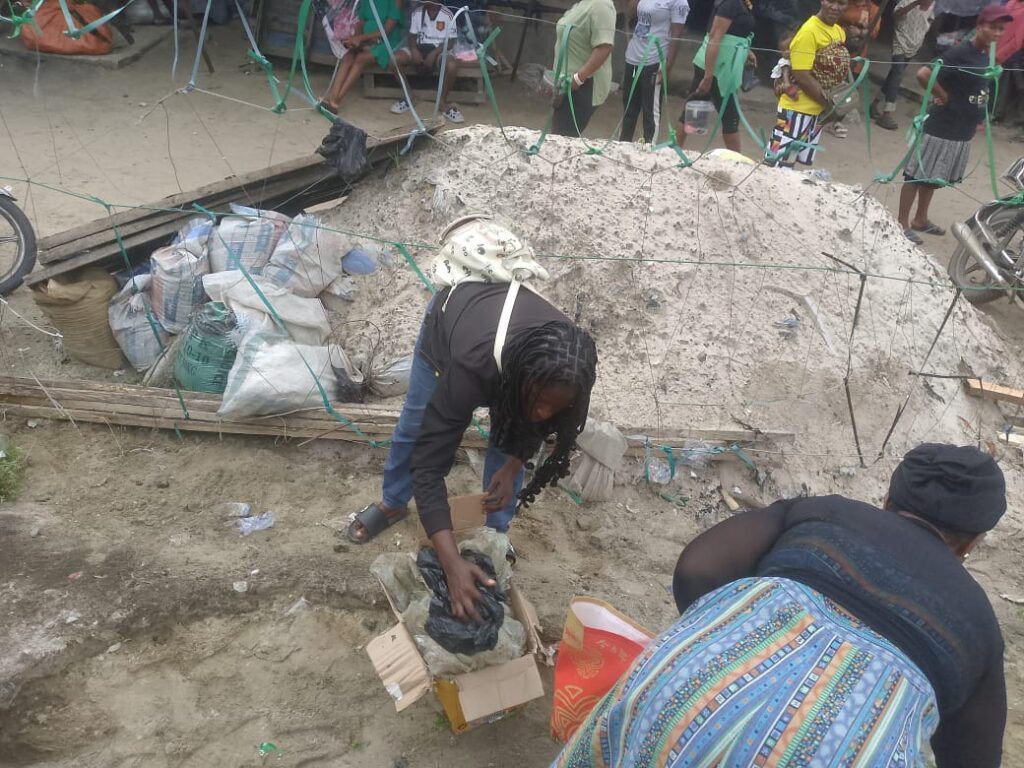
One of the most encouraging developments in recent years has been the rise of self-help initiatives. Rather than waiting for distant authorities to act, residents of Finima have organised clean-up campaigns, youth mentoring schemes and women’s cooperatives that address coastal erosion, gas-flare pollution and mangrove degradation from the ground up. These efforts are modest in budget but significant in spirit, demonstrating that the community is not a passive bystander in its own development. Local leaders argue that lasting change will come only when such grassroots energy is matched by sustained investment from both government and the corporate operators on the island.
The Role of Traditional Institutions
The Amanyanabo of Bonny and the chiefs of Finima continue to play a central role in guiding community affairs, mediating between residents and the industrial giants on their doorstep. Their authority, rooted in centuries of custom, provides continuity in a rapidly changing environment. When questions of land, compensation and coastal erosion, gas-flare pollution and mangrove degradation arise, it is often the traditional council that residents turn to first, seeking a resolution that respects both heritage and the practical demands of modern life.
Youth, Technology and New Ambitions
The youth of Finima and Bonny are redefining what is possible from a coastal community. With growing access to mobile internet, young entrepreneurs are building businesses in digital services, creative media and small-scale logistics, diversifying an economy once almost entirely dependent on fishing and the energy sector. Social media has become a tool for advocacy, allowing residents to highlight issues around coastal erosion, gas-flare pollution and mangrove degradation and to hold both companies and government to account in ways that were not possible a generation ago.
Education as the Long Game
Stakeholders across Bonny Island agree that the sustainability of any progress in Environment will depend on investment in human capital. Scholarship schemes sponsored by NLNG and other operators have opened doors for young people from Finima, equipping them with skills for the modern economy. The challenge now is scale, ensuring that opportunity reaches every household rather than a fortunate few, and that training is matched to the real needs of the local labour market.
Infrastructure and the Connectivity Question
Improvements in roads, electricity and telecommunications have a direct bearing on coastal erosion, gas-flare pollution and mangrove degradation. The long-awaited upgrades to the road network linking Bonny to the mainland, and efforts to stabilise power supply through gas-fired generation, are watched closely by residents who see these projects as essential to unlocking further development. Reliable connectivity also enables remote work and digital businesses, broadening the economic base beyond the energy sector and giving young people a reason to build their futures at home.
Health and Wellbeing on the Coast
The health of any community underpins its capacity for progress. In Finima and Bonny, access to care has improved through partnerships between government, corporate operators and faith-based medical missions, yet gaps remain in specialist and maternal services. Addressing these gaps is widely seen as a prerequisite for the inclusive growth that Environment demands, ensuring that the most vulnerable are not left behind as the region develops.
Environmental Stewardship
The delicate ecosystem of the Niger Delta is never far from any conversation about coastal erosion, gas-flare pollution and mangrove degradation in Finima. Mangrove restoration projects, pollution monitoring and community-led clean-ups reflect a growing environmental consciousness. The enduring challenge is to balance the economic imperative of industrial activity with the ecological responsibility owed to future generations, a balance that requires transparency, accountability and genuine partnership between all stakeholders.
Economic Diversification
While oil and gas remain the dominant economic drivers, there is a growing recognition that long-term prosperity will require diversification. Fishing, modernised with better boats and cold-chain storage, remains a backbone of household income. Tourism, centred on cultural heritage and the natural beauty of the coastline, offers untapped potential. Investments in agriculture and small-scale manufacturing are also being explored as pathways to a more resilient local economy, all feeding into the broader landscape of Environment.
Looking Ahead
The story of coastal erosion, gas-flare pollution and mangrove degradation in Finima and Bonny is far from finished. It is written daily by fishermen setting out at dawn, by students studying under solar-powered lights, by entrepreneurs building businesses from the ground up, and by leaders navigating the complex relationship between tradition and modernity. As these coastal communities continue to evolve, their experience offers lessons not just for the Niger Delta but for resource-rich communities everywhere grappling with the question of how to turn natural wealth into lasting human prosperity. The choices made today, guided by vision, fairness and an unwavering commitment to the people who call this remarkable corner of Nigeria home, will shape the future of Environment on Bonny Island for generations to come.
You must be logged in to post a comment.