The Owuasara (Nkiasibi) Masquerade
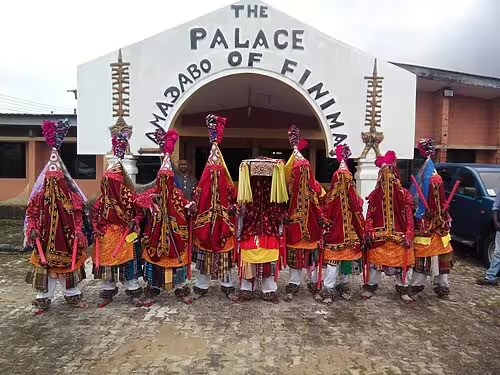
The Owuasara (Nkiasibi) Masquerade stands as one of the most captivating cultural expressions among the Igbo people of Nigeria. Rooted in centuries-old traditions, this masquerade embodies the community’s spiritual beliefs, social values, and artistic creativity. Known for its intricate costumes, rhythmic performances, and symbolic meanings, the Owuasara masquerade plays a vital role in festivals, rituals, and communal celebrations. This article delves deep into the origins, cultural significance, performance elements, and contemporary relevance of the Owuasara (Nkiasibi) Masquerade, offering a comprehensive understanding of this fascinating traditional art form.
Historical Origins of the Owuasara (Nkiasibi) Masquerade
The Owuasara (Nkiasibi) Masquerade traces its origins to the ancient Igbo communities, where masquerades served as spiritual intermediaries between the physical and metaphysical worlds. Historically, these masquerades were believed to embody ancestral spirits or deities, facilitating communication and ensuring societal harmony. The Owuasara, in particular, emerged as a unique cultural phenomenon, distinguished by its elaborate costumes and distinct dance styles.
Oral traditions suggest that the Owuasara masquerade was initially performed during significant communal events such as harvest festivals, rites of passage, and funerals. Its performances were not merely entertainment but sacred acts that reinforced social norms and religious values. The name 'Nkiasibi' is often associated with the masquerade’s mysterious spiritual power and the reverence it commands within the community.
Over generations, the Owuasara masquerade has evolved, adapting to changing social dynamics while retaining core traditional elements. Its historical trajectory reflects the resilience and creativity of the Igbo people in preserving their cultural identity amidst external influences and modernization.
Symbolism and Cultural Significance
The Owuasara (Nkiasibi) Masquerade carries profound symbolic meanings deeply embedded in Igbo cosmology and worldview. Each aspect of the masquerade’s costume, movement, and music conveys messages about morality, social order, and the community’s relationship with the spiritual realm. For example, the colors and materials used in the attire often represent fertility, protection, and ancestral blessings.
Symbolically, the Owuasara masquerade serves as a guardian of communal values, enforcing social discipline through its presence during public ceremonies. It is believed that the masquerade can detect and punish wrongdoers, thereby promoting justice and ethical conduct. This spiritual authority elevates the masquerade beyond mere performance, positioning it as a critical institution in Igbo society.
Moreover, the Owuasara embodies the collective memory and identity of the people, linking past generations with the present. Its rituals and performances are acts of cultural transmission, ensuring that indigenous knowledge, history, and spirituality are passed down through storytelling, dance, and music.
The Costume and Visual Elements
A defining feature of the Owuasara (Nkiasibi) Masquerade is its striking costume, which is meticulously crafted to evoke awe and reverence. The masquerade’s attire typically includes vibrant fabrics, raffia, beads, and masks that symbolize various spiritual entities or ancestral figures. The mask itself is often carved from wood and painted with intricate patterns that hold specific meanings.
The use of raffia and other natural materials in the costume reflects a connection to nature and the earth, emphasizing the masquerade’s role as an intermediary between humans and the environment. The elaborate costume also serves to conceal the identity of the performer, enhancing the mystical aura surrounding the masquerade and allowing the spirit it represents to take center stage.
Visual elements such as feathers, cowries, and symbolic motifs are incorporated to represent power, wealth, and protection. The overall appearance of the Owuasara masquerade is designed not only to captivate audiences but also to communicate spiritual messages and cultural values non-verbally.
Performance and Dance Characteristics
The performance of the Owuasara (Nkiasibi) Masquerade is a dynamic blend of dance, music, and theatrical display. The masquerade dancers move with precision and grace, often incorporating acrobatic feats and symbolic gestures that narrate stories or convey moral lessons. Their movements are synchronized with traditional rhythms played on drums, flutes, and other indigenous instruments.
The dance is highly ritualistic, with specific sequences performed at designated moments during festivals or ceremonies. The Owuasara’s movements are believed to channel spiritual energy, inviting blessings and warding off malevolent forces. The performers undergo rigorous training to master the complex choreography and embody the masquerade’s spiritual essence fully.
Audience participation is a crucial element of the performance, as communal engagement amplifies the masquerade’s power and significance. Spectators often respond with chants, ululations, and rhythmic clapping, creating an immersive atmosphere that reinforces social cohesion and shared cultural identity.
Role in Festivals and Community Events
The Owuasara (Nkiasibi) Masquerade plays a central role in various Igbo festivals and community gatherings, marking important social and religious milestones. During festivals such as the New Yam Festival, the masquerade’s appearance signals renewal, gratitude to the gods, and the reaffirmation of communal bonds. Its presence elevates the event’s spiritual and cultural significance.
In addition to festive occasions, the Owuasara masquerade is integral to rites of passage, including initiations, weddings, and funerals. It acts as a mediator, blessing transitions and ensuring that individuals move smoothly from one stage of life to another. The masquerade’s involvement underscores the interconnectedness of the physical and spiritual realms in Igbo cosmology.
Community leaders and elders often collaborate with masquerade societies to organize performances, reflecting the masquerade’s institutional importance. These events foster unity, cultural pride, and intergenerational dialogue, strengthening the social fabric of the community.
Contemporary Relevance and Adaptations
In the modern era, the Owuasara (Nkiasibi) Masquerade continues to thrive, adapting to contemporary contexts while preserving its traditional essence. Urbanization and globalization have introduced new challenges, yet the masquerade remains a potent symbol of cultural identity for Igbo people both within Nigeria and in the diaspora.
Contemporary practitioners have incorporated modern materials and performance spaces, enabling the masquerade to reach wider audiences through cultural festivals, museums, and media. These adaptations help sustain interest among younger generations and promote cross-cultural understanding of Igbo heritage.
Additionally, the Owuasara masquerade serves as a platform for cultural education and tourism, contributing to local economies and fostering pride in indigenous art forms. Despite changes, its spiritual and social functions continue to resonate deeply within communities, ensuring its longevity and relevance.
Preservation Efforts and Challenges
Efforts to preserve the Owuasara (Nkiasibi) Masquerade involve collaboration between traditional custodians, cultural organizations, and government agencies. Documentation, workshops, and festivals dedicated to masquerade arts aim to safeguard this intangible cultural heritage from erosion and neglect.
However, challenges persist, including dwindling interest among youth, competition from modern entertainment, and the commercialization of traditional practices. These factors threaten the authenticity and continuity of the masquerade’s spiritual and social functions.
To address these issues, advocates emphasize community engagement, education, and respectful innovation. By fostering pride in cultural heritage and facilitating intergenerational transmission, preservation initiatives strive to maintain the Owuasara masquerade as a living tradition that enriches Igbo cultural identity.
The Spiritual Essence and Mystique of Owuasara
At the heart of the Owuasara (Nkiasibi) Masquerade lies a profound spiritual essence that transcends mere performance. The masquerade is regarded as a living spirit, embodying ancestral wisdom, divine power, and protective forces that safeguard the community from harm and imbalance.
The mystique surrounding the Owuasara is heightened by secrecy and ritual protocols that govern its appearances and interactions. Only initiated members of the masquerade society are privy to certain esoteric knowledge, reinforcing the aura of reverence and mystery that envelops the masquerade.
This spiritual dimension fosters a deep connection between the physical world and the metaphysical, nurturing a sense of belonging and continuity. The Owuasara masquerade thus serves as a vital conduit for spiritual renewal, cultural affirmation, and communal well-being.
Conclusion
The Owuasara (Nkiasibi) Masquerade stands as a vibrant testament to the enduring cultural richness of the Igbo people. Through its historical depth, symbolic power, and captivating performances, it bridges past and present, the spiritual and the communal. As a living tradition, the Owuasara masquerade not only entertains but educates, unites, and inspires, embodying the resilience and creativity of a people deeply connected to their heritage. Continued preservation and respectful adaptation will ensure that this magnificent cultural treasure remains a source of pride and identity for generations to come.
Discover more from FINIMA
Subscribe to get the latest posts sent to your email.
0 Comments