Recent floods will affect anticipated farm harvests this year
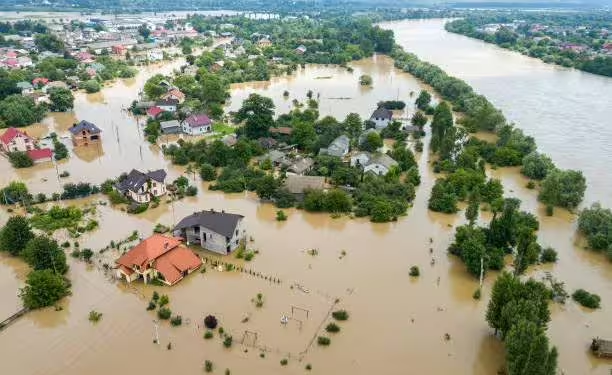
In recent weeks, unprecedented flooding in several Northern states of Nigeria has inflicted severe damage on farmlands, homes, and infrastructure. The National Emergency Management Agency (NEMA) reports that over 16,000 hectares of farmland have been submerged or destroyed, displacing tens of thousands of people and jeopardizing this year’s agricultural output. The Minister of Agriculture and Food Security, Sen. Abubakar Kyari, has expressed deep concern over the potential negative effects on the anticipated harvests, particularly for small-scale farmers who form the backbone of Nigeria’s food production. This article delves into the causes of the floods, the extent of the damage, government interventions, and the broader implications for food security and rural economies.
Overview of Recent Flood Events in Northern Nigeria
The recent floods in Nigeria have primarily affected Northern states such as Jigawa, Taraba, and Adamawa. Over the past two weeks, heavy and sustained rainfall combined with overflowing rivers has led to widespread inundation of farmland and residential areas. These floodwaters have destroyed crops at various stages of growth, eroded fertile soil, and displaced thousands of families.
Data released by the National Emergency Management Agency (NEMA) indicates that more than 16,488 hectares of farmland across 27 states have been severely damaged. In Jigawa State alone, over 2,000 hectares of agricultural land have been devastated, according to the state emergency agency. The floods have also resulted in tragic loss of life and destruction of property, compounding the humanitarian crisis.
Experts point to climate change and irregular rainfall patterns as contributing factors to the increasing frequency and severity of floods in the region. The combination of environmental changes and insufficient flood management infrastructure has exacerbated the vulnerability of Nigeria’s agricultural heartlands.
Impact on Agricultural Production and Anticipated Harvests
The flooding has severely disrupted the cropping season, destroying staple crops such as maize, millet, rice, and sorghum. Many farmers report losses of entire fields, which will directly reduce the volume of produce expected during the harvest period. This disruption is particularly damaging for small-scale farmers who depend heavily on rain-fed agriculture and have limited resources to recover.
Senator Abubakar Kyari, Minister of Agriculture and Food Security, has stated that the floods will negatively affect the anticipated harvests this year. He emphasized that the social and economic well-being of rural farming communities will be deeply impacted, as crop losses translate into reduced income and increased food insecurity.
The timing of the floods, coinciding with critical crop growth stages, means that the damage is not limited to just the quantity but also the quality of the harvest. Soil erosion and waterlogging reduce soil fertility, potentially limiting future yields unless remedial measures are taken promptly.
Socioeconomic Consequences for Rural Communities
The destruction of farmlands and homes has displaced over 40,000 people, according to NEMA reports, forcing many families into temporary shelters with limited access to food and basic services. The loss of crops and livelihoods exacerbates poverty levels in rural areas, where agriculture is the primary source of income.
Food insecurity is expected to rise as local food supplies dwindle and market prices increase due to scarcity. Vulnerable populations, including women and children, will bear the brunt of these hardships, with potential increases in malnutrition and related health issues.
Moreover, the economic ripple effects extend beyond farming households. Reduced agricultural output affects local markets, transportation, and processing industries, potentially slowing overall rural economic growth and increasing dependency on food imports.
Government Response and Mitigation Efforts
In response to the crisis, the Nigerian government has pledged financial support to affected states. The Minister of Finance, Wale Edun, announced a N3 billion fund to help mitigate flood impacts, particularly aiding farmers in recovery and rebuilding efforts. This funding aims to provide immediate relief and support agricultural rehabilitation.
The Ministry of Agriculture and Food Security is collaborating with the Ministry of Water Resources and Sanitation to enhance dry season farming capabilities. By increasing irrigation and expanding areas under cultivation during the dry season, the government hopes to compensate for losses sustained during the rainy season floods.
Senator Kyari reassured Nigerians that the government remains committed to meeting national food security targets despite the setbacks. Intensified efforts in dry season farming, combined with strategic interventions, are expected to cushion the overall impact and stabilize food production levels.
Challenges Facing Flood Recovery and Agricultural Resilience
While government interventions are underway, significant challenges remain in restoring affected farmlands and supporting displaced farmers. Soil degradation due to prolonged waterlogging requires effective rehabilitation techniques, including soil testing, fertilization, and erosion control measures.
Many smallholder farmers lack access to finance, quality inputs, and technical knowledge necessary for rapid recovery and adaptation to changing climatic conditions. Strengthening extension services and providing targeted support will be critical to enhancing resilience.
Additionally, inadequate flood control infrastructure, such as dams and drainage systems, limits the country’s ability to manage future flood risks. Investments in climate-smart agriculture and sustainable water management are essential to mitigate similar disasters going forward.
Implications for National Food Security and Economy
The flood-induced disruption of agricultural production poses a serious threat to Nigeria’s food security, especially as the country already grapples with high rates of food insecurity and malnutrition. Reduced harvests could lead to supply shortages, higher food prices, and increased dependency on imports.
Agriculture contributes significantly to Nigeria’s GDP and employs a large portion of the population. Losses in this sector can therefore slow economic growth, reduce household incomes, and increase poverty levels, particularly in rural areas.
However, proactive government policies and international support can help mitigate these risks. Strengthening agricultural value chains, improving disaster preparedness, and promoting diversification are critical strategies to safeguard food security and economic stability.
The Role of Climate Change and Sustainable Farming Practices
The recent floods highlight the growing impact of climate change on Nigeria’s agriculture. Increased rainfall variability, extreme weather events, and rising temperatures challenge traditional farming practices and exacerbate vulnerabilities.
Adopting climate-smart agriculture, including drought and flood-resistant crop varieties, improved irrigation, and soil conservation techniques, can enhance farmers’ capacity to withstand environmental shocks. Integrating these practices into national agricultural policies is vital for long-term sustainability.
Community awareness and education on climate adaptation, coupled with investment in research and technology, will empower farmers to make informed decisions and protect their livelihoods against future climate-related disasters.
Looking Ahead: Strategies for Recovery and Future Preparedness
Recovery efforts must prioritize restoring agricultural productivity while addressing the immediate needs of displaced communities. This includes providing seeds, tools, and financial support to affected farmers, alongside rebuilding infrastructure and housing.
Developing comprehensive flood management plans that incorporate early warning systems, improved drainage, and sustainable land use planning will reduce the impact of future floods. Collaboration between government agencies, local communities, and international partners is essential for effective implementation.
Ultimately, building resilience in Nigeria’s agricultural sector requires a multi-faceted approach that balances emergency response with long-term adaptation strategies, ensuring food security and economic stability for millions of Nigerians.
Conclusion
The devastating floods that have swept through Northern Nigeria represent a significant setback for the country’s agricultural sector and food security outlook. Thousands of hectares of farmland have been destroyed, livelihoods disrupted, and many families displaced. While government interventions and dry season farming offer hope for recovery, the underlying challenges of climate change, infrastructure deficits, and socioeconomic vulnerabilities remain pressing. To safeguard future harvests and ensure sustainable food production, Nigeria must prioritize climate adaptation, invest in resilient agricultural practices, and strengthen disaster preparedness. Only through coordinated efforts can the nation overcome these challenges and secure a stable food supply for its growing population.
Discover more from FINIMA
Subscribe to get the latest posts sent to your email.
0 Comments