Bonny National Grammar School Reopens: What the Rehabilitation Means for Finima Families and Youth
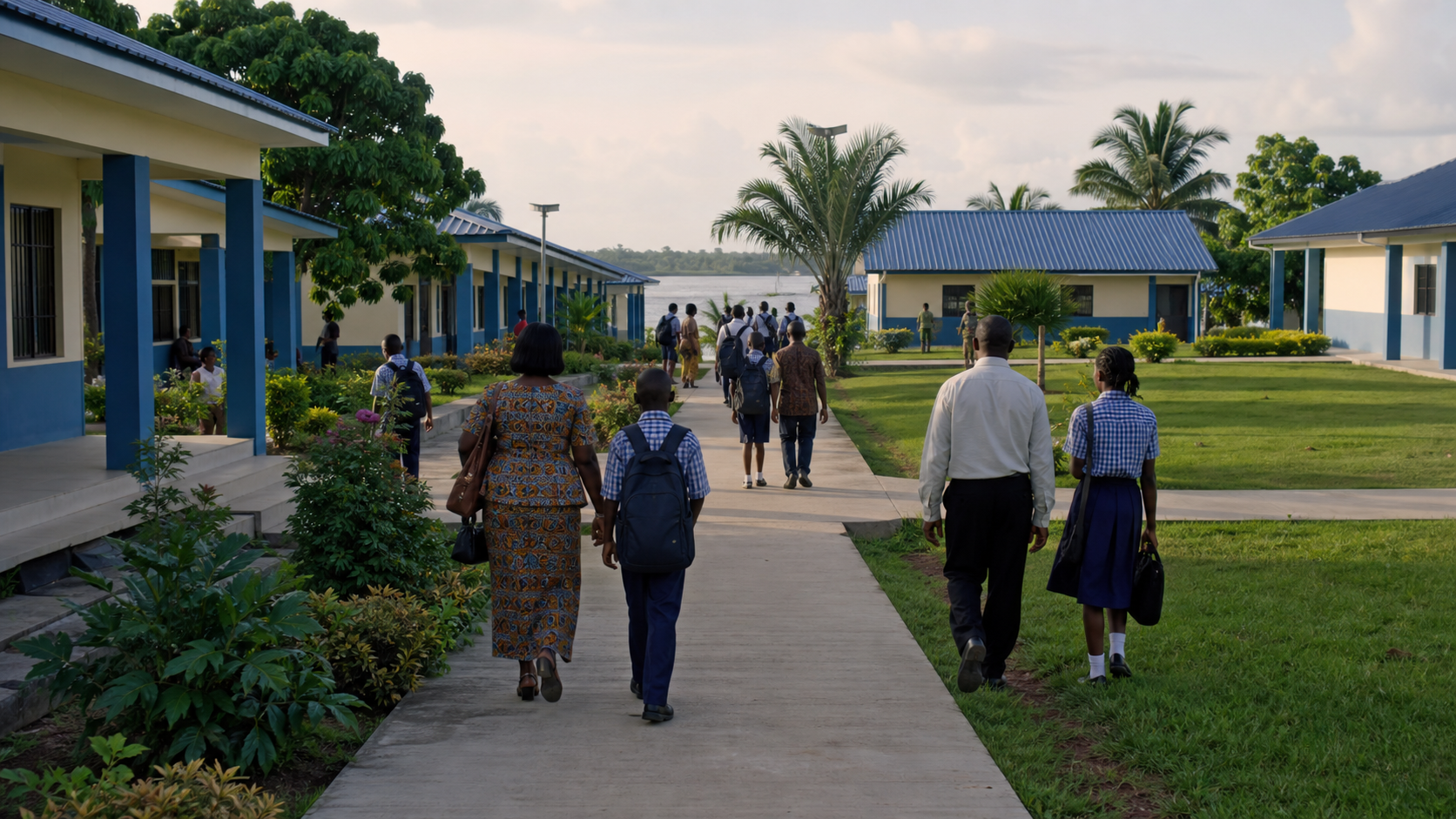
The reopening of Bonny National Grammar School after extensive rehabilitation is more than a physical transformation; it represents a renewed commitment to education in Finima and across Bonny Island. Commissioned by Rivers State Governor Siminalayi Fubara on 28 August 2026, the project fulfils a long-standing promise to the community. For parents, students, and local leaders, the renewed campus brings practical benefits—reduced travel burdens, safer learning environments, and greater confidence in public education. Yet, as the celebrations fade, the real work begins: ensuring the school delivers lasting value through quality teaching, inclusive access, and active community partnership.
Why a Local School Matters for Finima Families
For many households in Finima, the availability of a credible secondary school close to home changes daily life in meaningful ways. Before the rehabilitation, families often faced difficult choices—sending children to schools far from the island, incurring high transport costs, or risking interrupted education during adverse weather. A functioning local school reduces these pressures, allowing teenagers greater continuity in their studies and giving parents more opportunities to engage with school life.
Beyond convenience, a strong local institution becomes a hub for community activity. The school grounds can host clubs, career talks, sports events, and adult learning programmes, transforming education into a shared endeavour. When parents see tangible improvements in their children’s school, trust in public services grows, reinforcing the value of investing in local solutions.
In a riverine environment where movement can be costly and unpredictable, proximity to quality education is not just convenient—it is essential for equity and long-term development.
Maintenance and Management: Sustaining the Gains
The first test of the rehabilitation’s success lies in how well the school is maintained. Fresh paint and new roofs are only the beginning; without a clear plan for upkeep, facilities can deteriorate quickly. Responsibility for repairs, sanitation, water systems, and furniture must be clearly defined among school leaders, government officials, parent-teacher associations, and alumni groups.
A transparent maintenance log, accessible to the public, would help distinguish routine wear from neglect and ensure timely interventions. Regular inspections and preventative care—such as clearing drainage before rainy seasons—can extend the life of the infrastructure and protect the investment.
Community oversight is vital. When residents know how to report issues and see that their concerns are acted upon, they become partners in safeguarding the school, not just passive beneficiaries.
Ensuring Quality Teaching and Learning
A safe and welcoming campus means little without effective teaching. The renewed focus must shift to recruiting and supporting qualified teachers across core subjects—mathematics, English, sciences, technology, social studies, and vocational training. Reliable attendance, lesson planning, and access to up-to-date learning materials are far more influential on student outcomes than the appearance of a classroom.
Where staffing gaps exist, education authorities should publish vacancy details and a clear timetable for filling them. While community professionals and alumni can enrich learning through mentorship and career talks, they cannot replace the need for trained educators. Their role should complement, not substitute, formal instruction.
Investing in teacher welfare—such as timely salaries, professional development, and housing support where needed—will be crucial for retention and morale.
Linking Education to Bonny’s Evolving Economy
Young people in Finima grow up alongside major energy operations, maritime industries, conservation zones, and a growing digital economy. Their education should prepare them to engage with these sectors meaningfully. Career guidance programmes can introduce students to fields such as environmental science, engineering, health care, logistics, software development, media, entrepreneurship, and skilled trades.
Visits from working professionals are most valuable when they explain the qualifications, certifications, and daily habits required to succeed—not just job titles. Practical exposure helps students make informed choices about their futures.
Digital literacy deserves special attention. A computer room is only useful if devices are functional, internet is reliable, and teachers are trained to use technology effectively. A balanced curriculum should cover productivity tools, online safety, research skills, basic coding, and critical engagement with artificial intelligence—teaching students to verify information and create original work, not simply copy answers.
Making Inclusion a Measurable Priority
For the school to truly serve the whole community, inclusion must be intentional and measurable. Girls, students with disabilities, and learners from low-income families should face no barriers to access or participation. Safe, private sanitation facilities, clear safeguarding policies, and confidential reporting channels can improve attendance and well-being, particularly for adolescent girls.
Physical accessibility—such as ramps, wide entrances, and adaptable classroom layouts—must be paired with support for visual, hearing, and learning needs. Scholarships and material aid are most effective when application processes are transparent and widely communicated.
Parents also need clear information. Publishing the school calendar, attendance expectations, examination schedules, and key contacts strengthens accountability. Regular forums focused on data—attendance rates, subject performance, teacher coverage, and student welfare—can build trust and drive improvement.
How Finima Can Support the School’s Success
The school’s revival offers an opportunity for Finima’s traditional institutions, youth groups, women’s organisations, professionals, and businesses to contribute meaningfully. Rather than competing for visibility, coordinated efforts can prevent duplication—such as multiple donors providing the same item while critical needs go unmet. A shared needs register would help align support with actual priorities.
Contributions might include laboratory supplies, textbooks, internet data bundles, career mentoring, sports kits, art materials, or transport assistance for educational trips. Alumni networks can establish subject-specific prizes, internship links, or small grants for student innovation projects.
Residents also play a role in protecting the learning environment—reporting vandalism, discouraging encroachment on school grounds, and respecting school hours. When the community takes ownership, the benefits of rehabilitation endure long after the commissioning ceremony ends.
What this means
The commissioning of Bonny National Grammar School is a promising start, not an endpoint. Its true value will be measured in the months and years ahead—by consistent student attendance, motivated teachers, safe and functional facilities, and the growing number of young people who can confidently describe their next steps after graduation. If these indicators improve, the rehabilitation will stand as more than a restored building; it will become a living testament to what is possible when public promises are met with community action. For Finima and Bonny Island, this school is not just about bricks and mortar—it is about building a future where every child has the chance to learn, grow, and contribute to their homeland.
Prepared with AI assistance.
Discover more from FINIMA
Subscribe to get the latest posts sent to your email.
0 Comments