The Otobo Masquerade
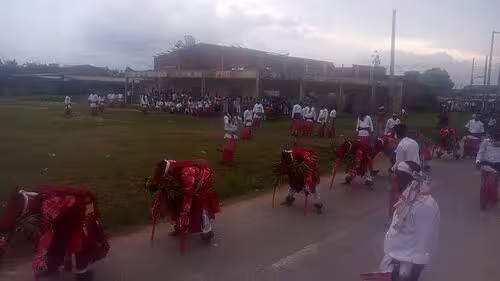
The Otobo Masquerade, commonly referred to as Owuogbo, is a fascinating cultural phenomenon deeply rooted in Yoruba traditions. Representing the hippopotamus, this masquerade is more than a mere performance; it embodies spiritual symbolism, communal values, and ancestral reverence. Celebrated predominantly among the Yoruba people of southwestern Nigeria, the Otobo Masquerade offers a vibrant display of artistry, storytelling, and cultural identity. This article delves into the origins, symbolism, rituals, and contemporary relevance of the Otobo Masquerade, highlighting its role as a living heritage that continues to inspire and unite communities.
Historical Origins of the Otobo Masquerade
The Otobo Masquerade traces its roots to ancient Yoruba mythology and traditional religious practices. Historically, the hippopotamus was revered for its strength, agility, and connection to water bodies considered sacred. The masquerade emerged as a cultural representation of these attributes, symbolizing power, protection, and spiritual guardianship within the community.
Oral traditions suggest that the Otobo Masquerade was initially performed as part of rituals to appease water deities and to invoke blessings for bountiful harvests and protection against natural calamities. Over time, it evolved into a prominent festival feature, blending entertainment with deep spiritual meaning.
The term ‘Owuogbo’ itself is derived from local dialects, encapsulating the essence of the hippopotamus and its mythological significance. This masquerade has been passed down through generations, serving as a cultural bridge that connects contemporary Yoruba society with its ancestral past.
Symbolism and Cultural Significance
At the heart of the Otobo Masquerade lies rich symbolism tied to the hippopotamus, an animal revered for its formidable presence and mysterious nature. The hippopotamus is seen as a guardian of rivers and lakes, embodying both physical strength and spiritual protection. The masquerade costume, featuring elaborate masks and body decorations, vividly portrays these traits.
The Otobo Masquerade also symbolizes resilience and communal harmony. In Yoruba cosmology, the masquerade is believed to mediate between the physical and spiritual worlds, ensuring societal balance and continuity. It acts as a conduit for ancestral spirits, conveying messages and blessings to the living.
Furthermore, the masquerade fosters social cohesion by bringing together different segments of the community during festivals. It is a source of pride and identity, celebrating Yoruba heritage and reinforcing shared cultural values through storytelling, music, and dance.
Costume and Artistic Elements of the Otobo Masquerade
The Otobo Masquerade costume is a spectacular display of craftsmanship and cultural expression. Central to the costume is the mask, often carved from wood and designed to resemble the hippopotamus with exaggerated features such as large eyes, ears, and teeth. The vibrant colors and intricate patterns enhance its visual impact during performances.
Complementing the mask are layered fabrics, beads, and cowries that adorn the masquerader’s body, symbolizing wealth and spiritual power. These materials are carefully selected to reflect traditional aesthetics and to invoke the presence of the hippopotamus spirit.
Artisans who create Otobo costumes are highly skilled, often inheriting their craft from ancestors. Their work is not only artistic but also spiritual, as each element is imbued with meaning intended to invoke protection, strength, and reverence during the masquerade’s enactment.
Performance and Ritual Practices
The Otobo Masquerade performance is a dynamic blend of dance, music, and ritual that captivates audiences. The masquerader moves with deliberate power and grace, mimicking the hippopotamus’s movements to convey its strength and presence. Drumming and chanting accompany the performance, creating an immersive sensory experience.
Rituals surrounding the masquerade often include offerings to water spirits and prayers for communal wellbeing. These ceremonies reinforce the sacred nature of the masquerade and its role in maintaining spiritual harmony. Elders and priests typically oversee these rites, ensuring adherence to tradition.
The performance is usually staged during festivals, funerals, or significant community events, marking important cultural milestones. It serves both as entertainment and as a spiritual function, bridging the gap between the living and ancestral realms.
The Role of the Otobo Masquerade in Contemporary Society
In modern times, the Otobo Masquerade remains a vibrant aspect of Yoruba cultural identity, adapting to contemporary contexts while preserving its traditional essence. It is featured prominently in cultural festivals, tourism, and educational programs aimed at promoting indigenous heritage.
The masquerade also plays a role in fostering cultural pride among younger generations, who are encouraged to learn about and participate in these traditions. This helps ensure the continuity of the art form and its relevance in a rapidly changing world.
Moreover, the Otobo Masquerade has gained recognition beyond its local setting, attracting scholars and cultural enthusiasts interested in Yoruba arts and spirituality. Its preservation is seen as vital to maintaining the cultural diversity and historical richness of Nigeria and Africa at large.
Challenges and Preservation Efforts
Despite its cultural importance, the Otobo Masquerade faces challenges such as urbanization, modernization, and declining interest among youth. These factors threaten the transmission of knowledge and the sustainability of traditional practices.
Preservation efforts are underway, involving collaboration between community leaders, cultural organizations, and government agencies. Initiatives include documentation, workshops, and festivals that showcase the masquerade and educate the public about its significance.
Additionally, digital media has become a powerful tool in promoting the Otobo Masquerade globally. Online platforms allow for wider dissemination of videos, articles, and interviews, creating new avenues for engagement and support.
Comparative Analysis with Other Yoruba Masquerades
The Otobo Masquerade shares similarities with other Yoruba masquerades such as Egungun and Gelede, all of which serve spiritual and social functions. However, Otobo’s unique representation of the hippopotamus distinguishes it through specific symbolism and performance styles.
While Egungun masquerades primarily honor ancestral spirits and Gelede celebrates female deities and social harmony, Otobo focuses on the power and protection associated with aquatic life. This diversity within Yoruba masquerades illustrates the richness of Yoruba cosmology and cultural expression.
Understanding these differences enhances appreciation for the Otobo Masquerade’s distinct role and highlights the complexity of Yoruba masquerade traditions as a whole.
The Future of the Otobo Masquerade
Looking ahead, the future of the Otobo Masquerade depends on sustained efforts to integrate tradition with modernity. Encouraging youth participation and incorporating contemporary artistic influences can revitalize interest while respecting cultural origins.
Educational institutions can play a pivotal role by including Yoruba cultural studies in their curricula, fostering awareness and appreciation from an early age. Community-driven programs and festivals will also remain essential in maintaining the masquerade’s relevance.
Ultimately, the Otobo Masquerade stands as a testament to the resilience and creativity of the Yoruba people. Its continued vibrancy will enrich cultural heritage and inspire future generations to cherish and uphold their ancestral legacies.
Conclusion
The Otobo Masquerade is a vibrant embodiment of Yoruba cultural identity, blending artistry, spirituality, and communal values into a captivating tradition. Its rich symbolism and dynamic performances continue to inspire and unite communities, serving as a bridge between past and present. While facing contemporary challenges, ongoing preservation and adaptation efforts promise a bright future for the Otobo Masquerade, ensuring that this unique cultural treasure remains a living testament to the enduring legacy of the Yoruba people.
Discover more from FINIMA
Subscribe to get the latest posts sent to your email.
0 Comments