Finima Nature Park
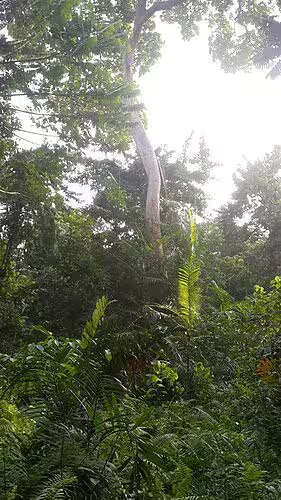
Finima Nature Park, located on Bonny Island in Rivers State, Nigeria, stands as a testament to the power of community-driven environmental stewardship. Established in 2001 through a collaborative agreement between the Nigerian Liquefied Natural Gas Company (NLNG) and the local communities of Finima and Bonny, the park was created to protect the region’s rich biodiversity and the natural environment’s sustainable functioning. Spanning over 1000 hectares, it serves as a vital green lung within the Niger Delta, offering a sanctuary for wildlife, a hub for ecological research, and an educational resource for the local populace. This article delves deep into the history, ecological significance, conservation strategies, community involvement, and future prospects of Finima Nature Park.
History and Establishment of Finima Nature Park
The origins of Finima Nature Park trace back to an agreement forged in 2001 between the Nigerian Liquefied Natural Gas Company (NLNG) and the indigenous communities of Finima and Bonny Island. This partnership aimed to preserve the forested areas of the Niger Delta, safeguarding their ecological integrity and cultural significance. Recognizing the urgent need to balance industrial development with environmental conservation, NLNG played a pivotal role in initiating this green space.
The establishment of the park was not only motivated by environmental concerns but also by the desire to protect the dignity and heritage of the local communities. The forest ecosystems within the park were traditionally integral to the livelihoods and cultural practices of the people of Finima and Bonny. By conserving these areas, the park helps maintain ecological balance and fosters a sense of pride among residents.
Since its inception, Finima Nature Park has evolved into a symbol of sustainable conservation in the Niger Delta. It represents a pioneering model where corporate social responsibility aligns with community interests to promote environmental stewardship. The park’s creation marked a significant milestone in Nigeria’s conservation efforts, emphasizing the importance of preserving natural habitats amid rapid industrial growth.
Biodiversity and Ecological Significance
Finima Nature Park boasts a remarkable array of biodiversity, encompassing various species of flora and fauna endemic to the Niger Delta region. The park’s ecosystems include tropical forests, wetlands, and mangrove swamps, which serve as critical habitats for numerous plants, birds, mammals, and aquatic life. This diversity underscores the park’s ecological importance as a biodiversity hotspot.
The park is home to several endangered and vulnerable species, making its conservation critical for regional and global biodiversity preservation. Birdwatchers and researchers often visit to observe rare avian species, while botanists study the unique plant life that thrives in this protected environment. The richness of life within the park contributes to ecosystem services such as carbon sequestration, water purification, and soil conservation.
Beyond species preservation, Finima Nature Park plays a vital role in maintaining ecological processes crucial to the Niger Delta’s environmental health. Its wetlands act as natural buffers against flooding and coastal erosion, while the forested areas support nutrient cycling and serve as carbon sinks. Protecting these ecosystems ensures the continued provision of these invaluable services to the local communities and beyond.
Conservation Management and Governance
Effective management of Finima Nature Park has been a collaborative effort involving multiple stakeholders. Initially, the Niger Delta Wetland Centre (NDWC) laid the foundation by establishing park infrastructure and developing management systems to oversee conservation activities. Their work included setting up boundaries, monitoring wildlife, and engaging local communities in stewardship.
In 2011, the Nigerian Conservation Foundation (NCF) took over the park’s management, building upon NDWC’s groundwork to enhance conservation strategies. NCF introduced scientific research initiatives, strengthened community institutional frameworks, and expanded environmental education programs. Their approach integrates biodiversity preservation with sustainable community development.
Security of the park’s biodiversity remains a top priority, with continuous efforts to prevent poaching, illegal logging, and habitat degradation. NCF collaborates with local communities to foster a sense of ownership and responsibility, encouraging residents to act as guardians of the park’s natural resources. This inclusive management model has proven effective in safeguarding the park’s ecological integrity.
Community Engagement and Educational Initiatives
Community involvement lies at the heart of Finima Nature Park’s conservation success. The park administration actively engages the local population through outreach programs, workshops, and participatory decision-making processes. These initiatives empower residents to contribute meaningfully to the park’s protection and to benefit from its resources sustainably.
One notable program is the establishment of school conservation clubs, where students learn about environmental stewardship and biodiversity. These clubs participate in tree planting, wildlife monitoring, and awareness campaigns, fostering a new generation of conservation advocates. The park also supports agricultural projects, such as crop nurseries and vegetable gardens, which provide livelihood opportunities while promoting sustainable land use.
Public education efforts extend beyond the local community, with the park hosting lectures, seminars, and guided tours that raise awareness about the importance of wetland conservation and ecosystem management. These activities help bridge the gap between scientific research and public understanding, making conservation accessible and relevant to a broader audience.
Research and Biodiversity Monitoring
Scientific research forms a cornerstone of Finima Nature Park’s conservation strategy. The park serves as a living laboratory where researchers study ecosystem dynamics, species behavior, and environmental changes. Data collected through monitoring programs inform adaptive management practices and contribute to broader ecological knowledge in the Niger Delta.
Biodiversity monitoring includes regular surveys of flora and fauna, tracking population trends and habitat conditions. These efforts help identify emerging threats such as invasive species, pollution, or climate impacts, enabling timely interventions. Collaborative partnerships with universities and research institutions enhance the scope and quality of these studies.
The park’s research initiatives also support conservation education by providing real-world examples and data for students and practitioners. By integrating scientific inquiry with community participation, Finima Nature Park fosters a holistic approach to ecosystem management that balances human needs with environmental sustainability.
Environmental and Socioeconomic Benefits
Finima Nature Park delivers significant environmental benefits by preserving vital ecosystems that regulate climate, water quality, and soil fertility. Its wetlands and forests act as natural buffers against extreme weather events, helping mitigate the effects of flooding and coastal erosion in the Niger Delta. This ecological resilience is crucial for the long-term sustainability of the region.
The park also contributes to the socioeconomic well-being of local communities. Through sustainable resource management and eco-friendly livelihood projects, residents gain access to food, medicinal plants, and income-generating activities. These initiatives reduce dependence on destructive practices like illegal logging and overfishing, promoting harmony between people and nature.
Moreover, Finima Nature Park enhances recreational and tourism opportunities on Bonny Island. Visitors are drawn to its scenic landscapes, rich biodiversity, and educational programs, which help diversify the local economy. The park thus represents a model where conservation and development coexist to the mutual benefit of nature and society.
Future Prospects and Conservation Challenges
Looking ahead, Finima Nature Park faces both opportunities and challenges in its quest to remain a bastion of conservation. Expanding community involvement and strengthening institutional frameworks will be essential to sustaining management efforts amid increasing environmental pressures. Continued funding and technical support from partners like NLNG and NCF will also play a critical role.
Climate change poses a significant threat to the park’s ecosystems, potentially altering rainfall patterns, sea levels, and species distributions. Adaptive management strategies that incorporate climate resilience will be necessary to safeguard biodiversity and ecosystem services. Integrating traditional ecological knowledge with scientific research can enhance these efforts.
Addressing illegal activities such as logging and hunting remains an ongoing challenge requiring vigilant enforcement and community collaboration. Enhancing public awareness and providing alternative livelihoods can reduce these pressures. Ultimately, the success of Finima Nature Park depends on the sustained commitment of all stakeholders to protect this invaluable natural heritage.
Conclusion
Finima Nature Park stands as a beacon of hope and resilience in the Niger Delta, showcasing how collaborative efforts between corporate entities, local communities, and conservation organizations can yield lasting environmental and social benefits. Its rich biodiversity, effective management, and community-centered approach provide a replicable model for sustainable conservation in Nigeria and beyond. As the park continues to evolve amidst emerging challenges, the unwavering commitment of all stakeholders will be vital to preserving this ecological treasure for future generations. Finima Nature Park is not only a sanctuary for wildlife but also a symbol of the harmonious coexistence between people and nature.
Discover more from FINIMA
Subscribe to get the latest posts sent to your email.
0 Comments