The Ancient Nigerian City of Finima and Its Unforgettable Culture
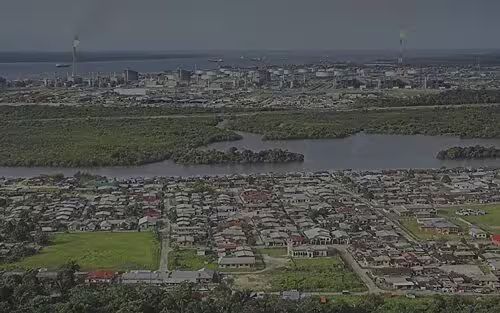
Nestled on Bonny Island in the Niger River Delta, the ancient city of Finima stands as a testament to Nigeria’s rich cultural tapestry and historical depth. Known for its strategic location and vibrant community, Finima has evolved over centuries into a unique blend of indigenous traditions and foreign influences. This city not only boasts remarkable landmarks but also preserves a culture that is both diverse and deeply rooted in its past. For travelers and history enthusiasts alike, Finima offers an unforgettable cultural journey into the heart of Nigeria’s heritage.
Geographical and Historical Setting of Finima
Finima is situated on Bonny Island, part of the Niger River Delta, a region renowned for its intricate waterways and rich natural resources. This strategic location has historically made Finima a vital trading hub, connecting inland communities with the Atlantic coast. The city's coastal position facilitated interactions with various traders, shaping its economic and cultural development over centuries.
The history of Finima traces back to at least the 11th century when it emerged as a thriving port for the exchange of goods like ivory, palm oil, and spices. Its prominence grew with the arrival of European traders in the 15th century, particularly the Portuguese, who established forts and trading posts. These early interactions laid the foundation for a unique cultural fusion that still characterizes the city today.
Throughout its history, Finima has witnessed various phases of growth and transformation. The influence of British colonialism later added another layer to its cultural fabric. Despite these external influences, Finima has maintained a distinct identity, preserving indigenous customs and traditions that continue to thrive alongside imported elements.
Architectural Heritage and Landmarks
Finima’s architectural landscape is a vivid reflection of its diverse historical influences. The city is home to several iconic landmarks, such as the Bonny Brown Major House, the Adum (Tamunobere) House, the Tobin House, and the Attoni House. These structures showcase a blend of indigenous design and European architectural styles, particularly Portuguese and British colonial aesthetics.
Many of these historic buildings were originally constructed as residences for influential families and traders, serving as both homes and centers of commerce. Their preservation offers a window into the social hierarchy and urban planning of ancient Finima, illustrating how the city balanced functionality with artistic expression.
In addition to residential architecture, remnants of Portuguese forts and trading posts punctuate the cityscape, underscoring Finima’s role in early global trade networks. These forts not only served defensive purposes but also acted as symbols of power and economic control, contributing significantly to the city’s historical narrative.
The Indigenous Language and Oral Traditions
The people of Finima primarily speak Ibani, a dialect of the Ijaw language family. This language is an essential vessel for transmitting the city’s rich oral traditions, folklore, and histories. Storytelling remains a critical cultural practice, preserving ancestral knowledge and community values across generations.
Oral traditions in Finima often encompass myths, legends, and proverbs that reflect the community’s worldview and social norms. These narratives are typically shared during festivals, family gatherings, and communal events, strengthening social bonds and cultural identity.
The Ibani language also influences local music, poetry, and ritual performances, embedding linguistic nuances in artistic expressions. Efforts to preserve and promote Ibani are vital to maintaining Finima’s cultural heritage, especially in the face of globalization and language shift.
Music, Dance, and Festivals of Finima
Finima’s cultural life is vibrantly expressed through its distinctive music and dance traditions. Percussion instruments like drums, bells, and metal gongs form the backbone of the city’s musical style, creating rhythmic patterns that accompany various ceremonies and celebrations.
Traditional dances in Finima are both a form of artistic expression and a means of storytelling. They often depict historical events, social values, and spiritual beliefs, performed during festivals, weddings, and religious rites. These performances foster community cohesion and cultural continuity.
Annual festivals in Finima attract both locals and visitors, offering immersive experiences of the city’s heritage. These events showcase elaborate costumes, masquerades, and communal feasts, highlighting the city’s ability to blend entertainment with cultural education.
Culinary Traditions: A Taste of Finima
Finima's cuisine reflects its multicultural heritage, blending indigenous Nigerian flavors with Portuguese and British influences. Local dishes are often prepared using fresh seafood, palm oil, and native spices, creating rich and hearty meals that satisfy both locals and visitors.
Signature dishes like jollof rice and palm oil rice are staples, often accompanied by soups such as ogbono and native fish soup. Another beloved dish is opopo, a combination of pounded yam and ripe plantain, typically served with pulo-so-ngi soup, offering a balance of sweet and savory flavors.
Food in Finima is not merely sustenance but a cultural expression that embodies community and tradition. Communal meals during festivals and family gatherings emphasize hospitality and reinforce social ties, making cuisine an integral part of the city’s cultural identity.
Traditional Arts and Craftsmanship
Artisans in Finima have long been celebrated for their skill in sculpture, textiles, and pottery, preserving ancient techniques passed down through generations. These crafts not only serve aesthetic purposes but also hold cultural and spiritual significance within the community.
Sculptures often depict ancestral figures, deities, and symbols of social status, crafted from wood and other natural materials. Textile production includes intricate weaving and dyeing, with patterns that tell stories or signify family lineage and social roles.
While modernization has challenged some traditional practices, local efforts to revive and sustain these arts continue. Artisans contribute to both cultural preservation and economic development, attracting interest from collectors and cultural tourists alike.
Economic Significance and Modern Development
Finima remains a crucial economic hub in Nigeria, particularly due to its role as a major port and gateway for goods and services. Its strategic location on Bonny Island positions it at the heart of the country’s shipping and oil industries, contributing significantly to regional and national economies.
The city hosts several oil production facilities, which have brought modernization and infrastructural development. Despite industrial growth, Finima strives to balance economic progress with the preservation of its cultural heritage, ensuring that development benefits the local community.
Additionally, educational institutions in Finima play a pivotal role in cultivating local talent and fostering a sense of pride in the city’s unique identity. These centers of learning support cultural initiatives and prepare future generations to uphold Finima’s legacy amid changing times.
Finima’s Role in Nigeria’s Cultural Landscape
Finima occupies a special place in Nigeria’s cultural mosaic, exemplifying how indigenous traditions can coexist and thrive alongside foreign influences. Its history as a trading port and colonial outpost has enriched its cultural expressions, making it a living archive of Nigeria’s multifaceted heritage.
The city’s contributions to music, art, and literature have influenced broader Nigerian cultural movements, with many renowned artists tracing their roots to Finima. Its festivals and cultural programs continue to attract attention, promoting intercultural dialogue and tourism.
Ultimately, Finima serves as a model for cultural resilience and adaptation. By embracing its past while engaging with contemporary realities, the city preserves an unforgettable culture that inspires both Nigerians and global visitors.
Conclusion
The ancient city of Finima stands as a vibrant testament to Nigeria’s rich cultural and historical heritage. Its unique blend of indigenous customs and foreign influences has created a dynamic culture that continues to thrive in the modern era. From its distinctive language and traditional arts to its celebrated cuisine and economic significance, Finima offers an unforgettable cultural experience. Preserving this heritage amid ongoing development ensures that future generations can continue to appreciate and celebrate the incomparable spirit of this ancient Nigerian city.
Discover more from FINIMA
Subscribe to get the latest posts sent to your email.
0 Comments