What the Alternative for Germany’s Saxony-Anhalt Victory Means for Bonny Island and Beyond
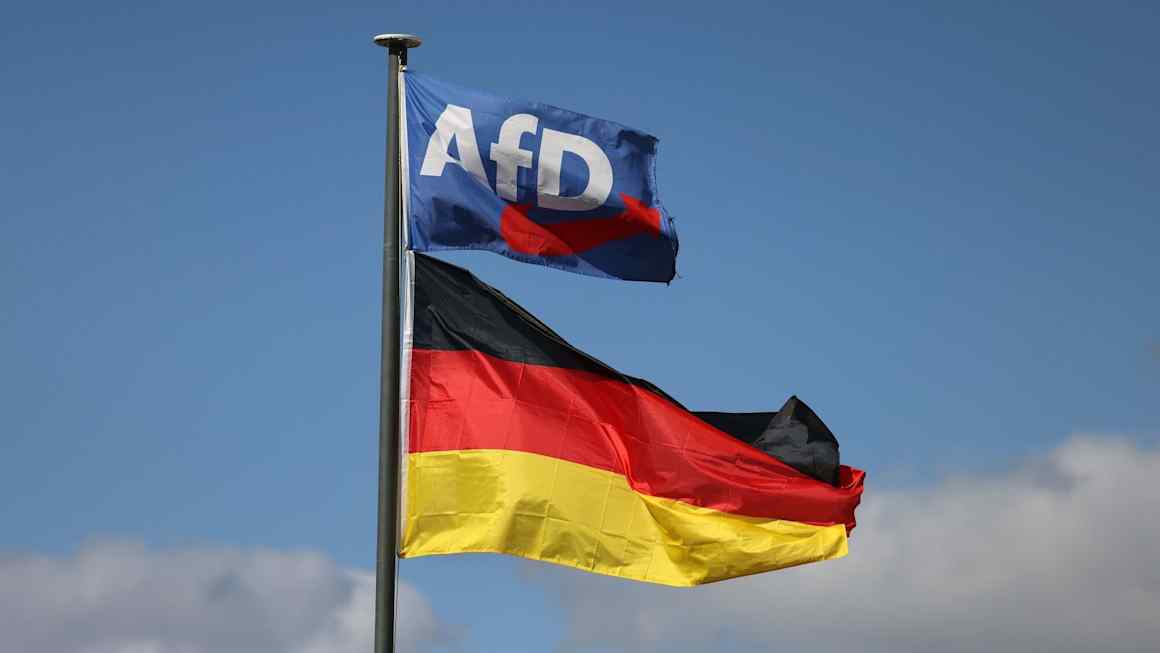
While the political landscape of Saxony-Anhalt, a state in Germany, may seem distant from the shores of Bonny Island in Rivers State, Nigeria, the rise of the Alternative for Germany (AfD) party there carries lessons and reflections for our local community. The AfD’s near breakthrough to lead a regional government marks a significant moment in postwar European politics. As residents of Bonny Kingdom, many of whom maintain strong ties with the diaspora, it is vital to understand how political shifts abroad can resonate with our own challenges and aspirations. This article explores the recent AfD victory in Saxony-Anhalt, its implications, and what it could mean for community engagement, governance, and social cohesion in Bonny Island.
A Historic Moment in Saxony-Anhalt Politics
In the recent state elections, the Alternative for Germany (AfD), a far-right political party, achieved a historic victory in Saxony-Anhalt. The party secured enough votes to become the largest faction in the state parliament, falling just three seats short of an outright majority. This near-win positions the AfD to potentially lead a regional government for the first time since World War II, a milestone that has sent ripples across Europe.
The AfD’s success is rooted in its strong stance on immigration, national identity, and skepticism of the European Union. Their rise reflects a broader trend of far-right movements gaining ground in various parts of Europe, fueled by economic uncertainty, cultural anxieties, and dissatisfaction with traditional political parties.
For Saxony-Anhalt, a region with its own economic challenges and demographic shifts, the AfD’s message resonated with many voters seeking change. However, the party remains isolated from forming coalitions with mainstream parties, which limits its ability to govern despite its electoral gains.
Why This Matters to Bonny Island and the Bonny Kingdom Community
At first glance, the political developments in a German state might appear unrelated to Bonny Island. Yet, the rise of far-right politics abroad serves as a cautionary tale and a point of reflection for our community. Bonny Kingdom, with its rich cultural heritage and evolving socio-political landscape, faces its own challenges around governance, youth empowerment, and social unity.
The AfD’s appeal to voters feeling left behind or unheard mirrors some of the frustrations expressed by young people and women in Bonny Island who seek more inclusive participation in local governance and economic opportunities. Understanding how political movements capitalize on these feelings can help local leaders and community groups to better engage residents and address their concerns before divisive narratives take hold.
Moreover, many Bonny residents have family abroad, including in Europe, and are keenly aware of how political changes overseas can affect diaspora relations, investments, and cultural exchanges. Keeping informed about these shifts strengthens the community’s ability to navigate global connections while preserving local identity.
Community Initiatives: Strengthening Youth and Women’s Voices
One of the key lessons from the AfD’s rise is the importance of inclusive governance and active community participation. In Bonny Island, efforts to empower youth and women are vital to building a resilient society that resists divisive politics.
Local organizations have been stepping up to provide platforms for young people to express their ideas and concerns. From cultural festivals celebrating Bonny heritage to entrepreneurship workshops, these initiatives foster a sense of belonging and purpose.
Women’s groups in Bonny have also been instrumental in promoting education, health awareness, and economic independence. Their leadership not only strengthens families but also contributes to more balanced decision-making at the community level.
By continuing to nurture these initiatives, Bonny Island can create a social environment where all voices are heard, reducing the appeal of exclusionary or extremist ideologies.
Local Governance and the Path Forward
The AfD’s near ascent to power underscores the critical role of transparent and responsive governance. For Bonny Island, local government officials and traditional leaders must prioritize openness, accountability, and community engagement.
Recent development projects in Bonny, including infrastructure improvements and youth empowerment programs, demonstrate progress but also highlight the need for sustained dialogue with residents. When people feel genuinely involved in decision-making, trust in leadership grows.
Additionally, addressing economic challenges such as unemployment and access to education remains essential. These factors often influence political attitudes and community cohesion. Collaborative efforts between government, civil society, and the private sector can drive meaningful change.
The Bonny Kingdom’s unique cultural identity is a source of strength that can guide governance approaches rooted in respect for tradition and innovation.
Looking Beyond Borders: The Diaspora’s Role
Bonny Island’s diaspora community plays a crucial role in shaping the future of the Kingdom. As political shifts occur globally, including the rise of parties like the AfD, the diaspora’s engagement with local affairs becomes even more important.
Diaspora members can serve as bridges for knowledge exchange, investment, and advocacy. Their experiences abroad offer valuable perspectives on governance, social inclusion, and economic development.
Maintaining strong ties between Bonny residents at home and those overseas helps build a united front against divisive politics and supports community-driven progress.
Efforts to strengthen diaspora networks through cultural events, business forums, and communication platforms are key to sustaining this connection.
What this means
The political developments in Saxony-Anhalt serve as a reminder that communities everywhere face challenges related to identity, governance, and inclusion. For Bonny Island and the wider Bonny Kingdom, these lessons reinforce the importance of nurturing a united, engaged, and empowered community. By investing in youth and women’s initiatives, fostering transparent governance, and maintaining strong diaspora ties, Bonny can chart a path toward sustainable development and social harmony. As our community continues to grow and evolve, staying informed about global trends will help us build a future rooted in shared values and collective progress.
Originally reported by ft.com. Adapted for our readers with AI assistance.
Discover more from FINIMA
Subscribe to get the latest posts sent to your email.
0 Comments