The 37.9 km Bodo–Bonny Road and the Proposed East–West Connection: What It Means for Finima
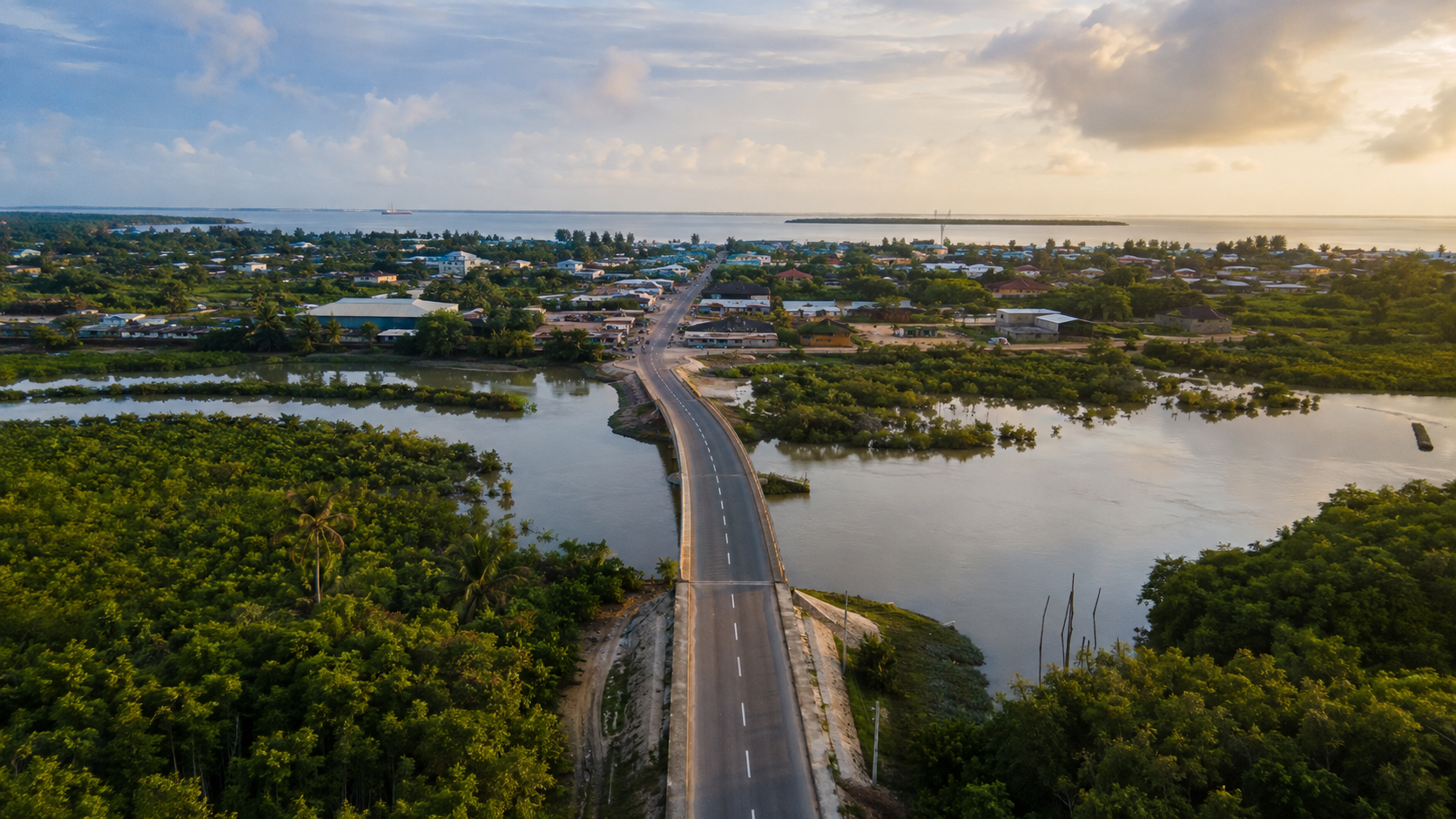
For generations, residents of Finima and the wider Bonny Island have relied on ferries and informal crossings to reach the mainland. The recent completion of the Bodo–Bonny Road has changed that reality, offering the first direct paved link across the water. Now, with plans announced for an 8.9 km extension to connect this route to the vital East–West Road, the island stands on the brink of a new era in accessibility and opportunity. Understanding the distinction between these two projects—and what each stage delivers—is essential for every household, trader, and community leader in Finima as we navigate the changes ahead.
Understanding the Two-Phase Road Project
The Bodo–Bonny Road itself spans approximately 37.9 kilometres, often rounded to about 40 km in public discussion. This completed infrastructure includes bridges and paved surfaces that now allow vehicles to travel directly from Bodo on the mainland to points on Bonny Island without relying on water transport. It is a standalone achievement that has already begun to reshape daily life for many who commute for work, education, or healthcare.
Crucially, this road is distinct from a separate proposal for an 8.9 km dualisation project. This second phase would not lengthen the original route but instead upgrade and extend it toward the East–West Road, a major arterial route linking parts of Rivers State. Confusing the two figures—37.9 km and 8.9 km—has led to misunderstanding in some conversations, but clarity is vital: the first number describes the existing road; the second describes a planned enhancement and connection. The 37.9 km figure refers specifically to the physical length of pavement and bridges already constructed and opened for use, while the 8.9 km relates to a future dual carriageway extension designed to improve traffic flow and regional integration.
Why Reliable Mainland Access Matters to Finima
Before this road, moving goods, people, or emergency services between Bonny Island and the mainland was subject to the vagaries of weather, boat availability, and ferry schedules. Traders faced delays in getting produce to market; patients sometimes struggled to reach hospitals in Port Harcourt; and students faced uncertain journeys to schools and colleges on the mainland.
Now, with a dependable road link, those challenges are significantly reduced. Supplies can arrive more consistently; medical referrals become easier to manage; and families can visit relatives across the water with greater predictability. For local businesses in Finima, the road opens possibilities for wider distribution of products like fish, palm oil, and handicrafts, while also making it simpler to receive inland goods for resale or use.
The proposed extension toward the East–West Road aims to deepen these benefits by integrating Bonny Island more fully into the regional transport network. With planned features such as two flyovers, solar-powered streetlights, and traffic monitoring systems, the upgrade is designed not just for capacity but for safety and sustainability. These elements reflect modern infrastructure standards aimed at reducing accidents, lowering energy consumption, and enabling real-time traffic management.
What Finima Residents Should Monitor as Plans Progress
As the 8.9 km dualisation moves from announcement to implementation, there are several key areas where community attention will be essential. First, access arrangements during construction must be clear—will existing routes remain open, and what provisions will be made for pedestrians and cyclists? Second, safety features such as lighting, signage, and emergency lay-bys need to be confirmed and maintained.
Third, opportunities for local employment and supplier engagement should be actively pursued. Historically, large infrastructure projects have sometimes overlooked host communities in favour of external contractors. Finima’s town unions, youth groups, and women’s associations have a role to play in advocating for inclusive hiring and procurement practices. Ensuring that residents benefit from jobs, training, and contracts is vital for equitable development.
Fourth, environmental protection remains a concern. Any roadworks near sensitive ecosystems must include measures to prevent erosion, protect waterways, and minimise disruption to mangroves and wildlife. Finally, residents should consider how the benefits of improved connectivity—such as reduced travel times and increased market access—can be shared equitably across all of Bonny Island’s communities, not just those nearest the new links. Community benefit agreements and local development funds are mechanisms that can help ensure broader societal gains.
The Road Ahead: From Announcement to Reality
The announcement of the East–West connection extension represents a significant milestone in policy and project development. However, as with any major infrastructure initiative, the journey from proposal to completion involves multiple stages: detailed design, procurement processes, contractor selection, and finally, construction. Each phase presents opportunities for public input and oversight.
Residents are encouraged to stay informed through official channels, including releases from the Federal Ministry of Works and the Federal Ministry of Information. Public consultations, environmental impact assessments, and progress updates should be made accessible, and community feedback mechanisms must be respected. Transparency in budgeting, timelines, and social impact plans is essential for building trust.
Transparency at each stage will help ensure that the project delivers not only on its engineering goals but also on its promise to serve the people of Bonny Island. By staying engaged, Finima can help shape a road that truly works for its residents—today and for generations to come. Active participation in monitoring committees and local advocacy groups can amplify community voices in decision-making processes.
What this means
The Bodo–Bonny Road and its planned extension are more than just engineering feats—they are lifelines that can strengthen Finima’s ties to the mainland and unlock new possibilities for its people. While the completed road has already begun to ease long-standing challenges of isolation, the proposed link to the East–West Road holds the potential to integrate Bonny Island more fully into Nigeria’s economic and social fabric. For this promise to be fulfilled, however, it must be guided by inclusivity, transparency, and a deep respect for the communities it aims to serve. As Finima watches this space, its voice—rooted in local wisdom and collective aspiration—will be essential in ensuring that progress does not leave anyone behind.
Prepared with AI assistance.
Discover more from FINIMA
Subscribe to get the latest posts sent to your email.
0 Comments