Austria Transforms Hitler’s Birthplace into Police Station to Counter Neo-Nazi Pilgrimage
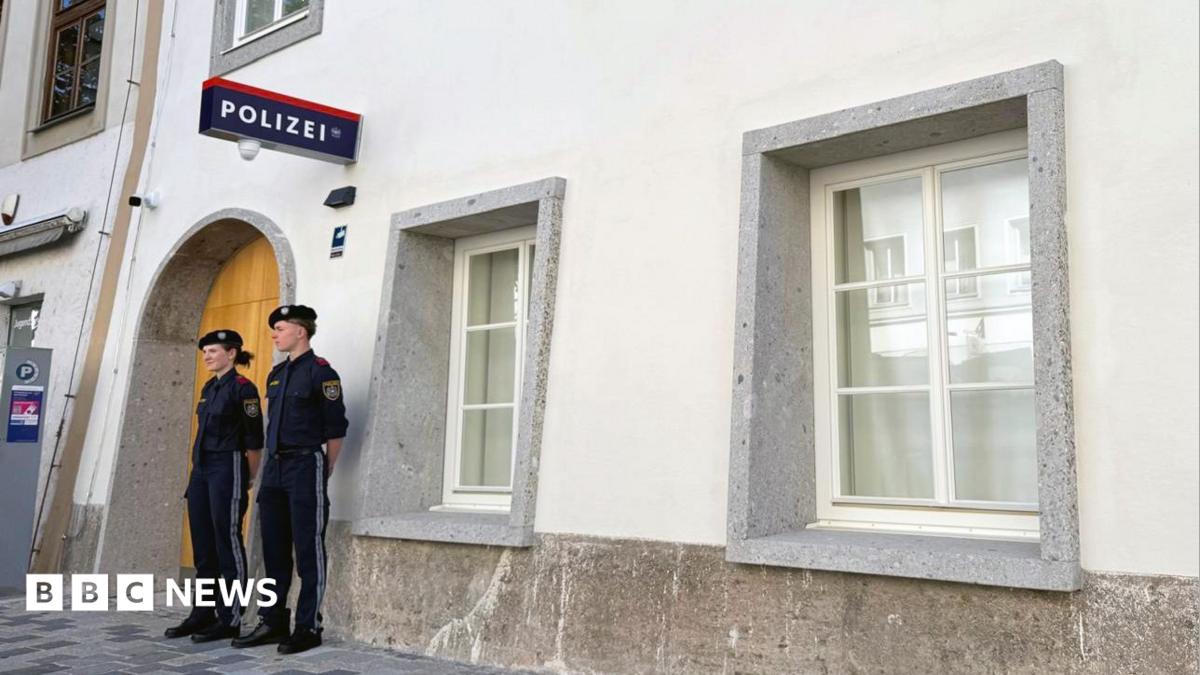
Adolf Hitler’s birthplace in Braunau am Inn, Austria, has long been a controversial site. Historically, it attracted neo-Nazi sympathizers who viewed the location as a symbolic pilgrimage destination. In response to this troubling trend, the Austrian government has taken decisive action by converting the building into a police station. This article delves into the background of the transformation, the motivations behind it, and its broader implications for Austria’s efforts to combat extremism and preserve historical memory responsibly.
Historical Significance of Hitler’s Birthplace
Adolf Hitler was born on April 20, 1889, in a modest house located in Braunau am Inn, a small town in Austria near the German border. The site holds a profound historical significance due to its association with the dictator responsible for instigating World War II and the Holocaust. Over the years, the building has become a focal point of debate regarding how to handle sites associated with dark historical legacies.
After World War II, the Austrian government struggled with how to manage the property. Various proposals were made, ranging from demolition to repurposing, reflecting the sensitive nature of confronting Austria’s role in the Nazi era. The building remained under state ownership but was largely unused, attracting unwanted attention from extremist groups.
The building’s symbolic value has made it a magnet for neo-Nazi pilgrims. These far-right extremists viewed visiting the birthplace as a form of homage, often conducting rallies or leaving graffiti, which further complicated efforts to maintain public order and combat hate speech in the region.
Rise of Neo-Nazi Pilgrimage and Its Challenges
In recent decades, the phenomenon of neo-Nazi pilgrimage to Hitler’s birthplace has posed significant social and security challenges. Far-right groups from across Europe have traveled to Braunau am Inn to pay tribute, often provoking local and international condemnation. Such activities have been linked to the spread of extremist ideologies and hate crimes.
Local residents and authorities faced the challenge of balancing the preservation of historical memory with preventing the site from becoming a shrine for hate groups. The presence of neo-Nazi visitors often created tension and fear within the community, undermining social cohesion and Austria’s image as a democratic nation.
Efforts to monitor and restrict extremist gatherings were complicated by legal and ethical considerations. Authorities had to ensure that any measures taken respected civil liberties while effectively curbing hate-driven activities. This delicate balance necessitated innovative and decisive approaches to managing the site.
Government’s Decision to Repurpose the Building
In 2016, the Austrian government announced plans to repurpose Hitler’s birthplace to prevent its misuse by extremists. After extensive deliberation, the decision was made to convert the building into a police station. This move was intended to symbolize the state’s commitment to law enforcement and social order, while actively discouraging neo-Nazi pilgrimages.
The transformation of the building into a police station serves multiple purposes. It physically restricts access for extremist activities, provides a visible law enforcement presence, and reclaims the space as a symbol of public safety rather than hate. This practical approach also reflects a shift in how Austria confronts its historical legacies.
The government’s decision was met with a mix of support and criticism. Advocates praised the initiative as a proactive step against extremism, while some questioned whether repurposing the site sufficiently addressed broader issues related to historical memory and education about the Nazi era.
Implementation and Architectural Changes
The conversion of Hitler’s birthplace into a police station involved significant architectural and security modifications. Authorities ensured that the building’s historic facade remained intact to preserve its cultural heritage while adapting the interior to meet modern law enforcement needs. This approach balanced respect for history with functional requirements.
Security measures were enhanced to prevent vandalism and unauthorized gatherings. Surveillance systems, secure access points, and reinforced structural elements were incorporated to protect both the building and the officers stationed there. These upgrades were essential to deter extremist activities and maintain public order.
Community input was sought during the planning phase to address local concerns and foster transparency. This collaborative approach helped build trust between residents, authorities, and policymakers, ensuring that the transformation was sensitive to the town’s social dynamics and historical context.
Impact on Neo-Nazi Activities and Local Community
Since the building’s conversion, there has been a noticeable decline in neo-Nazi pilgrimages to Braunau am Inn. The presence of police officers and the functional use of the space have made it less attractive as a symbolic site for extremist gatherings. This development marks a significant victory in Austria’s fight against far-right extremism.
For the local community, the transformation has brought a sense of relief and renewed pride. Residents no longer face the disruption and intimidation associated with extremist visitors. The police station also contributes to general safety and security, enhancing the quality of life in the town.
However, experts note that while the physical deterrent is effective, combating neo-Nazi ideology requires ongoing educational and social initiatives. The site’s repurposing is one part of a broader strategy that includes promoting historical awareness, tolerance, and democratic values.
Austria’s Broader Efforts Against Extremism
Austria has implemented multiple measures to counteract far-right extremism beyond repurposing Hitler’s birthplace. These include stricter hate speech laws, enhanced surveillance of extremist groups, and educational programs aimed at fostering democratic values among youth. The government’s comprehensive approach reflects recognition of the multifaceted nature of extremism.
Partnerships with civil society organizations and international cooperation have played critical roles in Austria’s strategy. By collaborating with NGOs, educators, and law enforcement agencies across Europe, Austria aims to share best practices and strengthen its capacity to identify and prevent radicalization.
Public awareness campaigns have also been instrumental in challenging neo-Nazi narratives and promoting social inclusion. These initiatives encourage citizens to recognize and reject extremist ideologies, fostering resilience within communities vulnerable to radicalization.
Controversies and Ethical Considerations
The decision to convert Hitler’s birthplace into a police station has sparked debates about how societies should handle sites linked to traumatic historical events. Some argue that any preservation risks glorifying negative legacies, while others emphasize the importance of confronting history openly to prevent repetition.
Ethical questions also arise regarding the balance between security and civil liberties. The presence of police and surveillance may deter extremist activities but could also raise concerns about privacy and freedom of assembly. Austria’s approach attempts to navigate these complexities through transparency and community engagement.
Moreover, the site’s transformation challenges narratives about collective memory and responsibility. By reclaiming the space for public service, Austria signals a commitment to learning from history and rejecting ideologies of hate, setting an example for other nations grappling with similar issues.
Future Outlook and Lessons Learned
Austria’s innovative approach to managing Hitler’s birthplace offers valuable lessons for other countries facing challenges posed by extremist appropriation of historic sites. Repurposing controversial locations into functional public spaces can effectively disrupt extremist symbolism while serving community needs.
Moving forward, Austria plans to continue monitoring the site and integrating it into broader educational frameworks that promote historical understanding and democratic values. This holistic strategy aims to address the root causes of extremism rather than solely focusing on physical deterrence.
The success of this initiative underscores the importance of proactive government action combined with community involvement. By confronting difficult aspects of history openly and responsibly, societies can build resilience against hate and foster inclusive, peaceful environments.
Conclusion
Austria’s decision to transform Adolf Hitler’s birthplace into a police station represents a decisive and innovative step in countering neo-Nazi extremism. By reclaiming a site fraught with historical pain and symbolism, the Austrian government not only curbed the physical manifestation of extremist homage but also sent a powerful message about confronting and learning from the past. This approach, combined with wider educational and legal measures, underscores Austria’s commitment to fostering a society rooted in democratic values and social cohesion. As nations worldwide grapple with the legacy of dark chapters in history, Austria’s experience provides a compelling example of how to balance remembrance, responsibility, and resilience in the face of extremism.
Originally reported by bbc.co.uk. Adapted for our readers with AI assistance.
Discover more from FINIMA
Subscribe to get the latest posts sent to your email.
0 Comments