Trump Challenges Court Order on Kennedy Center Name Amid $257 Million Renovation Debate
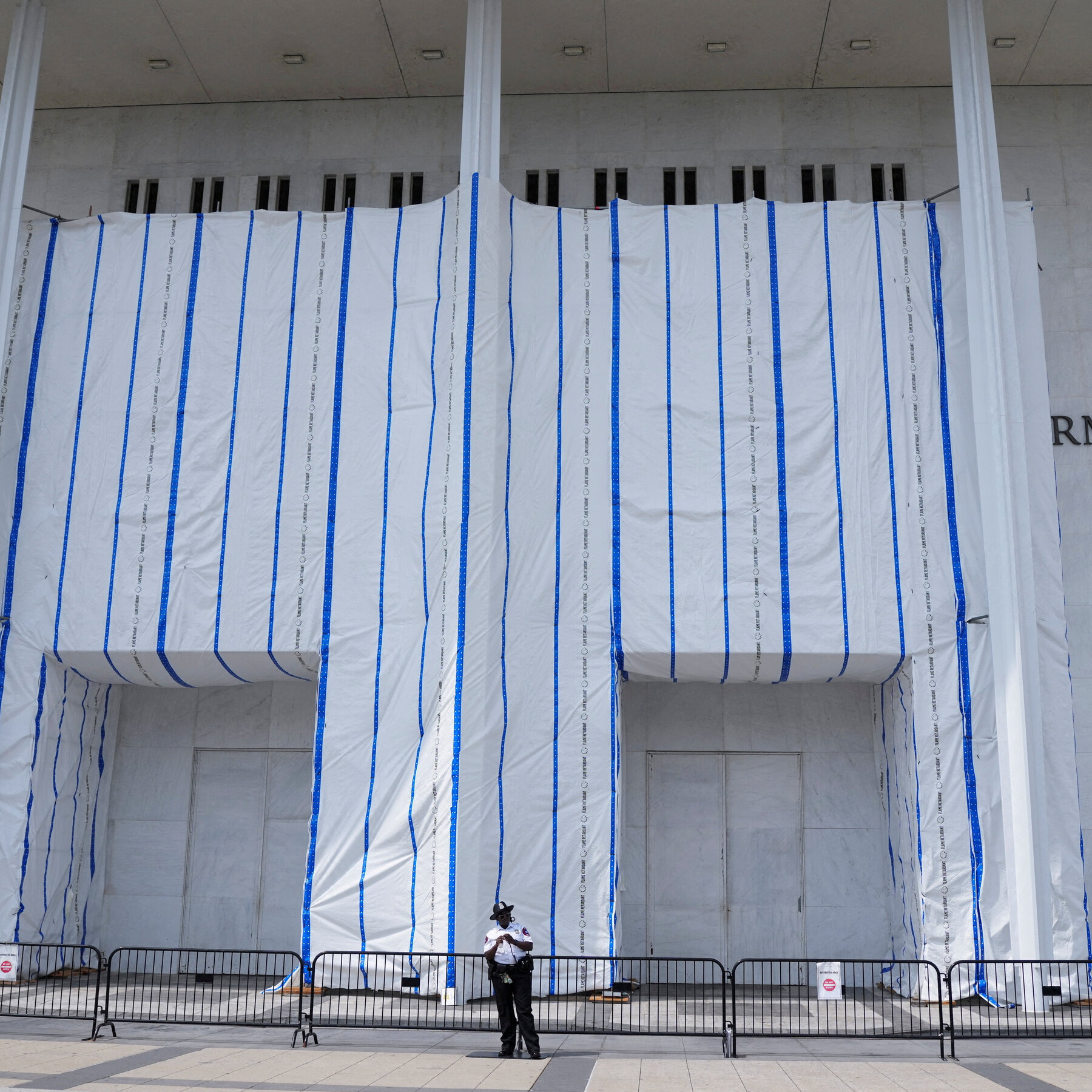
The Kennedy Center, a prestigious performing arts venue known nationwide, has recently become the center of a legal and political standoff involving former President Donald Trump. A judge ordered that Trump's name be removed from the center, prompting Trump to threaten the cancellation of a substantial $257 million renovation project. This conflict touches on issues of legacy, cultural heritage, and community development, with implications that resonate beyond Washington, D.C., reaching communities like those in Finima and Bonny Island who value cultural institutions and their role in society.
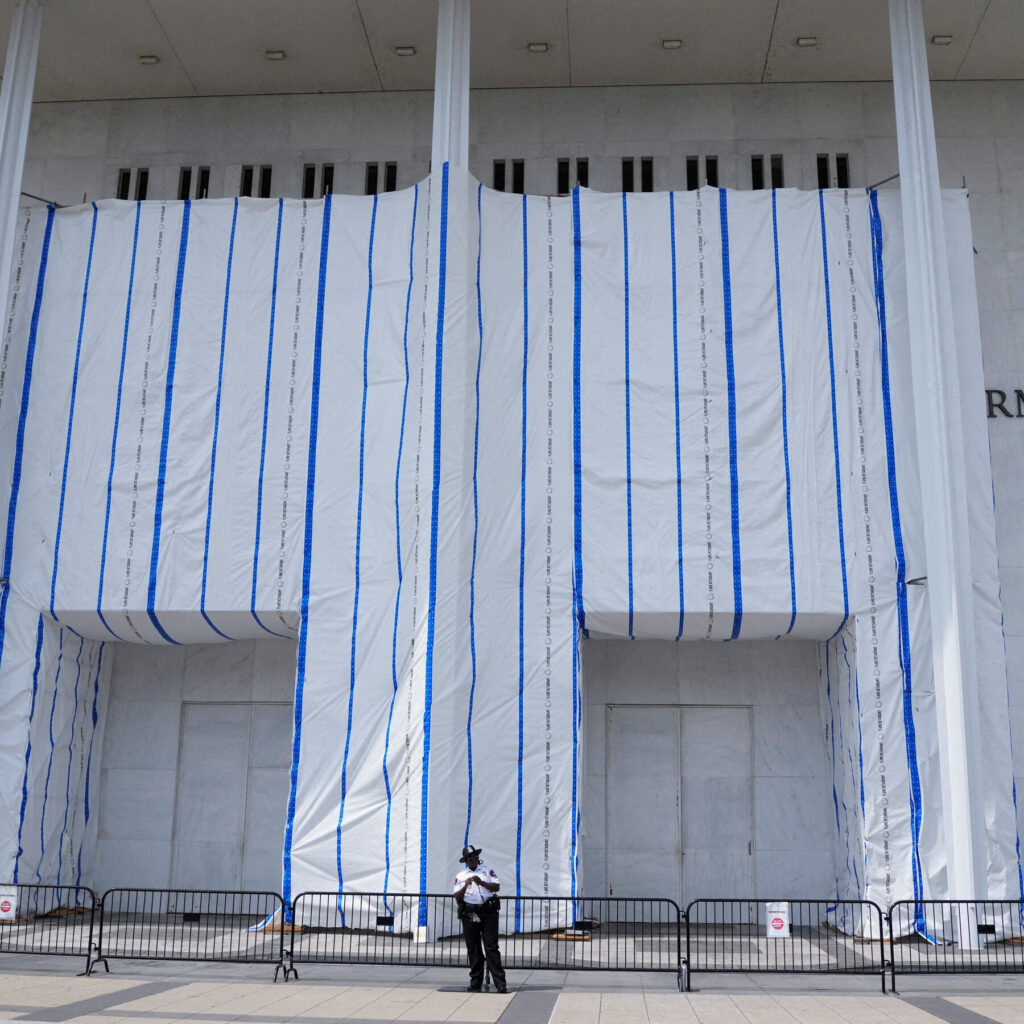
Background of the Kennedy Center Name Dispute
The Kennedy Center stands as a symbol of American performing arts and cultural achievement, hosting countless artists and audiences since its inception. The recent controversy arose when a judge ruled that former President Donald Trump's name must be removed from the center's inscription, a decision that has ignited intense debate about the appropriateness of associating political figures with cultural landmarks.
This legal ruling has sparked broader conversations about how public spaces commemorate leaders and the impact such decisions have on collective memory. For communities like Bonny Island and Finima, where cultural pride and heritage are deeply cherished, this dispute echoes familiar themes regarding the honoring of history and leadership. It raises important questions about the intersection of politics and culture, and how these domains influence societal values and identity.
Trump’s Response and the Threat to Renovations
In direct response to the judge's ruling, former President Trump issued a strong warning: if the ban on his name is not overturned, he will cancel the $257 million renovation project planned for the Kennedy Center. This renovation is a significant undertaking aimed at modernizing the venue’s facilities to better serve artists, audiences, and the broader community.
Trump’s threat places the future of this ambitious renovation—and by extension, the center’s role as a cultural hub—in jeopardy. The potential halt of the project raises concerns among arts advocates and community members alike, including those in Rivers State, who see such investments as vital to cultural enrichment and economic development. This situation highlights how political disputes can have tangible effects on cultural infrastructure and community progress.
Implications for Cultural and Community Development
The Kennedy Center renovation is more than a physical upgrade; it represents a commitment to nurturing the arts as a catalyst for inspiration and empowerment. For communities like Bonny Island and Finima, where youth and women’s initiatives often rely on cultural platforms for expression and growth, the center’s advancement is a beacon of opportunity.
The potential cancellation of the renovation due to political disagreements underscores the vulnerability of cultural projects to external conflicts. It serves as a cautionary tale about how partisan disputes can stall or derail initiatives that benefit local communities and the public at large.
Moreover, this episode invites reflection on the importance of advocating for cultural spaces that transcend political divides. Such venues should remain inclusive and supportive of all residents, including diaspora communities who look to these institutions as symbols of identity, pride, and connection.
Community Perspectives and the Role of Local Governance
Local leaders and governance bodies in Bonny Kingdom and Rivers State frequently navigate the challenge of balancing political interests with community needs. The Kennedy Center case exemplifies the critical role of transparent and community-focused decision-making in cultural affairs.
For residents, particularly women and youth groups engaged in cultural and empowerment activities, safeguarding cultural institutions from political turbulence is essential. The situation highlights the responsibility of local governance to mediate conflicts and ensure that development projects proceed without undue interference.
Voices from Bonny and Finima can draw valuable lessons from this episode, advocating for stronger protections for cultural spaces and fostering dialogue that prioritizes collective heritage over partisan disputes. Such advocacy is crucial for maintaining the integrity and sustainability of cultural institutions.
Looking Ahead: Navigating Legacy, Culture, and Development
As the Kennedy Center dispute unfolds, it offers a broader lesson on how communities manage the legacies of political figures within cultural contexts. For Bonny Island and Finima, where history and tradition are vital to community identity, the challenge lies in honoring cultural heritage while fostering inclusive growth and unity.
The outcome of this legal and political standoff will likely influence how similar issues are addressed both locally and nationally. It underscores the necessity of community engagement, thoughtful governance, and resilience in the face of challenges that threaten cultural and developmental progress.
Ultimately, the hope is for a resolution that preserves the Kennedy Center’s role as a beacon of the arts, ensuring it continues to inspire and serve diverse communities, including those in Nigeria’s Rivers State and beyond. This case stands as a reminder of the enduring power of cultural institutions to unite people across political and geographic boundaries.
What this means
The Kennedy Center name dispute and the threatened cancellation of its major renovation project bring to light the complex relationship between politics and culture. For communities in Bonny Island, Finima, and the wider Rivers State, this episode is a reminder of the importance of safeguarding cultural spaces that serve as pillars of identity and empowerment. As local leaders and residents navigate their own challenges, the Kennedy Center case underscores the value of community-focused governance and resilient cultural development. Moving forward, prioritizing inclusivity and heritage preservation will be essential to ensuring that cultural institutions continue to enrich lives, both at home and in the diaspora.
Source: Trump Fights Back After Judge Says Name Must Stay Off Kennedy Center via www.nytimes.com.
This article was curated with AI assistance and reviewed according to Tamfis editorial settings.
Discover more from FINIMA
Subscribe to get the latest posts sent to your email.
0 Comments