APC, PDP Go back-and-Forth over Osun govt tractor procurement
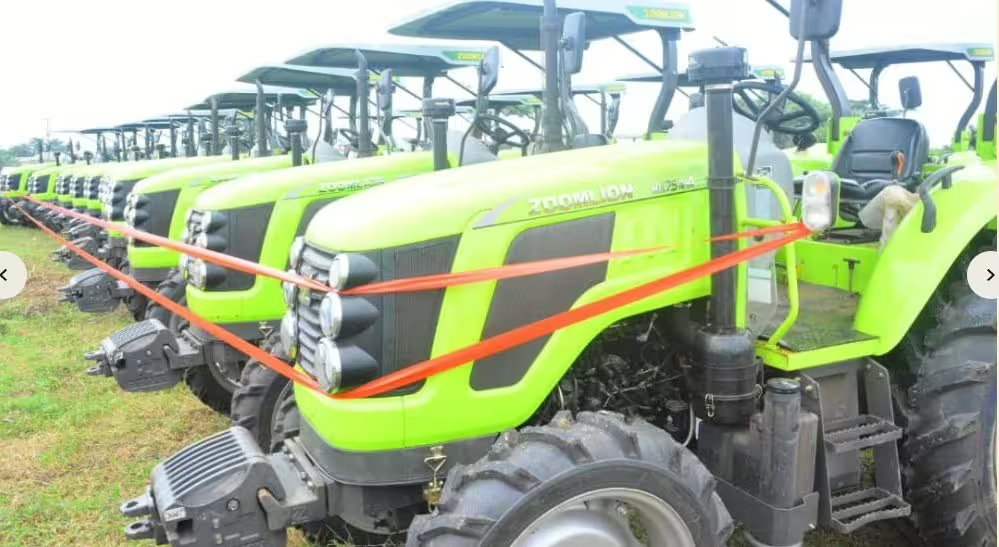
The procurement of tractors by the Osun State government has sparked a heated debate between the ruling Peoples Democratic Party (PDP) and the opposition All Progressives Congress (APC). While the government claims the purchase is part of a strategic plan to revitalize agriculture, the opposition has raised questions about the quantity, budgetary allocations, and transparency surrounding the acquisition. This article explores the multifaceted arguments presented by both parties, the political context, and the potential impact on Osun's agricultural sector.
Background of the Tractor Procurement in Osun State
In August, the Osun State government announced the procurement of a significant number of tractors aimed at boosting agricultural productivity. This initiative is part of Governor Ademola Adeleke’s broader 5-point campaign agenda, which emphasizes agricultural revitalization among other developmental goals. The tractors are intended to support farmers and enhance mechanized farming across the state.
The tractor procurement was publicly unveiled with the promise of delivering 72 tractors to the farming communities. The government allocated a substantial budget, reportedly amounting to N10 billion, to fund the purchase of these tractors and associated farming inputs. This move was widely seen as a commitment to reinvigorate agriculture, which is a critical sector for Osun’s economy.
However, the announcement did not go unchallenged. The opposition APC quickly raised concerns about the actual number of tractors procured, budgetary transparency, and the authenticity of the government’s claims. This has led to a political back-and-forth that highlights deeper issues related to governance and accountability in Osun State.
PDP’s Defense of the Tractor Procurement
The PDP, through its Deputy Director of Media and Publicity, James Bamgbose, strongly defended the government’s tractor procurement. The party accused the APC of lacking understanding of governance fundamentals and described their criticisms as misinformed and politically motivated. According to the PDP, Governor Adeleke’s administration is dedicated to delivering on its campaign promises, with agriculture being a key focus.
Bamgbose emphasized that during APC’s 12-year rule in Osun, no new tractors were added to the state’s inventory. Instead, the APC administration allegedly sold off tractors that were previously purchased by the PDP government. This, the PDP argues, demonstrates a legacy of mismanagement and neglect of the agricultural sector under APC’s tenure.
Furthermore, the PDP highlighted that the announcement of a N10 billion investment in agriculture does not imply that the entire amount has been spent but reflects the government’s commitment to the sector. They also indicated openness to supplementary budgets to cover any remaining costs, countering APC’s claims about budget inconsistencies.
APC’s Criticism and Skepticism
The APC’s Osun State chapter, led by Chairman Tajudeen Lawal, expressed disappointment over the tractor procurement process. The party pointed out that only 31 or 32 tractors were unveiled, far fewer than the 72 tractors initially announced by the state government. This discrepancy has fueled public skepticism about the government’s transparency and credibility.
Lawal also questioned the financial figures involved, noting that the 2024 budget allocates only N3.7 billion to agriculture, which contradicts the government’s claim of spending N10 billion on tractors and farming inputs. This inconsistency raised concerns about where the additional funds are coming from and how they are being managed.
Moreover, the APC alleged that the state government might not have outrightly purchased the tractors but facilitated a business arrangement wherein farmers would acquire the tractors on a hire-purchase or installment basis. This suspicion has further eroded trust and demanded clarification from the government.
Political Implications of the Tractor Procurement Dispute
The tractor procurement controversy underscores the intense political rivalry between the PDP and APC in Osun State. Both parties are leveraging the issue to assert dominance and sway public opinion ahead of upcoming elections. The PDP aims to showcase its commitment to development, while the APC seeks to highlight perceived governance failures.
This dispute also reflects broader challenges in Nigerian politics where government projects and expenditures often become battlegrounds for political contestation. Trust deficits between ruling parties and opposition groups tend to exacerbate skepticism among citizens regarding government initiatives.
In Osun, the tractor procurement debate has become symbolic of the contrasting narratives each party promotes: PDP’s narrative of progress and revitalization versus APC’s emphasis on accountability and exposing alleged government shortcomings.
Agricultural Sector and Economic Impact
Agriculture remains a cornerstone of Osun State’s economy, providing livelihoods for a significant portion of the population. Mechanized farming through tractor use is essential for increasing productivity, reducing labor intensity, and improving food security. Therefore, the procurement of tractors is an important development for the sector.
If effectively implemented, the tractor acquisition could empower farmers, enhance crop yields, and stimulate rural economic growth. It aligns with the state government’s objective to modernize agriculture and attract young people to farming as a viable career.
However, the political controversy surrounding the procurement risks undermining these potential benefits. Distrust and confusion may delay the distribution and proper utilization of the tractors, ultimately affecting the agricultural revitalization efforts.
Budgetary Concerns and Transparency Issues
The conflicting figures regarding budget allocations for agriculture have brought transparency issues to the forefront. While the government claims a N10 billion investment, the official 2024 budget lists only N3.7 billion for the sector. This discrepancy demands detailed explanation to maintain public confidence.
Transparency in public spending is critical for good governance and accountability. Without clear information on how funds are allocated and spent, suspicions and misinformation can thrive, detracting from the actual developmental goals.
The PDP has indicated willingness to provide supplementary budgets if necessary, but the APC insists that full disclosure and clarity are required. Resolving these budgetary concerns is essential to quelling the dispute and ensuring that the agricultural sector receives adequate funding.
Public Perception and the Role of Media
Public perception of the tractor procurement has been influenced heavily by the narratives presented by both parties and the media coverage. Enthusiastic farmers and residents initially welcomed the announcement but grew wary following the APC’s revelations and questions.
Media outlets play a crucial role in shaping the discourse by providing balanced reporting and fact-checking claims made by political actors. Responsible journalism can help clarify the facts, dispel rumors, and promote informed public debate.
The ongoing coverage of this issue highlights the importance of transparency and communication between government and citizens. Clear messaging and timely updates can restore confidence and ensure that development projects are embraced rather than politicized.
Path Forward: Recommendations for Resolution
To resolve the tractor procurement controversy, the Osun State government should prioritize transparency by releasing detailed procurement documents, budgetary breakdowns, and timelines for tractor distribution. This openness would address public concerns and reduce speculation.
Engagement with stakeholders—including farmers, opposition parties, civil society groups, and media—is vital to foster dialogue and build consensus around agricultural development goals. Such collaboration can depoliticize the issue and focus efforts on practical outcomes.
Additionally, establishing oversight mechanisms to monitor the implementation of the tractor program will enhance accountability. Regular progress reports and feedback channels can ensure that the tractors reach intended beneficiaries and contribute to the state’s agricultural revitalization.
Conclusion
The dispute between Osun State’s APC and PDP over the tractor procurement highlights the complexities of governance, political rivalry, and development in Nigeria. While the government’s initiative to revitalize agriculture through mechanized farming is commendable, the controversy underscores the importance of transparency, accountability, and effective communication. Moving forward, both parties and stakeholders must prioritize the welfare of farmers and the state’s economic growth over political point-scoring. Through openness, collaboration, and diligent oversight, Osun can harness this opportunity to strengthen its agricultural sector and improve livelihoods.
Originally reported by tracknews.ng. Adapted for our readers.
Discover more from FINIMA
Subscribe to get the latest posts sent to your email.
0 Comments