Minister petitions NSA, IG over abducted Kaduna doctor
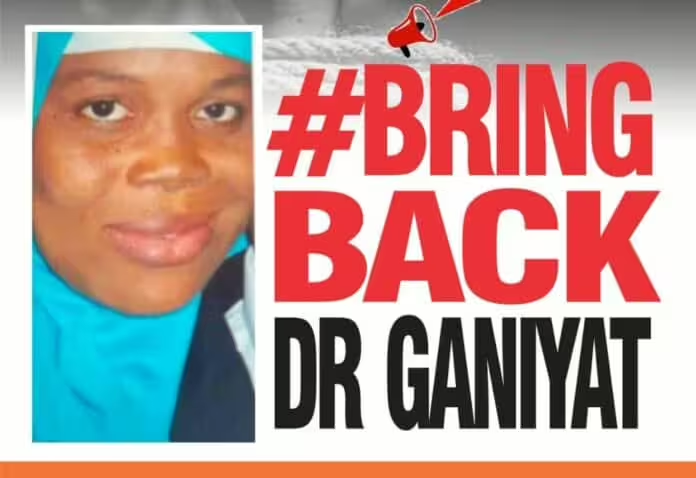
The abduction of medical professionals in Nigeria has become an alarming trend, threatening not only individual lives but also the delivery of critical healthcare services. One such case is that of Dr Ganiyat Popoola, a registrar in Kaduna, who was kidnapped in December and has remained in captivity for almost eight months. In a recent development, the Coordinating Minister of Health and Social Welfare, Prof Muhammad Pate, has petitioned top security officials—the National Security Adviser, Nuhu Ribadu, and the Inspector-General of Police, Kayode Egbetokun—to intensify efforts toward her rescue. This article delves into the details of the abduction, the minister's intervention, the security challenges in Kaduna State, and the broader implications for Nigeria’s health sector and public safety.
Background of the Abduction Incident
Dr Ganiyat Popoola, a respected medical registrar based in Kaduna State, was abducted in December during an incident that has since drawn national attention. The circumstances surrounding her kidnapping remain partly unclear, but initial reports suggest that armed assailants intercepted her vehicle en route to her workplace. The incident has raised concerns about the security of health workers in conflict-prone regions of Nigeria.
Kidnappings for ransom or political leverage have unfortunately become more frequent across various Nigerian states, with Kaduna experiencing a surge in such criminal activities. The targeting of medical professionals like Dr Popoola not only endangers lives but also disrupts essential health services in already vulnerable communities.
Families, colleagues, and the medical community have expressed deep anxiety and called for swift action to ensure her safe release. Despite multiple appeals and some efforts by local security agencies, Dr Popoola has remained in captivity for nearly eight months, highlighting the complexities involved in resolving such cases.
The Minister’s Petition to Security Agencies
In a bid to escalate the rescue efforts, Prof Muhammad Pate, the Coordinating Minister of Health and Social Welfare, took the significant step of petitioning both the National Security Adviser, Nuhu Ribadu, and the Inspector-General of Police, Kayode Egbetokun. The petition underscores the urgency of the situation and the need for coordinated, high-level intervention.
Prof Pate’s petition emphasizes the critical role that Dr Popoola plays in the healthcare system and calls on security agencies to intensify intelligence gathering, deploy specialized rescue operations, and collaborate with local communities to facilitate her release. The minister’s involvement signals the government's recognition of the severity of the kidnapping.
This formal appeal also reflects broader concerns about the safety of health workers nationwide and the impact kidnappings have on morale within the medical fraternity. By involving top security officials, the minister aims to break the impasse and bring renewed focus to the rescue mission.
Security Challenges in Kaduna State
Kaduna State has been grappling with escalating insecurity, including kidnappings, banditry, and communal clashes. These challenges have created an environment where criminal elements operate with relative impunity, complicating efforts to protect vulnerable citizens such as healthcare workers.
The geography and socio-political dynamics of Kaduna contribute to the security vacuum exploited by kidnappers. Remote areas with limited police presence, coupled with poor intelligence networks, hinder timely responses to abduction incidents and prolong victims’ captivity.
Efforts by security forces have yielded mixed results; while some operations have been successful in curbing crime, the persistence of kidnappings indicates the need for comprehensive strategies that integrate community engagement, intelligence sharing, and improved resource allocation.
Impact of the Abduction on Healthcare Delivery
The kidnapping of Dr Popoola has had a ripple effect on healthcare delivery in Kaduna. The absence of experienced medical personnel disrupts patient care, delays treatments, and increases the workload on remaining staff, potentially compromising service quality.
Healthcare workers operate under heightened stress and fear, knowing that their safety is not guaranteed. This environment can lead to decreased morale, reluctance to work in high-risk areas, and even migration of professionals to safer regions or abroad.
The broader public health implications are significant, especially in a state battling endemic diseases and limited healthcare infrastructure. Ensuring the safety of medical personnel is therefore critical to sustaining healthcare services and fostering community trust.
Government and Community Response
The government’s response, highlighted by the minister’s petition, reflects an acknowledgment of the problem but also calls for enhanced collaboration among various stakeholders. Security agencies, healthcare institutions, and community leaders must work together to address the root causes of insecurity.
Community-based initiatives such as neighborhood watch programs and local intelligence sharing could provide valuable support to formal security operations. Engaging traditional rulers and local influencers may also facilitate dialogue and reduce tensions that contribute to violence and kidnappings.
Furthermore, the government is urged to invest in better protection measures for frontline workers, including security escorts, emergency communication systems, and awareness campaigns to sensitize the public about the importance of safeguarding healthcare providers.
Legal and Policy Frameworks Addressing Kidnappings
Nigeria has established legal provisions aimed at combating kidnapping and related crimes, including stringent penalties and specialized law enforcement units. However, enforcement remains inconsistent, and judicial processes can be prolonged, limiting deterrence.
Policy reforms are needed to strengthen coordination among security agencies and improve victim support mechanisms. This includes protocols for rapid response, negotiation strategies, and rehabilitation programs for rescued victims.
International cooperation and adoption of best practices in hostage rescue and counter-kidnapping operations could enhance Nigeria’s capacity to respond effectively. Additionally, integrating technology such as surveillance drones and data analytics can improve intelligence gathering.
The Role of Media and Public Awareness
Media coverage plays a crucial role in keeping public attention on cases like Dr Popoola’s, maintaining pressure on authorities to act decisively. Responsible reporting ensures that sensitive information does not jeopardize rescue operations while highlighting the human impact of kidnappings.
Public awareness campaigns can educate communities about the dangers of kidnapping, encourage vigilance, and promote cooperation with security agencies. Highlighting success stories of rescues can also boost morale and inspire collective action.
Social media platforms offer a powerful tool for mobilizing support, sharing updates, and coordinating community responses. However, misinformation must be managed carefully to avoid panic or interference with ongoing security efforts.
Looking Ahead: Strategies for Prevention and Protection
Preventing future kidnappings requires a multifaceted approach involving security sector reforms, community engagement, and socio-economic development to address underlying causes such as poverty and unemployment.
Investing in training and equipping security personnel, enhancing intelligence capabilities, and strengthening border controls are critical components of a robust prevention strategy. Equally important is fostering trust between communities and law enforcement.
Long-term solutions also include improving healthcare infrastructure and ensuring that medical personnel have safe working environments. Policymakers must prioritize these measures to safeguard both the lives of healthcare workers and the well-being of the populations they serve.
Conclusion
The prolonged abduction of Dr Ganiyat Popoola underscores the urgent need for a coordinated and comprehensive response to the growing insecurity in Kaduna State and beyond. The petition by Prof Muhammad Pate to the National Security Adviser and the Inspector-General of Police highlights the government’s commitment to securing the release of abducted medical professionals. However, sustainable solutions require strengthening security frameworks, fostering community partnerships, enhancing legal enforcement, and protecting healthcare workers. As Nigeria confronts these challenges, the safe return of Dr Popoola remains a priority and a symbol of the broader struggle to ensure safety and stability for all citizens.
Discover more from FINIMA
Subscribe to get the latest posts sent to your email.
0 Comments