Edo hires 5,500 teachers to fill vacancies
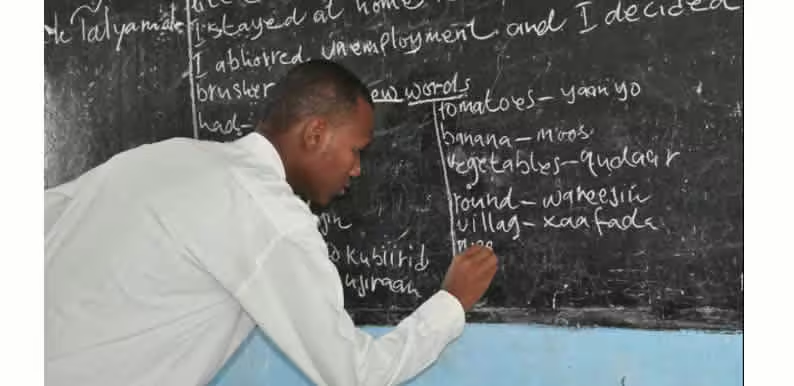
Edo State, under the leadership of Governor Godwin Obaseki, has taken a significant step towards strengthening its educational system by recruiting 5,500 new teachers. This large-scale recruitment initiative, spearheaded by the Edo State Universal Basic Education Board (SUBEB), aims to fill existing teacher vacancies and enhance the quality of teaching and learning across the state’s public schools. The move reflects the government’s commitment to ensuring that every child in Edo State has access to quality education delivered by qualified and motivated educators. This article explores the details of the recruitment exercise, the expected benefits for the education sector, and how this initiative aligns with the state’s broader development goals.
Background and Rationale for Teacher Recruitment in Edo State
The education sector in Edo State has faced challenges related to inadequate staffing, which has affected the quality of instruction in many public schools. Over the years, teacher shortages have led to overcrowded classrooms and reduced individual attention to students, hampering learning outcomes. Recognizing these challenges, the state government prioritized addressing the staffing gaps to improve educational standards.
Governor Godwin Obaseki’s administration has consistently emphasized education as a cornerstone of social and economic development. The recruitment of 5,500 teachers is part of a broader strategy to revitalize the education system and ensure that schools are adequately staffed with qualified professionals who can deliver effective teaching.
The Edo State Universal Basic Education Board (SUBEB) played a pivotal role in organizing and overseeing the recruitment process. Their involvement guarantees that the selection criteria and procedures meet the standards necessary to recruit competent educators who will contribute positively to the state’s educational goals.
Details of the Recruitment Exercise and Selection Process
The recruitment exercise was officially announced following directives from Governor Obaseki, signaling the government’s commitment to transparency and meritocracy in hiring. Prospective candidates were required to meet specific qualifications, including academic credentials and teaching certifications, ensuring that only suitably qualified individuals were considered.
Edo SUBEB conducted a rigorous screening process involving written examinations, interviews, and credential verifications to assess the suitability of applicants. These measures were designed to identify teachers with both the knowledge and pedagogical skills necessary to improve classroom instruction.
The recruitment drive attracted thousands of applicants from diverse backgrounds, reflecting the high demand for teaching positions in the state. The final selection of 5,500 teachers represents a substantial addition to the public education workforce, aimed at bridging the gap in teacher availability across various subjects and grade levels.
Impact on Teaching Quality and Student Learning Outcomes
Filling teacher vacancies with qualified personnel is expected to have a transformative effect on the quality of teaching in Edo State’s public schools. With more teachers available, class sizes can be reduced, allowing for more personalized attention and improved student engagement during lessons.
The presence of adequately trained teachers enhances curriculum delivery, ensuring that students receive comprehensive and effective instruction. This improvement is critical for boosting literacy, numeracy, and overall academic performance, which are key indicators of educational success.
Moreover, the recruitment initiative contributes to creating a more motivated and stable teaching workforce. Teachers who feel valued and supported are more likely to invest in their professional development and employ innovative teaching methods, further enriching the learning environment.
Government’s Commitment to Education and Sustainable Development
Governor Obaseki’s administration views education as a fundamental driver of socio-economic growth and has integrated educational improvement into its broader development agenda. By investing in human capital through teacher recruitment, the government aims to equip the youth with the skills necessary for future employment and civic participation.
The recruitment aligns with Edo State’s commitment to the United Nations Sustainable Development Goals (SDGs), particularly Goal 4, which emphasizes inclusive and equitable quality education. Addressing teacher shortages is a critical step towards achieving universal access to quality education in the state.
Beyond recruitment, the government has also focused on improving school infrastructure, providing learning materials, and implementing teacher training programs. These complementary efforts create a holistic approach to education reform that supports long-term sustainability.
Challenges and Considerations in Implementing the Recruitment
While the recruitment of 5,500 teachers is a positive development, it presents logistical and financial challenges that the government must manage carefully. Ensuring proper deployment across urban and rural areas requires strategic planning to avoid disparities in teacher distribution.
Additionally, integrating a large number of new teachers into the existing education system necessitates ongoing support and professional development to maintain teaching quality and motivation. The government must allocate resources for continuous training and mentorship programs.
Financial sustainability is another important consideration. The state must balance the increased salary expenditure with other budgetary priorities, ensuring that education funding remains consistent to support the newly recruited workforce without compromising other sectors.
Community and Stakeholder Reactions to the Recruitment Drive
The recruitment of 5,500 teachers has been widely welcomed by parents, educators, and community leaders in Edo State. Many see it as a long-awaited solution to the chronic teacher shortages that have negatively impacted student learning experiences.
Teachers’ unions and professional associations have also expressed support, highlighting the potential for improved working conditions and increased employment opportunities for qualified educators within the state.
Community members anticipate that the enhanced teacher presence will lead to better educational outcomes, which in turn can contribute to social stability and economic development. This positive reception underscores the importance of education reform in public discourse.
Future Prospects and Long-Term Educational Goals for Edo State
The successful integration of 5,500 new teachers sets a foundation for Edo State’s future educational ambitions, including raising literacy rates, improving examination results, and expanding access to quality education at all levels.
Continued investment in teacher recruitment and professional development will be essential to sustaining progress. The government plans to monitor the impact of this recruitment exercise and make adjustments as needed to address emerging challenges.
Ultimately, Edo State aims to position itself as a leader in educational excellence within Nigeria, leveraging a well-trained teaching workforce to nurture the next generation of innovators, leaders, and professionals.
Conclusion
The recruitment of 5,500 teachers by Edo State marks a significant milestone in the state’s efforts to revitalize its education sector. This initiative not only addresses the immediate need to fill teacher vacancies but also reflects a broader commitment to enhancing the quality of education and fostering sustainable development. By investing in qualified educators, Edo State is taking concrete steps toward ensuring that every child has access to effective learning environments. While challenges remain, the positive reception and strategic planning surrounding this recruitment suggest a promising future for education in Edo State, with long-lasting benefits for its citizens and the broader Nigerian society.
Discover more from FINIMA
Subscribe to get the latest posts sent to your email.
0 Comments