Cost Of Governance: Tinubu Bars Unauthorised Officials To Keep Off UNGA
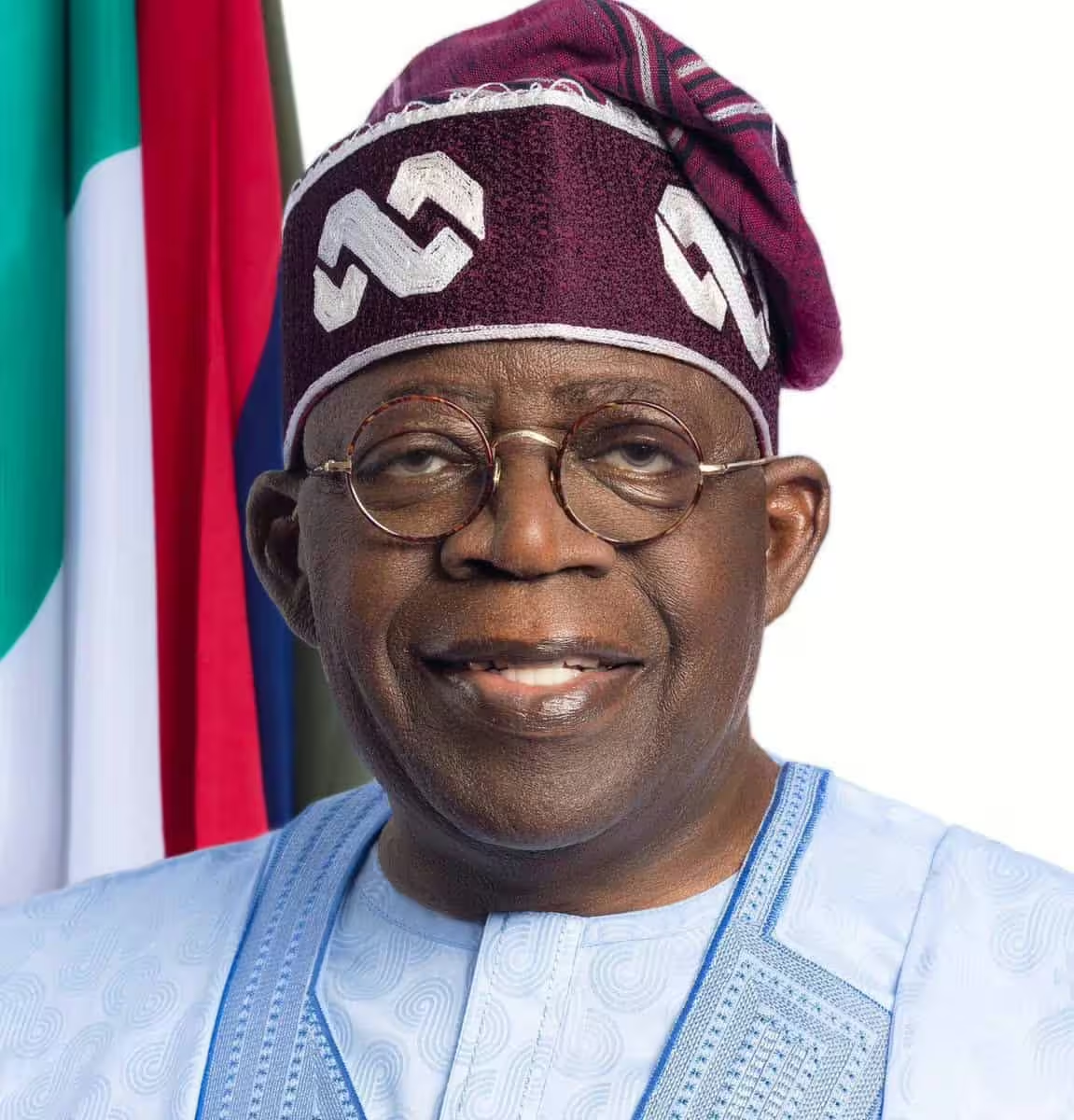
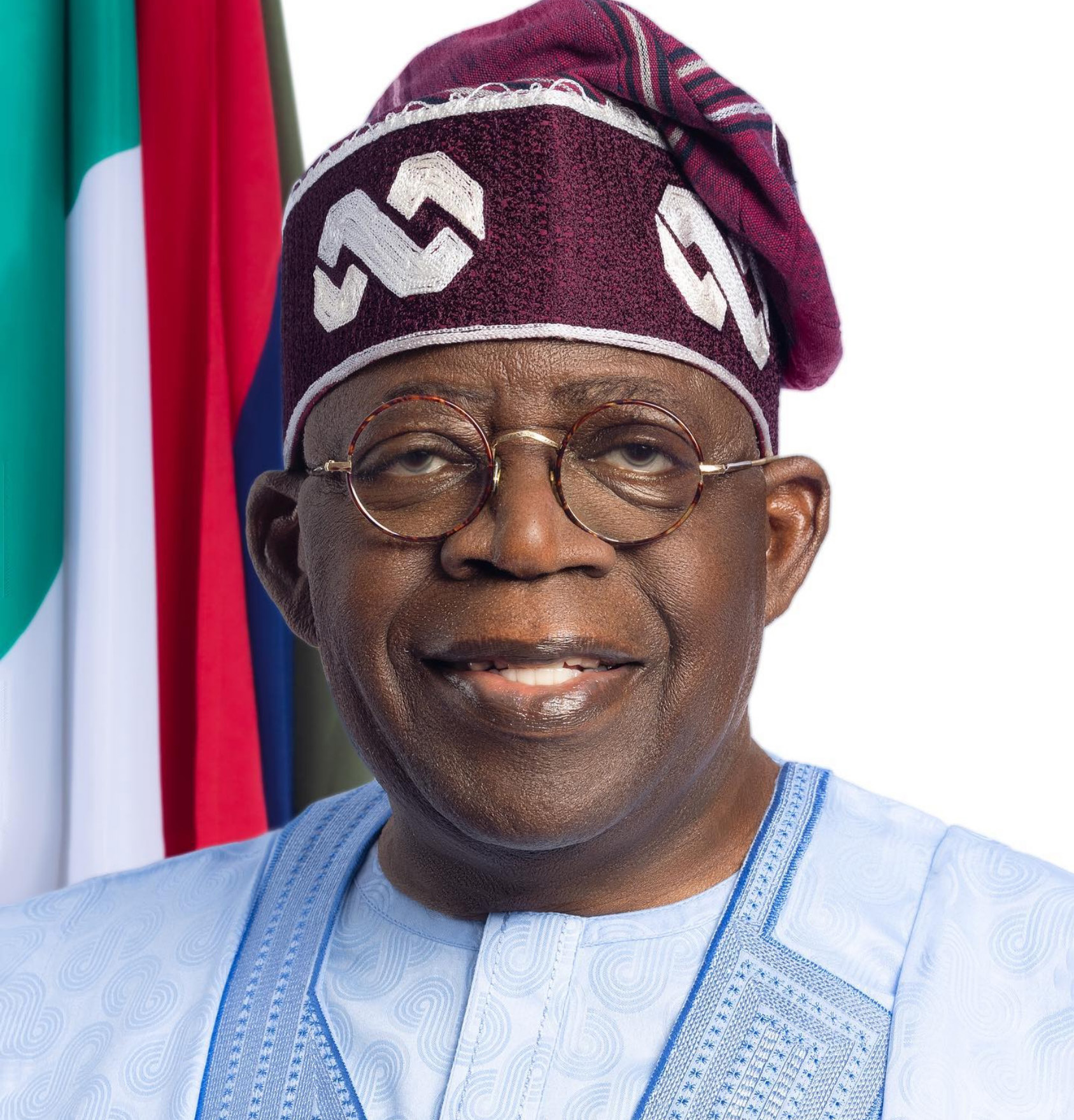
In a decisive move to tighten fiscal discipline and enhance governance quality, President Bola Tinubu has ordered a reduction in the size of Nigeria’s delegation to the upcoming United Nations General Assembly (UNGA) in New York. The directive, aimed at barring unauthorised officials from participating, reflects the government’s commitment to prudent expenditure and accountability. This article explores the background, implications, and broader context of this policy, highlighting its significance in Nigeria’s ongoing efforts to optimize the cost of governance.
Background to the Directive on UNGA Delegation Size
President Bola Tinubu’s directive to limit Nigeria’s delegation to the United Nations General Assembly emerges against a backdrop of growing concerns about the escalating cost of governance. Historically, Nigerian delegations to major international conferences have been criticized for being excessively large, often including numerous officials whose attendance is not always justified.
This trend has drawn scrutiny from both the public and policy analysts who argue that bloated delegations contribute to unnecessary government expenditure. The directive aims to ensure that only essential personnel, directly involved in Nigeria’s foreign policy and diplomatic engagements, represent the country at the UNGA.
The announcement was made public by the President’s Chief of Staff, Honourable Femi Gbajabiamila, during a one-day retreat in Abuja. This move signals a shift towards more disciplined and accountable governance, aligning with President Tinubu’s broader agenda of fiscal responsibility.
The Cost of Governance and Its Impact on National Development
The cost of governance in Nigeria has long been a subject of debate, with critics pointing to excessive spending on bureaucratic structures and official trips. Such expenditures often divert resources away from critical sectors like education, healthcare, and infrastructure development.
By curbing the size of official delegations, the government seeks to reduce wasteful spending and redirect funds towards developmental priorities. This approach reflects an understanding that efficient governance requires not only sound policies but also prudent management of public resources.
Reducing unnecessary government expenses can enhance Nigeria’s fiscal space, enabling increased investment in socio-economic programs that directly benefit citizens. It also fosters public trust in government by demonstrating a commitment to transparency and accountability.
Implications for Nigeria’s Diplomatic Engagements
While the directive emphasizes cost-cutting, it also raises questions about the potential impact on Nigeria’s diplomatic presence at the UNGA. A smaller delegation could mean fewer opportunities for engagement across the various committees and side events that occur during the Assembly.
However, the government appears confident that a leaner, more focused team can effectively represent Nigeria’s interests without compromising diplomatic effectiveness. This approach prioritizes quality over quantity, ensuring that only officials with clear mandates attend.
Efficient delegation management can also improve coordination and communication, as fewer members mean streamlined decision-making processes and clearer messaging on Nigeria’s positions on global issues.
President Tinubu’s Broader Governance Reforms
The directive to reduce the UNGA delegation size is part of President Tinubu’s wider governance reforms aimed at enhancing efficiency and accountability across government operations. Since assuming office, Tinubu has signaled his commitment to tackling corruption and wasteful spending.
These reforms include measures to improve public financial management, strengthen institutional frameworks, and promote transparency. By addressing the cost of governance, the administration hopes to create a more sustainable and effective government structure.
Such initiatives are crucial for restoring investor confidence and improving Nigeria’s international standing. They also demonstrate the administration’s resolve to align governance practices with global best standards.
Public and Political Reactions to the Directive
The directive has elicited varied reactions from the public and political stakeholders. Many citizens have welcomed the move, viewing it as a necessary step towards curbing government excesses and promoting responsible leadership.
Some political analysts, however, caution that while reducing delegation sizes is positive, it must be accompanied by broader systemic reforms to achieve lasting impact. They emphasize the need for consistent enforcement of such policies to prevent relapse into previous spending patterns.
Overall, the directive is seen as a promising development that could inspire similar cost-saving measures in other areas of governance, thereby enhancing Nigeria’s socio-economic prospects.
Challenges in Implementing the Directive
Despite its merits, implementing the directive faces practical challenges. Ensuring strict adherence requires robust monitoring mechanisms and clear criteria for delegation selection to prevent circumvention by unauthorised officials.
There is also the risk of resistance from some quarters within the bureaucracy accustomed to the privileges associated with international travel. Overcoming such institutional inertia will demand strong political will and effective enforcement.
Moreover, the government must balance cost-saving objectives with the need to maintain sufficient diplomatic capacity to advance Nigeria’s interests on the global stage, ensuring that efficiency does not come at the expense of influence.
Long-Term Benefits of Streamlining Official Delegations
Streamlining official delegations can yield significant long-term benefits by fostering a culture of fiscal discipline within government. It encourages ministries and agencies to prioritize essential activities and optimize resource allocation.
Over time, such measures can contribute to reducing Nigeria’s budget deficits and debt burden, freeing up funds for critical development projects. This, in turn, can accelerate progress towards national development goals and improve citizens’ quality of life.
Additionally, demonstrating responsible governance enhances Nigeria’s reputation in the international community, potentially attracting more foreign investment and strengthening diplomatic ties.
Future Prospects and Recommendations
Looking ahead, it is imperative for the Nigerian government to institutionalize the practice of cost containment in all aspects of governance, including international engagements. Clear guidelines and accountability frameworks should be established to govern official travel.
Engaging stakeholders, including parliament and civil society, can help ensure transparency and public oversight, reinforcing the directive’s objectives. Regular audits and public reporting on delegation expenditures can further enhance accountability.
Ultimately, sustained commitment to these reforms will be essential to transform Nigeria’s governance landscape, ensuring that public resources are used efficiently to foster inclusive growth and development.
Conclusion
President Bola Tinubu’s directive to bar unauthorised officials from Nigeria’s delegation to the United Nations General Assembly marks a significant step towards addressing the cost of governance. By reducing unnecessary expenditure and promoting accountability, this policy reflects a broader commitment to efficient and responsible governance. While challenges remain in implementation, the potential benefits for Nigeria’s fiscal health, diplomatic standing, and national development are substantial. Continued dedication to these reforms will be vital to ensuring that public resources serve the country’s long-term interests effectively.
Discover more from FINIMA
Subscribe to get the latest posts sent to your email.
0 Comments