#EndBadGovernanceInNigeria Protest Leader Detained by DSS in
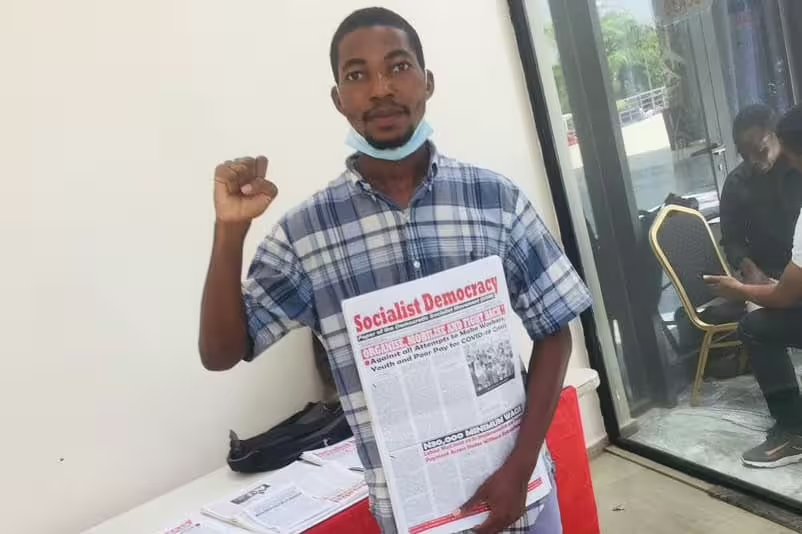
In the heart of Nigeria’s Federal Capital Territory, a significant development has unfolded with the detention of Micheal Lenin, a prominent leader of the #EndBadGovernance protests. Operatives of the Department of State Services (DSS) arrested Lenin at his Apo residence in the early hours of Monday, igniting a wave of reactions from activists, government officials, and citizens alike. This arrest highlights the growing tension between civil society groups demanding accountability and the Nigerian government’s response to dissent. This detailed article examines the events leading to Lenin’s detention, the motivations behind the protests, the role of security agencies, and what this means for Nigeria’s democratic future.
Background of the #EndBadGovernance Movement in Nigeria
The #EndBadGovernance movement emerged as a response to widespread dissatisfaction with Nigeria’s political leadership. Citizens have expressed frustration over corruption, poor infrastructure, economic mismanagement, and lack of transparency in governance. Initiated primarily by youth activists and civil society organizations, the movement aims to hold government officials accountable and demand systemic reforms.
The protests have gained significant traction across major cities in Nigeria, including Abuja, Lagos, and Port Harcourt. Social media platforms have played a crucial role in mobilizing support, spreading awareness, and coordinating peaceful demonstrations. The hashtag #EndBadGovernance has become a rallying cry for Nigerians seeking change and better governance.
Despite its peaceful intentions, the movement has faced resistance from government agencies wary of its growing influence. The protests have sometimes been met with police and security force interventions, arrests of activists, and media censorship, raising concerns about human rights and freedom of expression in Nigeria.
Details Surrounding Micheal Lenin’s Detention by the DSS
Micheal Lenin, a notable figure within the #EndBadGovernance protests, was detained by the Department of State Services around 2 a.m. at his residence in Apo, Abuja. According to Damilare Adenola, the Director of Mobilisation for the Take It Back Movement, Lenin’s arrest came without prior notice or a clear explanation from the authorities, fueling speculation about the motives behind the detention.
The DSS, Nigeria’s domestic intelligence agency, is known for its mandate to safeguard national security and prevent threats to the state. However, critics argue that its involvement in detaining activists like Lenin reflects a broader pattern of suppressing dissent under the guise of security concerns. The lack of transparency regarding the charges or evidence against Lenin has raised alarms among human rights organizations.
Following the detention, several civil society groups and protest leaders have called for Lenin’s immediate release, emphasizing that his arrest undermines democratic principles and the right to peaceful protest. The incident has also intensified calls for reform within Nigeria’s security agencies to ensure they operate within legal and ethical frameworks.
The Role of the Department of State Services in Nigeria’s Political Climate
The Department of State Services (DSS) serves as Nigeria’s primary intelligence agency responsible for internal security. Its functions include counterterrorism, intelligence gathering, and protection of government institutions. While the DSS plays a vital role in maintaining national stability, its operations have often been controversial, particularly concerning civil liberties.
In recent years, the DSS has been criticized for aggressive tactics against activists, journalists, and political opponents. Allegations of unlawful detentions, intimidation, and human rights abuses have been raised by both local and international watchdogs. These actions have sparked debates about balancing national security with the protection of citizens’ rights.
The detention of Micheal Lenin fits into this complex narrative where security agencies are perceived to be used as tools for political control rather than impartial enforcers of law. This perception erodes public trust in government institutions and complicates efforts to foster a democratic and transparent governance system.
Public and International Reactions to the Arrest
The arrest of Micheal Lenin has elicited strong reactions from the Nigerian public, activists, and international observers. Many Nigerians view the detention as an attempt to silence legitimate criticism and stifle the ongoing movement against bad governance. Social media platforms have seen an outpouring of support for Lenin and renewed calls to #EndBadGovernance.
Human rights organizations, both within Nigeria and globally, have condemned the arrest, urging the Nigerian government to respect citizens’ rights to free expression and peaceful assembly. Some international bodies have called for transparent investigations into the circumstances of Lenin’s detention and demanded his immediate release if held without due process.
The incident has also sparked debates about Nigeria’s commitment to democratic principles and its obligations under international human rights treaties. The government’s response to these criticisms will likely influence Nigeria’s diplomatic relations and its image on the global stage.
Implications for Nigeria’s Democratic Process and Civil Society
The detention of protest leaders like Micheal Lenin poses significant challenges to Nigeria’s democratic development. It raises questions about the government’s willingness to tolerate dissent and engage constructively with civil society. The suppression of peaceful protests can undermine democratic norms and discourage civic participation.
Civil society organizations play a critical role in promoting accountability, transparency, and good governance. When activists are targeted, it weakens these institutions and hampers efforts to address systemic issues. This can lead to increased public frustration, social unrest, and a decline in trust towards political leaders.
Moreover, the incident may set a precedent for how future protests and dissenting voices are treated in Nigeria. Ensuring that security agencies respect human rights and operate within legal boundaries is essential for safeguarding democracy and encouraging constructive dialogue between the government and its citizens.
Legal Framework Governing Protests and Detentions in Nigeria
Nigeria’s constitution guarantees the rights to freedom of expression, assembly, and association. These rights provide the legal foundation for citizens to engage in peaceful protests and demand accountability from their government. However, these rights are subject to limitations intended to protect public order and national security.
The legal framework governing detentions requires that any arrest must be accompanied by clear charges and access to legal representation. Arbitrary arrests and prolonged detentions without trial violate both Nigerian law and international human rights obligations. Unfortunately, such violations have been reported in cases involving political activists.
Understanding the legal rights of protesters and detainees is crucial for both citizens and authorities. Advocates argue for reforms that strengthen protections for peaceful assembly and ensure that security agencies are held accountable for abuses. This balance is vital for maintaining social harmony and upholding the rule of law.
Future Outlook: What Lies Ahead for the #EndBadGovernance Movement
The detention of Micheal Lenin may either dampen the momentum of the #EndBadGovernance protests or galvanize further activism. Historically, attempts to suppress popular movements often lead to increased solidarity among supporters and heightened calls for change. The movement’s resilience will depend on its ability to adapt and sustain public engagement.
Dialogue between protest leaders, government officials, and security agencies could provide a pathway to resolving tensions and addressing core grievances. Constructive engagement, transparency, and willingness to implement reforms are essential for restoring trust and achieving meaningful progress.
Ultimately, the future of the #EndBadGovernance movement will be shaped by Nigeria’s broader political dynamics, including electoral processes, governance reforms, and civil society strength. The international community’s role in supporting democratic principles and human rights may also influence outcomes in the coming months.
Conclusion
The detention of Micheal Lenin by the Department of State Services marks a critical moment in Nigeria’s struggle for better governance and democratic accountability. While the government asserts its responsibility to maintain security, it must also uphold citizens’ constitutional rights to free expression and peaceful protest. The #EndBadGovernance movement underscores the urgent need for political reforms and transparent leadership. Moving forward, fostering open dialogue, respecting human rights, and strengthening legal protections will be essential for Nigeria to overcome its governance challenges and build a more inclusive, democratic society.
Discover more from FINIMA
Subscribe to get the latest posts sent to your email.