Skip to content Skip to left sidebar Skip to right sidebar Skip to footer

Tag: Nigerian

Page 1 of 4
1 2 3 4

Unlocking Opportunities: A Finima Youth’s Guide to the NLNG Train 7 Project and Beyond

For years, it has been the talk of the town, a buzz of anticipation felt across Bonny Island. The Nigeria LNG (NLNG) Train 7 project is more than just another industrial expansion; it is a monumental undertaking, a promise of jobs, and a beacon of opportunity. For the youth of Finima, the primary host community, this project is happening right on your doorstep, representing the single greatest chance in a generation to build a rewarding career and secure a prosperous future.

But with great opportunity comes great confusion. How do you go from hearing about the project to actually working on it? What skills are they really looking for? How do you avoid the scams and false promises that always surround major projects? It can feel like trying to find a specific door in a massive, unmarked building.

This guide is your key. This is your detailed, practical, no-nonsense roadmap to unlocking the opportunities within the Train 7 project and, more importantly, building a career that will last long after the project is complete. It is time to replace uncertainty with a clear, actionable plan.


Part 1: Understanding Your Advantage – The Power of Local Content

Before you even think about skills or CVs, you must understand a fundamental principle that gives you a significant advantage: Local Content. This isn’t just a buzzword; it is a legal and operational framework designed to ensure that projects like Train 7 deliver tangible benefits to Nigerians, with a special focus on host communities like Finima.

The cornerstone of this framework is the Nigerian Oil and Gas Industry Content Development (NOGICD) Act. In simple terms, this law mandates that companies operating in the oil and gas sector must prioritise the use of Nigerian workers, contractors, and services. It was created to stop the old practice of major projects being built almost entirely by foreign experts, leaving local communities on the sidelines.

Flowing from this Act are Community Content Guidelines (CCG). These are specific agreements worked out between NLNG, its contractors, and the host communities. They detail how the broad principles of the NOGICD Act will be applied on the ground. The CCG sets out specific quotas and preferences for the employment of community indigenes, particularly for roles that do not require highly specialised, globally scarce expertise.

What does this mean for YOU?

It means you are not just another applicant in a vast sea of jobseekers. As an indigene of Finima, you are in a legally recognised priority group. When the main contractors for Train 7—a consortium known as the SCD JV (Saipem, Chiyoda, and Daewoo)—need to hire a welder, a scaffolder, an administrator, or a safety officer, they are obligated by law and by their agreements to look for qualified candidates from Finima first.

However, the key word is qualified. The law gives you the right of first refusal, but it does not guarantee a job if you do not have the required skills. Your advantage is the opportunity; your responsibility is to be prepared. This is where your journey truly begins.


Part 2: The In-Demand Skills – What You Need to Learn Now

Forget generic qualifications. Industrial construction projects on the scale of Train 7 require a specific portfolio of technical and vocational skills. If you want to be a valuable candidate, you need to focus on acquiring skills that are in high demand right now. These can be broken down into key categories.

A. Skilled Trades and Vocations: The Backbone of the Project

These are the hands-on roles that physically build the project. They are consistently in high demand and offer excellent career progression.

  • Welding (and Pipe Fitting): This is arguably the most sought-after trade. Projects like Train 7 involve connecting thousands of kilometres of pipes. Basic welding is good, but expertise in specialised techniques like TIG (Tungsten Inert Gas) welding and Arc welding for industrial pipes will place you at the top of the list. Pipe fitters, who measure, cut, and prepare the pipes for welding, work hand-in-hand with welders and are equally crucial.
  • Scaffolding: No construction can happen at height without safe and secure scaffolding. Certified scaffolders (basic and advanced) who can erect, modify, and dismantle complex structures are essential for the safety and progress of the entire project.
  • Electrical Installation & Instrumentation: Every part of a modern gas plant runs on electricity and is controlled by complex instruments. Certified electricians who can safely run industrial cables, install panels, and connect equipment are vital. Instrumentation fitters who can install and calibrate control devices are also a highly specialised and sought-after group.
  • Crane and Heavy Equipment Operation: Operating mobile cranes, forklifts, and excavators requires specific training and certification. A certified crane operator is one of the most visible and responsible roles on a construction site.
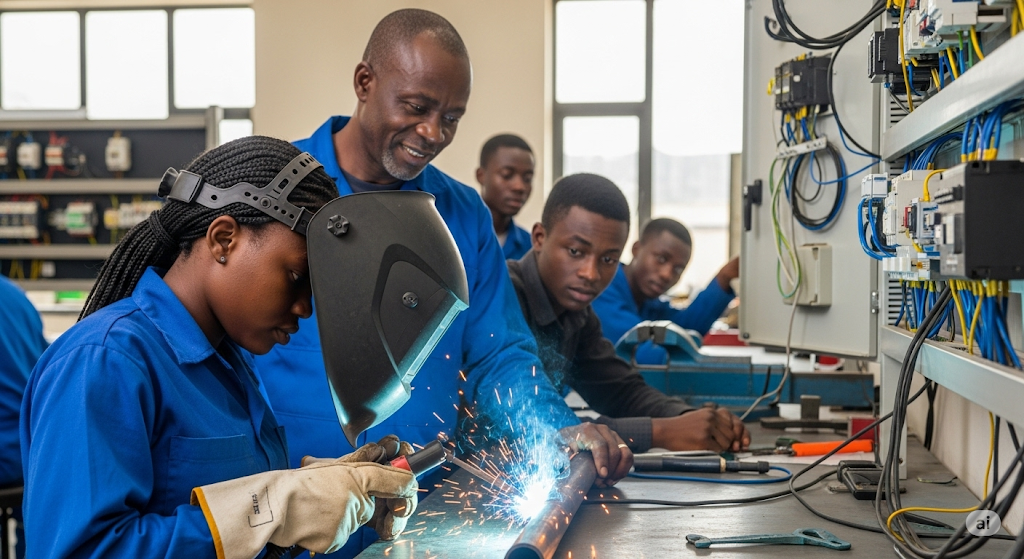
Image 1: A focused group of young Nigerian men and women in a vocational training centre. The image shows a bright, modern workshop. In the foreground, a young woman wearing a protective helmet and welding mask is carefully practising TIG welding on a piece of pipe, sparks flying. Behind her, a qualified instructor in overalls is guiding a young man who is looking at a complex electrical panel. The atmosphere is one of serious learning, skill acquisition, and empowerment.


B. Essential Support Roles: Keeping the Project Moving

Not everyone can be a welder. A project of this magnitude needs a huge team of support staff to function efficiently and safely.

  • Health, Safety, and Environment (HSE): Safety is the number one priority on any world-class construction site. A basic HSE certification (Level 1, 2, and 3) is one of the most valuable entry-level qualifications you can obtain. It opens doors to roles like Safety Officer, Fire Watcher, and Permit-to-Work Coordinator.
  • Logistics and Supply Chain Support: Imagine the sheer volume of materials—pipes, cables, cement, equipment—that need to be received, stored, and delivered to the right location on site at the right time. Roles in materials control, warehouse operation, and logistics coordination are critical.
  • Administration and Document Control: Major projects generate mountains of paperwork, from technical drawings to work permits and reports. Meticulous and organised individuals are needed for administrative support and document control roles to keep the project information flowing correctly.

C. Professional and Technical Roles: The Brains of the Operation

For those with higher education or specialised experience, there are numerous opportunities.

  • Engineering: Graduates in Mechanical, Civil, Electrical, and Chemical Engineering are needed for roles in supervision, quality control, and project management.
  • Quality Assurance / Quality Control (QA/QC): These are the inspectors who ensure that all work, especially welding and installation, meets the required international standards. A certification in QA/QC can lead to a highly respected and well-paid career.
  • IT Support: A modern construction site is heavily reliant on technology, from network connectivity to specialised software. IT professionals are needed to keep these systems running smoothly.

Part 3: Your Four-Step Action Plan – How to Get Hired

Knowing what skills are needed is only half the battle. You now need a concrete plan to make yourself the ideal candidate.

Step 1: Get Certified – Your Proof of Competence

In the industrial world, your word is not enough. You must have official certificates to prove you are trained and competent.

  • Identify Recognised Centres: Invest in your future by enrolling in a reputable vocational training centre. Look for institutions recognised by industry bodies, such as the Nigerian Institute of Welding (NIW). Don’t be tempted by cheap, unaccredited “certificate mills.”
  • Focus on Your Chosen Trade: Decide which skill you want to acquire and pursue the relevant certifications. For HSE, look for qualifications from bodies like NEBOSH or IOSH, which are globally recognised.
  • Document Everything: Keep all your certificates, training records, and qualifications in a neat, professional portfolio.

Step 2: Build a Professional CV – Your Marketing Document

Your Curriculum Vitae (CV) is the first impression a recruiter will have of you. It must be professional, clear, and tailored to the job you want.

  • Keep it Clean and Simple: Use a clear font and a simple layout. Focus on readability. Limit it to one or two pages.
  • Start with Your Contact Details: Your name, phone number, and a professional email address should be at the very top.
  • List Your Certifications First: For industrial roles, your technical certifications are more important than your academic history. List them clearly near the top of your CV.
  • Use Action Words: Describe any experience you have using strong verbs. Instead of “Was part of a team,” write “Collaborated with a team to successfully complete…”
  • Proofread, Proofread, Proofread: A single spelling or grammar mistake can get your CV thrown in the bin. Read it over carefully, and ask someone else to check it for you.

Image 2: A confident, professional young Nigerian woman holding her CV. The image shows a young woman in her mid-20s, dressed in a smart blouse. She is standing against a plain, well-lit background. She is holding a crisp, printed CV and looking directly at the camera with a slight, confident smile. Her expression is one of hope, readiness, and professionalism, embodying the ideal job applicant


Step 3: Look in the Right Places – The Official Channels

To avoid scams, you must use the official recruitment channels.

  • The Main Contractors (EPCs): The primary employer for Train 7 construction is the SCD JV (Saipem, Chiyoda, Daewoo). Monitor their official career websites. Do not pay anyone who claims they can get you a job with them. All official recruitment is free.
  • Community Portals: Liaise with the official community bodies tasked with interfacing on employment. This could be the Finima Capacity Development Committee (FCDC) or the Finima Youth Congress (FYC). They are the official channels for receiving information and submitting CVs for community-specific roles. They will help you filter out fraudulent “agents.”

Step 4: Think Beyond Train 7 – Build a Lifelong Career

This is the most important step of all. Do not view Train 7 as a one-time job; view it as a world-class training ground. The skills you acquire here are not just “Train 7 skills”; they are globally recognised industrial skills.

  • Gain Experience: Once on the project, be a sponge. Learn everything you can. Show up on time, work hard, and maintain a positive attitude.
  • Network Professionally: Build good relationships with your supervisors and colleagues. These connections can lead to future opportunities.
  • The Bigger Picture: A certified industrial welder or a qualified HSE officer from the Train 7 project can go on to work on other major projects in the Niger Delta, in the Nigerian maritime industry, or even internationally. The end of the Train 7 construction phase should be the beginning of your long and successful career, not the end of a job.

Image 3: A wide, inspiring shot of a major industrial construction site at dawn. The image shows the silhouette of a massive industrial plant under construction, similar to the NLNG facility. Cranes reach into the early morning sky, and the intricate network of scaffolding and pipes is visible. The rising sun creates a dramatic orange and purple glow on the horizon, symbolising a new day and new opportunities. The scale of the project conveys a sense of ambition and the vast potential for employment.


Conclusion: Your Future is in Your Hands

The NLNG Train 7 project is a generational opportunity, but it is not a lottery ticket. Success will not be handed to you; it must be earned through preparation, dedication, and strategic action. The doors are open for the youth of Finima in a way they are not for others, but it is up to you to acquire the skills and professionalism needed to walk through them.

Use this guide as your starting point. Invest in yourself by getting certified. Craft a CV that makes you proud. Use the official community channels to find your path. See this not just as a chance to get a job, but as a chance to build a career that will empower you, your family, and your community for decades to come.

The hum of construction on your doorstep is the sound of opportunity knocking. It is time to answer the door.

profile picture

Generate Audio Overview
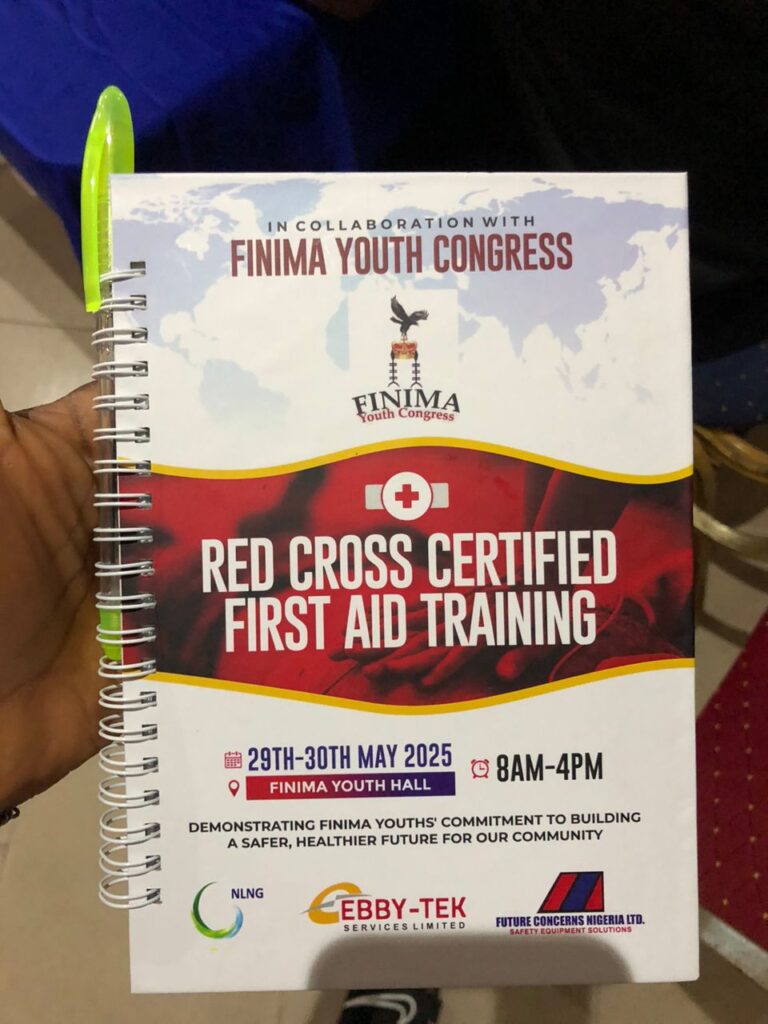
BREAKING NEWS: Youth Development Initiative Takes Bold Step Toward Community Safety in Finima

Finima, Bonny Island — May 30, 2025

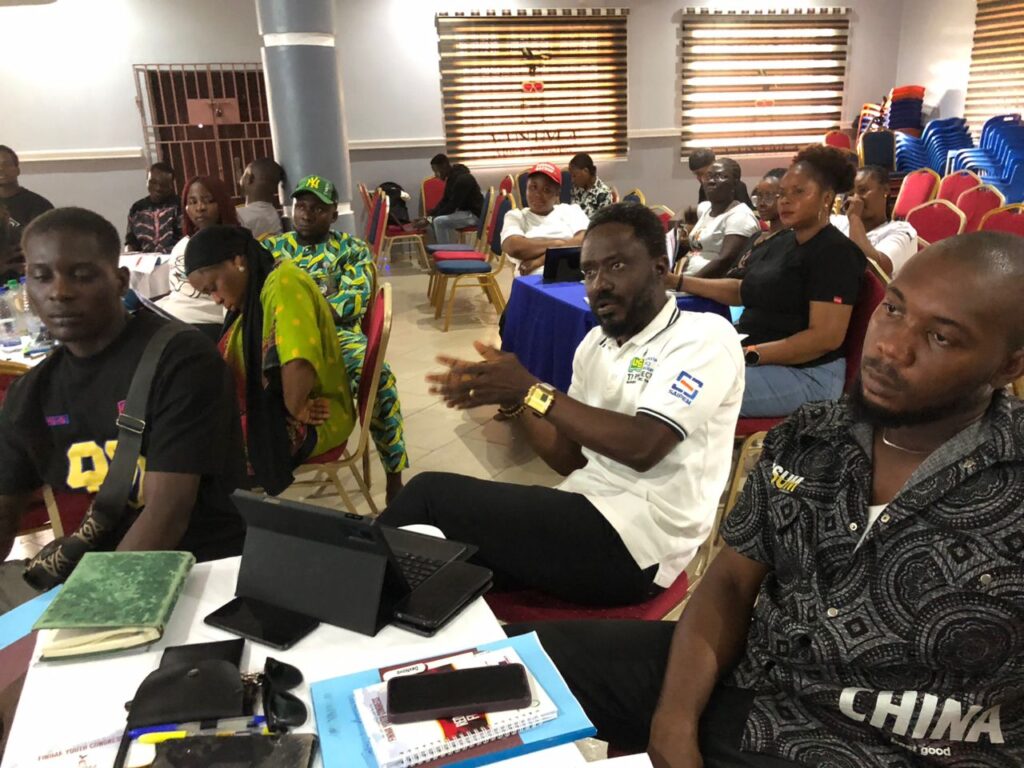
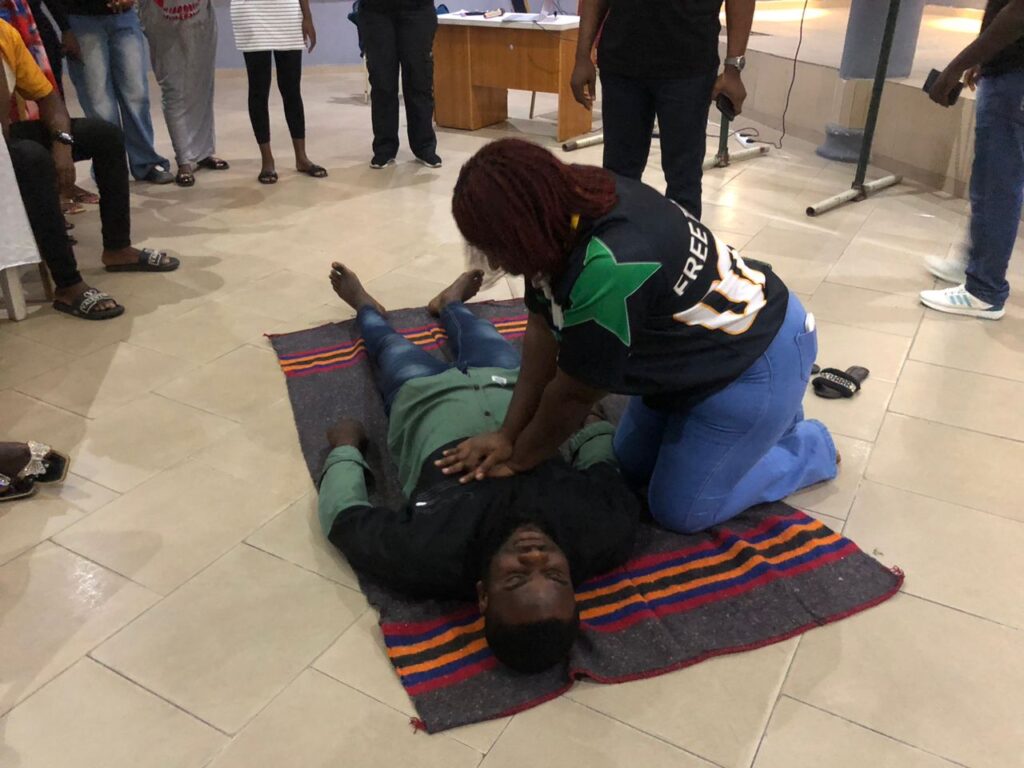
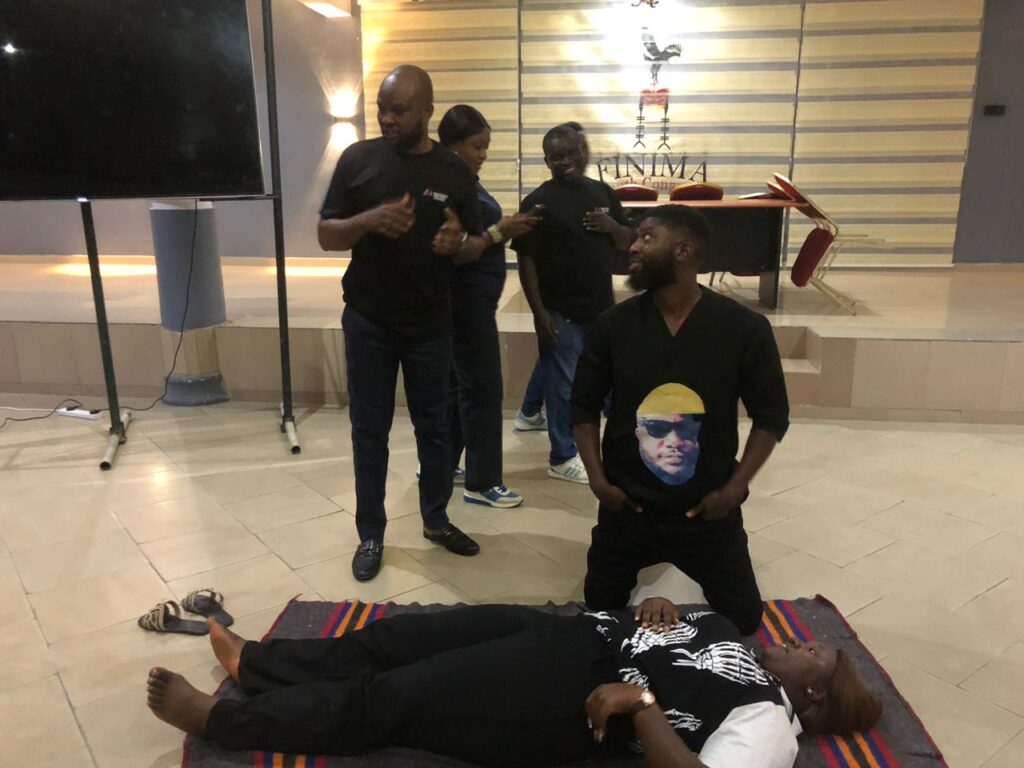
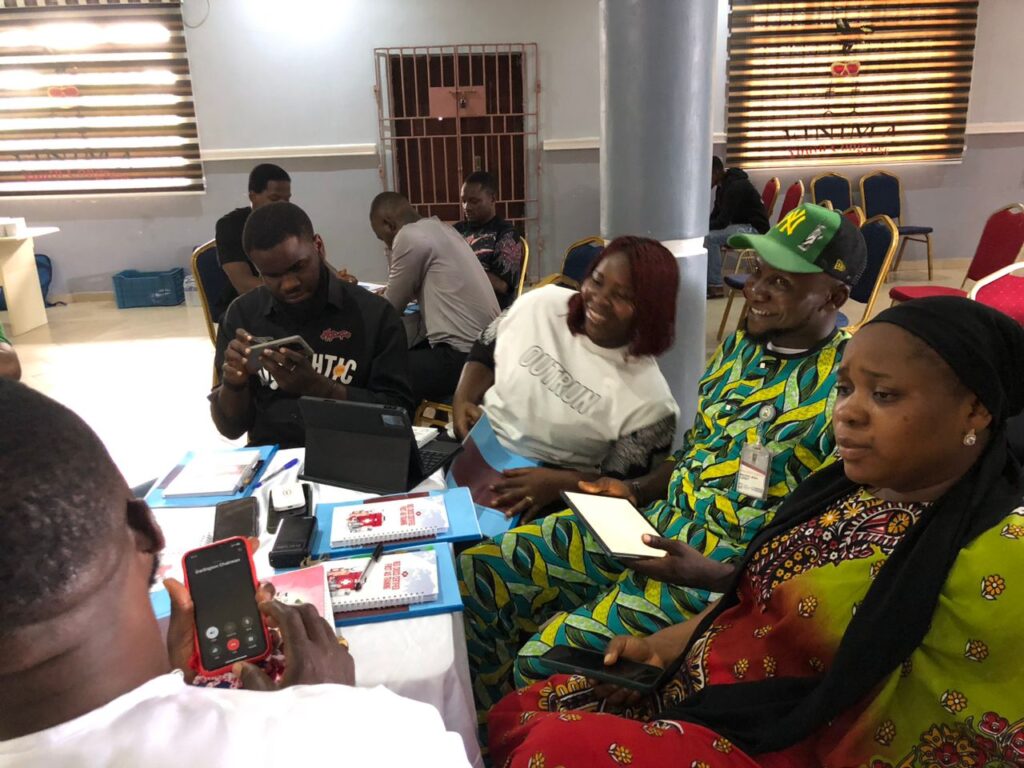
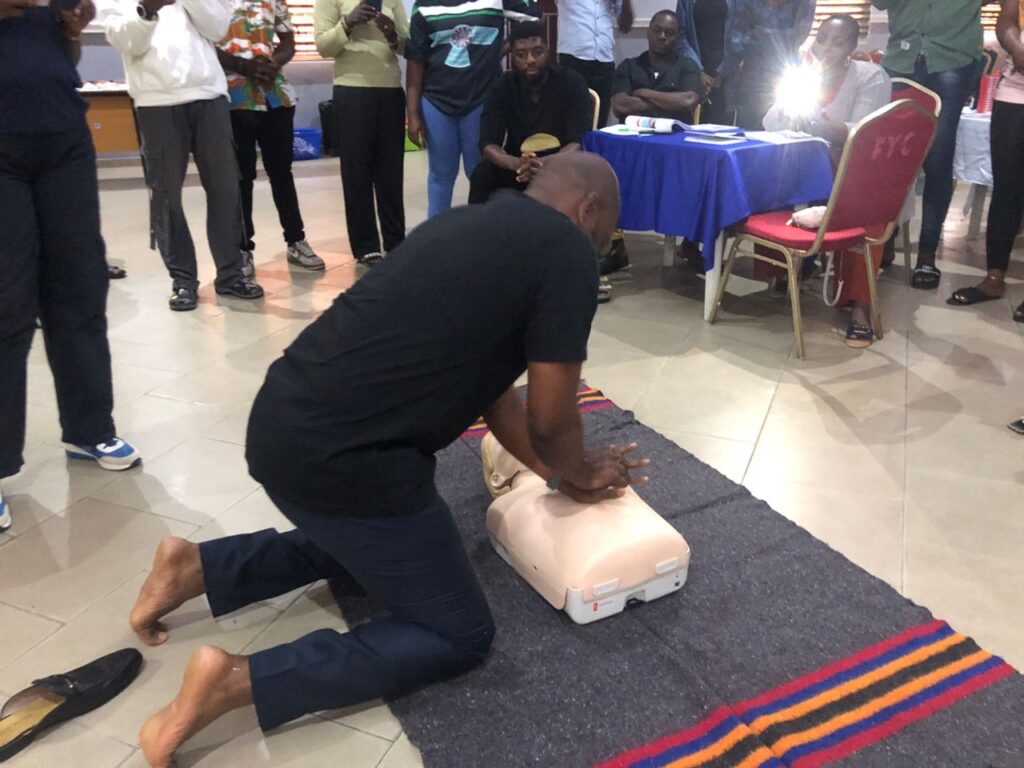
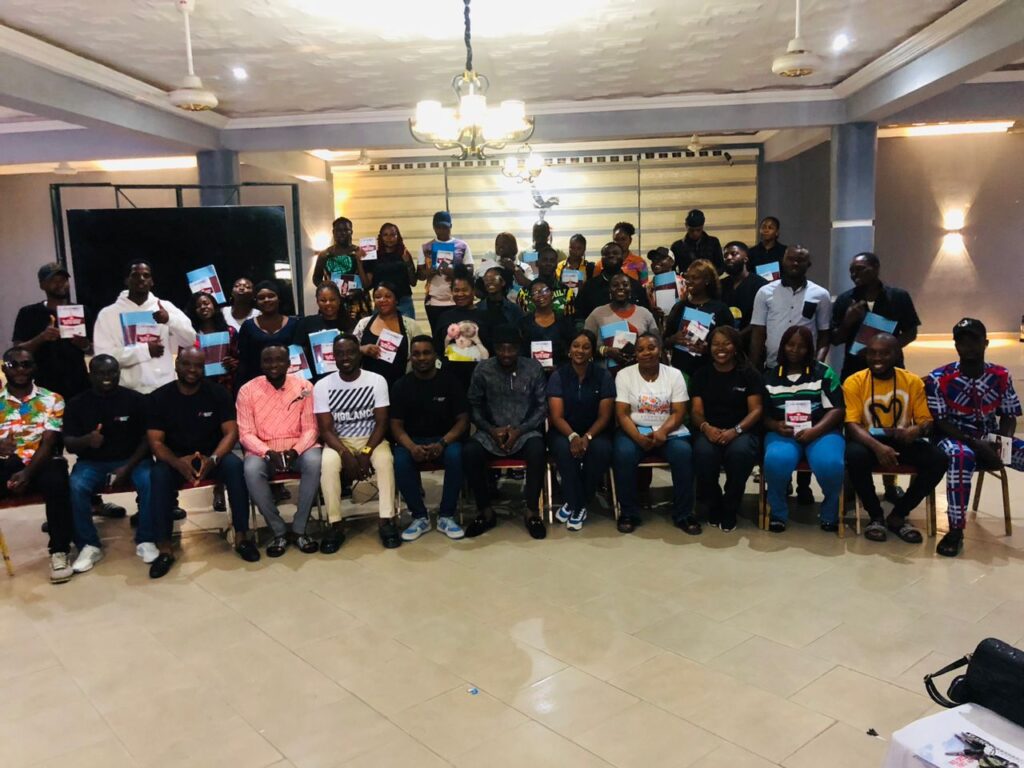
In a bold and inspiring move to enhance public safety and empower the next generation of community leaders, the Finima Youth Congress (FYC) has partnered with EBBY-TEK Service Limited and Future Concern Nigeria Limited to successfully implement a Red Cross-certified training programme aimed at bolstering emergency response capacity and disaster preparedness among youths in Finima, Bonny Island.

The two-day intensive training, held from May 29 and 30, 2025, marks a significant milestone in the community’s ongoing efforts to cultivate a proactive, safety-conscious culture in the Niger Delta. With growing concerns over health emergencies, accidents, and disaster management in oil-producing regions, the initiative serves as a timely intervention that prepares young people to act swiftly and competently in times of crisis.

A Collaborative Effort with Purpose

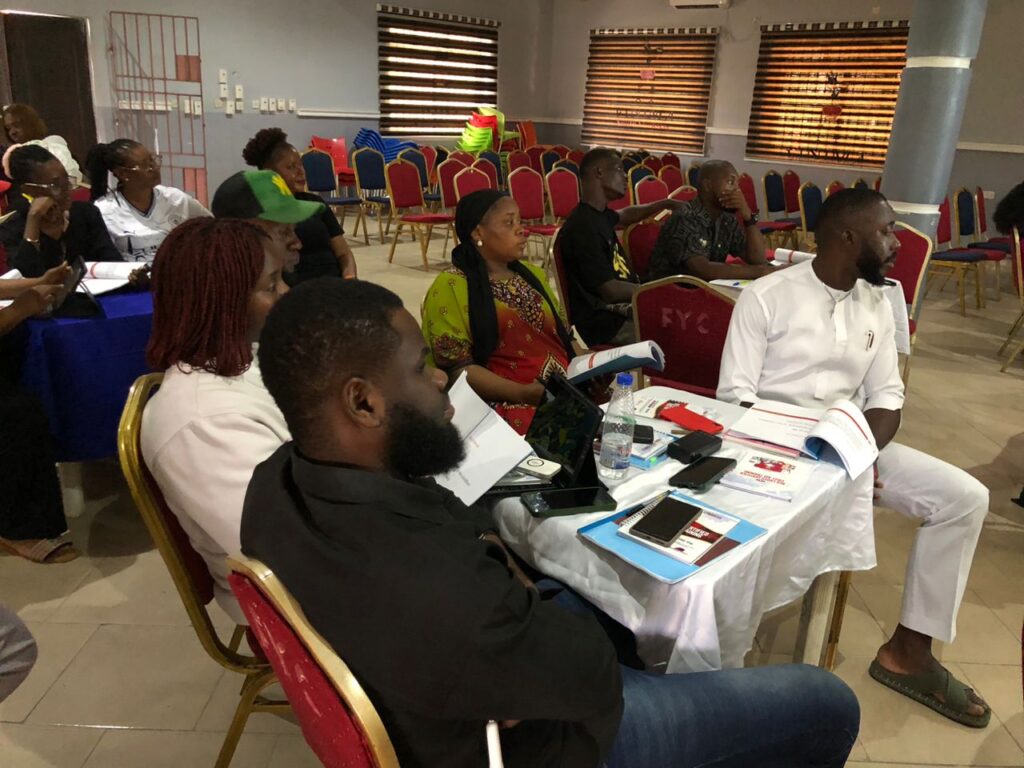
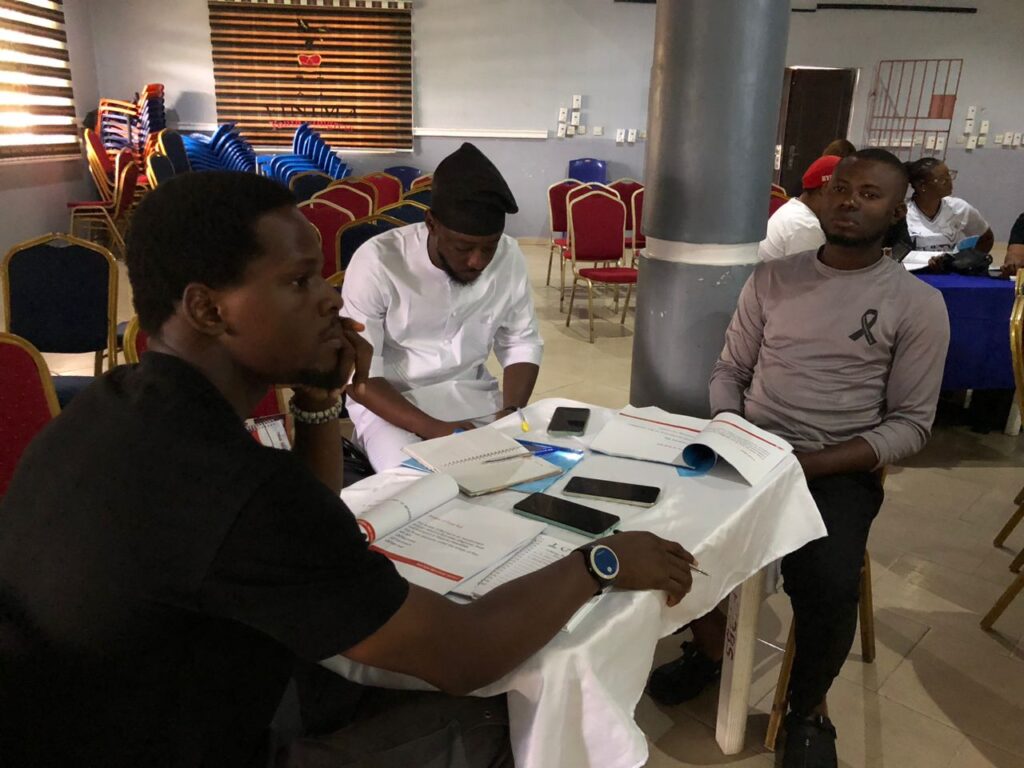
The training programme was made possible through the proactive coordination of the Directorate of Social Welfare and Youth Development of the FYC, under the leadership of Comrade Abraham Brown. The programme brought together over 60 young men and women from Finima and its environs, equipping them with practical skills in first aid, CPR, emergency evacuation procedures, basic firefighting, and disaster risk reduction strategies.

Participants underwent both theoretical and hands-on training modules delivered by certified instructors affiliated with EBBY-TEK Service Limited and Future Concern Nigeria Limited—two reputable organisations with extensive experience in health, safety, and environmental (HSE) training.

Speaking on the success of the programme, Comrade Darlington Tobin, Chairman of the Finima Youth Congress, praised the professionalism and commitment shown by the partnering organisations. “We are truly grateful to the teams from EBBY-TEK and Future Concern for bringing this life-saving knowledge to our doorstep,” he said during the closing ceremony held at the Finima Town Hall.

“This initiative has given our youths not only the skills but also the confidence to take action in emergencies. It’s a game-changer for our community.”

Redefining Youth Engagement Through Safety Education

The Finima Youth Congress, known for its progressive advocacy for youth empowerment and community development, sees this initiative as part of a larger roadmap to position Finima as a model for grassroots transformation.

In his address, Comrade Abraham Brown, Director of Social Welfare and Youth Development, emphasised the importance of practical knowledge in today’s world.

“This is more than just training; it’s about changing mindsets and creating first responders in our neighbourhoods,” said Comrade Brown. “We want our youths to understand the value of life, the power of preparedness, and the impact of stepping up when it matters most.”

He continued, “We are proud to partner with organisations that share our vision for a safer and healthier community. Our collaboration with EBBY-TEK and Future Concern Nigeria Limited sends a clear message: We are committed to building a new generation of responsible, informed, and empowered young people.”

The programme also featured simulation drills, role-playing scenarios, and interactive workshops that covered everything from bleeding control to how to respond during floods, fires, and other local hazards.

Testimonies of Impact

For many participants, the training provided their first formal exposure to emergency management techniques. Blessing Hart, a 24-year-old student who participated in the training, described it as “eye-opening and empowering”.

“I now feel confident that I can help someone during an emergency,” she said. “The instructors were patient and knowledgeable. I believe this kind of training should be extended to every youth in Bonny.”

Another participant, Ifeanyi George, a commercial tricycle operator, recounted how he once witnessed an accident but didn’t know how to help. “Now, I know how to check for breathing, perform CPR, and stop bleeding. I feel like a real community protector now.”

Strategic Development Goals in Action

The Finima Youth Congress’s initiative aligns with several United Nations Sustainable Development Goals (SDGs), including:

  • SDG 3: Good Health and Well-being
  • SDG 11: Sustainable Cities and Communities
  • SDG 17: Partnerships for the Goals

By empowering young people with practical life-saving skills, the Congress is directly contributing to a more resilient, informed, and health-conscious society.

Both EBBY-TEK Service Limited and Future Concern Nigeria Limited commended the initiative and pledged ongoing support for community-focused programmes. In separate remarks, their representatives reaffirmed their dedication to extending health and safety education to underserved communities.

Looking Ahead: What’s Next for Finima?

With the successful completion of this training, the Finima Youth Congress has announced plans to institutionalise periodic safety programmes and expand the initiative to other parts of Bonny Local Government Area (L.G.A.). Discussions are already underway to incorporate advanced training modules, including mental health first aid, environmental hazard response, and child safety awareness.

The Congress is also advocating for policy support from local government and corporate partners to ensure the sustainability of such life-impacting initiatives.

“We’re not stopping here,” said Comrade Brown. “We envision a future where every young person in Finima is not only educated but also equipped to be a community lifeguard, ready to act, ready to save, and ready to lead.”

The initiative has been widely lauded by stakeholders across Bonny Local Government Area (L.G.A.), including community leaders, traditional rulers, and civil society organisations, who have praised it as a step in the right direction.

Signed Statement

In an official communique released shortly after the training, the FYC reaffirmed its unwavering dedication to community development:

“The Finima Youth Congress remains dedicated to promoting community development initiatives that foster a culture of safety, wellness, and empowerment.”

Signed:

Comrade Abraham Brown
Director of Social Welfare and Youth Development
Finima Youth Congress

As Finima continues to chart a path toward sustainable growth and inclusive development, this landmark initiative sets a powerful precedent—one where community safety begins with the youth and where development is measured not only in infrastructure but in lives protected and futures secured.


Reported by:
The Finima Media Bureau
Bonny Island, Rivers State

Finima Community Celebrates Boy Child Day with Youth Education Event

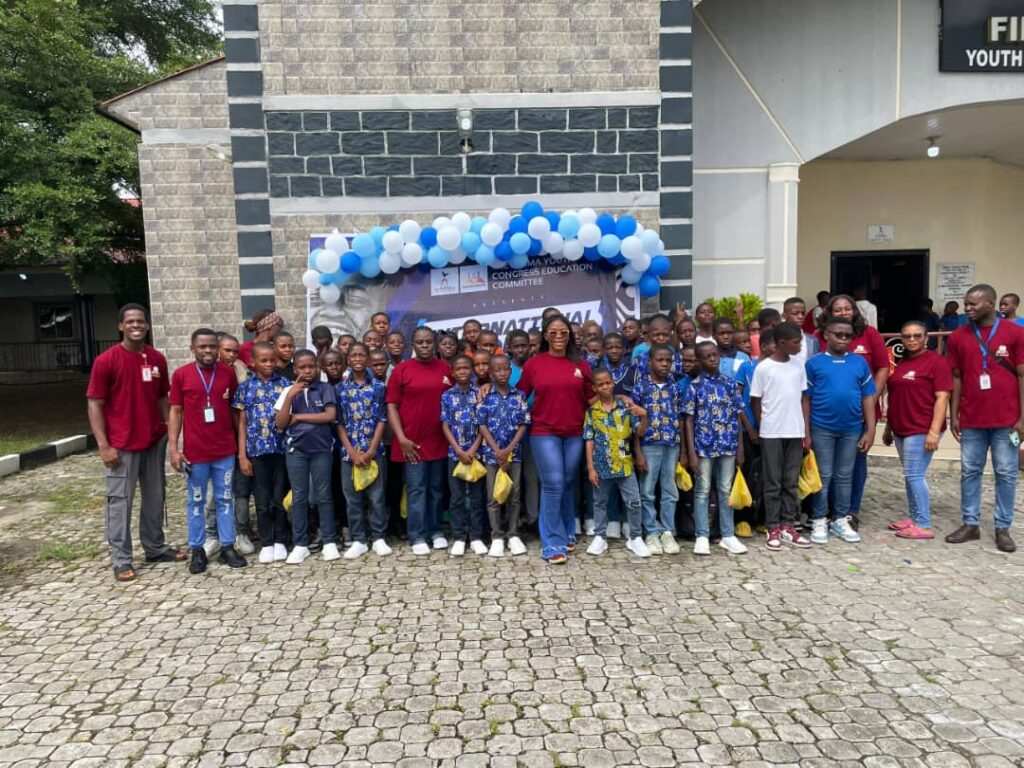
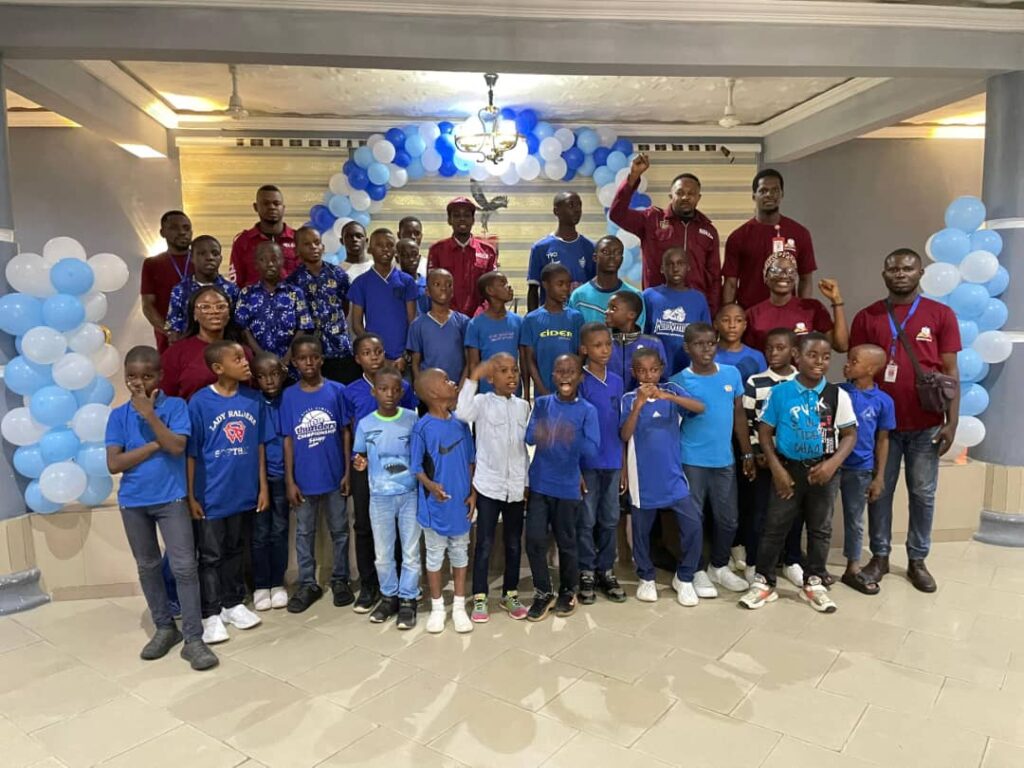
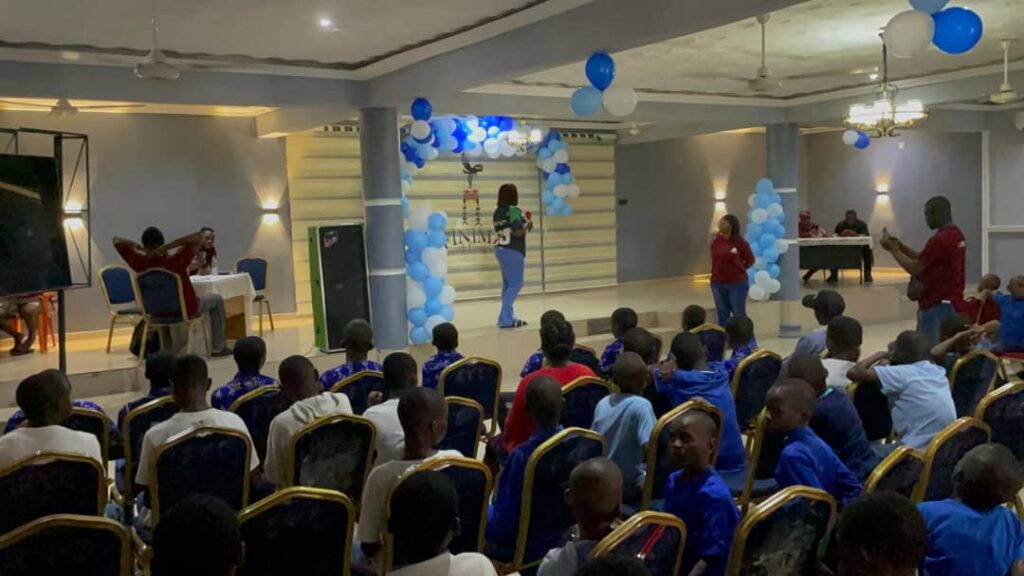
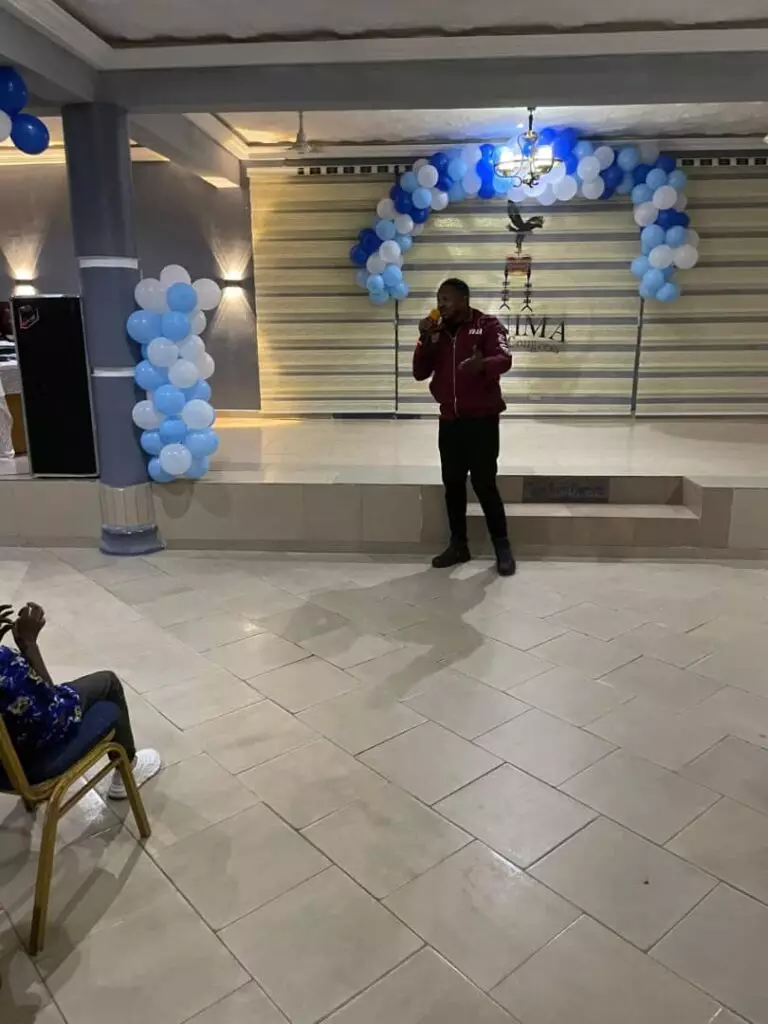
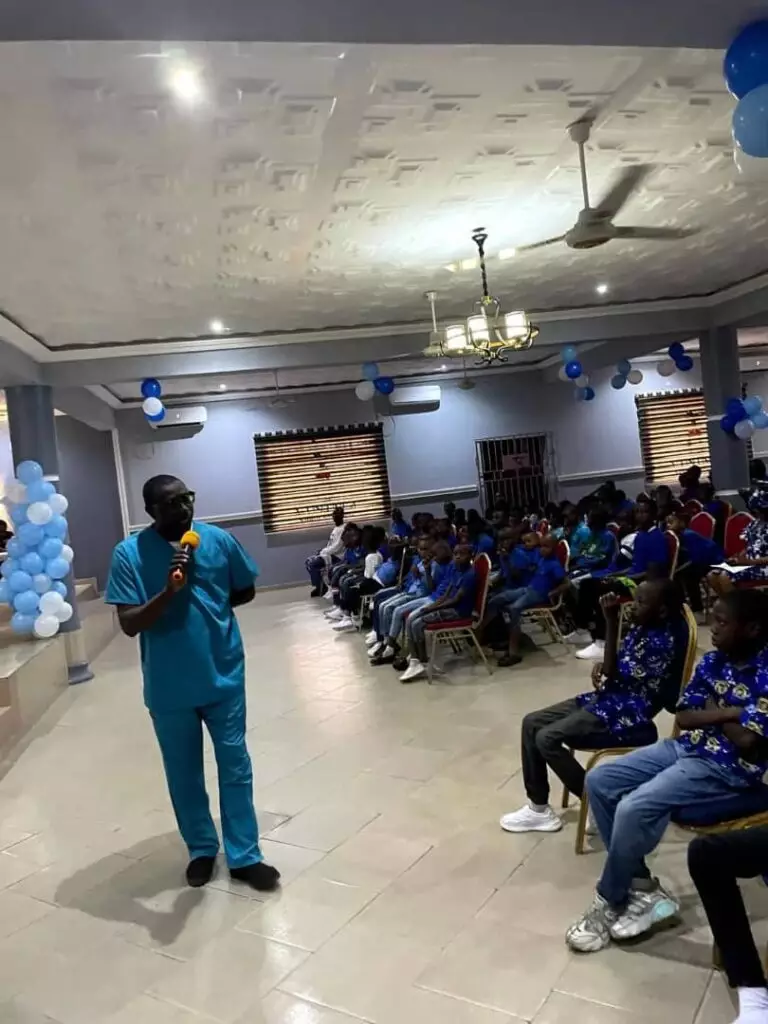
Finima, Rivers State – On May 16, 2025, the Finima Youth Congress (FYC) Education Committee hosted a landmark event in Finima to mark the International Day of the Boy Child. The day’s program drew 262 boys and young men from across Finima and nearby Bonny Island communities, underlining the community’s strong commitment to youth development. The celebration combined educational lectures, safety workshops, and lively cultural activities, all designed to empower the participants. Organizers emphasized that the event reflects Finima’s ongoing mission to support its young people with knowledge, guidance, and encouragement.

Event highlights included:

  • A comprehensive talk on puberty, physical development, and self-preservation by Dr. Nathan Dambere, a local health and education advocate.
  • Candid presentations by National Drug Law Enforcement Agency (NDLEA) officers on the dangers of drug abuse and the related rise of cultism.
  • Interactive question-and-answer sessions, where students asked questions about personal growth and safety and received insightful answers from the speakers.
  • A spirited dance competition showcasing the boys’ talents, with trophies and prizes awarded to the best performers.
  • Distribution of gift packs and educational materials (such as notebooks and books) to all participating students.
  • Attendance by students from multiple Finima schools, including the Government Girls Secondary School, Finima and St. Patrick’s Anglican Model School, Finima demonstrating broad community involvement.

Puberty and Personal Development Session

Dr. Nathan Dambere opened the program with a frank, age-appropriate discussion of adolescence. He spoke directly to the boys about the physical and emotional changes of puberty, making it clear that these changes are a natural part of growing up. “Puberty brings many changes—physical, emotional, and social,” Dr. Dambere told the students, stressing that understanding these changes is “the first step to taking responsibility for your own well-being.” He reassured the boys that while puberty can feel confusing, it is also a time of growth and opportunity. Dr. Dambere answered questions about topics ranging from growth spurts to mood swings, and he offered practical advice on hygiene and health. He repeatedly emphasized that taking care of one’s body and mind is a form of self-preservation. “Protect your health and dignity by making smart choices,” he advised, encouraging the boys to look out for one another and to stay focused on positive goals. His talk combined scientific explanations with local examples, helping students feel seen and informed rather than shy or embarrassed about the topic.

.

NDLEA Speeches on Drug Abuse and Cultism

Representatives of the National Drug Law Enforcement Agency delivered powerful messages about the serious risks of drug use and gang involvement. In clear, forceful speeches, they warned that even casual drug experimentation can have devastating consequences. One NDLEA officer warned the crowd, “The allure of drugs may seem attractive, but the consequences can be devastating. It not only affects your health but can also derail your academic and future ambitions”. He urged the boys to remember their goals – such as finishing school and pursuing a career – and to refuse any offers of drugs that might threaten those goals. Another officer stressed that avoiding drugs is the best defence against falling into criminal gangs. He noted the data showing the link between substance abuse and cultism in Nigeria, cautioning that “drug abuse is a significant issue in our community, with 90 per cent of cultism stemming from it.” These speakers appealed to the students’ aspirations, reminding them that staying drug-free is key to achieving success. They also assured the boys that the NDLEA is working with schools and communities to support young people – encouraging them to stay focused on education and to seek help if they ever feel pressured.

Interactive Q&A with Students

Throughout the event, the organizers maintained an open, two-way dialogue with the students. After each talk, Dr. Dambere and the NDLEA officers welcomed questions from the audience. The boys asked about issues from managing the emotional ups and downs of adolescence to how to resist peer pressure from older friends. In one session, a student asked, “What should I do if someone I know offers me drugs?” In response, an NDLEA officer explained firm but respectful ways to refuse and emphasized finding support in teachers or family if faced with such a situation. Another question concerned embarrassing physical changes; Dr. Dambere answered it with sensitivity and humour, helping to normalize the experience. Organizers noted that the students were surprisingly bold in asking questions, and every query was met with a thoughtful answer. The interactive format – with boys raising hands and engaging directly – ensured that the event was not a one-way lecture but a genuine conversation. Many participants reported feeling relieved that their concerns were addressed openly, and the Q&A segments helped reinforce the lessons of the talks with practical, personalized advice.

Dance Competition and Prizes

To cap off the program on a celebratory note, the Education Committee organized a lively dance contest. Students were invited to form teams and perform dance routines reflecting Bonny Island culture as well as modern styles. The boys threw themselves into the competition, and the audience – including parents and community leaders – cheered enthusiastically. Judges from the Youth Congress awarded prizes to the top three performances, recognizing creativity, teamwork, and energy. The winning teams received trophies and certificates, and each member also took home additional gifts. In fact, every student at the event received a gift pack as a token of participation. These gift packs contained school supplies (notebooks, pens, and a selection of books) along with snacks and small games. The Education Committee had secured sponsorship from local businesses and community donors to fund these gifts. By blending education with entertainment, the event affirmed that learning can be fun. Seeing their friends dance and smiling as they received their prizes, the boys enjoyed a sense of pride and camaraderie. Organizers pointed out that these fun elements were not just for enjoyment – they helped the students remember the day’s lessons in a positive, memorable setting.

Participating Schools

Students attended from a wide range of Finima schools, reflecting the community’s collective investment in youth. Participants came from public and private institutions alike. In particular, the Government Girls Secondary School, Finima and St. Patrick’s Anglican Model School, Finima were well represented at the event. (These schools have frequently collaborated with the FYC Education Committee on past programs.) Younger boys came from Finima’s primary schools and vocational training centres, ensuring that multiple age groups were included. The inclusion of so many schools was a deliberate strategy: the Education Committee had spent the weeks leading up to the event visiting classrooms and inviting students to attend. By drawing in students from across Finima, the event reinforced a sense of unity and demonstrated that the entire community – teachers, parents, and youth leaders – stands together in support of its young men.

Long-Term Mission and Leadership

The Boy Child Day celebration was not a one-off effort, but part of the FYC Education Committee’s sustained mission. Finima’s youth leaders have long prioritized educational and social programs as a path to community development. Under the leadership of FYC Chairman Shedrack Vincent Brown, the Education Committee regularly organizes workshops, debates, scholarship drives, and school tours. In particular, the programs are coordinated through the Office of the Director of Social Affairs (DOS), held by Comrade Abraham Brown. Comrade Abraham Brown has been instrumental in planning this event and others like it. He explained that the committee aims to address not only academic needs but also the character and health of young people. “Investing in our boys today means a stronger Finima tomorrow,” he remarked. He noted that International Day of the Boy Child events are one way to reinforce positive values and give young men role models and information. The day’s festivities aligned with the committee’s broader strategy: pairing serious instruction with enjoyable activities helps keep students engaged while sending a message that the community values them. In essence, the Education Committee sees youth development as an ongoing journey, and Comrade Brown’s office ensures that programs like this one fit into a coordinated plan for social uplift.

Conclusion

The International Day of the Boy Child celebration in Finima was widely hailed as a resounding success. By combining practical education with festive celebration, the FYC Education Committee managed to reach hundreds of students in a meaningful way. Community members remarked on the event’s positive atmosphere: local leaders and parents saw happy, attentive boys leaving with notebooks in hand and smiles on their faces. The knowledge shared – about health, safety, and personal goals – equipped the students with tools for self-preservation and confidence. The lively performances and gifts ensured that the day will be remembered fondly by participants. Community media captured the event with dozens of photographs (for example, students can be seen listening intently in captured moments), creating a visual record of the engagement and joy. In her remarks at the close, a teacher praised the initiative: “This shows our boys that Finima cares about them. They will not forget today.” As the boys dispersed into the afternoon, many were heard discussing what they had learned and planning to share it with their peers and siblings. The Education Committee views this outcome as the greatest reward.

Looking ahead, the Finima Youth Congress Education Committee has pledged to build on this achievement. With the Office of the DOS coordinating future workshops, mentorship programs, and community projects, the spirit of the Boy Child Day is expected to ripple through Finima for months to come. The success of this event underscores a simple truth for the Finima community: when young people are educated, listened to, and celebrated, they become the strongest foundation for the village’s future.

Page 1 of 4
1 2 3 4