A Historic Three-Day Celebration in Finima: A Remarkable Event That Made History (5th–7th December)
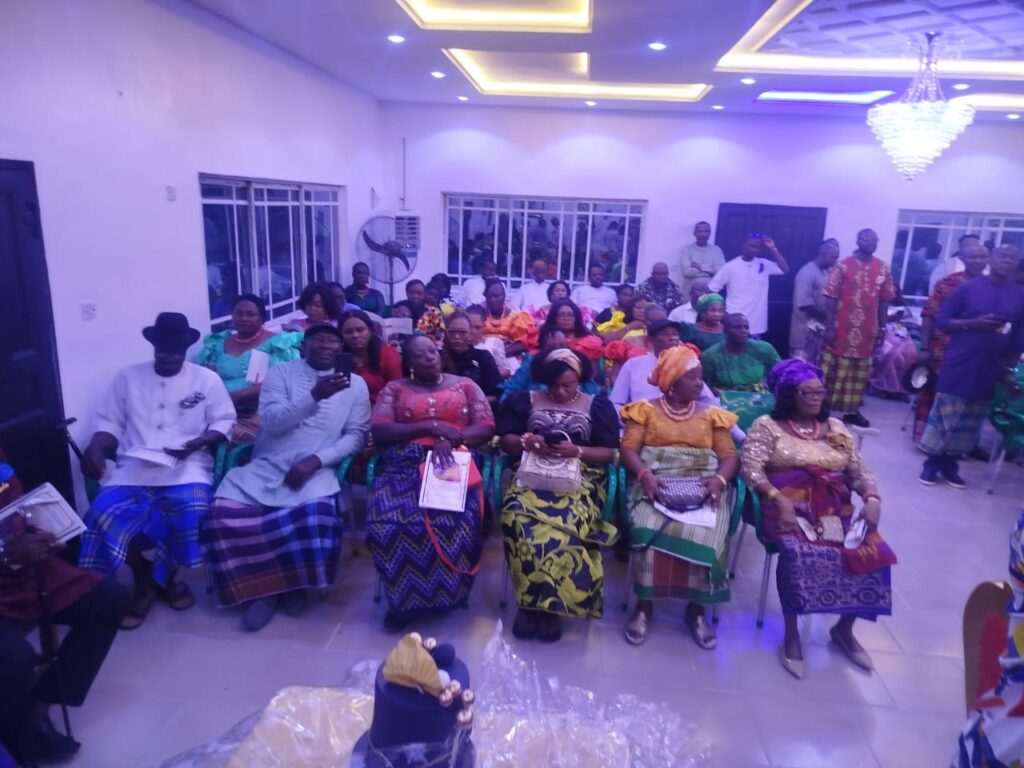
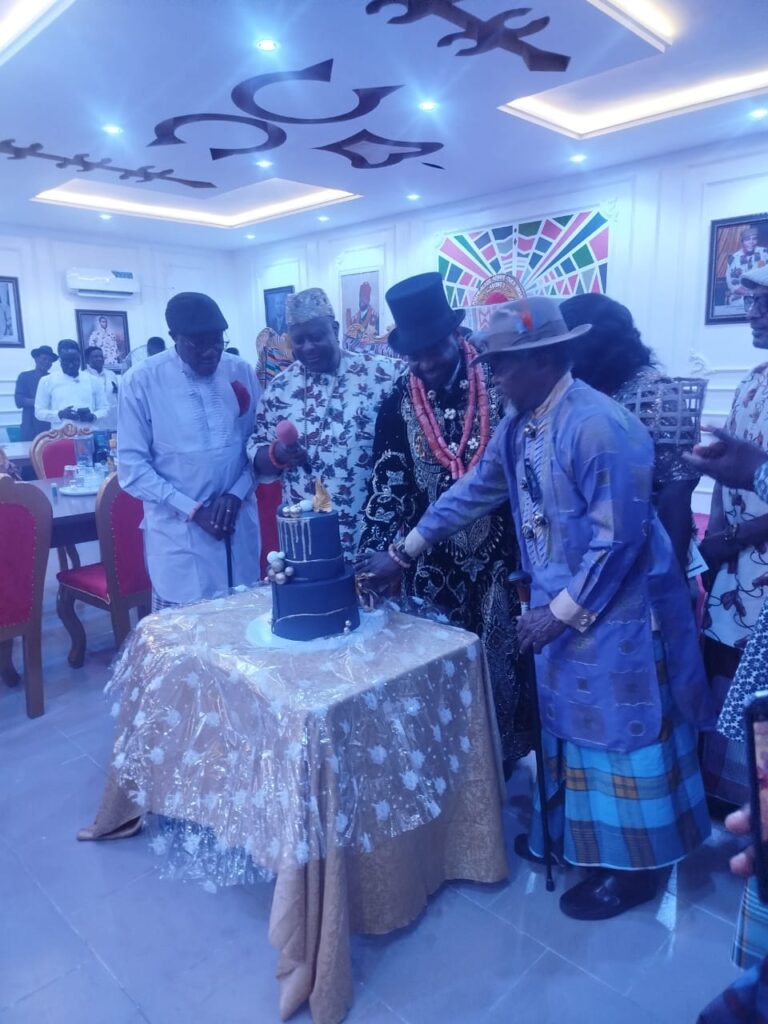
From Friday, 5th December to almost midnight on Sunday, 7th December, the community of Finima witnessed a truly historic moment—an event so remarkably executed, so thoughtfully coordinated, and so deeply meaningful that it is already being described as one of its kind in the history of our people. What unfolded over those three days was far more than a programme; it was a cultural renaissance, a communal awakening, and a powerful testament to unity, leadership, and ancestral pride.
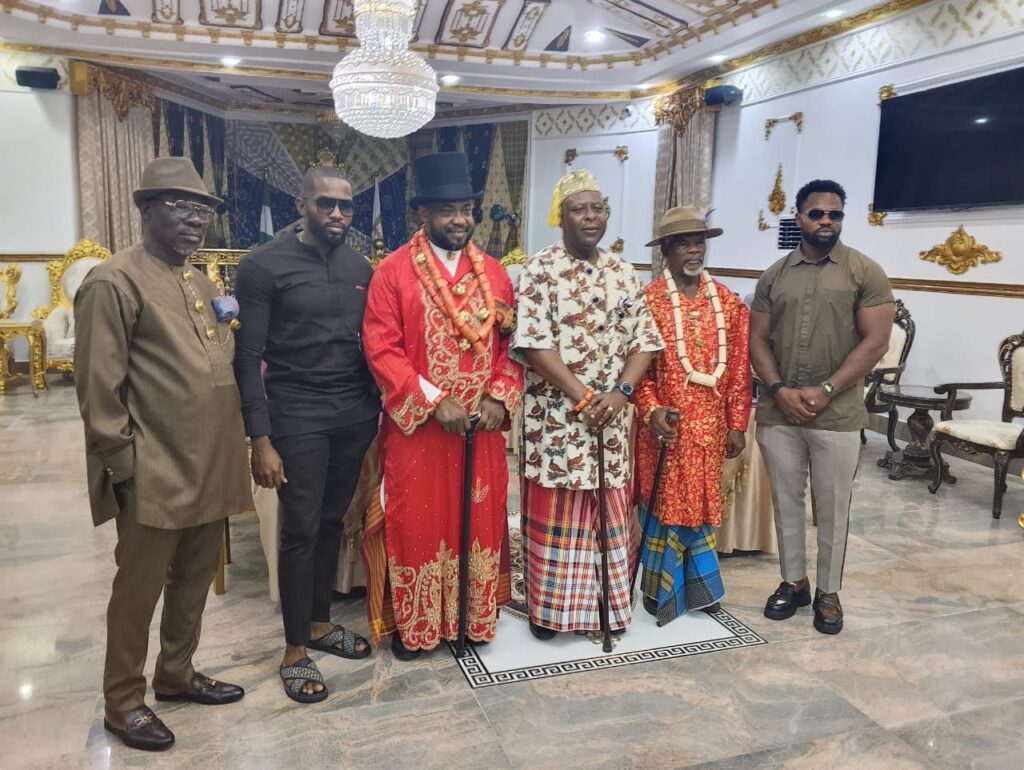
Held under the distinguished authority of the Aseme-Alabo, Abinye Owen Brown, Abobo I, and supported by the Abobo-Brown Sub-Chieftaincy House, the Aseme Alabo-in-Council (Wariseniapu), the Amadabo and his Council of Aseme Alapu, and a dedicated planning team, the event brought together sons and daughters of Finima from far and near. Through meticulous organisation and collective spirit, the programme emerged as one of the most memorable events in the contemporary history of Finima.
This news feature captures the significance, execution, impact, and lasting legacy of a celebration that will be remembered across generations.
1. A Vision Transformed Into Reality
Every historic event begins with a vision. What distinguishes this one is how that vision was transformed—through leadership, collaboration, and devotion—into an extraordinary experience. Under the guidance of the Aseme-Alabo, the three-day celebration embodied the ideals of:
- Cultural preservation
- Generational unity
- Youth empowerment
- Community pride
- Organisational excellence
Each day was curated to reflect the enduring identity of Finima—ancient yet evolving, rooted yet forward-looking.
The commitment to planning could be felt in the timeliness of activities, the effective coordination of logistics, and the collective ownership demonstrated by volunteers, security teams, cultural leaders, women’s groups, youth associations, and sponsors. Finima proved, once again, that unity makes greatness inevitable.
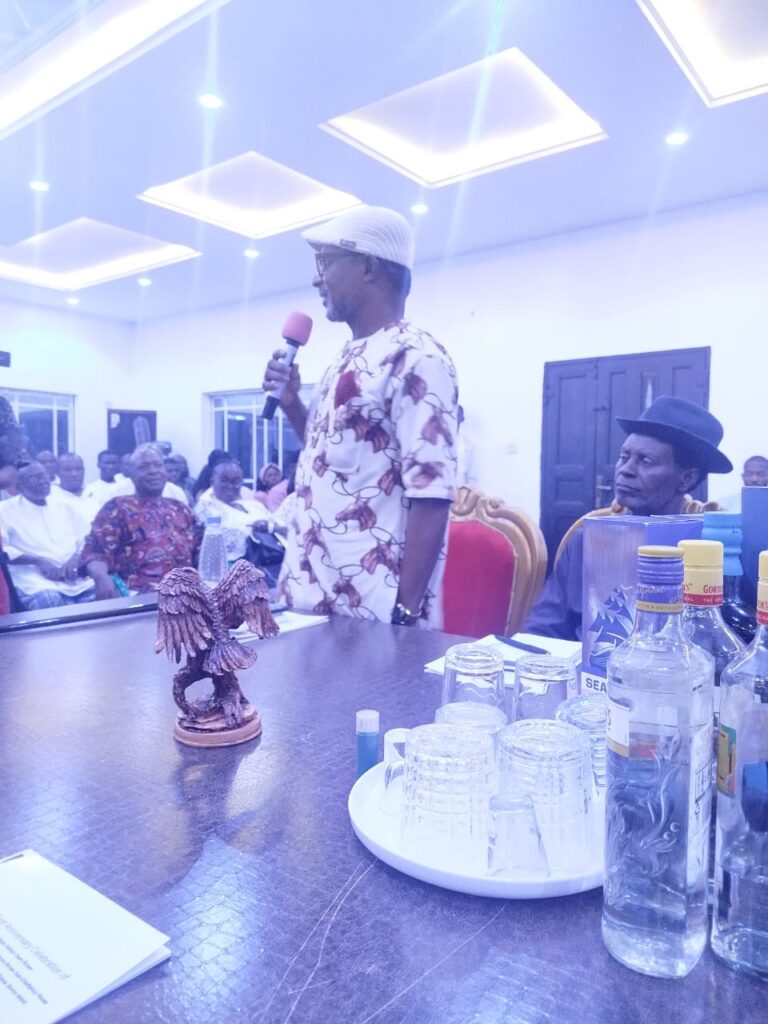
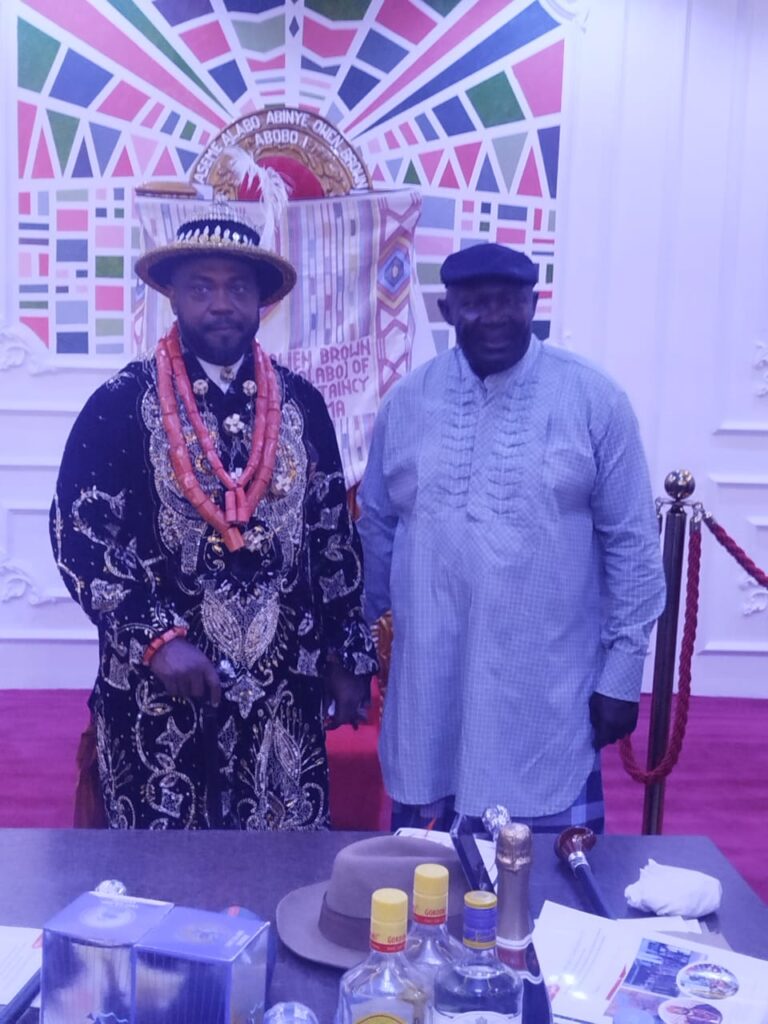
2. Day One: Praise & Worship with Widows, Gift Distribution, Opening Ceremony, and Cultural Reawakening
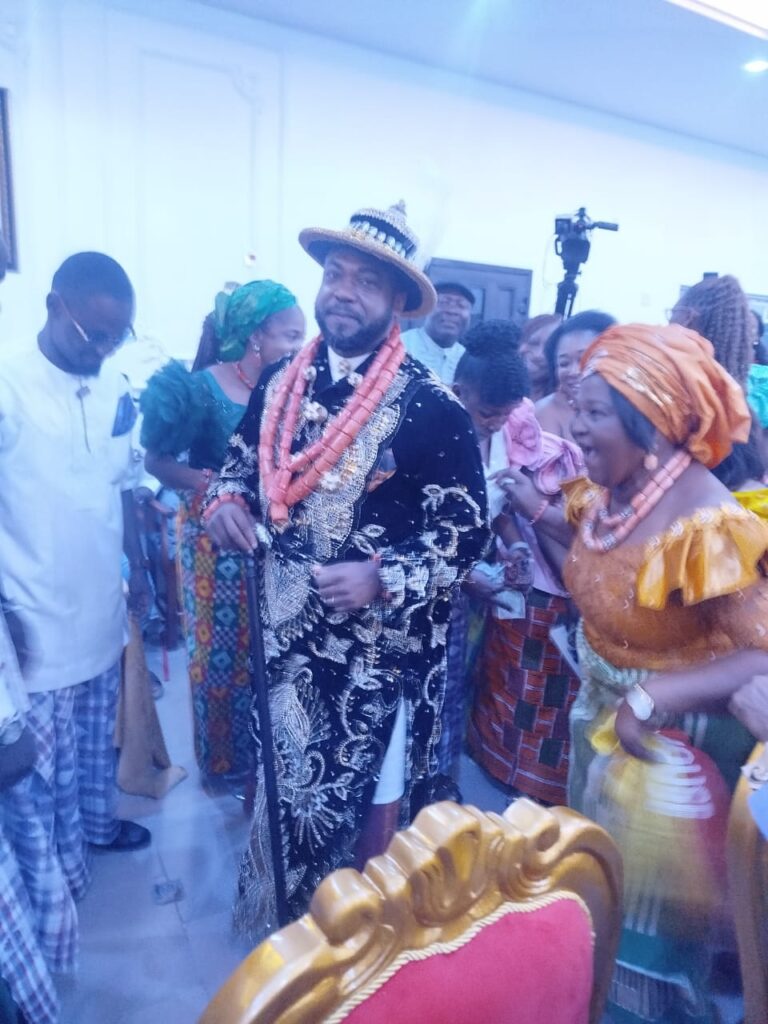
The celebration began on Friday, 5th December, with a deeply moving Praise and Worship session held with the widows of Finima. Joyous hymns, prayers, and declarations of hope filled the atmosphere as widows gathered in unity and peace.
Following the worship session, Christmas gifts were distributed to the widows, ensuring that every woman present received encouragement and support as the festive season approached. This act of compassion reflected Finima’s long-standing values of care, empathy, and communal responsibility.
The formal opening ceremony followed, bringing together families adorned in colourful traditional attire. The day included:
- Rhythmic and ancestral drum performances
- Cultural displays celebrating Ibani identity
- Traditional chants, salutations, and processions
- Symbolic rituals honouring the ancestors
Speakers highlighted Finima’s cultural depth—its historical origins dating back to the 11th century, centuries before neighbouring settlements—and reaffirmed its enduring autonomy and ancestral identity.
The first day came to a close with strengthened bonds among families, a revived sense of pride, and high anticipation for the days to come.
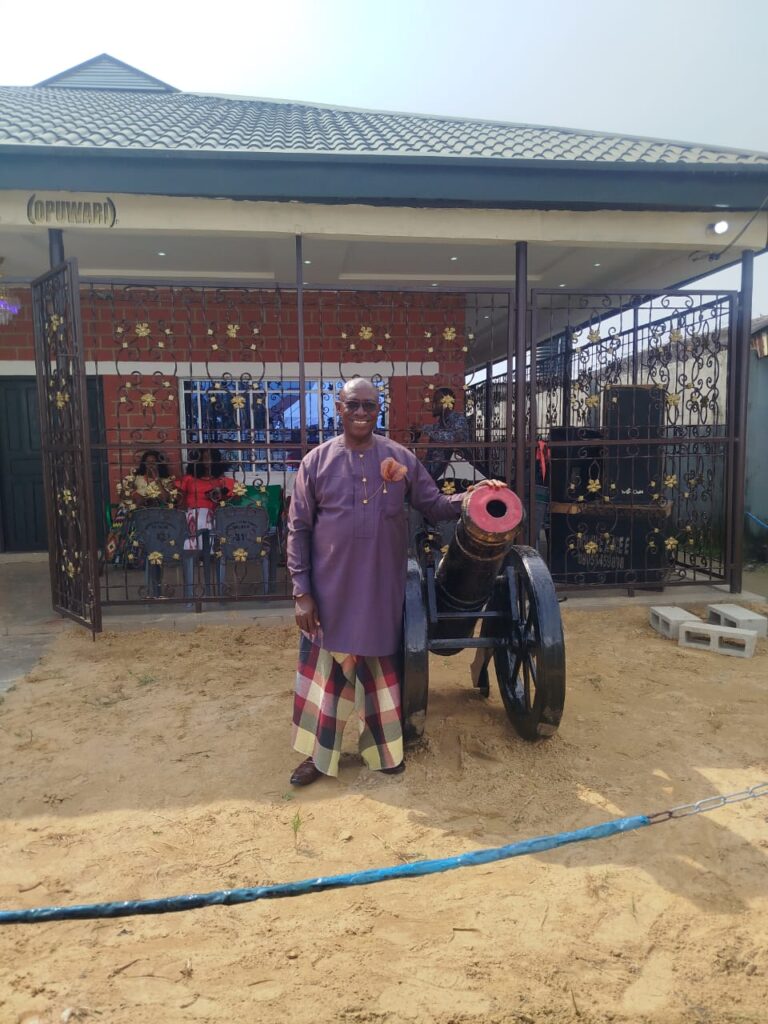

3. Day Two: Competitions, Talent Showcases, Youth Engagement, and Knowledge Exchange
Saturday was dedicated to showcasing the intellectual strength, cultural depth, and strategic brilliance of the Finima people. The major competitions of the day included:
- The Ibani Quiz Competition
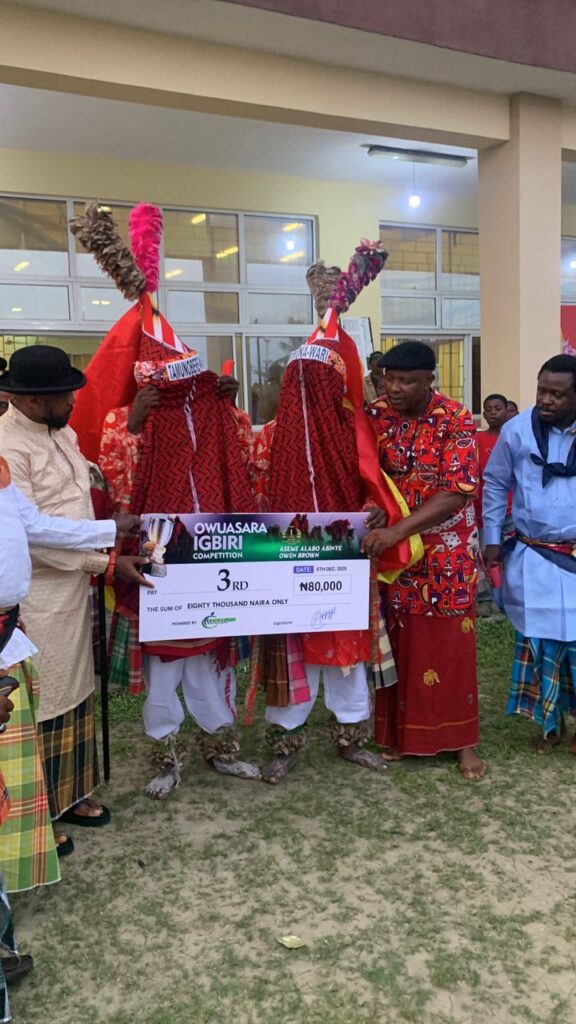
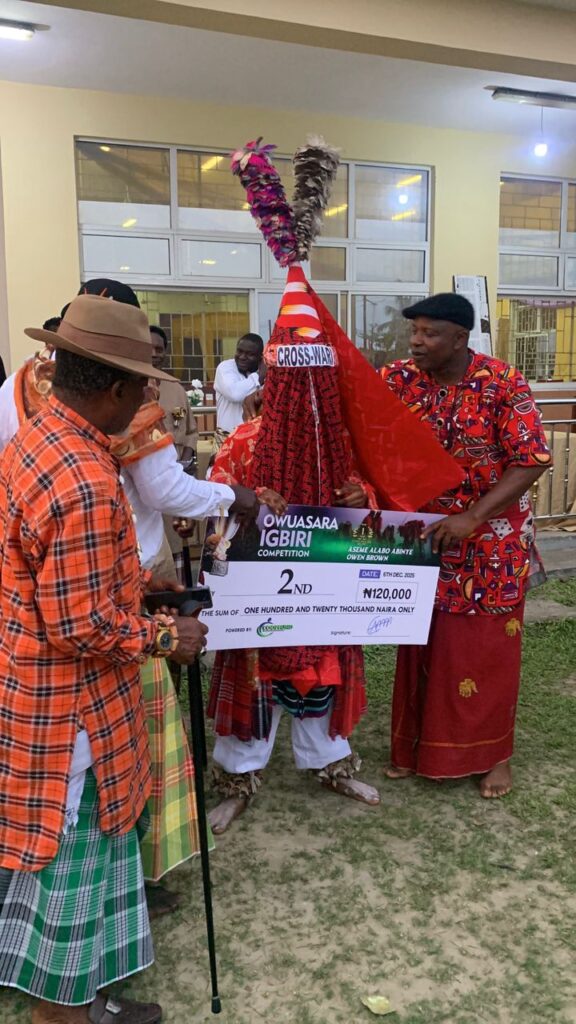
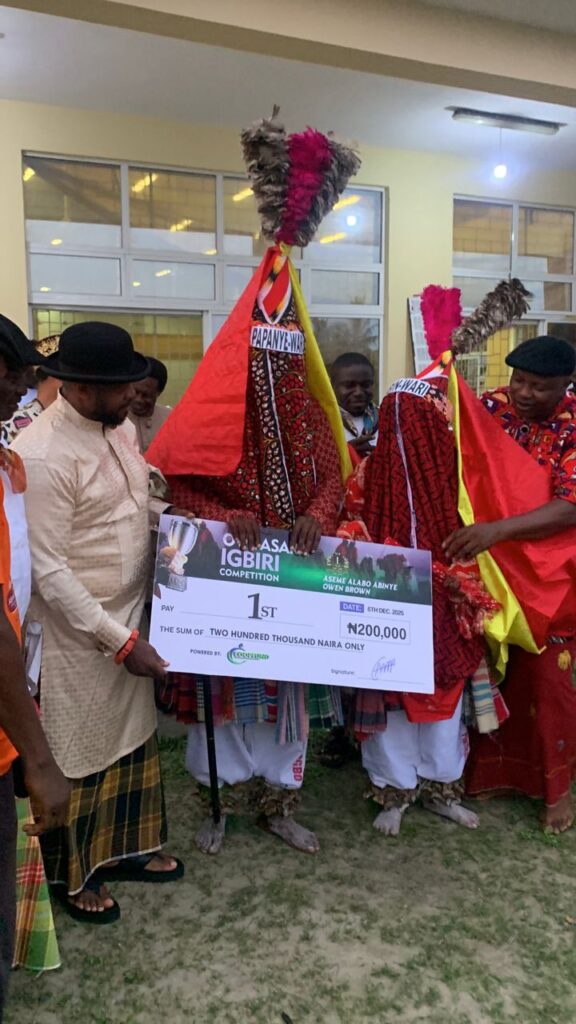
- The Owuasara Igbiri Cultural Contest
- The Chess Tournament
The competitions were judged and coordinated with fairness, professionalism, and cultural accuracy. Spectators applauded the impressive performances, particularly from the youth, who demonstrated a deep understanding of their culture, sharp intellect, and commitment to excellence.
Musical interludes, youth-led conversations, and cultural presentations enriched the day, transforming it from a contest into a platform for generational empowerment.
4. Day Three: Thanksgiving, Awards, and a Spectacular Grand Finale
Sunday opened with a beautiful Thanksgiving Service, during which the community expressed gratitude for unity, protection, and the remarkable success of the event.
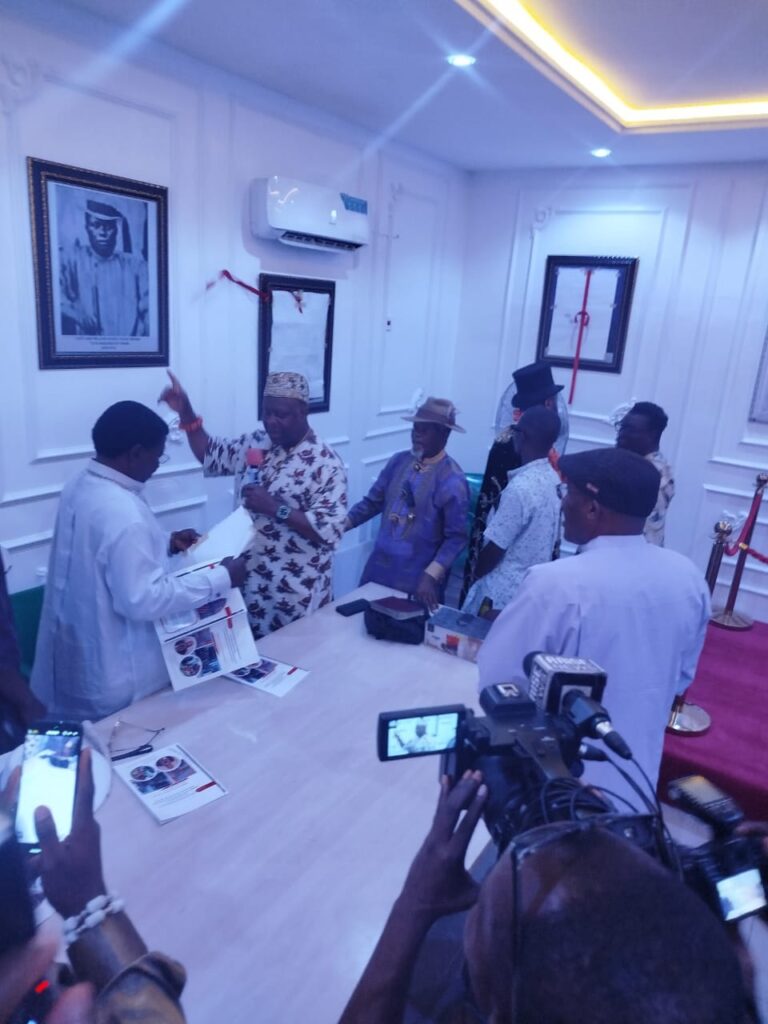
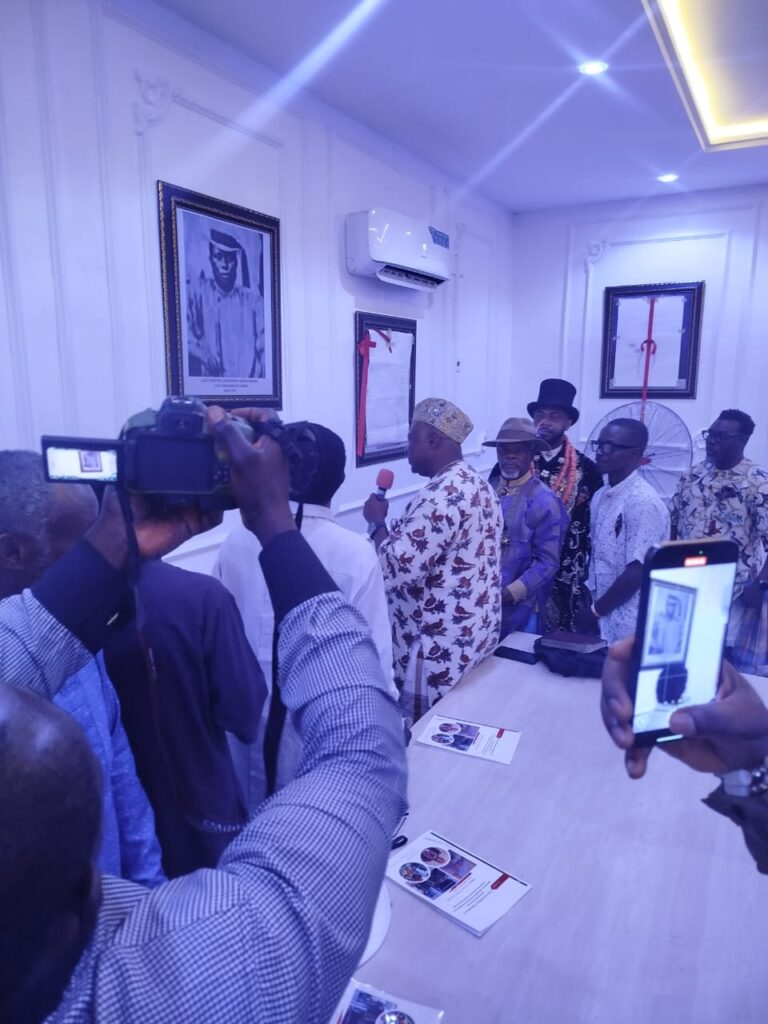
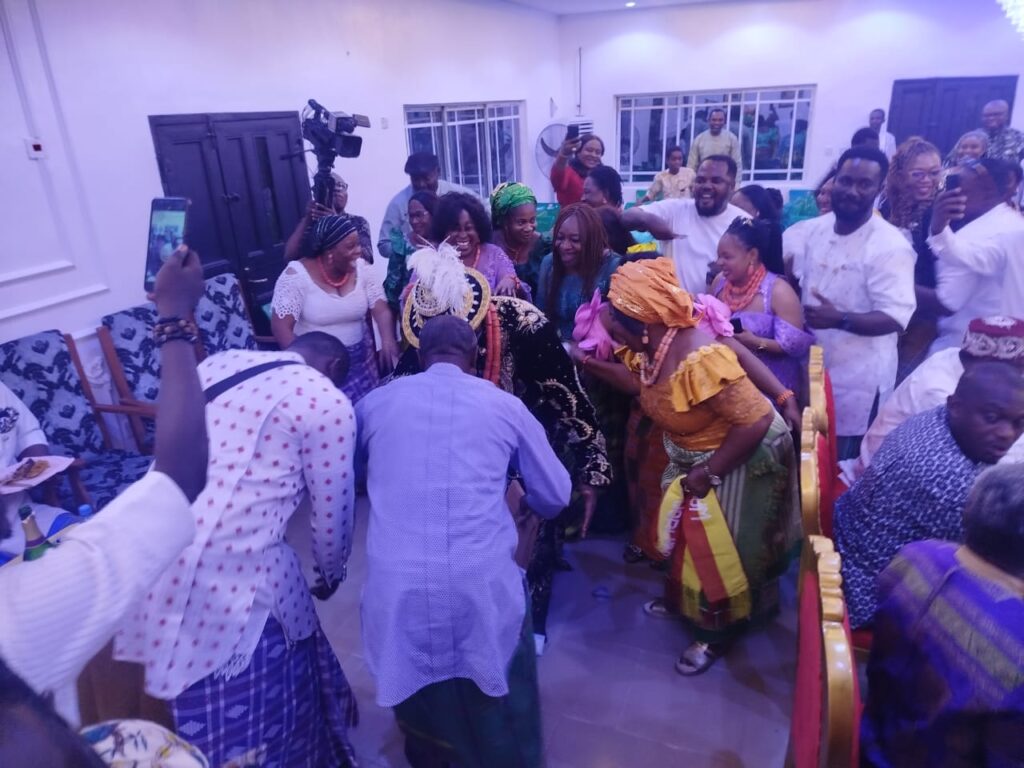
The evening was reserved for the Awards and Honours Ceremony, a moment filled with applause, pride, and emotion. Cultural performances continued into the late hours, and by the time the event drew to a close near midnight, it was clear that Finima had created a legacy that will stand the test of time.
5. Awards, Winners, and Celebrated Achievements
A central feature of the celebration was the formal recognition of excellence across intellectual, cultural, and strategic competitions. With over ₦1,000,000 presented in prizes, the community honourably celebrated intelligence, talent, and dedication.
A. Ibani Quiz Competition (₦300,000 Total)
- ₦150,000 – 1st Prize
Winner: Abraham Brown of Tamunobere (Adum)-Brown Chieftaincy House - ₦100,000 – 2nd Prize
Winner: Hon. Sotonye Emmanuel Brown of Dupuyo-Brown Chieftaincy House - ₦50,000 – 3rd Prize
Winner: Duma Brown of Akpa-Brown Chieftaincy House
B. Owuasara Igbiri Cultural Competition (₦400,000 Total)
- ₦200,000 – 1st Prize
Winners: Papanye-Brown and Tobin Chieftaincy Houses (tie) - ₦120,000 – 2nd Prize
Winner: Sokari Cross-Brown Chieftaincy House - ₦80,000 – 3rd Prize
Winners: Akpa-Brown and Animi-Minawari-Brown Chieftaincy Houses (tie)
C. Chess Tournament (₦350,000 Total)
- ₦150,000 – 1st Prize
Winner: Oluwadamilare Olusa - ₦120,000 – 2nd Prize
Winner: Prince … (name to be updated) - ₦80,000 – 3rd Prize
Winner: Gabriel Ibifubara Brown of Sokari Cross-Brown Chieftaincy House
6. Conferment of Wari-Opuorubo: Honouring Distinguished Women of Finima
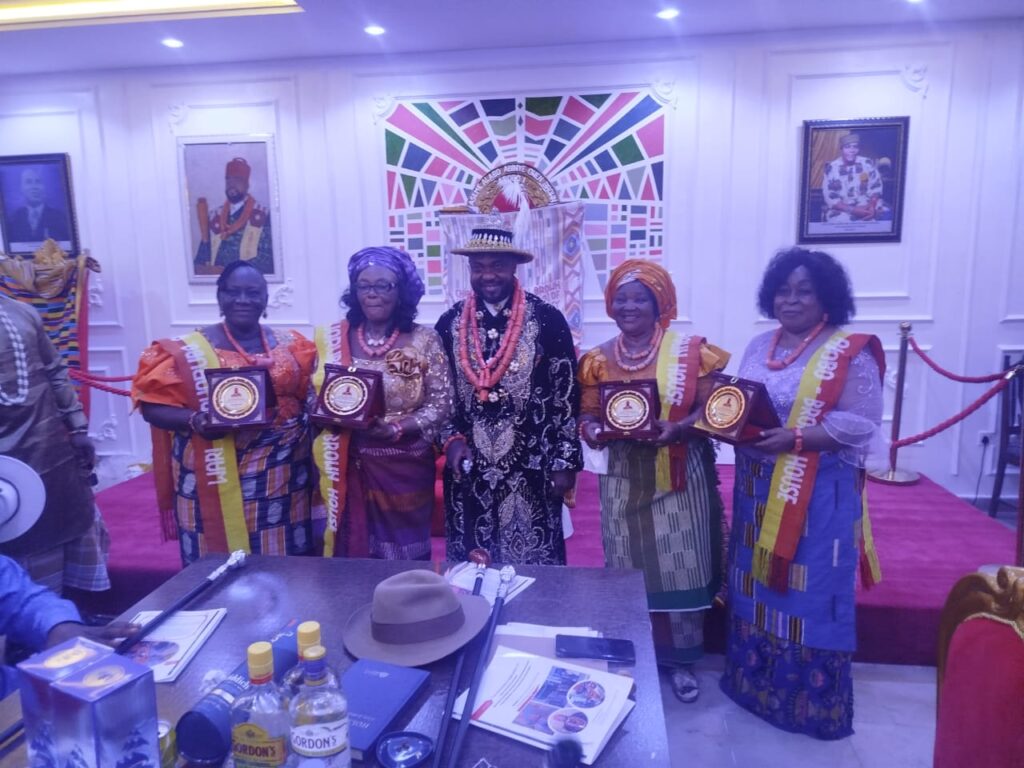
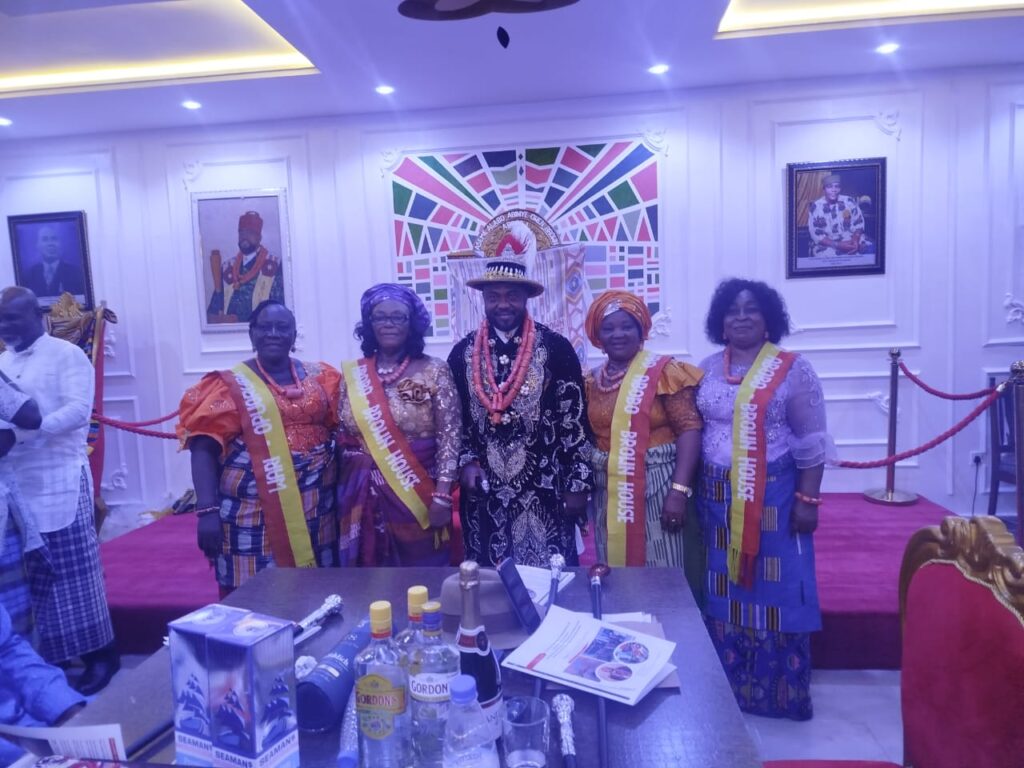
One of the most emotionally profound highlights of the celebration was the conferment of the Wari-Opuorubo, a revered honour bestowed upon women of exceptional character, cultural commitment, and service to Finima.
Living Recipients (with Burusu – Chieftaincy House Affiliations)
- Mrs Matilda Nnnena Nasamu
Burusu: Miemienyegosi - Mrs Sotonyemie Sunny Brown
Burusu: Miemienyegosi - Madam Elizabeth Odi Brown
Burusu: Miemienyegosi - Mrs Mina Alfred Koko Thomas
Burusu: Buoya - Mrs Abiebere Samuel Ibiabuo (née Allwell-Brown)
Burusu: Akara
Posthumous Recipient
- Mrs Zellah H. B. Brown
Burusu: Buowari
Their recognition reaffirmed the central role of women in sustaining the cultural values, moral strength, and generational identity of Finima.
7. Special Recognition: Honour for the Town Crier
In a heartfelt moment, the Aseme-Alabo, Abinye Owen Brown (Abobo I), awarded ₦200,000 to the Town Crier, Mr Victor Bubama “Aka Sparrow” Brown, in recognition of his diligence, loyalty, and consistent service in conveying vital messages across the community.
His service underscores the importance of traditional communication roles within the cultural administration of Finima.
8. The Significance of the Event: Why It Was Truly One of a Kind
This three-day celebration is remarkable for several reasons:
A. Authentic Cultural Revival
A genuine expression of Finima’s heritage and ancestral pride.
B. Intergenerational Participation
Children, youths, adults, and elders participated harmoniously.
C. Organisational Excellence
The programme was executed with precision, professionalism, and unity.
D. Youth Empowerment
Competitions highlighted and strengthened emerging talents.
E. Strengthened Governance Structures
The involvement of chiefs and councils reinforced harmony and leadership.
F. Restoration of Historical Confidence
The event reaffirmed Finima’s long-standing cultural sovereignty and origins.
9. The Human Element: Volunteers, Sponsors, Coordinators, and Cultural Stewards
Behind the scenes were tireless individuals whose selfless efforts ensured the seamless execution of the programme. Volunteers, cultural custodians, security teams, youth leaders, logistics personnel, and sponsors all played invaluable roles.
Their unity reflects the spirit of Finima: a community where service, collaboration, and honour are foundational.
10. A Legacy That Will Shape the Future
Beyond the celebrations, this historic event has:
- Revived cultural pride
- Set a new benchmark for community festivals
- Documented Finima’s heritage for generations to come
- Reinforced identity and unity
- Positioned youth as custodians of continuity
It stands as a defining chapter in Finima’s evolving story.
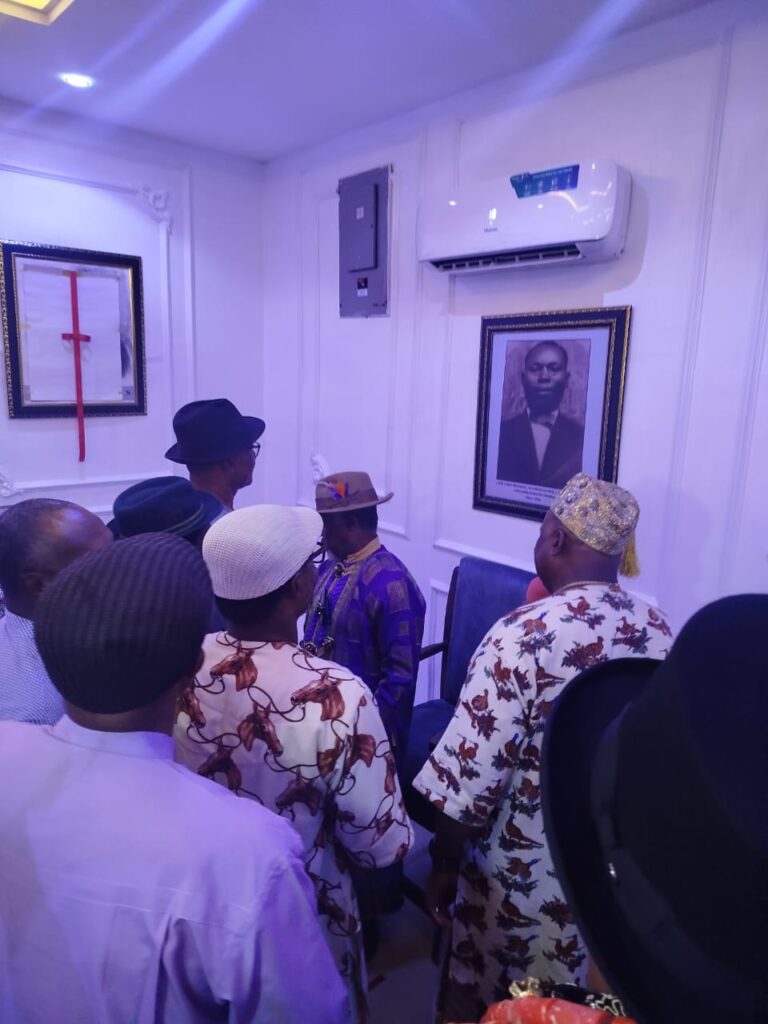

11. Conclusion: Finima Made History
Between 5th and 7th December, Finima did not merely host an event—it made history.
The execution was exceptional.
The turnout was overwhelming.
The emotions were powerful.
The legacy is permanent.
As the drums faded late Sunday night and families returned home, one truth stood clear:
Finima is rising—again, proudly and irreversibly.
The 2025 celebration will remain remembered not only for what happened, but for what it symbolised:
Unity. Heritage. Destiny.
The unstoppable spirit of the Finima people.
By Engr Tamunofiniarisa Brown
You must be logged in to post a comment.