Finima – Bonny LGA, Rivers State, Nigeria – March 2, 2026 — The Finima community continues to make headlines with a mix of progressive development, cultural pride, and community-driven action that’s shaping the future of this historic coastal settlement on Bonny Island.
🛣️ New Road and Infrastructure Developments Near Finima
In a major investment for local connectivity, key stakeholders including the Nigeria Liquefied Natural Gas (NLNG) company and the Bonny Local Government have recently commissioned a 1.55-kilometre stretch of road close to Finima. The project is expected to improve access, reduce travel times, and spur economic activity for residents living in and around the community.
🚰 Clean Water Projects for Riverine Settlements
Rt. Hon. Victor Oko Jumbo, a community leader and former chairman, has installed new potable water systems at multiple fishing settlements, including River 7 in Finima. Local residents have welcomed these projects — which bring safe drinking water closer to homes and help improve health outcomes for families that rely on waterways for their daily lives.
🌱 Sustainability and Community Health Initiatives
In August 2025, the Finima Youth Congress led a successful market sanitation exercise at Agaja Market, bringing traders together to clean and organize their trading space. This grassroots public health effort highlighted the community’s commitment to cleanliness and environmental stewardship — even as leaders continue to advocate for improved infrastructure like new boreholes to support sanitation.
📜 Cultural Identity and Heritage Recognition
Finima’s ancient roots are being celebrated and shared widely. Historical research, including posts on local platforms like finima.net, has helped underscore that Finima long predates the later formation of Bonny, with origins traced back as far as the 11th century — giving residents renewed pride in their heritage and storytelling.
📈 A Community Looking Forward
Together, these developments show a community that is not only preserving its cultural legacy but also driving practical improvements in public health, infrastructure, and living standards. With sustained engagement between leaders, youth groups, and private partners, Finima continues to grow as both a historical beacon and a vibrant place to live, work, and visit.
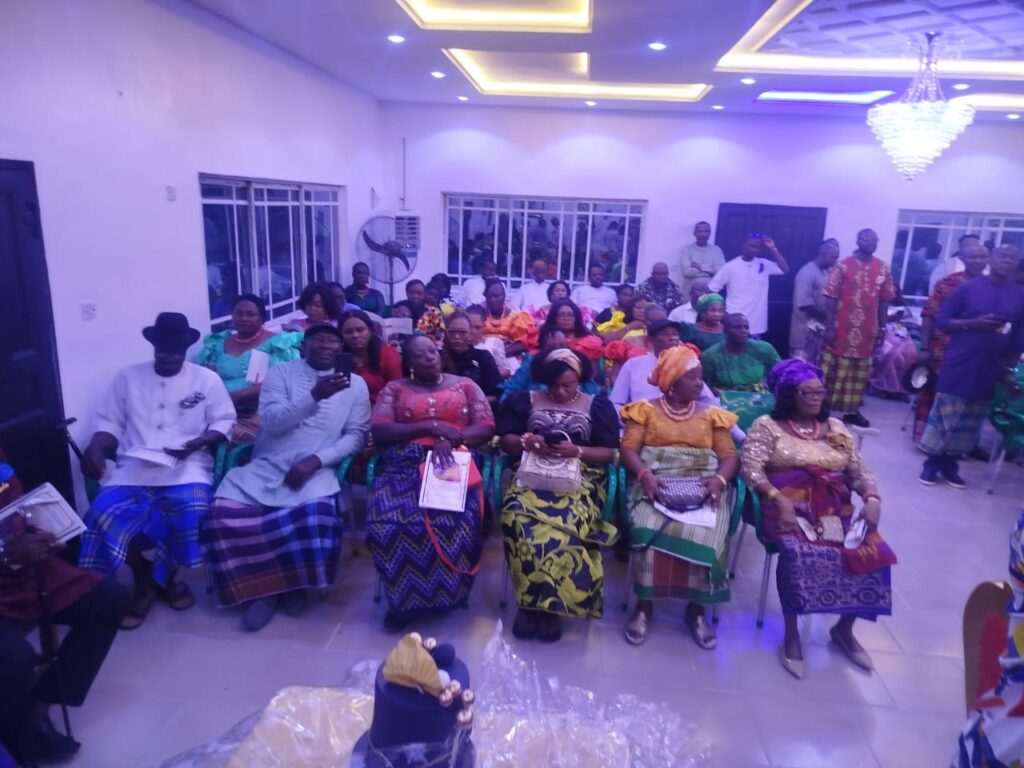
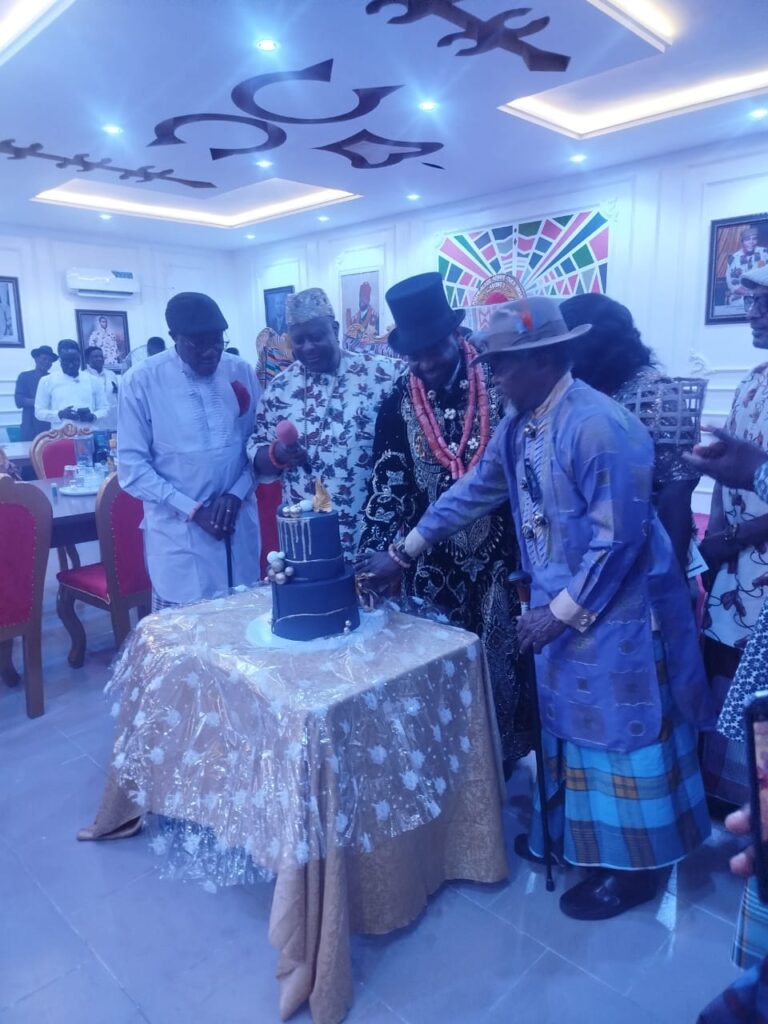
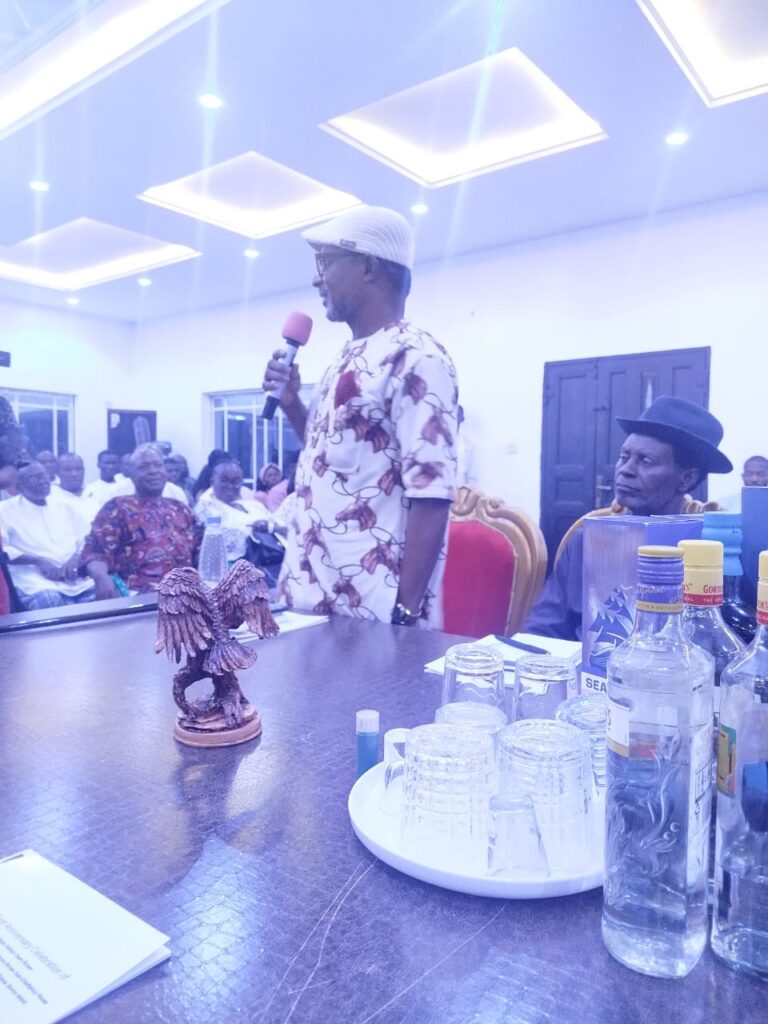
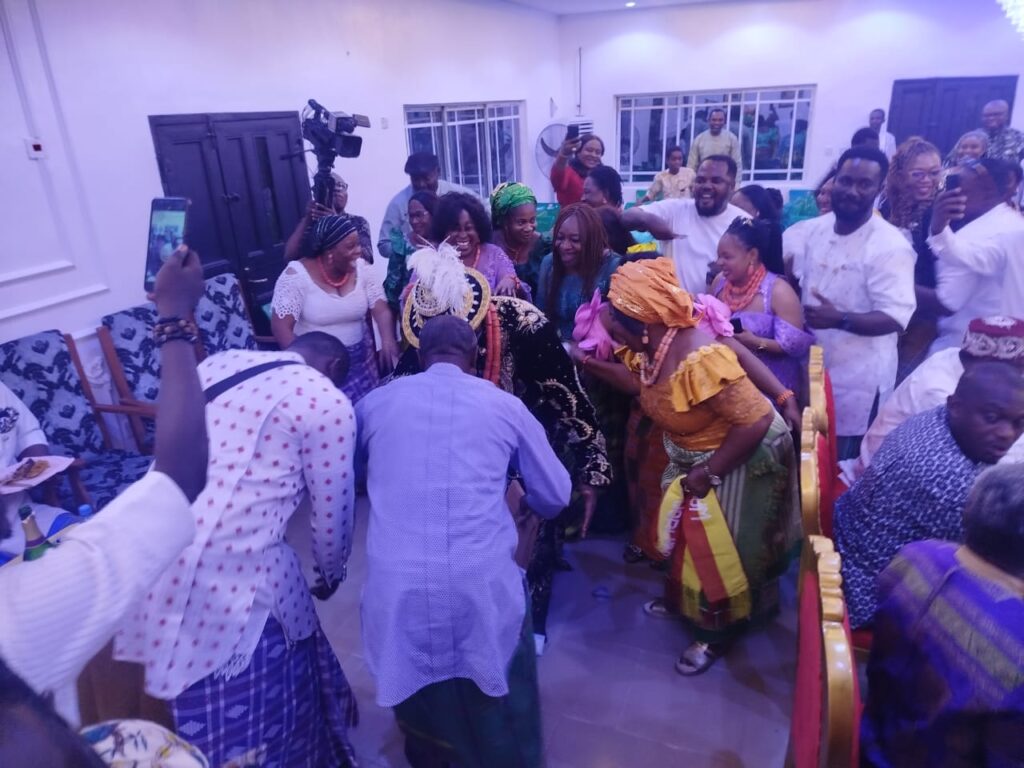
From Friday, 5th December to almost midnight on Sunday, 7th December, the community of Finima witnessed a truly historic moment—an event so remarkably executed, so thoughtfully coordinated, and so deeply meaningful that it is already being described as one of its kind in the history of our people. What unfolded over those three days was far more than a programme; it was a cultural renaissance, a communal awakening, and a powerful testament to unity, leadership, and ancestral pride.
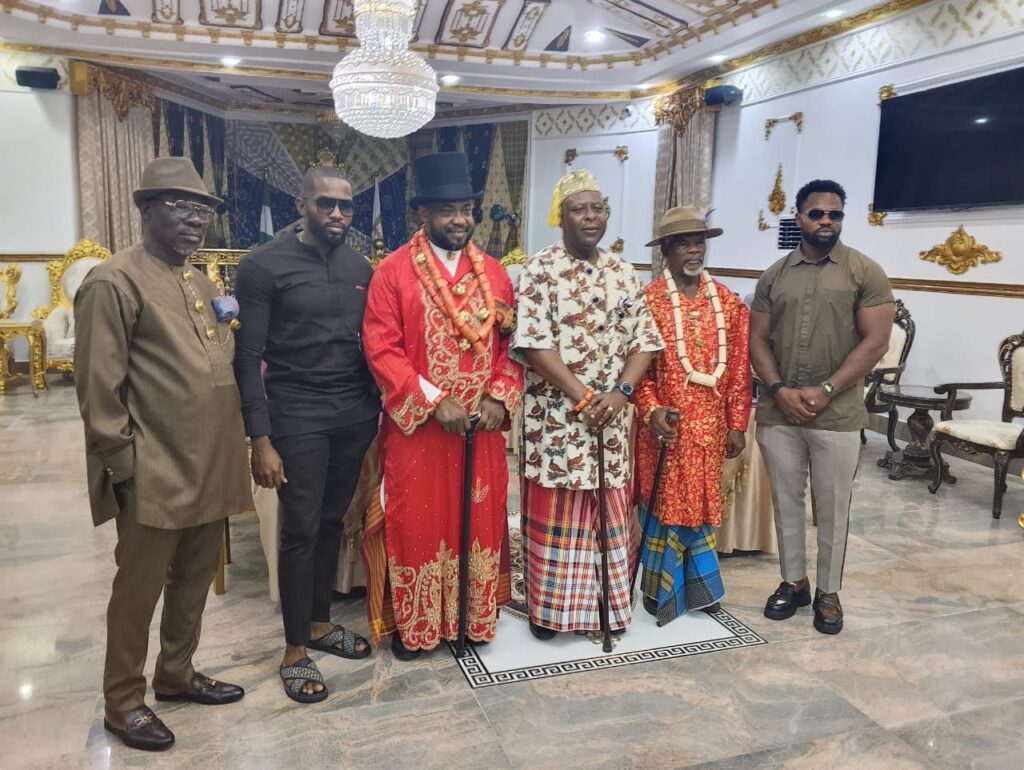
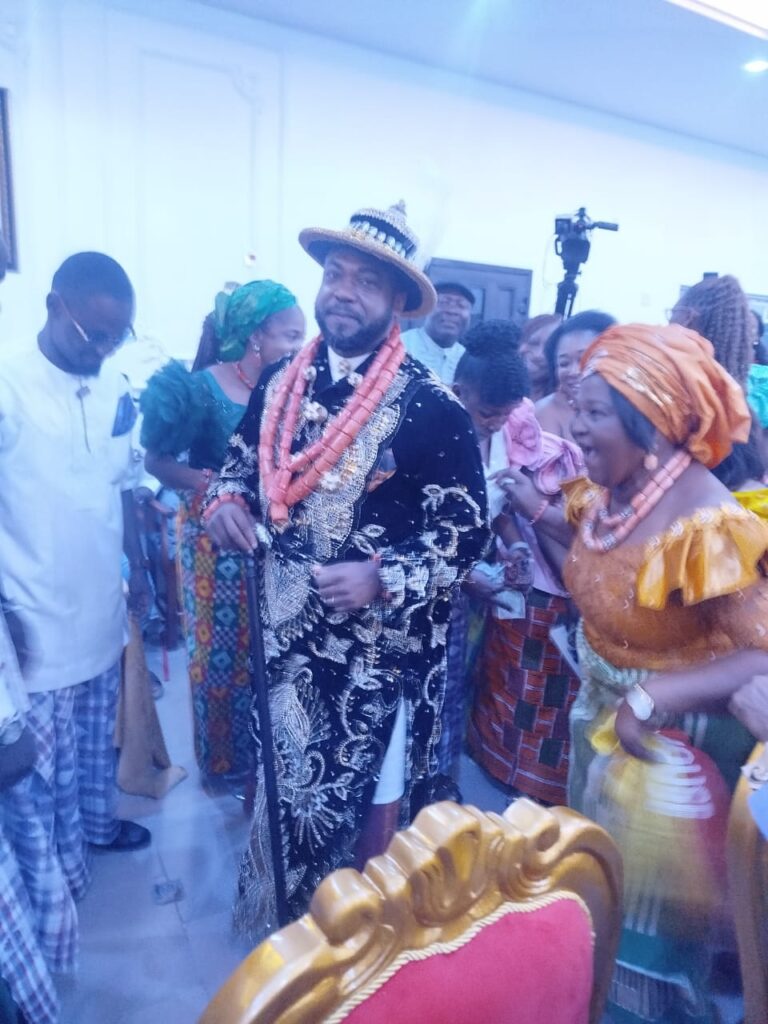
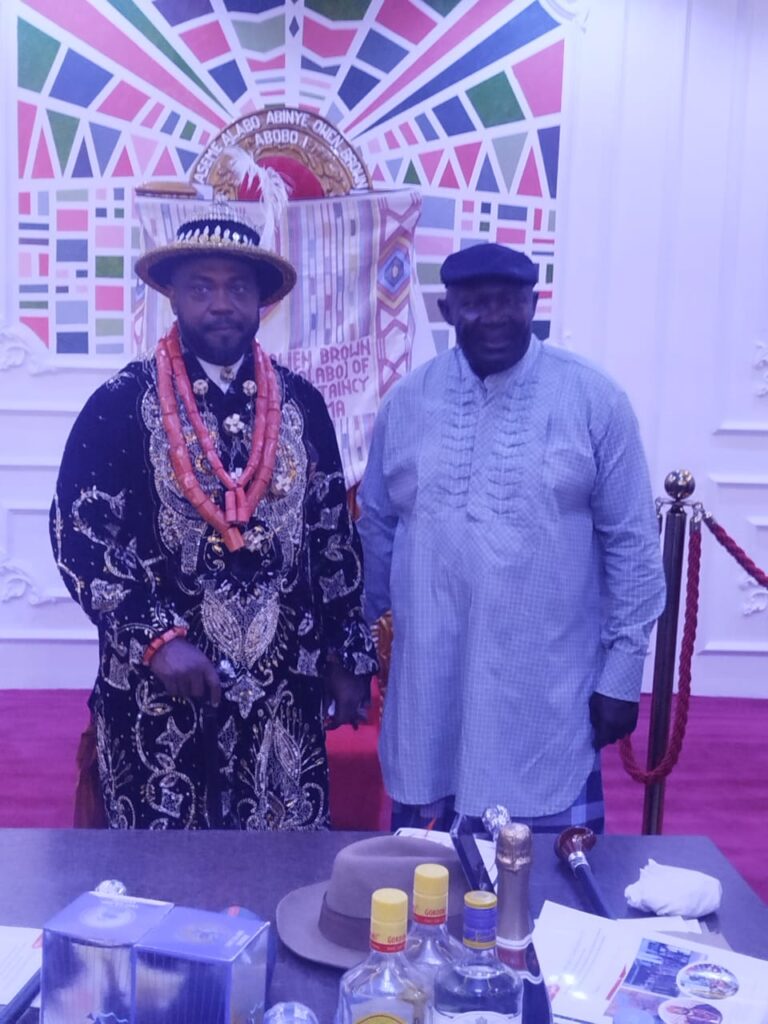
Held under the distinguished authority of the Aseme-Alabo, Abinye Owen Brown, Abobo I, and supported by the Abobo-Brown Sub-Chieftaincy House, the Aseme Alabo-in-Council (Wariseniapu), the Amadabo and his Council of Aseme Alapu, and a dedicated planning team, the event brought together sons and daughters of Finima from far and near. Through meticulous organisation and collective spirit, the programme emerged as one of the most memorable events in the contemporary history of Finima.
This news feature captures the significance, execution, impact, and lasting legacy of a celebration that will be remembered across generations.
1. A Vision Transformed Into Reality
Every historic event begins with a vision. What distinguishes this one is how that vision was transformed—through leadership, collaboration, and devotion—into an extraordinary experience. Under the guidance of the Aseme-Alabo, the three-day celebration embodied the ideals of:
Cultural preservation
Generational unity
Youth empowerment
Community pride
Organisational excellence
Each day was curated to reflect the enduring identity of Finima—ancient yet evolving, rooted yet forward-looking.
The commitment to planning could be felt in the timeliness of activities, the effective coordination of logistics, and the collective ownership demonstrated by volunteers, security teams, cultural leaders, women’s groups, youth associations, and sponsors. Finima proved, once again, that unity makes greatness inevitable.
2. Day One: Praise & Worship with Widows, Gift Distribution, Opening Ceremony, and Cultural Reawakening
The celebration began on Friday, 5th December, with a deeply moving Praise and Worship session held with the widows of Finima. Joyous hymns, prayers, and declarations of hope filled the atmosphere as widows gathered in unity and peace. Following the worship session, Christmas gifts were distributed to the widows, ensuring that every woman present received encouragement and support as the festive season approached. This act of compassion reflected Finima’s long-standing values of care, empathy, and communal responsibility.
The formal opening ceremony followed, bringing together families adorned in colourful traditional attire. The day included:
Rhythmic and ancestral drum performances
Cultural displays celebrating Ibani identity
Traditional chants, salutations, and processions
Symbolic rituals honouring the ancestors
Speakers highlighted Finima’s cultural depth—its historical origins dating back to the 11th century, centuries before neighbouring settlements—and reaffirmed its enduring autonomy and ancestral identity.
The first day came to a close with strengthened bonds among families, a revived sense of pride, and high anticipation for the days to come.
3. Day Two: Competitions, Talent Showcases, Youth Engagement, and Knowledge Exchange
Saturday was dedicated to showcasing the intellectual strength, cultural depth, and strategic brilliance of the Finima people. The major competitions of the day included:
The Ibani Quiz Competition
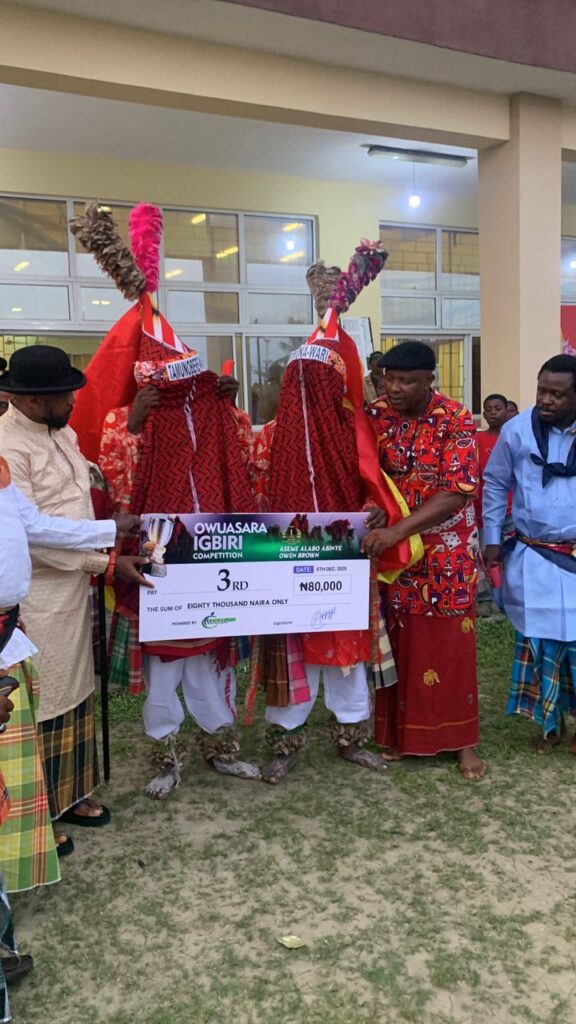
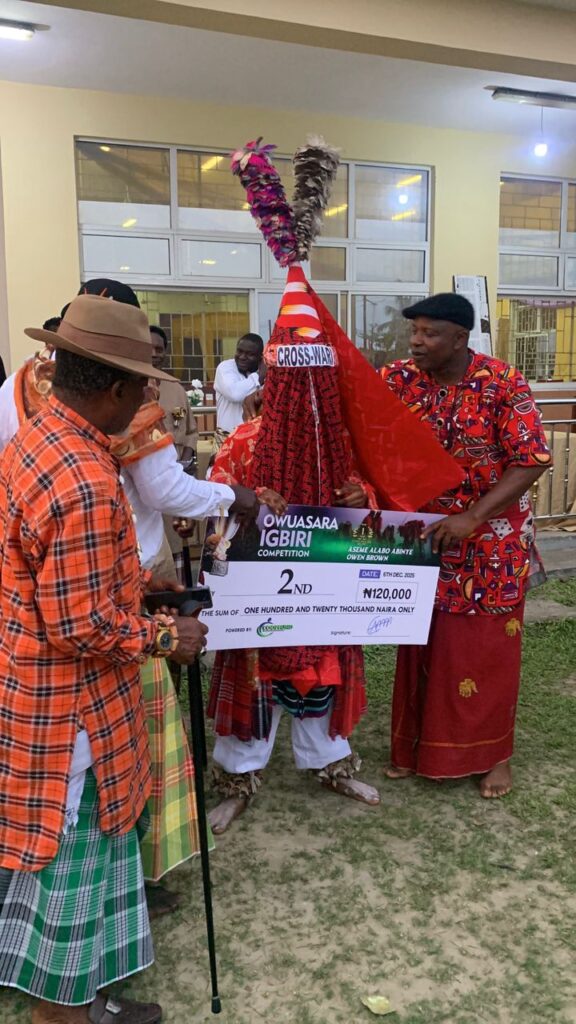
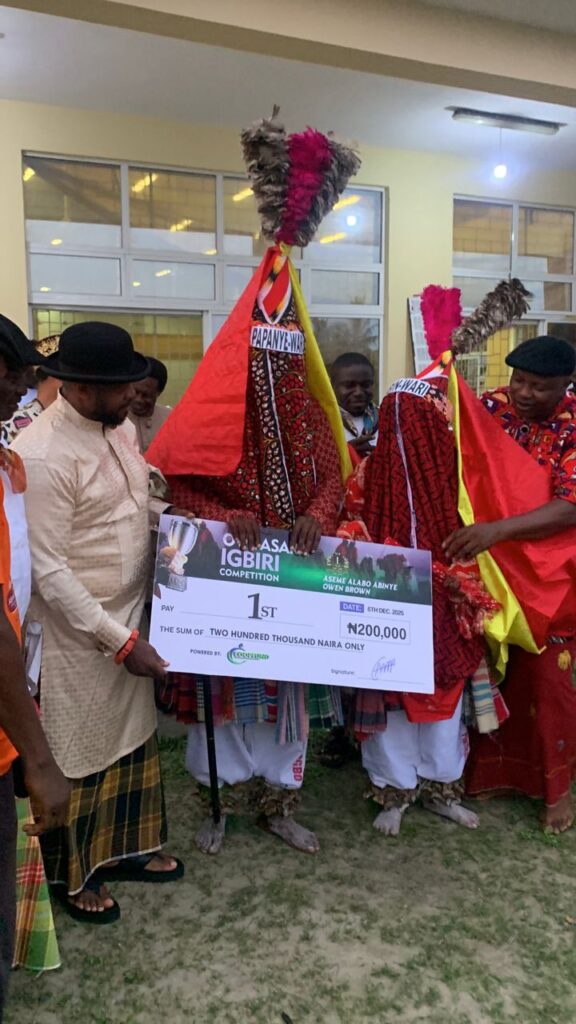
The Owuasara Igbiri Cultural Contest
The Chess Tournament
The competitions were judged and coordinated with fairness, professionalism, and cultural accuracy. Spectators applauded the impressive performances, particularly from the youth, who demonstrated a deep understanding of their culture, sharp intellect, and commitment to excellence.
Musical interludes, youth-led conversations, and cultural presentations enriched the day, transforming it from a contest into a platform for generational empowerment.
4. Day Three: Thanksgiving, Awards, and a Spectacular Grand Finale
Sunday opened with a beautiful Thanksgiving Service, during which the community expressed gratitude for unity, protection, and the remarkable success of the event.
The evening was reserved for the Awards and Honours Ceremony, a moment filled with applause, pride, and emotion. Cultural performances continued into the late hours, and by the time the event drew to a close near midnight, it was clear that Finima had created a legacy that will stand the test of time.
5. Awards, Winners, and Celebrated Achievements
A central feature of the celebration was the formal recognition of excellence across intellectual, cultural, and strategic competitions. With over ₦1,000,000 presented in prizes, the community honourably celebrated intelligence, talent, and dedication.
A. Ibani Quiz Competition (₦300,000 Total)
₦150,000 – 1st Prize Winner:Abraham Brown of Tamunobere (Adum)-Brown Chieftaincy House
₦100,000 – 2nd Prize Winner:Hon. Sotonye Emmanuel Brown of Dupuyo-Brown Chieftaincy House
₦50,000 – 3rd Prize Winner:Duma Brown of Akpa-Brown Chieftaincy House
B. Owuasara Igbiri Cultural Competition (₦400,000 Total)
₦200,000 – 1st Prize Winners:Papanye-Brown and Tobin Chieftaincy Houses(tie)
₦120,000 – 2nd Prize Winner:Sokari Cross-Brown Chieftaincy House
₦80,000 – 3rd Prize Winners:Akpa-Brown and Animi-Minawari-Brown Chieftaincy Houses(tie)
C. Chess Tournament (₦350,000 Total)
₦150,000 – 1st Prize Winner:Oluwadamilare Olusa
₦120,000 – 2nd Prize Winner:Prince … (name to be updated)
₦80,000 – 3rd Prize Winner:Gabriel Ibifubara Brown of Sokari Cross-Brown Chieftaincy House
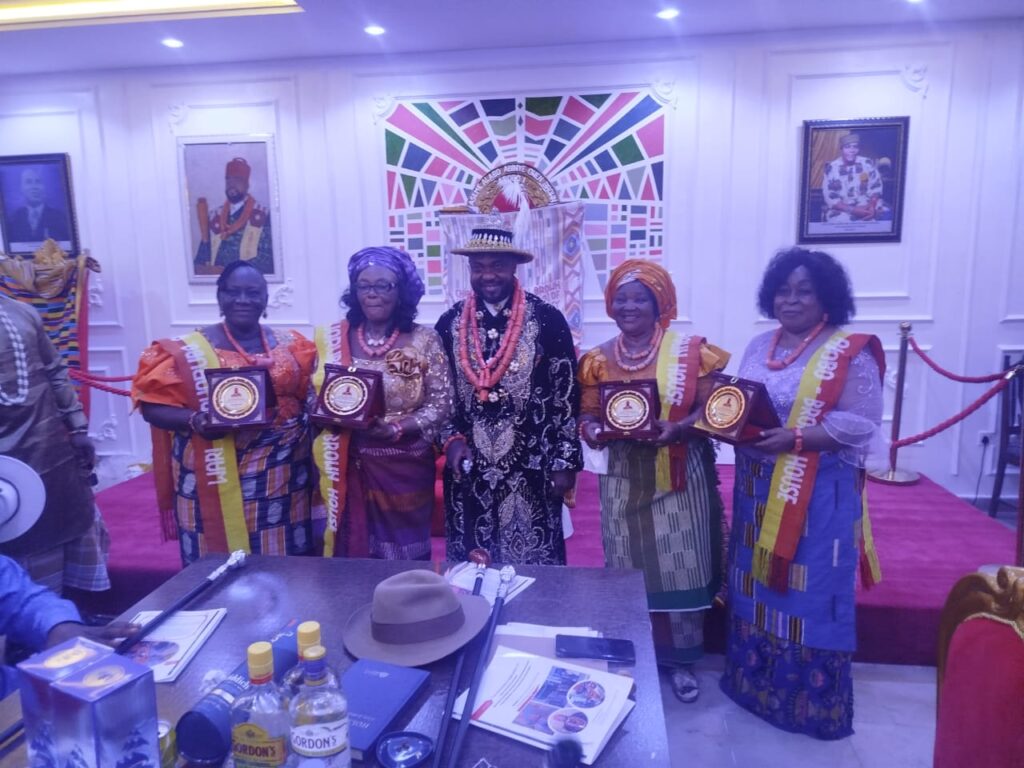
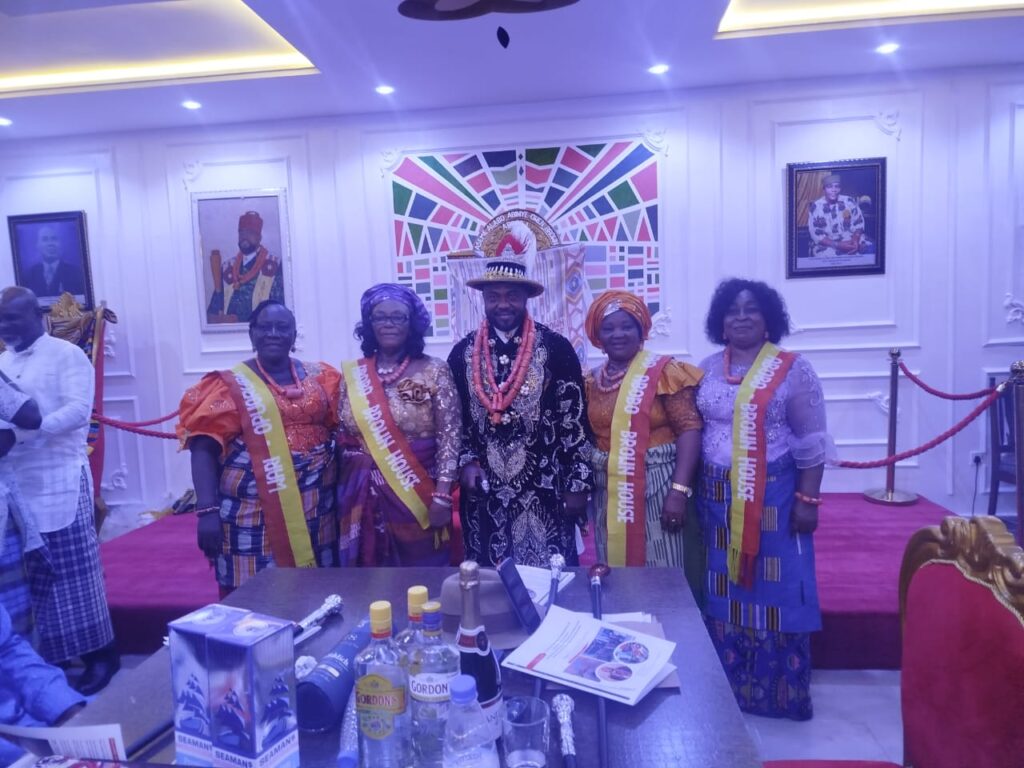
6. Conferment of Wari-Opuorubo: Honouring Distinguished Women of Finima
One of the most emotionally profound highlights of the celebration was the conferment of the Wari-Opuorubo, a revered honour bestowed upon women of exceptional character, cultural commitment, and service to Finima.
Living Recipients (with Burusu – Chieftaincy House Affiliations)
Mrs Matilda Nnnena Nasamu Burusu:Miemienyegosi
Mrs Sotonyemie Sunny Brown Burusu:Miemienyegosi
Madam Elizabeth Odi Brown Burusu:Miemienyegosi
Mrs Mina Alfred Koko Thomas Burusu:Buoya
Mrs Abiebere Samuel Ibiabuo (née Allwell-Brown) Burusu:Akara
Posthumous Recipient
Mrs Zellah H. B. Brown Burusu:Buowari
Their recognition reaffirmed the central role of women in sustaining the cultural values, moral strength, and generational identity of Finima.
7. Special Recognition: Honour for the Town Crier
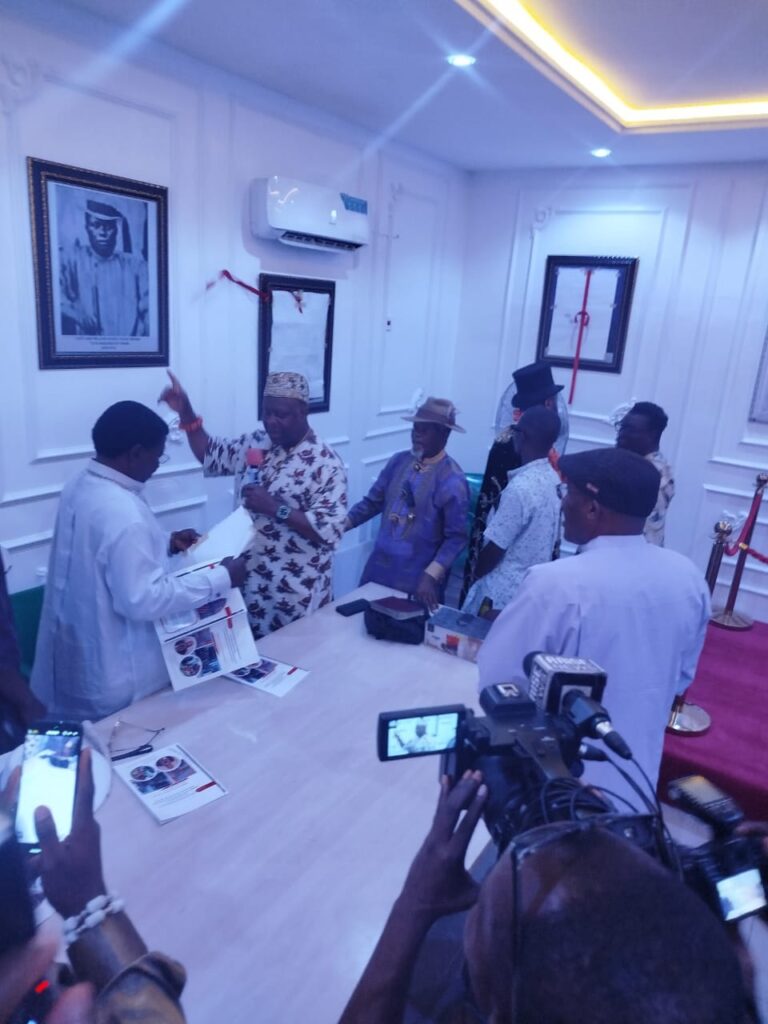
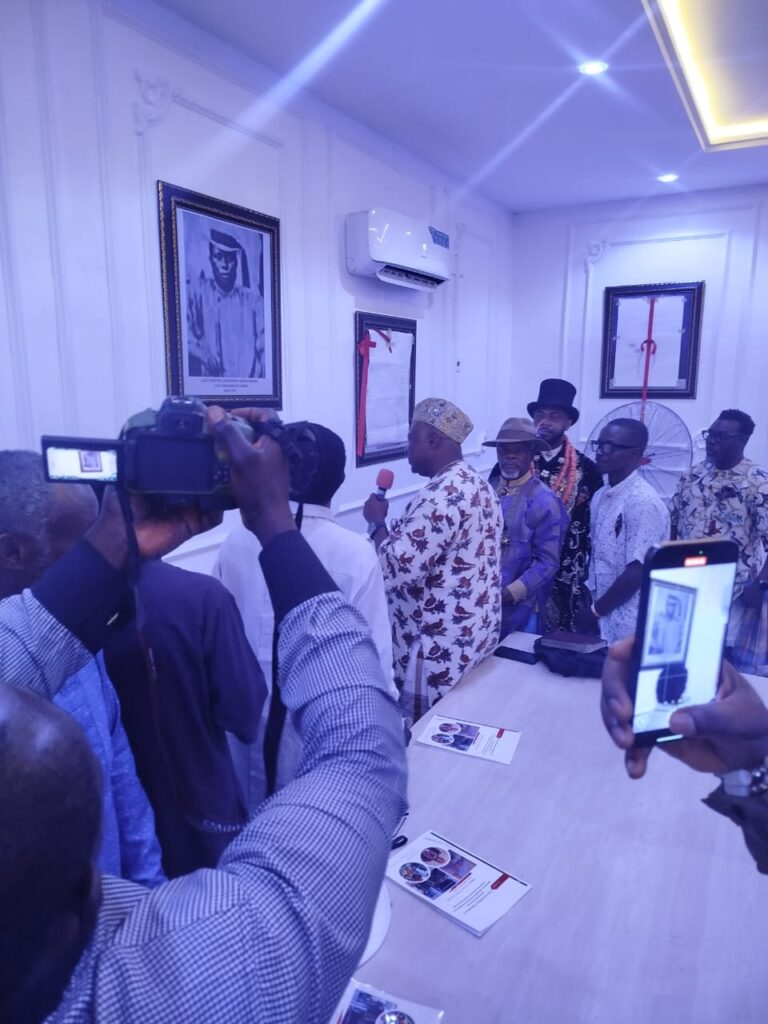
In a heartfelt moment, the Aseme-Alabo, Abinye Owen Brown (Abobo I), awarded ₦200,000 to the Town Crier, Mr Victor Bubama “Aka Sparrow” Brown, in recognition of his diligence, loyalty, and consistent service in conveying vital messages across the community.
His service underscores the importance of traditional communication roles within the cultural administration of Finima.
8. The Significance of the Event: Why It Was Truly One of a Kind
This three-day celebration is remarkable for several reasons:
A. Authentic Cultural Revival
A genuine expression of Finima’s heritage and ancestral pride.
B. Intergenerational Participation
Children, youths, adults, and elders participated harmoniously.
C. Organisational Excellence
The programme was executed with precision, professionalism, and unity.
D. Youth Empowerment
Competitions highlighted and strengthened emerging talents.
E. Strengthened Governance Structures
The involvement of chiefs and councils reinforced harmony and leadership.
F. Restoration of Historical Confidence
The event reaffirmed Finima’s long-standing cultural sovereignty and origins.
9. The Human Element: Volunteers, Sponsors, Coordinators, and Cultural Stewards
Behind the scenes were tireless individuals whose selfless efforts ensured the seamless execution of the programme. Volunteers, cultural custodians, security teams, youth leaders, logistics personnel, and sponsors all played invaluable roles.
Their unity reflects the spirit of Finima: a community where service, collaboration, and honour are foundational.
10. A Legacy That Will Shape the Future
Beyond the celebrations, this historic event has:
Revived cultural pride
Set a new benchmark for community festivals
Documented Finima’s heritage for generations to come
Reinforced identity and unity
Positioned youth as custodians of continuity
It stands as a defining chapter in Finima’s evolving story.
11. Conclusion: Finima Made History
Between 5th and 7th December, Finima did not merely host an event—it made history.
The execution was exceptional. The turnout was overwhelming. The emotions were powerful. The legacy is permanent.
As the drums faded late Sunday night and families returned home, one truth stood clear:
Finima is rising—again, proudly and irreversibly.
The 2025 celebration will remain remembered not only for what happened, but for what it symbolised: Unity. Heritage. Destiny. The unstoppable spirit of the Finima people.
By Engr Tamunofiniarisa Brown
WATCH OUT FOR THE INTER-ALAWARI UNITY GAME COMPETITION
By Engr. Tamunofiniarisa Brown, Tamfis Nigeria Limited
Introduction
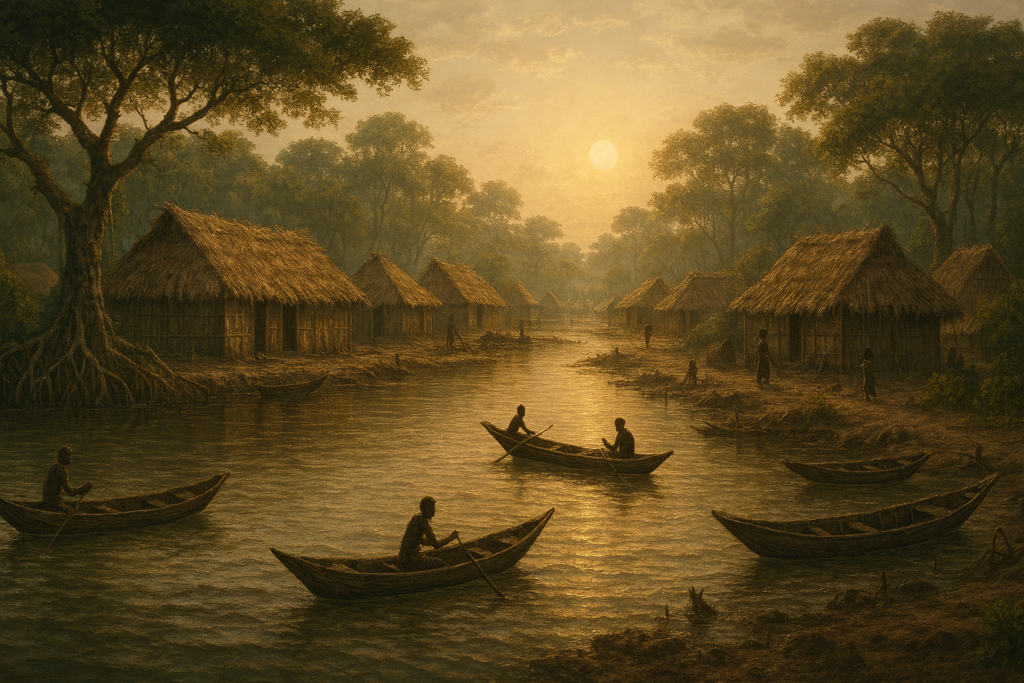
The story of Finima is not merely a sub-chapter of Bonny history — it is the foundation upon which the later Bonny civilisation evolved. Long before the emergence of the Bonny Kingdom as a trading and political power in the Niger Delta, Finima already existed as a vibrant riverine community — a cradle of Ibani heritage and maritime culture.
This post consolidates credible historical, anthropological, and legal sources to reaffirm that Finima predates Bonny by several centuries. It also clarifies that the later relationship between the two entities was a negotiated confederation formed in the 14th century, rather than conquest or assimilation.
1️⃣ Finima’s Ancient Origins (11th Century AD)
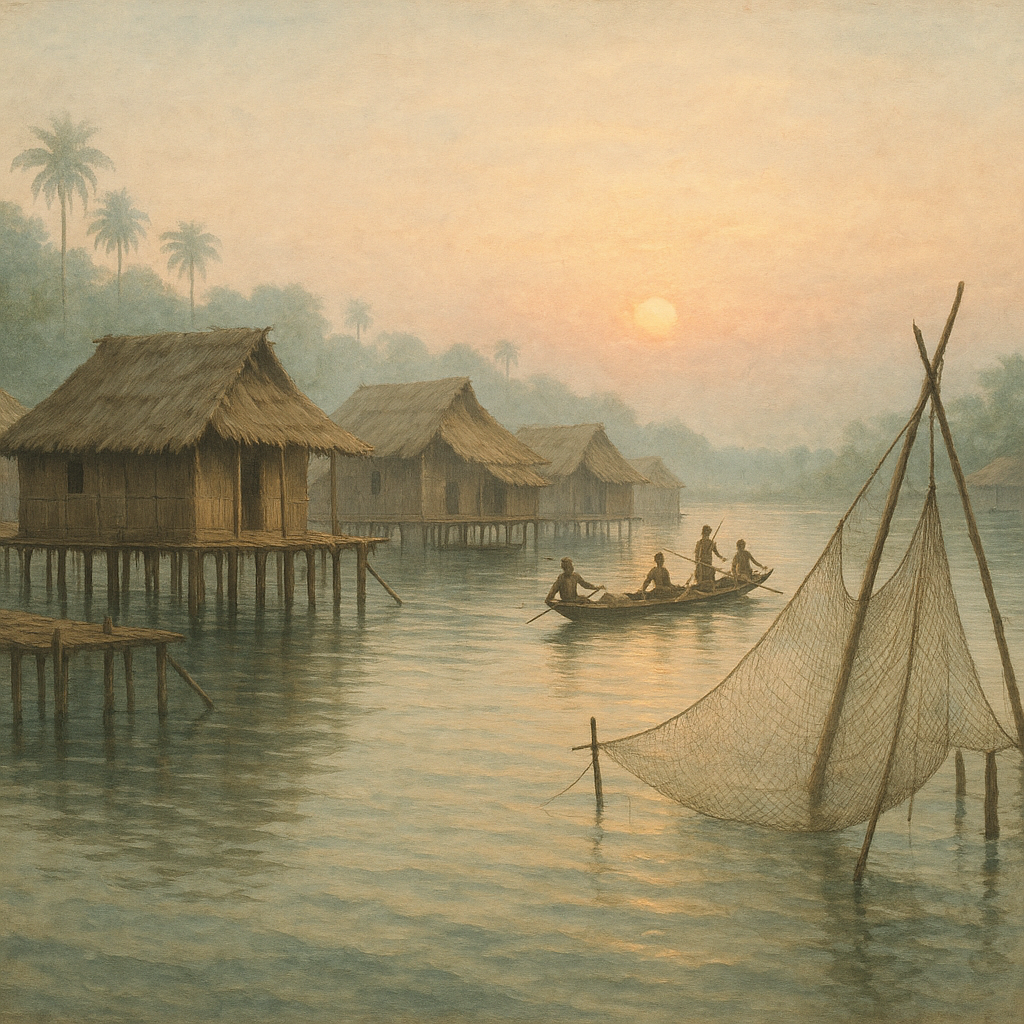
According to reputable historical records, Finima was already a flourishing coastal settlement as early as 1000 AD, centuries before Bonny’s consolidation at Okoloama. The Buoye Omuso (Brown) House — also known as the Kongo lineage — traces its ancestry to the Isedani of Kolokuma origin in the Central Niger Delta, establishing Finima as one of the earliest Ijaw-Ibani settlements in the Rio Real region (Finima.net, 2025).
“Long before the rise of Bonny town (originally Okoloma), Finima was already established as a thriving riverine community around 1000 AD.” (Finima.net, 2025)
This aligns with the broader Ibani chronology outlined by Bristol-Alagbariya (2022), who confirms that the primordial house-system of Grand Bonny began forming before 1000 AD, rooted in ancient family groupings that later became the Duawari Houses.
Finima, therefore, represents one of the earliest nuclei of Ibani civilisation—a proto-community that laid the groundwork for the later kingdom of Bonny.
2️⃣ Finima as a Founding Duawari House
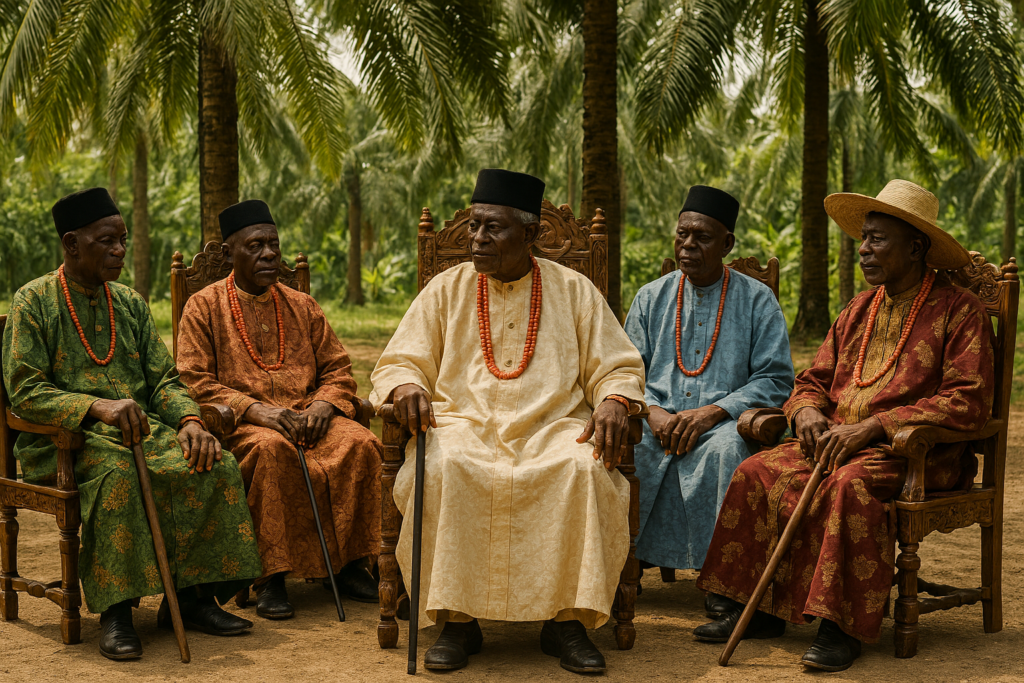
Finima’s Buoye Omuso (Brown) House stands proudly among the five Duawari Houses—the aboriginal founding lineages of the Bonny kingdom (Bristol-Alagbariya, 2022). The Duawari were the blood-descended progenitors whose settlements formed the base of the emerging Okoloama polity, which eventually crystallised into the Bonny kingdom.
As Bristol-Alagbariya (2022) emphasises, the Duawari houses were the legitimate custodians of land, title, and governance, distinct from later houses created by appointment, migration, or conquest. Thus, Finima’s house status affirms its autochthonous — not tributary — position in Bonny’s constitution.
3️⃣ The 14th-Century Confederation Between Finima and Bonny
While Finima flourished as an established settlement, the migrating Ibani-Ijaw groups who later formed Bonny Town (Okoloama) arrived around the 13th–14th centuries. Historical synthesis indicates that rather than being subdued, Finima’s leadership negotiated a confederal alliance with the newcomers to promote mutual defence and trade along the Rio Real (Finima.net, n.d.).
This 14th-century confederation recognised Finima as a sovereign partner within the emerging Bonny polity, retaining its ancestral territories and internal governance. It was a federal arrangement of cooperation, not conquest — similar to the ancient Delta confederations among Ijaw city-states such as Nembe, Kalabari, and Okrika.
Therefore, Bonny did not conquer Finima; rather, it grew with Finima as an equal founding pillar within the Ibani nation.
4️⃣ Rebutting the “Conquered Settlement” Narrative
The claim that Finima was conquered or that its land became “commonwealth” property of Bonny contradicts every credible historical record. Research confirms that King Amakiri’s wars (16th–17th centuries) were external expansion campaigns against Andoni, Abalaye, and Ayankpo — not against Finima or other Duawari lineages (Bristol-Alagbariya, 2022).
Moreover, Finima played a central role in Bonny’s internal affairs — offering refuge to King William Dappa Pepple after his 1854 exile and hosting him until his restoration in 1861 (Finima.net, n.d.). Such a gesture of hospitality and royal protection could never have emanated from a “conquered” people.
5️⃣ Modern Legal Recognition — Finima as a Host Community
In modern law, Finima’s ancestral continuity has been judicially affirmed. In FHC/ABJ/CS/1419/2022, the Federal High Court of Nigeria (Okorowo J.) declared Finima (represented by the Buoye Omuso Brown House) the rightful host community of the NLNG plant located on Finima land and awarded ₦100 billion in damages for denial of due recognition (Tamfis Reports, 2023).
This ruling harmonises historical truth with statutory recognition, upholding Finima’s ancestral ownership and corporate personhood under the Petroleum Industry Act 2021. It also corrects the distortions that have persisted in the interpretation of Finima’s place within Bonny Island.
6️⃣ The Finima–Bonny Relationship: A Model of Confederation
History shows that the strength of the Ibani people lay in unity through diversity, not domination. Finima’s Duawari autonomy and Bonny’s central authority once functioned symbiotically — a federated alliance that brought stability, commerce, and maritime prominence to the Niger Delta for centuries.
Recognising Finima’s 11th-century foundation and 14th-century confederation therefore restores balance, truth, and historical dignity to the entire Bonny–Finima narrative. It is a call to return to mutual respect and constitutional equity among all Duawari houses.
✅ Conclusion
Finima is not a settlement that was conquered. Finima is the ancestral origin — the living heritage — of the Ibani nation.
Founded around 1000 AD, and entering into a 14th-century confederation with the emerging Bonny kingdom, Finima remains a sovereign partner in Ibani history. Its people, through the Buoye Omuso Brown House, continue to safeguard this heritage with dignity, legal prudence, and cultural pride.


You must be logged in to post a comment.