Hope Beckons As Army Continues Crackdown On Oil Thieves In Delta, Rivers
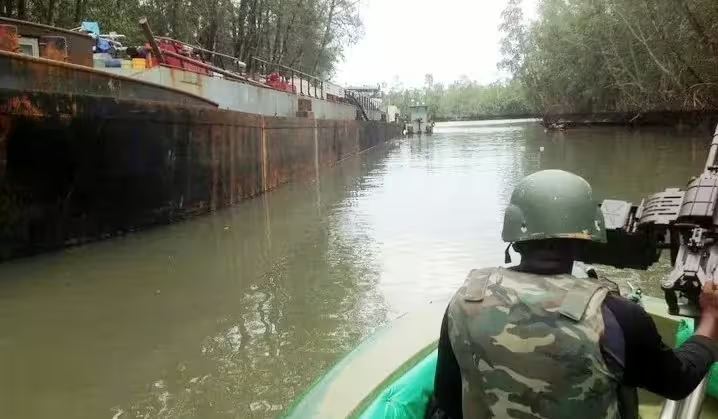
Oil theft has long been a blight on Nigeria’s Niger Delta region, particularly in Delta and Rivers States, where illegal bunkering and pipeline vandalism disrupt the nation’s economy and undermine local development. In recent months, the Nigerian Army has escalated its efforts to combat these illicit activities, deploying troops and leveraging intelligence to dismantle criminal networks. This renewed crackdown offers a beacon of hope for restoring stability, protecting resources, and fostering economic growth in these critical oil-producing areas.
The Scale and Impact of Oil Theft in the Niger Delta
Oil theft, commonly referred to as illegal bunkering, has plagued the Niger Delta for decades, causing significant economic losses to Nigeria. The theft involves tapping into pipelines to siphon crude oil, which is then sold on the black market. This illegal activity not only deprives the government of vital revenue but also damages infrastructure and the environment.
In Delta and Rivers States, the prevalence of oil theft has contributed to frequent pipeline explosions and oil spills, devastating fragile ecosystems and harming local communities who depend on fishing and farming. The environmental degradation has led to health challenges and social unrest, further complicating efforts to develop the region sustainably.
The economic ramifications extend beyond the local level, as reduced oil production affects national output and foreign exchange earnings. Consequently, tackling oil theft is crucial not only for the Niger Delta but for Nigeria’s overall economic stability and growth prospects.
The Nigerian Army’s Strategic Approach to Combating Oil Theft
Recognizing the urgent need to address oil theft, the Nigerian Army has implemented a series of strategic operations targeting illegal bunkering activities. These operations include increased patrols, intelligence-driven raids, and collaboration with other security agencies to disrupt criminal networks involved in oil theft.
The Army’s deployment of specialized troops to hotspots in Delta and Rivers States aims to dismantle the sophisticated syndicates responsible for pipeline vandalism and crude oil smuggling. By leveraging advanced surveillance technology and local intelligence, the military enhances its ability to pre-empt and respond swiftly to illegal activities.
Furthermore, the Nigerian Army has engaged in community outreach to foster cooperation with local residents, encouraging them to report suspicious activities. This community-based approach helps build trust and provides valuable information that supports the military’s efforts to secure the region’s oil infrastructure.
Positive Outcomes from the Crackdown So Far
Since the intensification of military operations, there have been notable successes in curbing oil theft in Delta and Rivers States. Several illegal refineries have been destroyed, and numerous arrests have been made, disrupting the supply chains of stolen crude oil.
The increased security presence has led to a reduction in pipeline vandalism incidents, allowing oil companies to resume operations in previously high-risk areas. This improvement has contributed to a gradual rise in oil production levels, benefiting both the economy and local employment.
Moreover, the crackdown has fostered a renewed sense of hope among residents who have long suffered from the consequences of oil theft. Improved security has also encouraged investment in the region, signaling the potential for broader socio-economic development.
Challenges Faced in the Fight Against Oil Theft
Despite the progress, the Nigerian Army faces significant challenges in eradicating oil theft completely. The criminals involved are often well-armed and operate in difficult terrain, making military operations complex and risky.
Corruption and complicity among some local officials and security personnel have sometimes undermined efforts to apprehend culprits. This systemic issue complicates intelligence gathering and enforcement, necessitating comprehensive reforms alongside military action.
Additionally, the socio-economic conditions in the Niger Delta, including poverty and unemployment, drive some youths to participate in illegal bunkering. Without addressing these root causes, security operations may only provide temporary relief rather than lasting solutions.
The Role of Government and Oil Companies in Supporting Security Efforts
The Nigerian government has a pivotal role in complementing military efforts by implementing policies that strengthen legal frameworks against oil theft and enhance coordination among security agencies.
Oil companies operating in Delta and Rivers States are also critical partners. They have increased investments in pipeline surveillance technologies, such as drones and sensors, to detect and report suspicious activities promptly.
Collaborative initiatives between the government, the military, and oil firms aim to improve infrastructure security while promoting community development programs that provide alternative livelihoods to deter involvement in illegal bunkering.
Community Engagement and Socio-Economic Development as Long-Term Solutions
Sustainable peace and security in the Niger Delta require addressing the underlying socio-economic issues that fuel oil theft. Community engagement programs that involve local leaders and youth are essential in fostering ownership and cooperation in combating illegal activities.
Development projects focusing on education, healthcare, and job creation can reduce the dependence on oil theft as a source of income. Empowering communities economically diminishes the appeal of joining criminal networks.
Furthermore, environmental restoration initiatives are vital to repair the damage caused by decades of oil theft and spills. Healthy ecosystems support agriculture and fishing, which are traditional livelihoods that can thrive with proper support.
Looking Ahead: Sustaining the Momentum Against Oil Theft
The Nigerian Army’s ongoing crackdown represents a critical step toward reclaiming control over the Niger Delta’s oil resources. However, sustaining this momentum requires continuous commitment from all stakeholders, including the government, security forces, oil companies, and local communities.
Investing in intelligence capabilities, enhancing transparency, and promoting community policing can strengthen the security architecture needed to prevent a resurgence of oil theft activities.
Ultimately, a holistic approach that combines robust security measures with socio-economic empowerment and environmental stewardship offers the best chance for lasting peace and prosperity in Delta and Rivers States.
Conclusion
The Nigerian Army’s determined crackdown on oil thieves in Delta and Rivers States marks a hopeful turning point in the fight against a deeply entrenched problem. While challenges remain, the combined efforts of security forces, government institutions, oil companies, and local communities are beginning to yield tangible results. By sustaining these efforts and addressing the root causes of oil theft, Nigeria can secure its vital oil resources, protect the environment, and promote socio-economic development in one of its most important regions. The path ahead demands vigilance, cooperation, and a commitment to inclusive growth that benefits all stakeholders.
Discover more from FINIMA
Subscribe to get the latest posts sent to your email.
0 Comments