Oil and Gas in Finima: A Comprehensive Overview
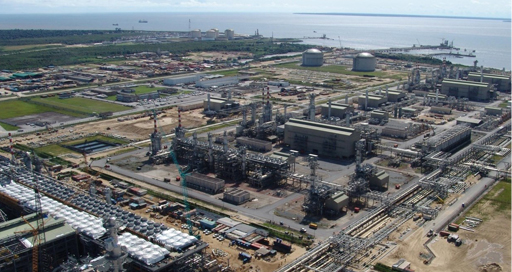
Finima, a vibrant community nestled within the Bonny Local Government Area of Rivers State, Nigeria, stands as a cornerstone in the country's oil and gas industry. Positioned strategically in the Niger Delta, Finima hosts essential oil and gas infrastructure such as pipelines, flow stations, and export terminals. The involvement of multinational oil corporations has profoundly influenced the economic, environmental, and social fabric of this community. This comprehensive overview delves into the multifaceted role of oil and gas in Finima, examining its historical roots, economic contributions, environmental impacts, community dynamics, and the pathway forward amid global energy transitions.
Historical Background of Oil and Gas in Finima
The discovery of oil in Nigeria during the late 1950s ushered in transformative changes for the Niger Delta region, with Finima emerging as a significant player due to its geographic proximity to major oil facilities. The vast hydrocarbon reserves in and around Finima attracted international oil companies, leading to the establishment of exploration and production operations that have spanned decades.
Finima's strategic location near Bonny Island, home to the Nigeria Liquefied Natural Gas (NLNG) plant, positioned it as a vital link in the nation’s energy infrastructure. Major multinational oil companies such as Shell Petroleum Development Company (SPDC) and Nigeria LNG Limited have maintained a strong presence, facilitating the extraction of crude oil and processing of natural gas for both domestic consumption and export markets.
Over the years, Finima has witnessed steady growth in oil and gas activities, with infrastructure development including pipelines, flow stations, and export terminals. This evolution reflects the broader narrative of Nigeria’s oil industry, where communities like Finima have become indispensable to sustaining the country's status as a leading oil producer in Africa.
Economic Impact of Oil and Gas in Finima
The oil and gas sector has been a major driver of economic activity in Finima, providing employment opportunities and stimulating local business growth. Many residents have secured jobs directly with multinational corporations or through subcontractors, fostering a skilled workforce within the community.
Local enterprises, particularly in hospitality, transportation, and retail, have flourished as a result of increased demand linked to oil industry operations. Additionally, corporate social responsibility (CSR) initiatives by oil companies have contributed to the establishment of schools, health facilities, and vocational training centers, aiming to uplift the socioeconomic status of Finima’s residents.
Despite the substantial revenues generated from oil and gas exports, including taxes, royalties, and export duties that contribute significantly to Nigeria’s GDP, there remains a sentiment among locals that the wealth derived from their land has not fully translated into improved infrastructure or living standards. This economic disparity continues to fuel debates on resource management and equitable development.
Environmental Concerns and Challenges
Oil exploration and production in Finima have been accompanied by significant environmental challenges, notably frequent oil spills that have contaminated farmlands, rivers, and mangrove ecosystems. These spills disrupt biodiversity and compromise the ecological balance vital for sustaining local livelihoods.
Gas flaring, a prevalent practice in the region, releases harmful pollutants into the atmosphere, contributing to air pollution and health complications such as respiratory illnesses among the local population. The environmental toll extends beyond immediate pollution, affecting long-term soil fertility and water quality.
The environmental degradation has had a profound impact on traditional occupations like fishing and farming, which form the backbone of Finima’s economy. Polluted waters and infertile lands have forced many residents to abandon these practices, exacerbating socioeconomic vulnerabilities and raising concerns about sustainable development.
Community Relations and Social Dynamics
The interaction between oil companies and the Finima community is complex, characterized by both collaboration and tension. While oil firms have implemented community development projects, there remains a pervasive sense of marginalization among residents regarding participation in decision-making processes.
Youth groups and local leaders have frequently organized protests demanding increased employment opportunities, enhanced infrastructure, and stricter environmental safeguards. These demonstrations underscore the community’s desire for a more inclusive and equitable engagement with the oil sector.
Instances of militancy and unrest have periodically disrupted oil production in Finima, resulting in shutdowns and economic losses. In response, some oil companies have sought to build trust through memoranda of understanding (MoUs) aimed at fostering dialogue and cooperation. Nonetheless, rebuilding and maintaining this trust remains a continuous challenge.
Infrastructure and Technological Developments
Finima’s oil and gas infrastructure includes a network of pipelines, flow stations, and export terminals critical for the transportation and processing of hydrocarbons. These facilities are integral to Nigeria’s energy supply chain and export capabilities, particularly for liquefied natural gas (LNG).
Recent technological advancements have prompted some operators to adopt cleaner and more efficient production methods. Efforts to reduce gas flaring and improve spill response mechanisms are gradually being introduced, reflecting growing environmental consciousness within the industry.
Despite these improvements, infrastructure maintenance and modernization remain ongoing priorities. Aging facilities and pipeline integrity require constant monitoring to prevent environmental incidents and ensure operational safety, highlighting the need for sustained investment and regulatory oversight.
Government Policies and Regulatory Framework
The Nigerian government, through agencies like the Niger Delta Development Commission (NDDC), plays a pivotal role in managing the oil and gas sector's impact on communities like Finima. Policies aim to balance economic growth with environmental protection and social welfare.
Regulatory frameworks mandate environmental impact assessments and community engagement before project approvals, although enforcement and compliance have faced criticism. Strengthening these regulations is essential to address the persistent challenges of pollution and community grievances.
Revenue allocation mechanisms, including oil royalties and taxes, are designed to fund regional development projects. However, transparency and accountability in fund distribution remain critical issues, influencing the effectiveness of governmental interventions in improving Finima’s infrastructure and quality of life.
The Future of Oil and Gas in Finima Amid Energy Transition
Global shifts toward renewable energy and decarbonization pose significant implications for Finima’s oil and gas sector. While hydrocarbons remain central to Nigeria’s economy, there is increasing pressure to diversify energy sources and adopt sustainable practices.
Finima’s future depends on balancing continued oil and gas production with environmental stewardship and community development. Investments in cleaner technologies, gas utilization projects, and capacity building can help mitigate environmental impacts and sustain economic benefits.
Collaboration among government, industry players, and local communities will be crucial in navigating this transition. Embracing innovation and inclusive governance can position Finima as a model for responsible energy production in the Niger Delta region.
Conclusion
Finima’s role in Nigeria’s oil and gas landscape is both significant and multifaceted. While the industry has driven economic opportunities and infrastructural developments, it has also introduced environmental and social challenges that continue to affect the community. Addressing these issues requires concerted efforts from all stakeholders, including government, oil companies, and local residents. Looking ahead, embracing sustainable technologies, enhancing community engagement, and improving regulatory frameworks will be essential to ensuring that Finima benefits equitably from its natural resources while safeguarding its environment for future generations. As the energy sector evolves globally, Finima’s experience offers valuable insights into the complexities of balancing resource exploitation with social and ecological responsibility.
Discover more from FINIMA
Subscribe to get the latest posts sent to your email.
0 Comments