Connecting Across Cultures: The Global Impact of Online Communication
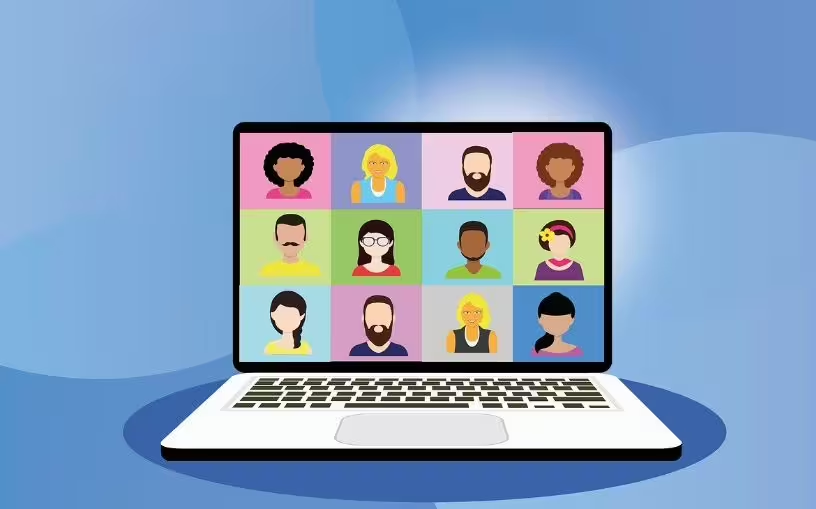
In today’s interconnected world, online communication has become the cornerstone of global interaction, enabling people from diverse cultures to connect, share, and learn from one another instantly. The internet and digital tools have transformed traditional communication methods, dismantling geographical and social barriers. This transformation not only facilitates personal relationships but also enriches cultural understanding and collaboration on a global scale. By bridging cultural divides, online communication fosters empathy, tolerance, and a sense of global community that was previously unimaginable.
The Internet as a Catalyst for Global Connection
The internet has fundamentally altered how we connect across the world. It has transformed the planet into a digital village where information and ideas flow freely and instantly. Through platforms like social media, messaging apps, and video conferencing, individuals maintain relationships regardless of their physical locations. This connectivity nurtures friendships, professional collaborations, and cultural exchanges that transcend borders.
Beyond personal connections, the internet offers unprecedented opportunities to explore unfamiliar cultures. Users can engage in live video chats, join cultural forums, or participate in virtual events that showcase traditions and lifestyles from around the globe. These experiences promote curiosity and a deeper appreciation of cultural diversity.
Moreover, the accessibility of online communication tools has democratized cultural exchange. People who once had limited exposure to other societies can now immerse themselves in global conversations. This accessibility fosters inclusivity and helps reduce cultural ignorance by making cross-cultural interaction part of everyday life.
Enhancing Cultural Understanding Through Digital Platforms
Online communication platforms serve as windows into the lives and customs of people worldwide. Social media channels like Instagram, Facebook, and Twitter allow users to share their daily experiences, cultural celebrations, and societal values with global audiences. This sharing provides authentic glimpses into diverse traditions, facilitating cultural education and empathy.
Cultural events and holidays become global phenomena via digital media, where people showcase rituals, foods, and stories associated with their heritage. These virtual celebrations invite participation and dialogue, helping to break down stereotypes and encourage mutual respect among different communities.
Furthermore, online storytelling and user-generated content enable individuals to narrate their cultural identities in their own voices. This empowerment leads to more nuanced and accurate representations of cultures, countering misinformation and fostering a richer intercultural dialogue.
Bridging Language Barriers with Technology
Language differences have traditionally posed significant challenges to cross-cultural communication. However, technological advancements are steadily overcoming these barriers. Translation tools such as Google Translate and integrated messaging app translators facilitate conversations between people who do not share a common language, enabling smoother and more inclusive interactions.
While machine translation is not flawless and sometimes lacks contextual accuracy, continuous improvements in artificial intelligence and natural language processing are enhancing its reliability. This progress allows individuals to engage more confidently with foreign languages and cultures without the need for complete fluency.
Additionally, language learning apps and online language exchange communities foster active practice and cultural exchange. These platforms connect learners with native speakers worldwide, promoting not only linguistic skills but also cultural insights that enrich communication.
The Influence of Social Media on Cultural Trends
Social media platforms have emerged as powerful vehicles for the global dissemination of cultural trends. Viral memes, music, dances, and challenges often transcend national boundaries, creating shared experiences that unite diverse populations. Platforms like TikTok and YouTube amplify these trends, fostering a sense of global cultural participation.
This phenomenon contributes to the blending and evolving of cultures, as people adopt and adapt elements from different societies. Such cultural exchange can spark creativity and innovation, enriching global pop culture and everyday life.
However, the rapid spread of cultural content also raises concerns about cultural appropriation and misinterpretation. Without proper context or respect, sharing cultural symbols or practices can lead to misunderstandings or offense. It is essential to approach cultural engagement on social media with sensitivity and awareness.
Challenges in Online Cross-Cultural Communication
Despite its many benefits, online cross-cultural communication is not without challenges. Misinterpretations frequently occur due to the absence of non-verbal cues such as tone, facial expressions, and gestures, which are crucial in conveying meaning within many cultures. This can lead to confusion or unintended offense.
Differences in cultural norms and etiquette also complicate interactions. An action considered polite in one culture might be perceived as rude or inappropriate in another. Without cultural context, these nuances can be easily overlooked in digital communication.
Furthermore, digital divides and unequal access to technology can limit participation in online cultural exchanges. Language limitations, internet censorship, and socio-economic factors may restrict who can engage in these global conversations, potentially perpetuating cultural silos rather than bridging them.
The Benefits of Cross-Cultural Online Communication
Despite challenges, the advantages of cross-cultural communication online are profound. These platforms enable collaborative learning and knowledge sharing across borders, enriching education and professional development. Virtual classrooms and international work teams thrive on this connectivity, fostering innovation and diverse perspectives.
Online communication also promotes empathy and cultural sensitivity by exposing individuals to different worldviews. This exposure can reduce prejudices and foster more peaceful coexistence by humanizing distant cultures and highlighting shared human experiences.
Moreover, these digital interactions empower marginalized voices by providing platforms for underrepresented cultures to share their narratives. This democratization of cultural exchange encourages inclusivity and helps build a more equitable global community.
Emerging Technologies Shaping the Future of Cultural Connection
The future of cross-cultural communication is poised to be transformed further by emerging technologies such as virtual reality (VR) and augmented reality (AR). These tools offer immersive experiences that simulate face-to-face interactions and cultural environments, making virtual cultural exchange more engaging and authentic.
VR cultural tours and AR language learning applications enable users to experience traditions, landmarks, and social practices firsthand, fostering deeper understanding and connection. Such technologies have the potential to revolutionize education, travel, and international collaboration.
As these innovations become more accessible, they will likely enhance empathy and global awareness, enabling richer and more meaningful intercultural dialogue. This evolution promises a future where cultural boundaries are bridged not just through words, but through shared virtual experiences.
Strategies for Effective and Respectful Cross-Cultural Communication Online
To maximize the benefits of online cross-cultural communication, it is vital to adopt strategies that promote respect and understanding. Active listening and open-mindedness are essential, encouraging individuals to approach cultural differences with curiosity rather than judgment.
Learning about cultural norms and etiquette before engaging in conversations can prevent misunderstandings. Utilizing clear, simple language and confirming comprehension helps bridge communication gaps, especially when language barriers exist.
Additionally, fostering inclusive digital spaces that encourage diverse voices and perspectives strengthens intercultural dialogue. Encouraging feedback and being mindful of cultural sensitivities contributes to creating respectful and enriching online interactions.
Conclusion
Online communication has fundamentally reshaped how cultures interact, creating unprecedented opportunities for connection, learning, and collaboration across the globe. While challenges remain, the benefits of enhanced understanding, empathy, and cultural exchange are transformative. As technology continues to evolve, the potential for richer and more immersive intercultural experiences grows, promising a future where cultural diversity is celebrated and embraced through digital connectivity. Embracing respectful communication and cultural sensitivity will be key to harnessing the full power of these global interactions.
Discover more from FINIMA
Subscribe to get the latest posts sent to your email.
0 Comments