Adopt Okpara’s leadership model and prosper, Uzodimma challenges Nigerian leaders
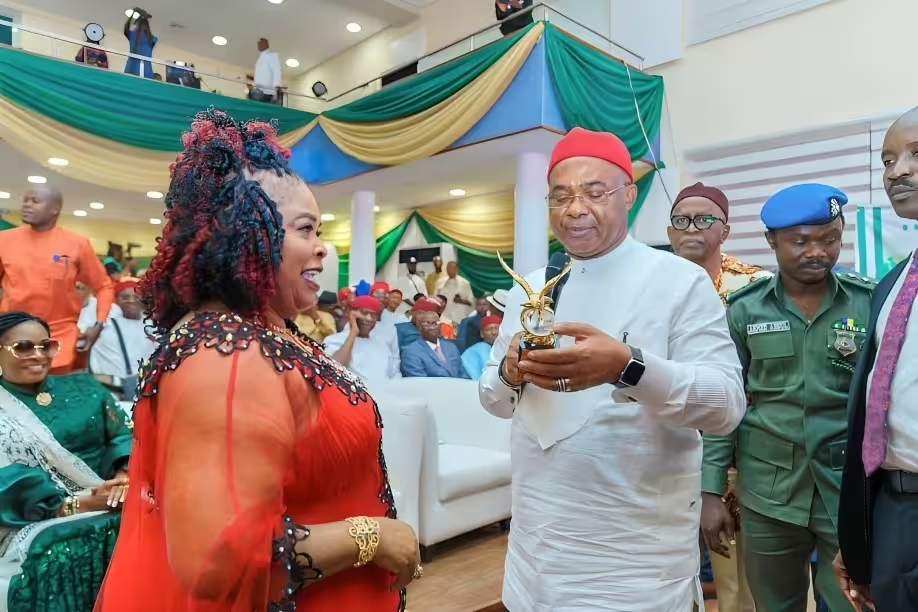
Nigeria’s quest for sustainable development and good governance remains a paramount concern for its citizens and political leaders alike. Amidst various leadership challenges, the example set by Dr. Michael Okpara, former Premier of the Eastern Region, stands out as a beacon of hope and inspiration. Recently, Imo State Governor, Senator Hope Uzodimma, called on Nigerian leaders to adopt Okpara’s leadership model, which is grounded in selfless service, integrity, and visionary policies. This article explores Uzodimma’s challenge, the core principles of Okpara’s leadership, and how embracing these ideals can transform Nigeria’s socio-economic landscape.
The Legacy of Dr. Michael Okpara: A Model of Selfless Leadership
Dr. Michael Okpara’s tenure as Premier of Nigeria’s Eastern Region from 1959 to 1966 is widely regarded as a period of remarkable progress and development. His leadership style was characterized by a deep commitment to selfless service, where the needs of the community took precedence over personal gain. Okpara’s administration prioritized public welfare, leading to the rapid growth of the region’s economy and infrastructure.
Okpara’s focus on agriculture and industrialization was revolutionary at the time. He believed that Nigeria’s development hinged on harnessing its agricultural potential, which led to policies that boosted food production, created employment, and supported rural communities. This approach made the Eastern Region the fastest-growing economy in Africa during his leadership.
Senator Uzodimma’s recent remarks underscore the importance of reviving Okpara’s leadership virtues in contemporary Nigeria. He highlights that the principles of integrity, inclusivity, and visionary governance remain relevant and necessary to address today’s challenges. By adopting Okpara’s model, Nigerian leaders can steer the nation towards sustainable growth and social cohesion.
Uzodimma’s Call for Selfless Service in Contemporary Nigerian Leadership
Governor Uzodimma’s address at the Michael Okpara Leadership Prize awards in Abuja was a clarion call for Nigerian leaders to transcend self-interest and embrace selflessness. He argued that the prevalent culture of personal aggrandizement among political elites hampers national progress and undermines public trust.
Uzodimma emphasized that leadership should be centered on service above self. This entails prioritizing the welfare of citizens, fostering transparency, and committing to policies that benefit the collective rather than individual ambitions. Such an approach, he believes, is crucial for Nigeria to harness its full potential.
Moreover, Uzodimma urged Nigerians themselves to cultivate a spirit of patriotism and active participation in nation-building. He noted that sustainable development requires not only exemplary leadership but also the active engagement of citizens who are willing to contribute positively to their communities.
Agriculture and Industrialization: Pillars of Okpara’s Vision for Economic Growth
A cornerstone of Dr. Okpara’s leadership was his unwavering focus on agriculture and industrialization as drivers of economic prosperity. He implemented policies that modernized farming techniques, expanded agricultural production, and encouraged agro-based industries.
This strategy created employment opportunities, reduced dependence on imports, and stimulated local economies. Okpara’s vision demonstrated that investing in agriculture could be a sustainable path to industrial growth and economic self-reliance.
Uzodimma highlighted that many contemporary agricultural policies in Nigerian states, such as Cross River, are inspired by Okpara’s legacy. He suggests that a renewed commitment to these sectors could revive Nigeria’s economy, reduce poverty, and enhance food security.
Integrity and Inclusivity: Foundations for Good Governance
Integrity was a defining trait of Okpara’s leadership. His administration was known for its transparency, accountability, and adherence to ethical standards. This fostered trust between the government and the people, creating a conducive environment for development.
Inclusivity was equally important. Okpara’s policies ensured that diverse groups within the Eastern Region were represented and benefited from government initiatives. This approach promoted social harmony and collective progress.
Senator Uzodimma stresses that Nigerian leaders must restore these values to rebuild confidence in governance. Embracing integrity and inclusivity can mitigate ethnic tensions, reduce corruption, and enhance national unity.
The Importance of Honoring Nigeria’s Unsung Heroes
Despite his monumental contributions, Dr. Michael Okpara remains underappreciated in Nigeria’s historical narrative. Uzodimma lamented that Okpara has not received the recognition he deserves as a national hero, which reflects a broader tendency to overlook transformative leaders.
Honoring such figures is essential, not only to preserve history but also to inspire current and future generations. Recognizing Okpara’s achievements through awards, lectures, and public commemorations can reinforce the values he embodied.
The Michael Okpara Leadership Prize and related initiatives serve this purpose, keeping his legacy alive and promoting leadership excellence. Uzodimma’s call reinforces the need for institutionalizing such honors to celebrate selfless leadership nationwide.
The Role of Citizens in Upholding Okpara’s Leadership Philosophy
While leadership is critical, Uzodimma emphasizes that the responsibility for Nigeria’s development also lies with its citizens. Patriotism, active civic engagement, and a commitment to communal welfare are vital for sustaining progress.
Citizens must demand accountability, participate in democratic processes, and support initiatives that promote national growth. This collective effort complements leadership efforts and creates a resilient society.
By internalizing Okpara’s values of service above self, Nigerians can foster a culture of collaboration and mutual respect, which is essential for overcoming the country’s socio-political challenges.
Political Leaders’ Response and the Path Forward
The response from political figures such as Senator Bassey Otu and former Senate President Anyim Pius Anyim to Uzodimma’s challenge has been positive, highlighting a shared recognition of Okpara’s enduring influence.
These leaders acknowledge the need to incorporate Okpara’s principles into modern governance frameworks to achieve inclusive development. They also commend efforts to keep his memory alive through educational and leadership programs.
Moving forward, institutionalizing Okpara’s leadership philosophy through policy reforms, leadership training, and public awareness campaigns can help embed these virtues in Nigeria’s political culture, fostering a new era of prosperity and good governance.
Conclusion: Embracing Okpara’s Leadership Model for Nigeria’s Prosperity
Governor Hope Uzodimma’s advocacy for adopting Dr. Michael Okpara’s leadership model presents a compelling blueprint for Nigeria’s future. The principles of selfless service, integrity, vision, and inclusivity remain as relevant today as they were decades ago.
By embracing these virtues, Nigerian leaders can transform the nation’s socio-economic landscape, encouraging sustainable development and national unity. This requires a collective commitment from both leaders and citizens to prioritize the common good over personal interests.
Ultimately, honoring and learning from Okpara’s legacy can inspire a generation of leaders and citizens dedicated to building a prosperous and well-governed Nigeria.
Conclusion
The challenge issued by Governor Hope Uzodimma to Nigerian leaders to adopt Dr. Michael Okpara’s leadership model is a timely and necessary call for transformation. Okpara’s legacy of selfless service, agricultural innovation, integrity, and inclusive governance offers a proven pathway to prosperity. For Nigeria to overcome its current challenges and realize its full potential, both leaders and citizens must embrace these enduring values. Honoring Okpara’s contributions and institutionalizing his leadership philosophy can inspire meaningful change, paving the way for a more prosperous, united, and well-governed nation.
Discover more from FINIMA
Subscribe to get the latest posts sent to your email.
0 Comments