Skip to content Skip to left sidebar Skip to right sidebar Skip to footer

Community

Page 1 of 18
1 2 3 18

A Historic Three-Day Celebration in Finima: A Remarkable Event That Made History (5th–7th December)

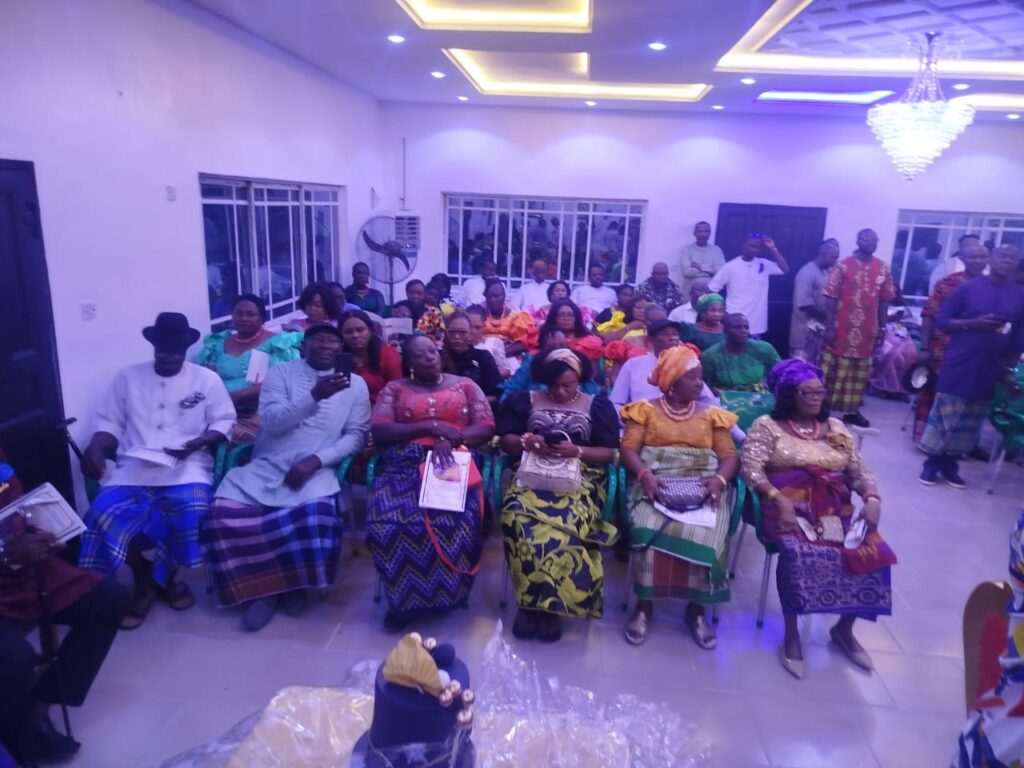
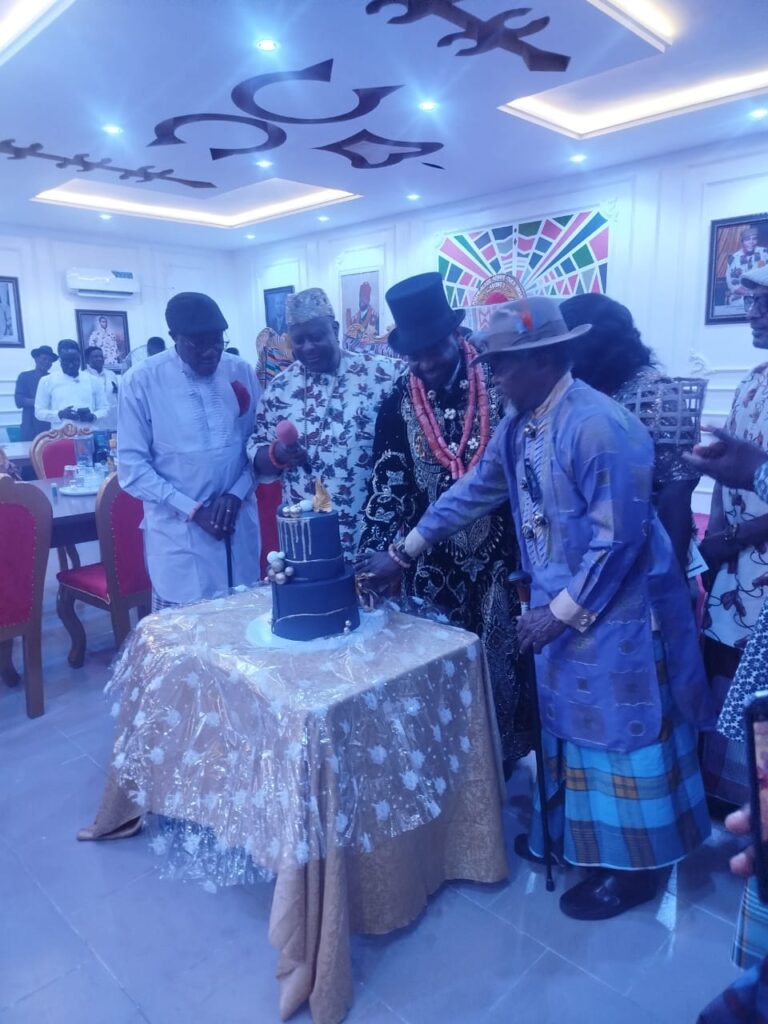
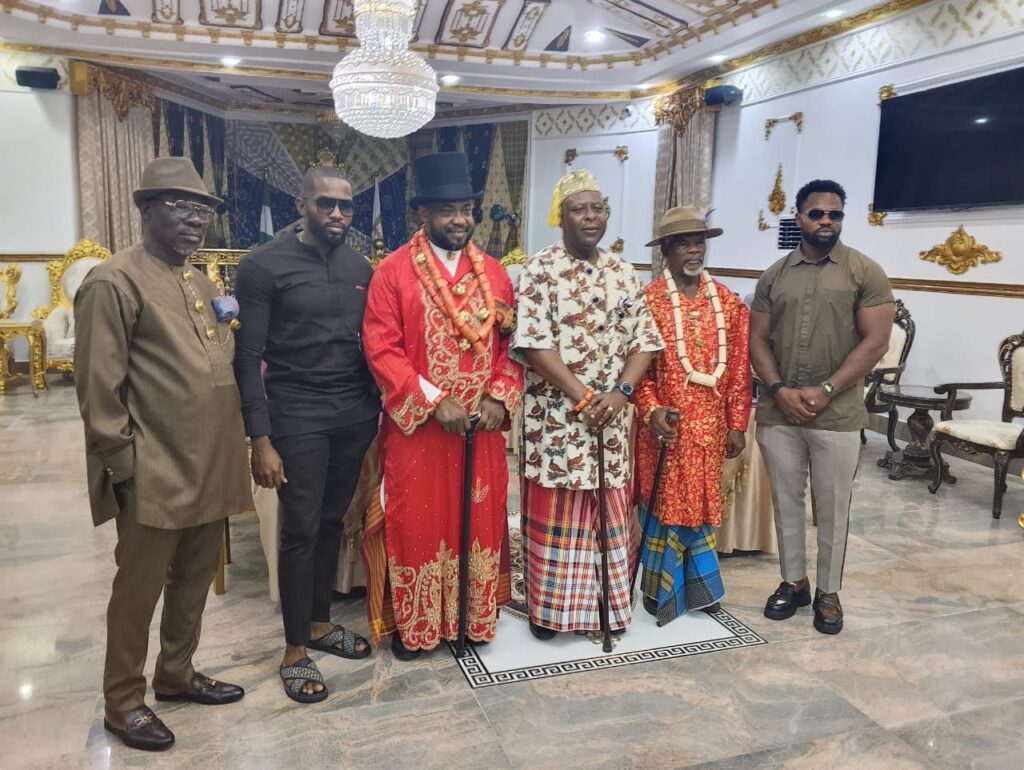
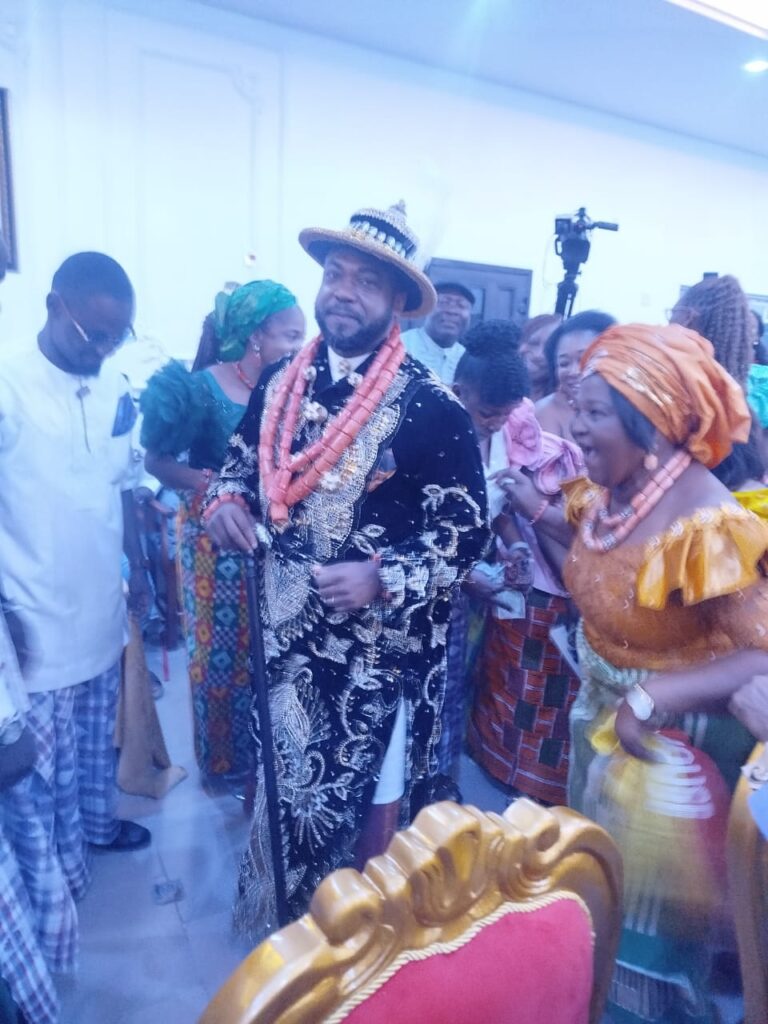
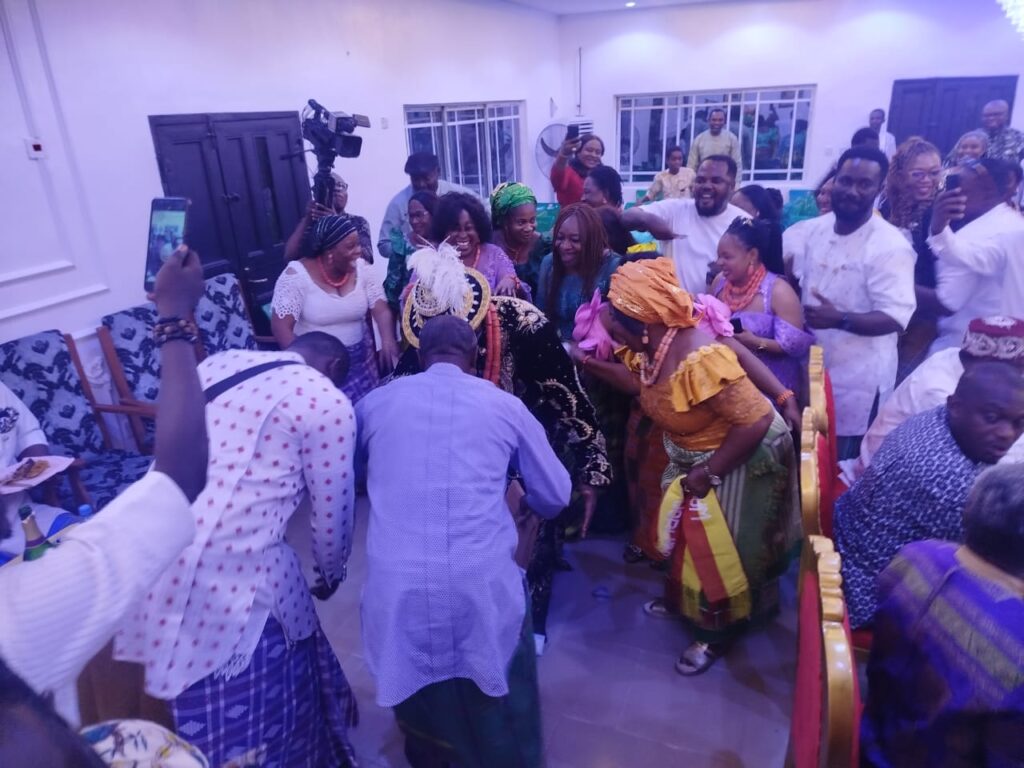
From Friday, 5th December to almost midnight on Sunday, 7th December, the community of Finima witnessed a truly historic moment—an event so remarkably executed, so thoughtfully coordinated, and so deeply meaningful that it is already being described as one of its kind in the history of our people. What unfolded over those three days was far more than a programme; it was a cultural renaissance, a communal awakening, and a powerful testament to unity, leadership, and ancestral pride.

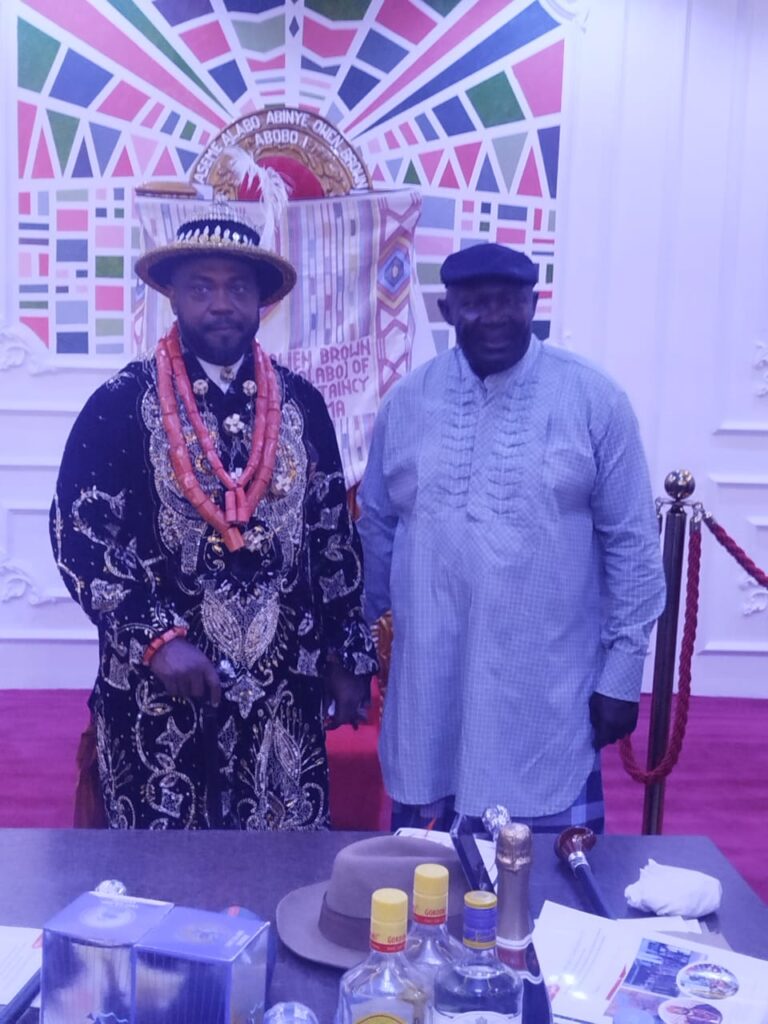
Held under the distinguished authority of the Aseme-Alabo, Abinye Owen Brown, Abobo I, and supported by the Abobo-Brown Sub-Chieftaincy House, the Aseme Alabo-in-Council (Wariseniapu), the Amadabo and his Council of Aseme Alapu, and a dedicated planning team, the event brought together sons and daughters of Finima from far and near. Through meticulous organisation and collective spirit, the programme emerged as one of the most memorable events in the contemporary history of Finima.

This news feature captures the significance, execution, impact, and lasting legacy of a celebration that will be remembered across generations.
1. A Vision Transformed Into Reality

Every historic event begins with a vision. What distinguishes this one is how that vision was transformed—through leadership, collaboration, and devotion—into an extraordinary experience. Under the guidance of the Aseme-Alabo, the three-day celebration embodied the ideals of:

  • Cultural preservation
  • Generational unity
  • Youth empowerment
  • Community pride
  • Organisational excellence

Each day was curated to reflect the enduring identity of Finima—ancient yet evolving, rooted yet forward-looking.

The commitment to planning could be felt in the timeliness of activities, the effective coordination of logistics, and the collective ownership demonstrated by volunteers, security teams, cultural leaders, women’s groups, youth associations, and sponsors. Finima proved, once again, that unity makes greatness inevitable.
2. Day One: Praise & Worship with Widows, Gift Distribution, Opening Ceremony, and Cultural Reawakening

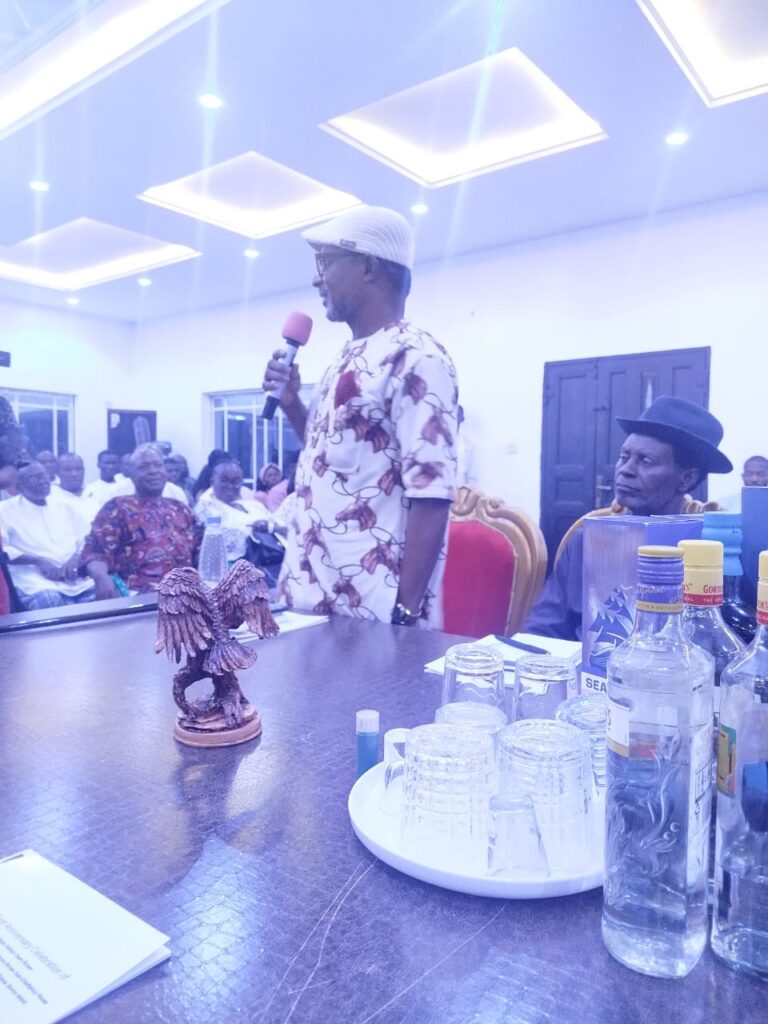
The celebration began on Friday, 5th December, with a deeply moving Praise and Worship session held with the widows of Finima. Joyous hymns, prayers, and declarations of hope filled the atmosphere as widows gathered in unity and peace.
Following the worship session, Christmas gifts were distributed to the widows, ensuring that every woman present received encouragement and support as the festive season approached. This act of compassion reflected Finima’s long-standing values of care, empathy, and communal responsibility.

The formal opening ceremony followed, bringing together families adorned in colourful traditional attire. The day included:

  • Rhythmic and ancestral drum performances
  • Cultural displays celebrating Ibani identity
  • Traditional chants, salutations, and processions
  • Symbolic rituals honouring the ancestors

Speakers highlighted Finima’s cultural depth—its historical origins dating back to the 11th century, centuries before neighbouring settlements—and reaffirmed its enduring autonomy and ancestral identity.

The first day came to a close with strengthened bonds among families, a revived sense of pride, and high anticipation for the days to come.

3. Day Two: Competitions, Talent Showcases, Youth Engagement, and Knowledge Exchange

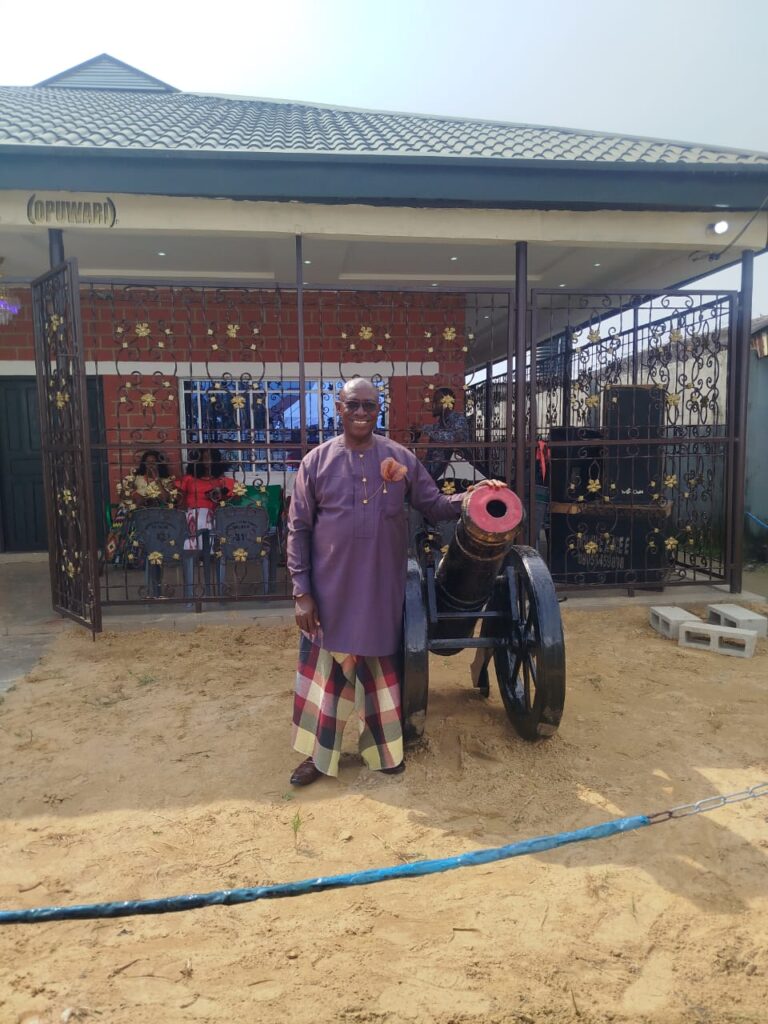
Saturday was dedicated to showcasing the intellectual strength, cultural depth, and strategic brilliance of the Finima people. The major competitions of the day included:

  • The Ibani Quiz Competition
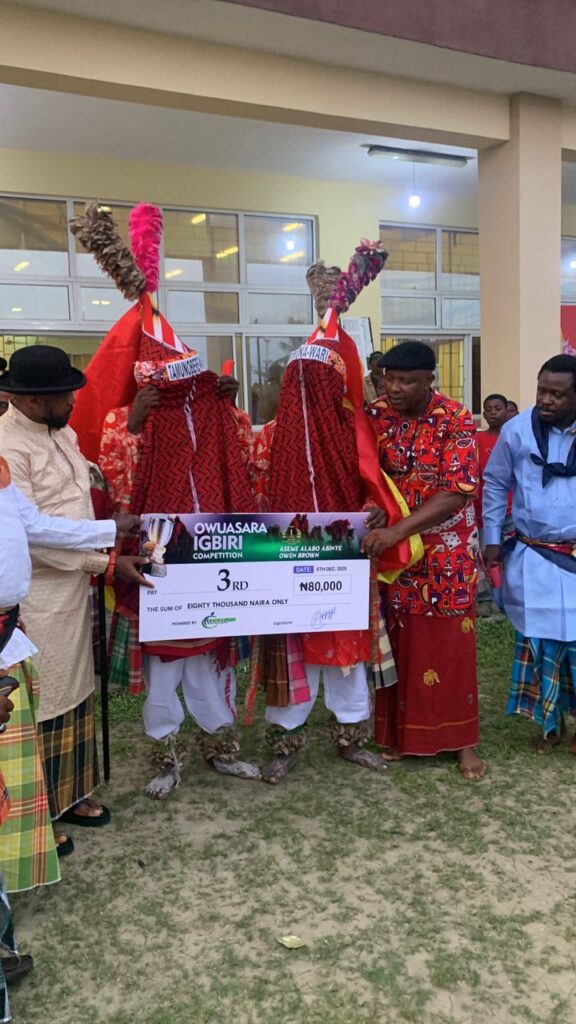
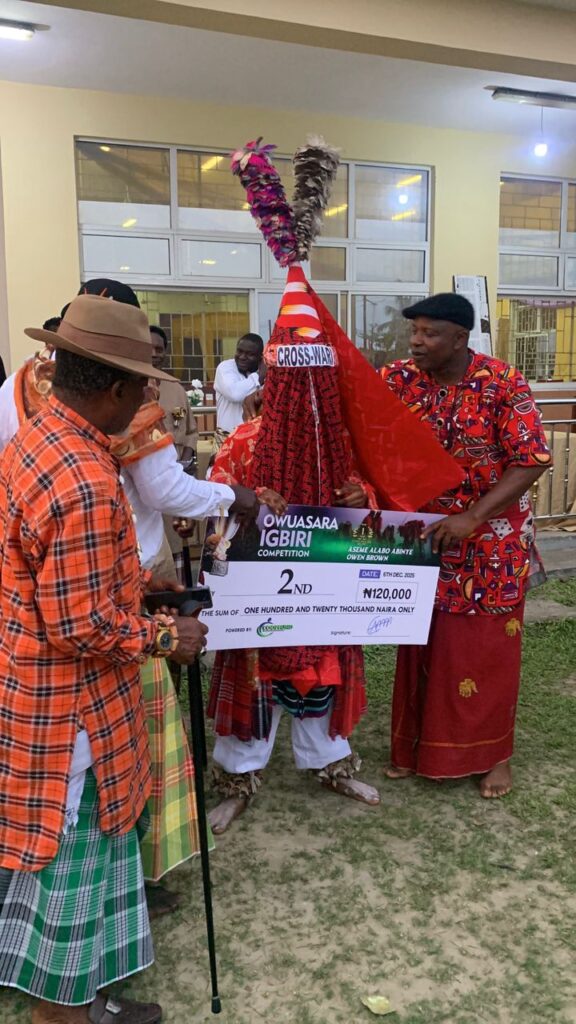
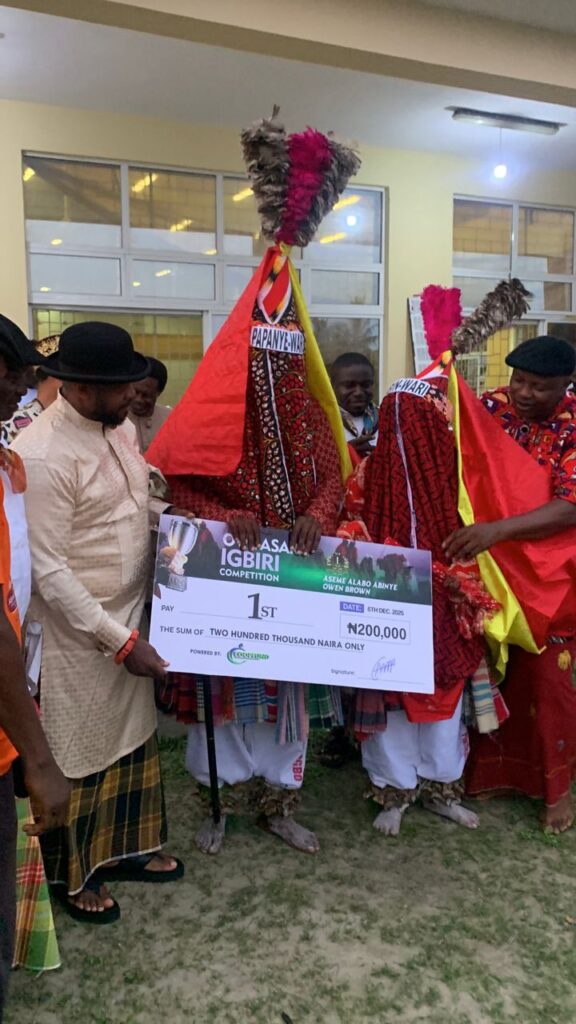
  • The Owuasara Igbiri Cultural Contest
  • The Chess Tournament

The competitions were judged and coordinated with fairness, professionalism, and cultural accuracy. Spectators applauded the impressive performances, particularly from the youth, who demonstrated a deep understanding of their culture, sharp intellect, and commitment to excellence.

Musical interludes, youth-led conversations, and cultural presentations enriched the day, transforming it from a contest into a platform for generational empowerment.
4. Day Three: Thanksgiving, Awards, and a Spectacular Grand Finale

Sunday opened with a beautiful Thanksgiving Service, during which the community expressed gratitude for unity, protection, and the remarkable success of the event.

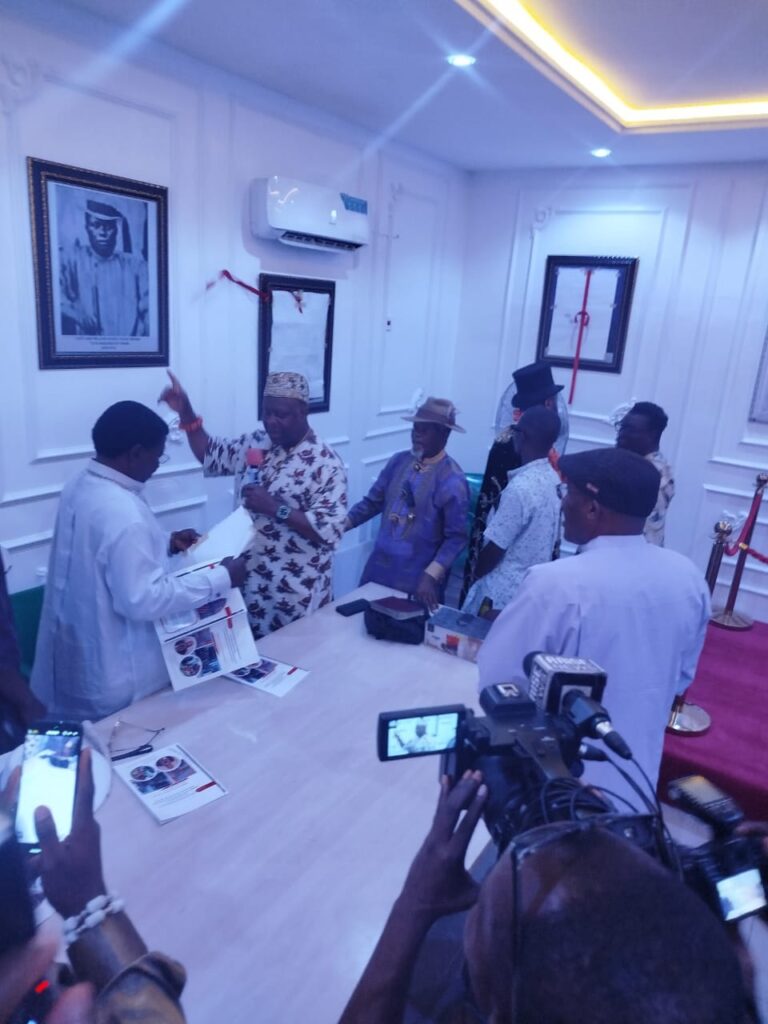
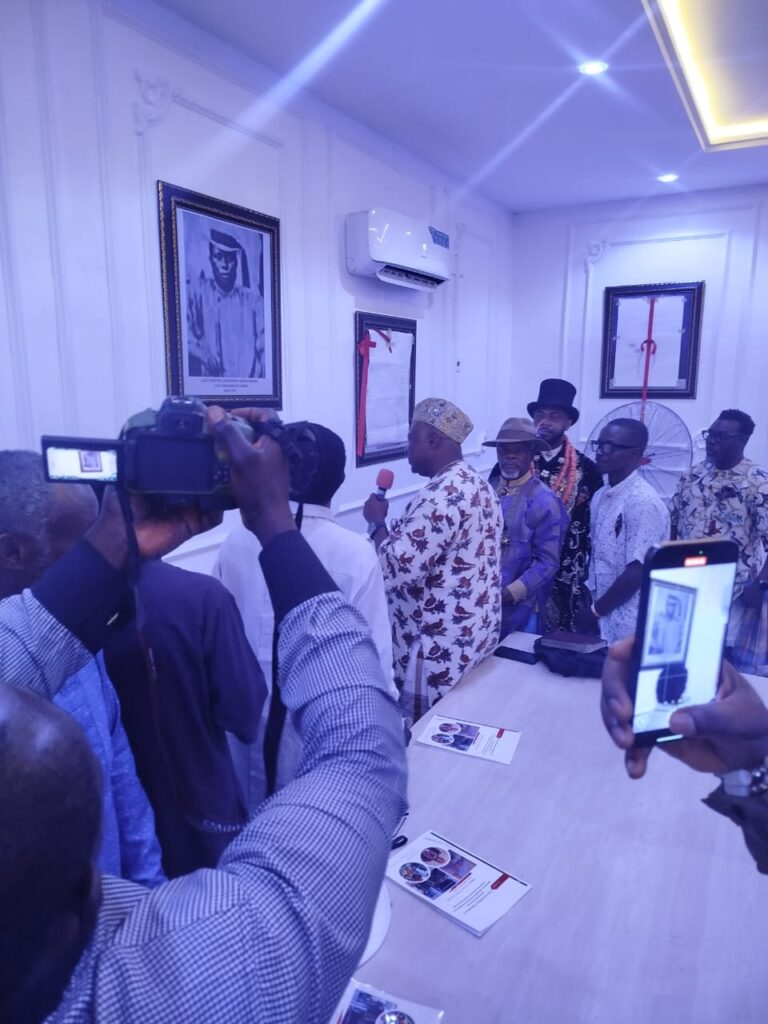
The evening was reserved for the Awards and Honours Ceremony, a moment filled with applause, pride, and emotion. Cultural performances continued into the late hours, and by the time the event drew to a close near midnight, it was clear that Finima had created a legacy that will stand the test of time.
5. Awards, Winners, and Celebrated Achievements

A central feature of the celebration was the formal recognition of excellence across intellectual, cultural, and strategic competitions. With over ₦1,000,000 presented in prizes, the community honourably celebrated intelligence, talent, and dedication.


A. Ibani Quiz Competition (₦300,000 Total)

  1. ₦150,000 – 1st Prize
    Winner: Abraham Brown of Tamunobere (Adum)-Brown Chieftaincy House
  2. ₦100,000 – 2nd Prize
    Winner: Hon. Sotonye Emmanuel Brown of Dupuyo-Brown Chieftaincy House
  3. ₦50,000 – 3rd Prize
    Winner: Duma Brown of Akpa-Brown Chieftaincy House

B. Owuasara Igbiri Cultural Competition (₦400,000 Total)

  1. ₦200,000 – 1st Prize
    Winners: Papanye-Brown and Tobin Chieftaincy Houses (tie)
  2. ₦120,000 – 2nd Prize
    Winner: Sokari Cross-Brown Chieftaincy House
  3. ₦80,000 – 3rd Prize
    Winners: Akpa-Brown and Animi-Minawari-Brown Chieftaincy Houses (tie)

C. Chess Tournament (₦350,000 Total)

  1. ₦150,000 – 1st Prize
    Winner: Oluwadamilare Olusa
  2. ₦120,000 – 2nd Prize
    Winner: Prince … (name to be updated)
  3. ₦80,000 – 3rd Prize
    Winner: Gabriel Ibifubara Brown of Sokari Cross-Brown Chieftaincy House
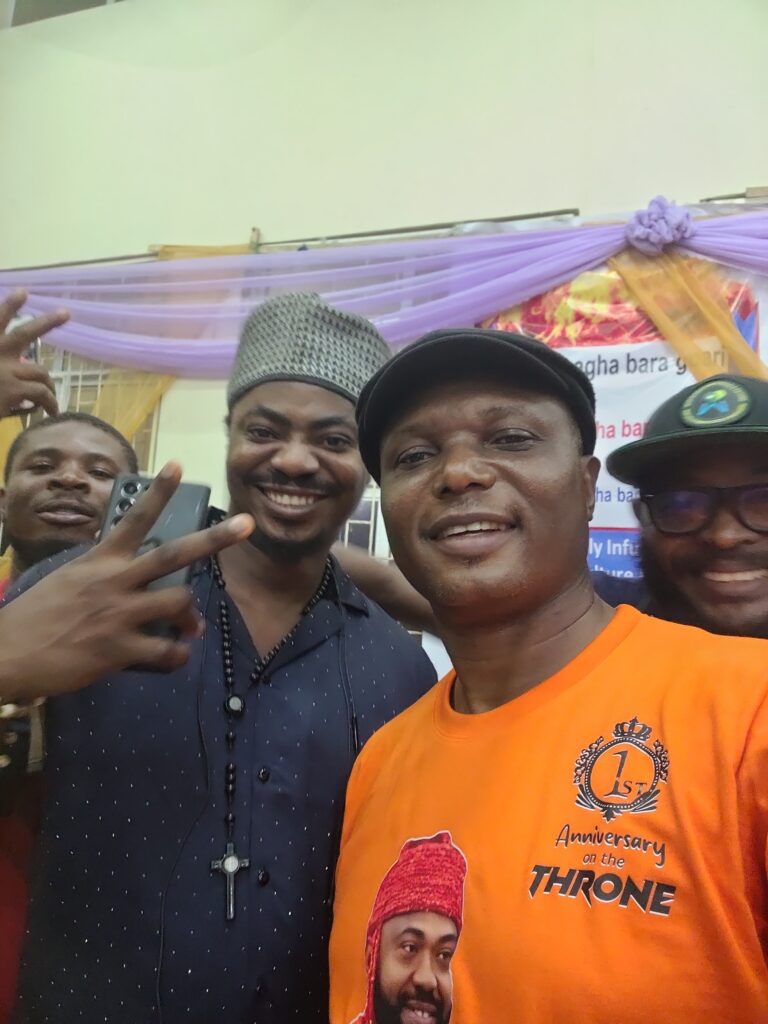
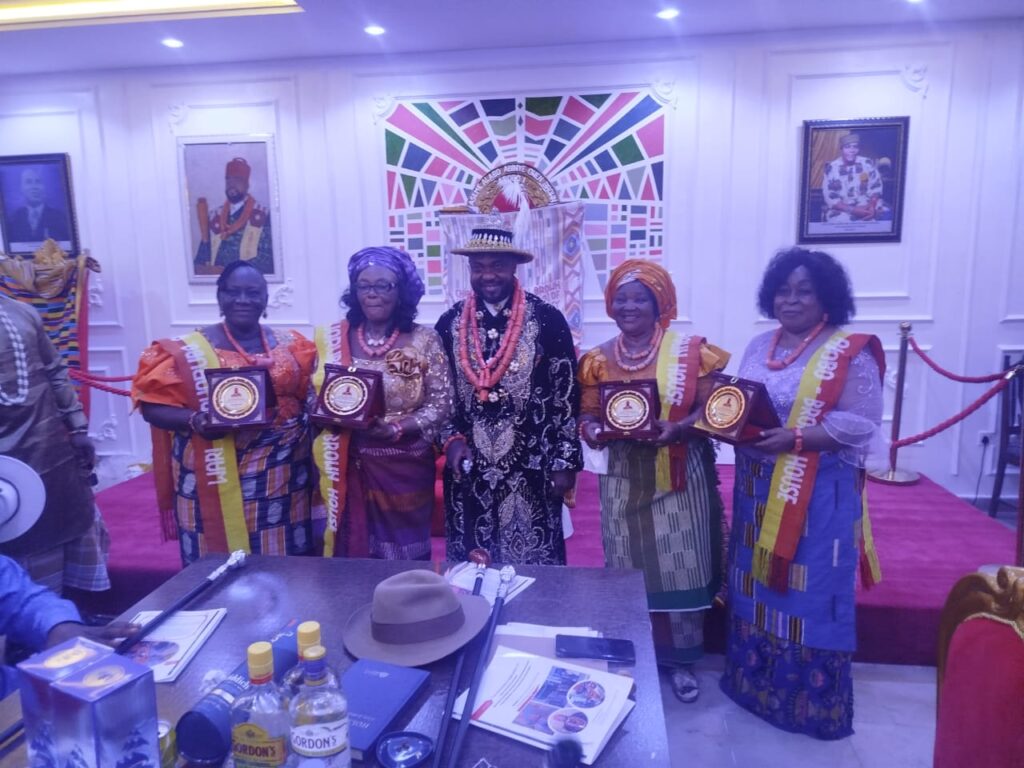
6. Conferment of Wari-Opuorubo: Honouring Distinguished Women of Finima

One of the most emotionally profound highlights of the celebration was the conferment of the Wari-Opuorubo, a revered honour bestowed upon women of exceptional character, cultural commitment, and service to Finima.

Living Recipients (with Burusu – Chieftaincy House Affiliations)

  1. Mrs Matilda Nnnena Nasamu
    Burusu: Miemienyegosi
  2. Mrs Sotonyemie Sunny Brown
    Burusu: Miemienyegosi
  3. Madam Elizabeth Odi Brown
    Burusu: Miemienyegosi
  4. Mrs Mina Alfred Koko Thomas
    Burusu: Buoya
  5. Mrs Abiebere Samuel Ibiabuo (née Allwell-Brown)
    Burusu: Akara

Posthumous Recipient

  1. Mrs Zellah H. B. Brown
    Burusu: Buowari

Their recognition reaffirmed the central role of women in sustaining the cultural values, moral strength, and generational identity of Finima.

7. Special Recognition: Honour for the Town Crier

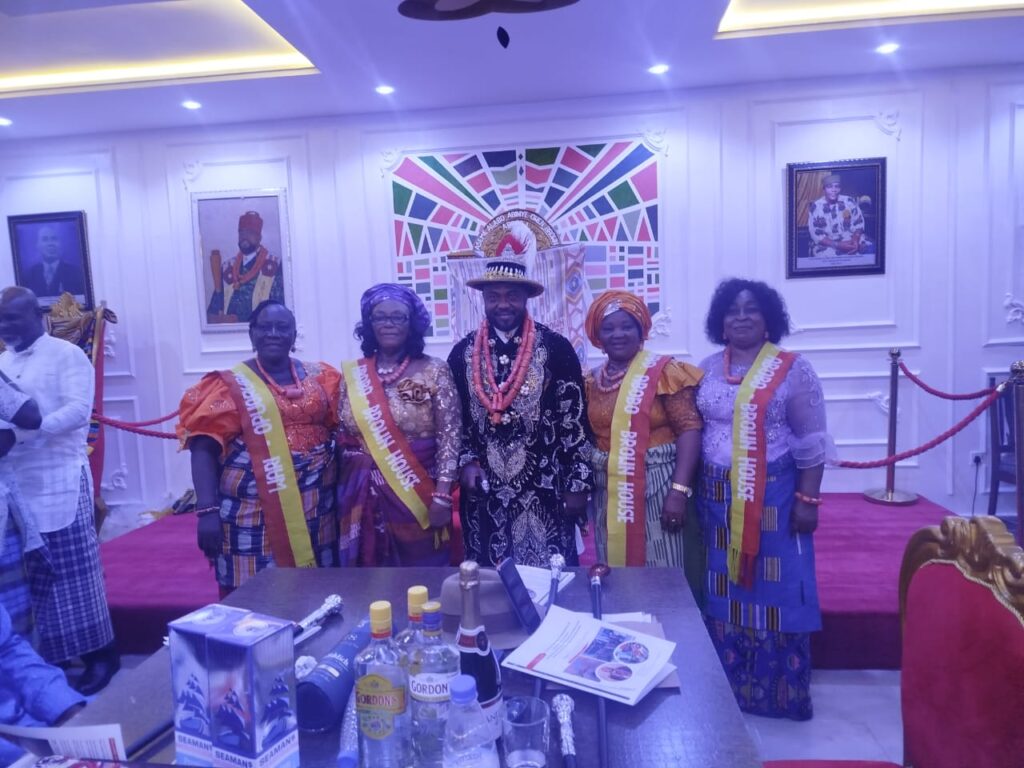
In a heartfelt moment, the Aseme-Alabo, Abinye Owen Brown (Abobo I), awarded ₦200,000 to the Town Crier, Mr Victor Bubama “Aka Sparrow” Brown, in recognition of his diligence, loyalty, and consistent service in conveying vital messages across the community.

His service underscores the importance of traditional communication roles within the cultural administration of Finima.


8. The Significance of the Event: Why It Was Truly One of a Kind

This three-day celebration is remarkable for several reasons:

A. Authentic Cultural Revival

A genuine expression of Finima’s heritage and ancestral pride.

B. Intergenerational Participation

Children, youths, adults, and elders participated harmoniously.

C. Organisational Excellence

The programme was executed with precision, professionalism, and unity.

D. Youth Empowerment

Competitions highlighted and strengthened emerging talents.

E. Strengthened Governance Structures

The involvement of chiefs and councils reinforced harmony and leadership.

F. Restoration of Historical Confidence

The event reaffirmed Finima’s long-standing cultural sovereignty and origins.


9. The Human Element: Volunteers, Sponsors, Coordinators, and Cultural Stewards

Behind the scenes were tireless individuals whose selfless efforts ensured the seamless execution of the programme. Volunteers, cultural custodians, security teams, youth leaders, logistics personnel, and sponsors all played invaluable roles.

Their unity reflects the spirit of Finima: a community where service, collaboration, and honour are foundational.


10. A Legacy That Will Shape the Future

Beyond the celebrations, this historic event has:

  • Revived cultural pride
  • Set a new benchmark for community festivals
  • Documented Finima’s heritage for generations to come
  • Reinforced identity and unity
  • Positioned youth as custodians of continuity

It stands as a defining chapter in Finima’s evolving story.

11. Conclusion: Finima Made History

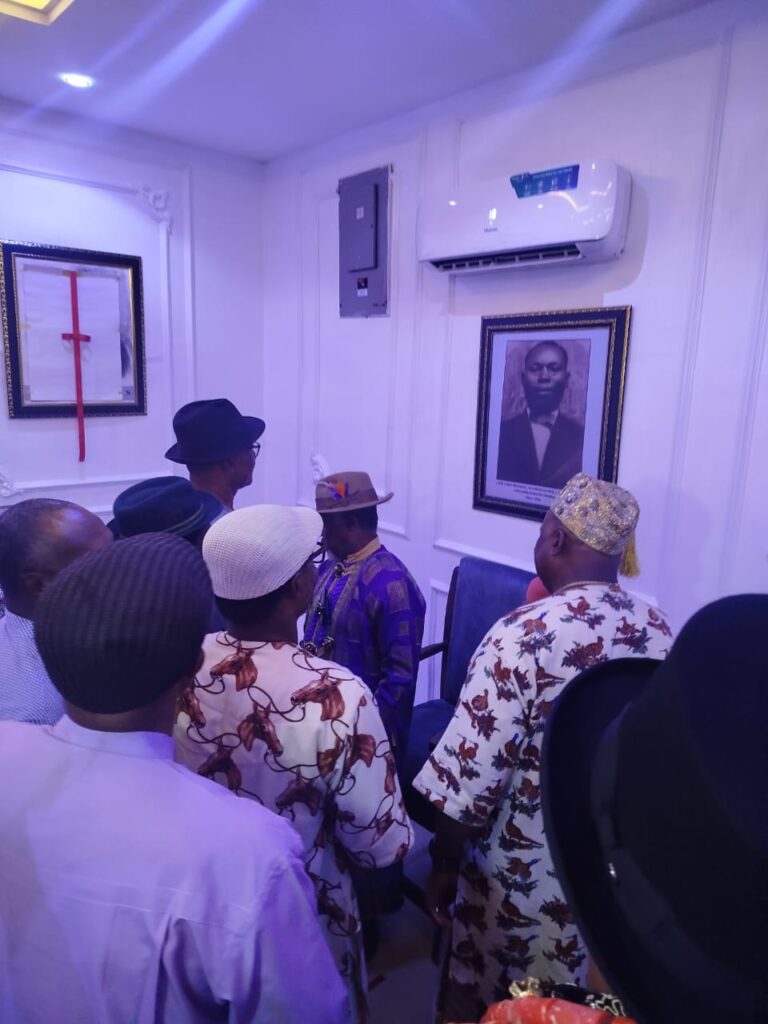
Between 5th and 7th December, Finima did not merely host an event—it made history.

The execution was exceptional.
The turnout was overwhelming.
The emotions were powerful.
The legacy is permanent.

As the drums faded late Sunday night and families returned home, one truth stood clear:

Finima is rising—again, proudly and irreversibly.

The 2025 celebration will remain remembered not only for what happened, but for what it symbolised:
Unity. Heritage. Destiny.
The unstoppable spirit of the Finima people.

By Engr Tamunofiniarisa Brown
WATCH OUT FOR THE INTER-ALAWARI UNITY GAME COMPETITION

🏝️ Finima: The Ancient Homeland Before Bonny — A Historical and Legal Reaffirmation

By Engr. Tamunofiniarisa Brown, Tamfis Nigeria Limited


Introduction

The story of Finima is not merely a sub-chapter of Bonny history — it is the foundation upon which the later Bonny civilisation evolved.
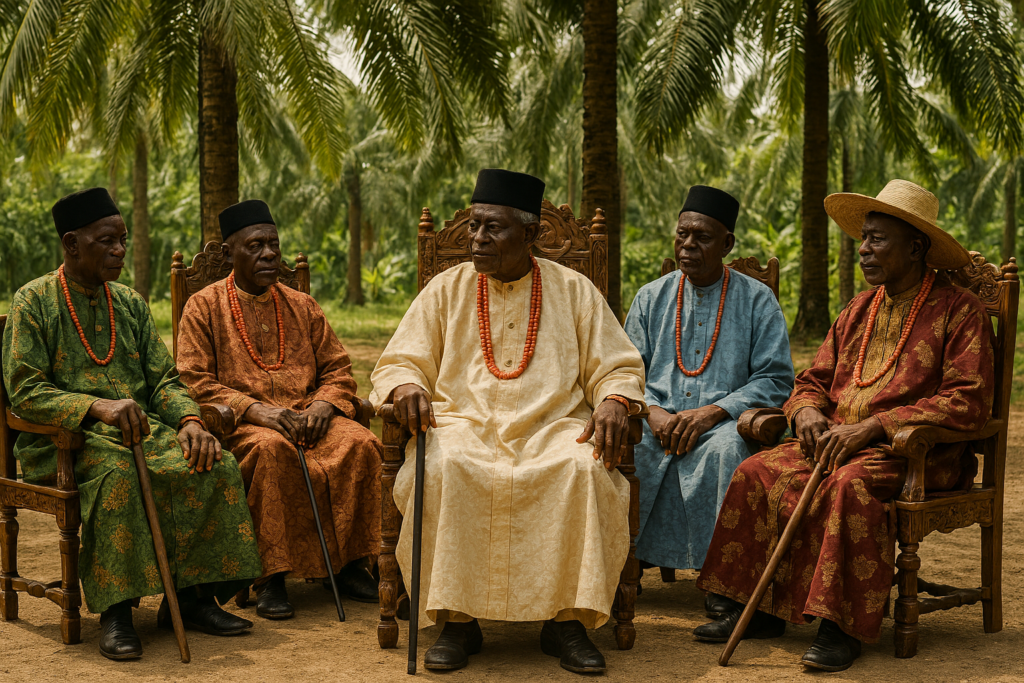
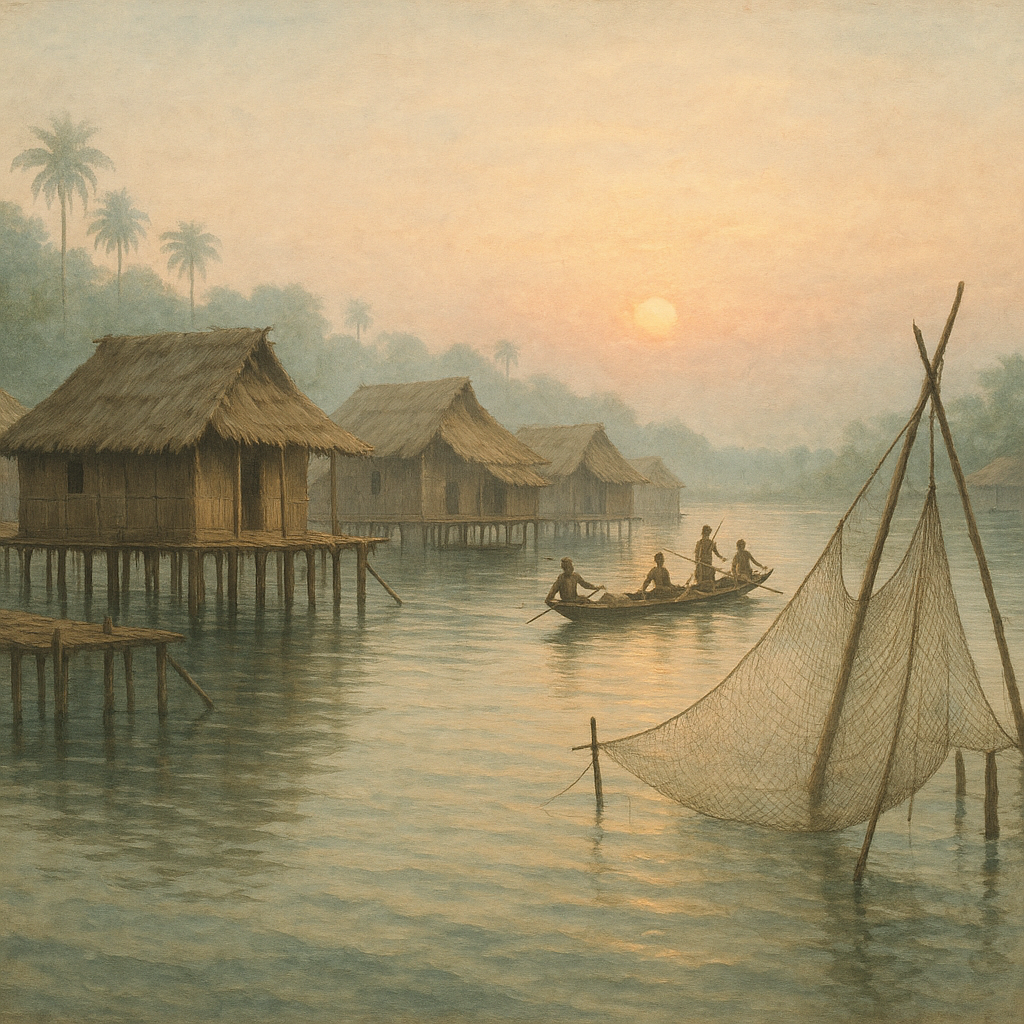
Long before the emergence of the Bonny Kingdom as a trading and political power in the Niger Delta, Finima already existed as a vibrant riverine community — a cradle of Ibani heritage and maritime culture.

This post consolidates credible historical, anthropological, and legal sources to reaffirm that Finima predates Bonny by several centuries.
It also clarifies that the later relationship between the two entities was a negotiated confederation formed in the 14th century, rather than conquest or assimilation.


1️⃣ Finima’s Ancient Origins (11th Century AD)

According to reputable historical records, Finima was already a flourishing coastal settlement as early as 1000 AD, centuries before Bonny’s consolidation at Okoloama.
The Buoye Omuso (Brown) House — also known as the Kongo lineage — traces its ancestry to the Isedani of Kolokuma origin in the Central Niger Delta, establishing Finima as one of the earliest Ijaw-Ibani settlements in the Rio Real region (Finima.net, 2025).

“Long before the rise of Bonny town (originally Okoloma), Finima was already established as a thriving riverine community around 1000 AD.”
(Finima.net, 2025)

This aligns with the broader Ibani chronology outlined by Bristol-Alagbariya (2022), who confirms that the primordial house-system of Grand Bonny began forming before 1000 AD, rooted in ancient family groupings that later became the Duawari Houses.

Finima, therefore, represents one of the earliest nuclei of Ibani civilisation—a proto-community that laid the groundwork for the later kingdom of Bonny.


2️⃣ Finima as a Founding Duawari House

Finima’s Buoye Omuso (Brown) House stands proudly among the five Duawari Houses—the aboriginal founding lineages of the Bonny kingdom (Bristol-Alagbariya, 2022).
The Duawari were the blood-descended progenitors whose settlements formed the base of the emerging Okoloama polity, which eventually crystallised into the Bonny kingdom.

As Bristol-Alagbariya (2022) emphasises, the Duawari houses were the legitimate custodians of land, title, and governance, distinct from later houses created by appointment, migration, or conquest.
Thus, Finima’s house status affirms its autochthonous — not tributary — position in Bonny’s constitution.


3️⃣ The 14th-Century Confederation Between Finima and Bonny

While Finima flourished as an established settlement, the migrating Ibani-Ijaw groups who later formed Bonny Town (Okoloama) arrived around the 13th–14th centuries.
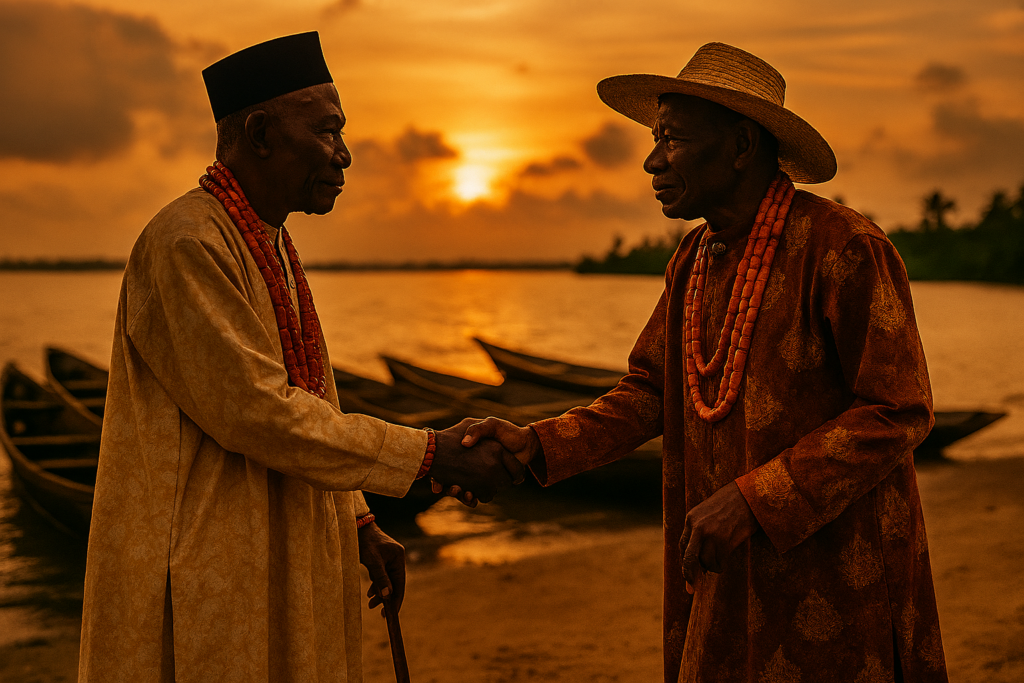
Historical synthesis indicates that rather than being subdued, Finima’s leadership negotiated a confederal alliance with the newcomers to promote mutual defence and trade along the Rio Real (Finima.net, n.d.).

This 14th-century confederation recognised Finima as a sovereign partner within the emerging Bonny polity, retaining its ancestral territories and internal governance.
It was a federal arrangement of cooperation, not conquest — similar to the ancient Delta confederations among Ijaw city-states such as Nembe, Kalabari, and Okrika.

Therefore, Bonny did not conquer Finima; rather, it grew with Finima as an equal founding pillar within the Ibani nation.


4️⃣ Rebutting the “Conquered Settlement” Narrative

The claim that Finima was conquered or that its land became “commonwealth” property of Bonny contradicts every credible historical record.
Research confirms that King Amakiri’s wars (16th–17th centuries) were external expansion campaigns against Andoni, Abalaye, and Ayankpo — not against Finima or other Duawari lineages (Bristol-Alagbariya, 2022).

Moreover, Finima played a central role in Bonny’s internal affairs — offering refuge to King William Dappa Pepple after his 1854 exile and hosting him until his restoration in 1861 (Finima.net, n.d.).
Such a gesture of hospitality and royal protection could never have emanated from a “conquered” people.


5️⃣ Modern Legal Recognition — Finima as a Host Community

In modern law, Finima’s ancestral continuity has been judicially affirmed.
In FHC/ABJ/CS/1419/2022, the Federal High Court of Nigeria (Okorowo J.) declared Finima (represented by the Buoye Omuso Brown House) the rightful host community of the NLNG plant located on Finima land and awarded ₦100 billion in damages for denial of due recognition (Tamfis Reports, 2023).

This ruling harmonises historical truth with statutory recognition, upholding Finima’s ancestral ownership and corporate personhood under the Petroleum Industry Act 2021.
It also corrects the distortions that have persisted in the interpretation of Finima’s place within Bonny Island.


6️⃣ The Finima–Bonny Relationship: A Model of Confederation

History shows that the strength of the Ibani people lay in unity through diversity, not domination.
Finima’s Duawari autonomy and Bonny’s central authority once functioned symbiotically — a federated alliance that brought stability, commerce, and maritime prominence to the Niger Delta for centuries.

Recognising Finima’s 11th-century foundation and 14th-century confederation therefore restores balance, truth, and historical dignity to the entire Bonny–Finima narrative.
It is a call to return to mutual respect and constitutional equity among all Duawari houses.


✅ Conclusion

Finima is not a settlement that was conquered.
Finima is the ancestral origin — the living heritage — of the Ibani nation.

Founded around 1000 AD, and entering into a 14th-century confederation with the emerging Bonny kingdom, Finima remains a sovereign partner in Ibani history.
Its people, through the Buoye Omuso Brown House, continue to safeguard this heritage with dignity, legal prudence, and cultural pride.


📚 References (APA 7th Edition)

Bristol-Alagbariya, E. T. (2022). Aboriginal Ancient Grand Bonny Kingdom of Niger Delta in the Framework of Its Primordial House System of Governance and Natural Law Towards Sustainable Development in the Kingdom. Global Journal of Politics and Law Research, 10(3), 1–32. https://www.eajournals.org/wp-content/uploads/Aboriginal-Ancient-Grand-Bonny-Kingdom-of-Niger-Delta.pdf

Finima.net. (n.d.). Brief History of Buoye Omuso (Brown) Major House of Finima. Retrieved from https://www.finima.net/community/brief-history-of-buoye-omuso-brown-major-house-of-finima/

Finima.net. (2025, June 28). Origins of Finima: From Ancient Ijaw Settlement to IOC Host Community. Retrieved from https://www.finima.net/community/origins-of-finima-from-ancient-ijaw-settlement-to-ioc-host-community/

SchoolSoftware.com.ng. (2023, March 2). History of Bonny Town in Bonny Island, Nigeria. Retrieved from https://www.schoolsoftware.com.ng/history-of-bonny-town-in-bonny-island-nigeria/

Tamfis Reports. (2023, September 29). Federal High Court Declares Finima NLNG Host Community — ₦100 Billion Damages Awarded. Tamfitronics News. https://www.tamfitronics.com


💬 Final Note

This article may be freely shared for educational and cultural documentation, provided all citations are retained.

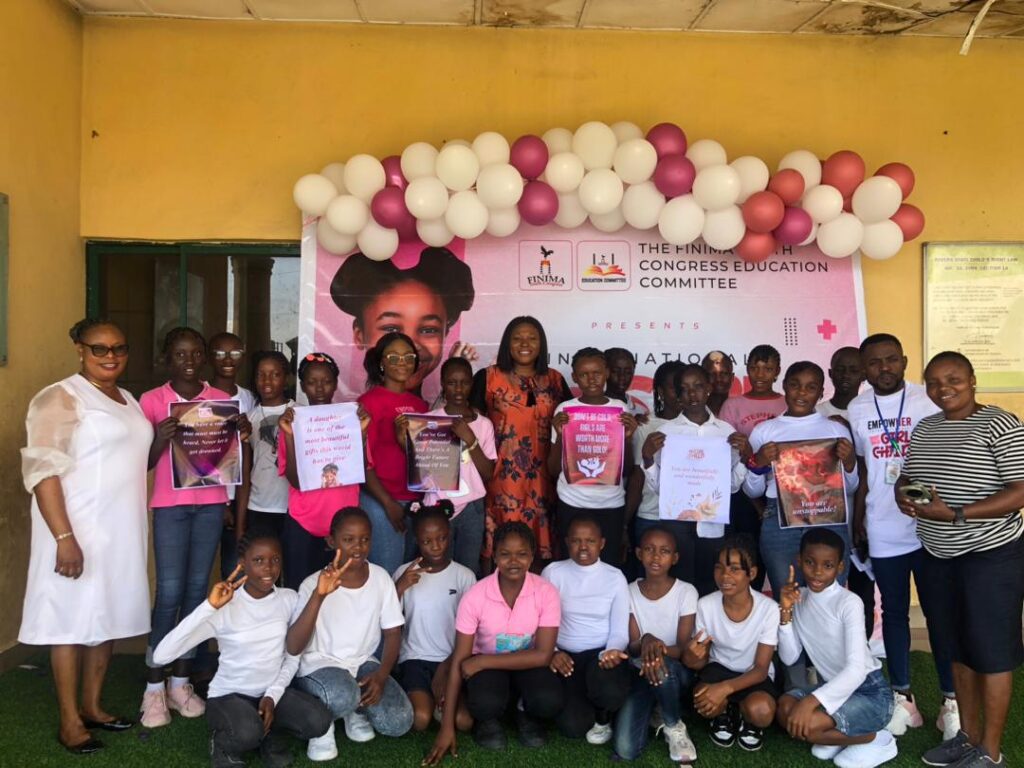
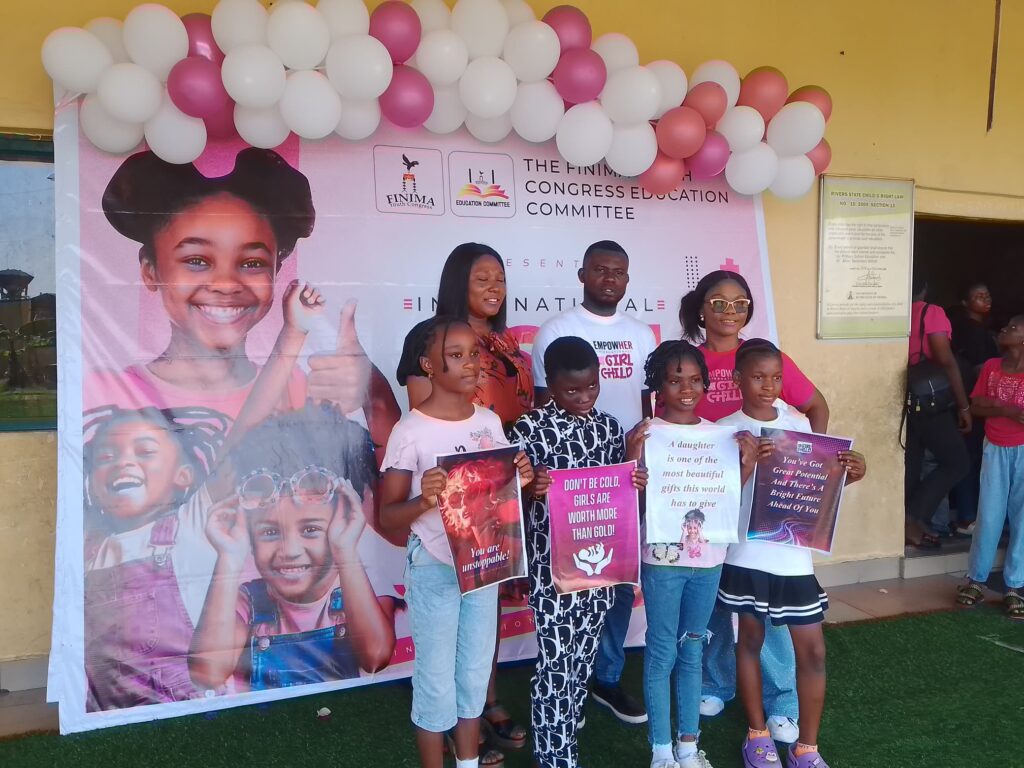
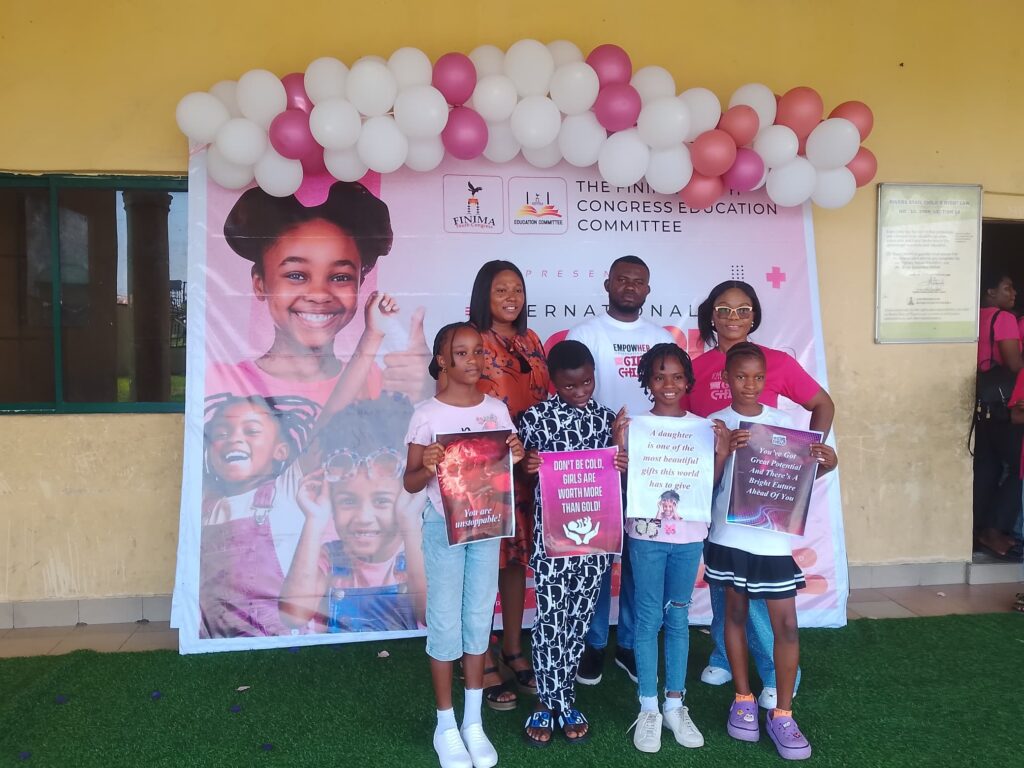
Community Lauds Finima Youth Congress in Landmark Girl Child Celebration

Heartfelt appreciation underscores collaborative success in advancing girl-child empowerment across the region

By Engr. Tamunofiniarisa Brown
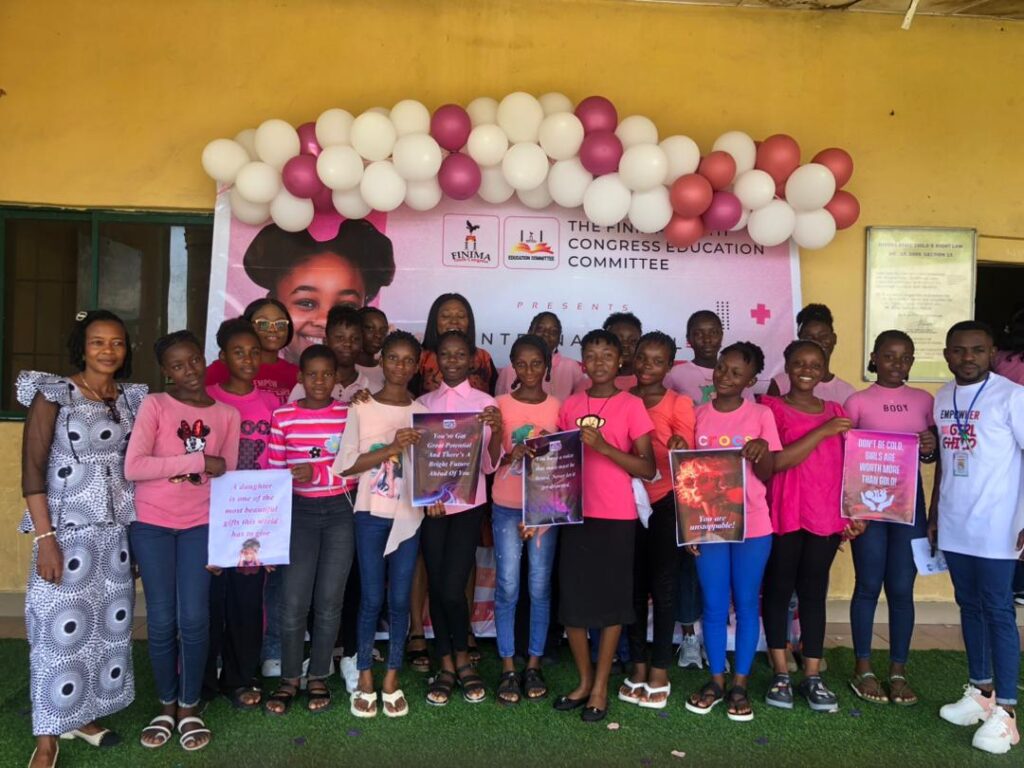
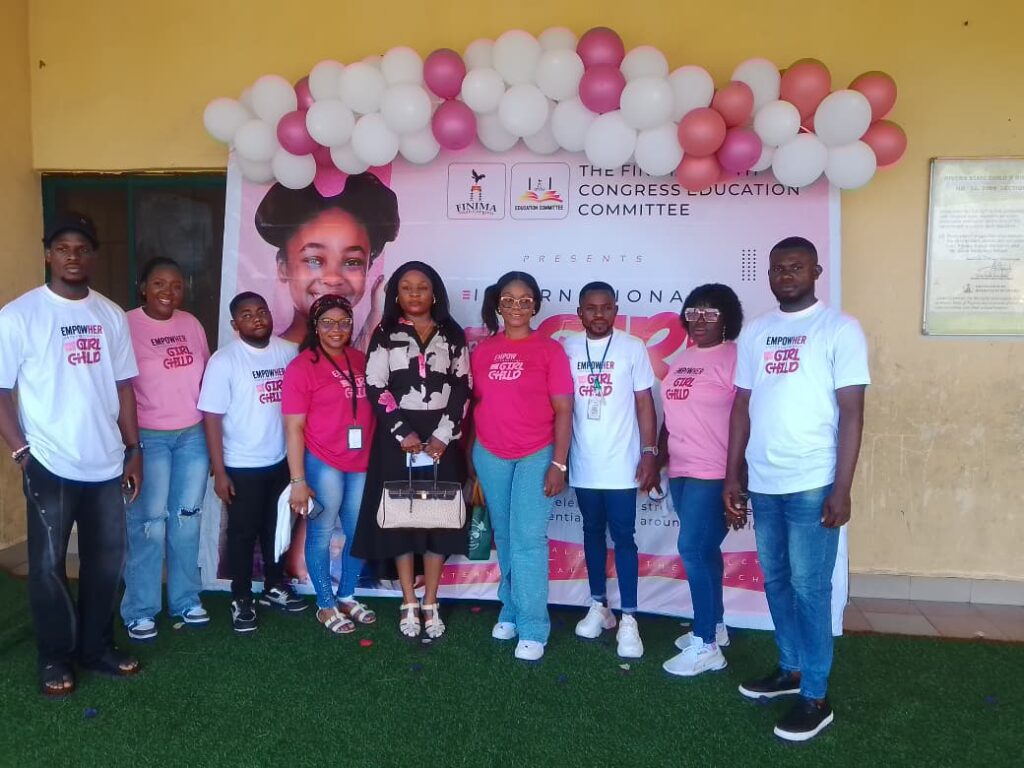
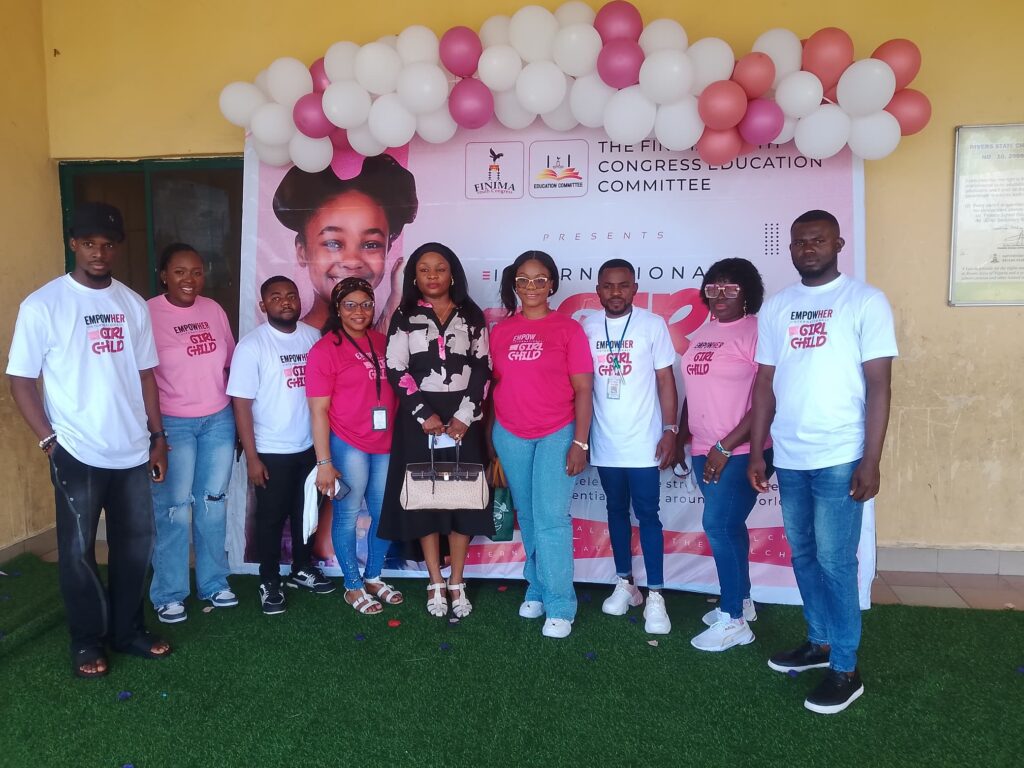
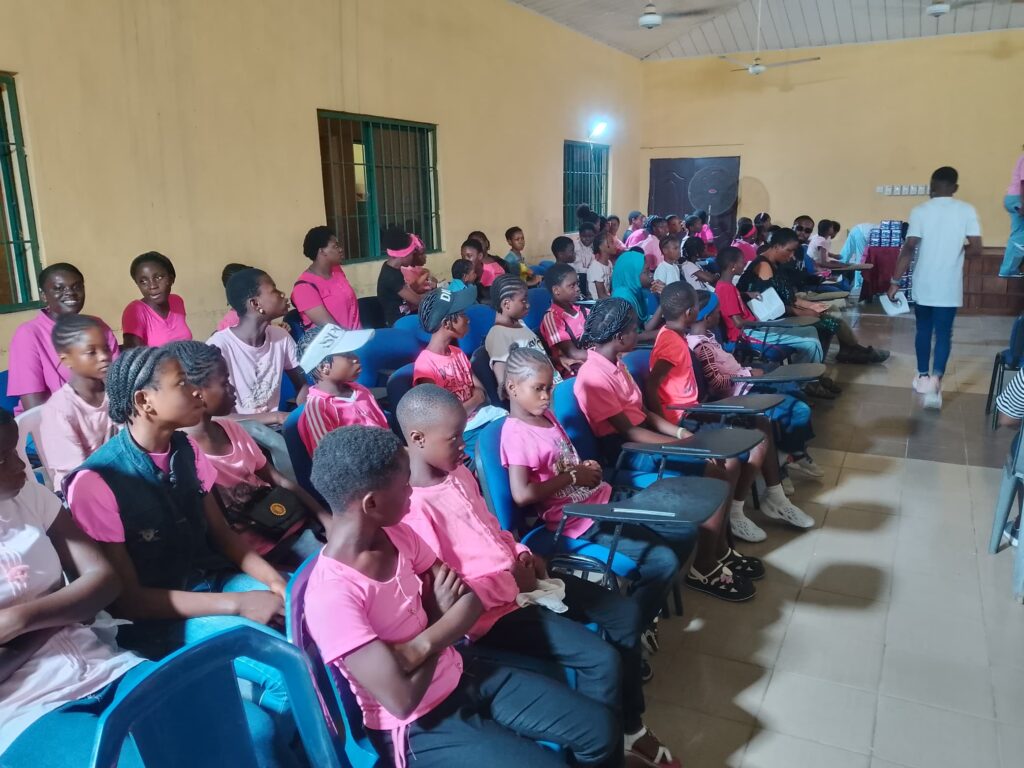
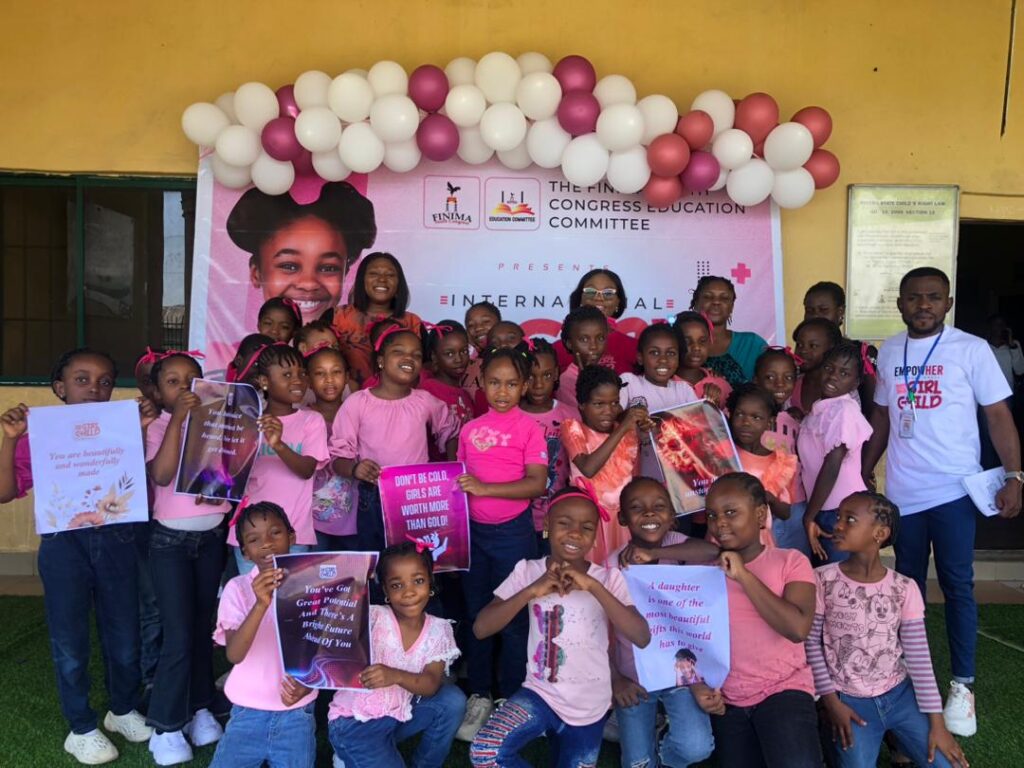
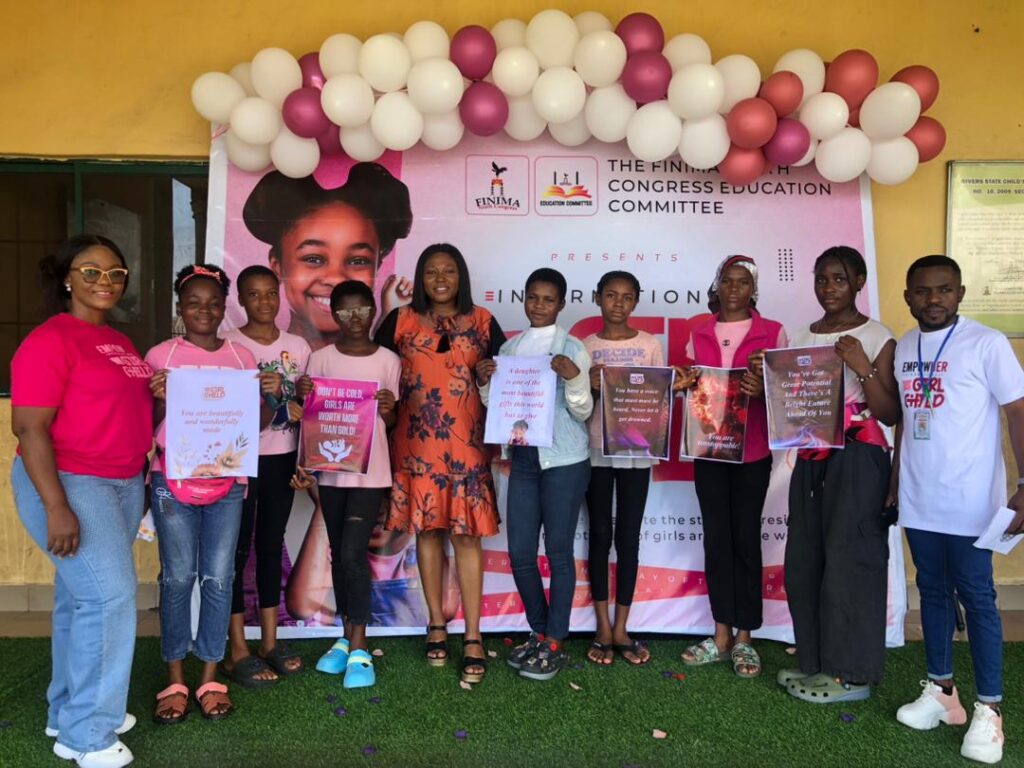
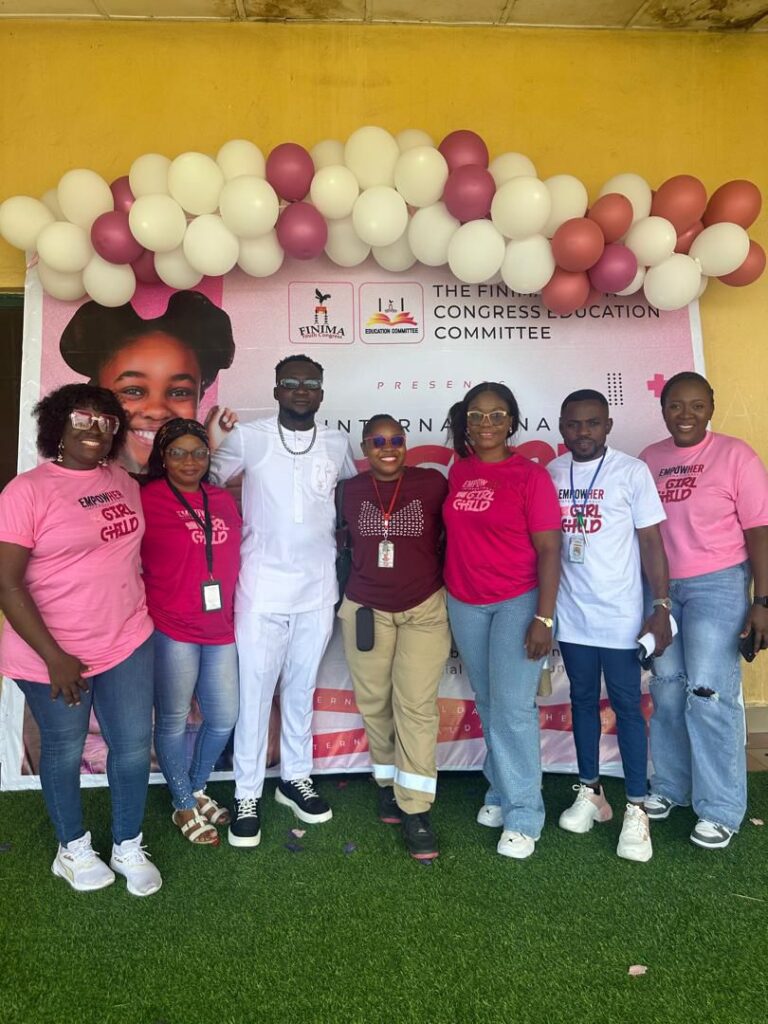
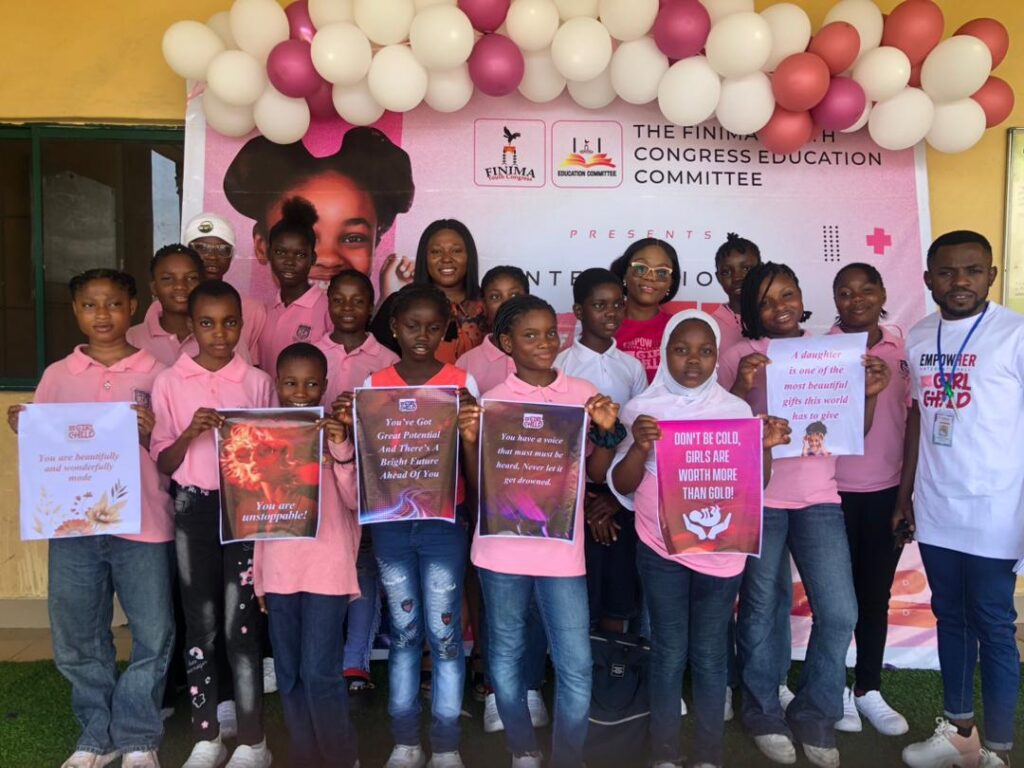
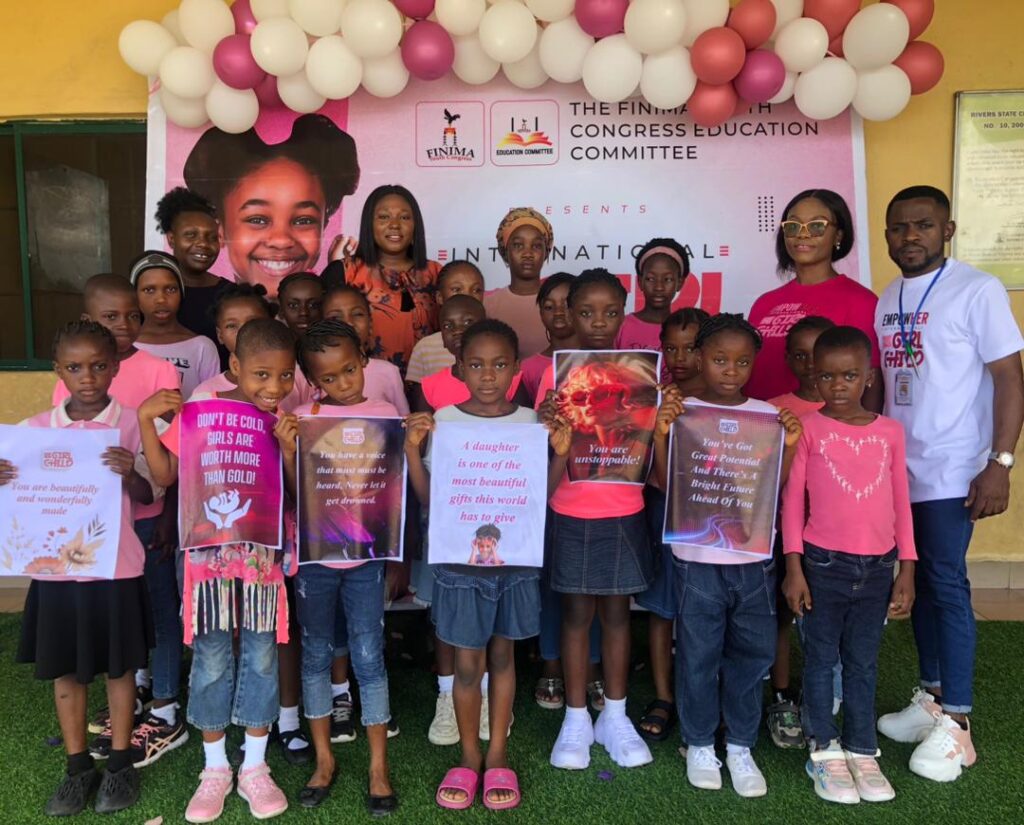
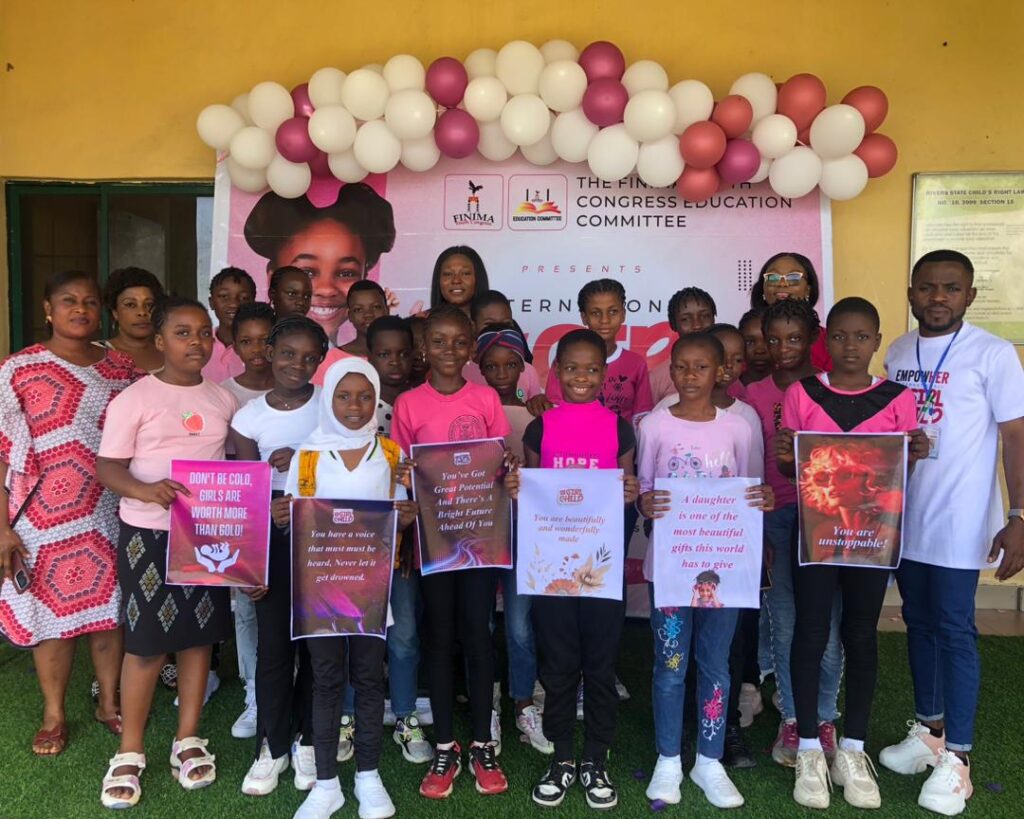
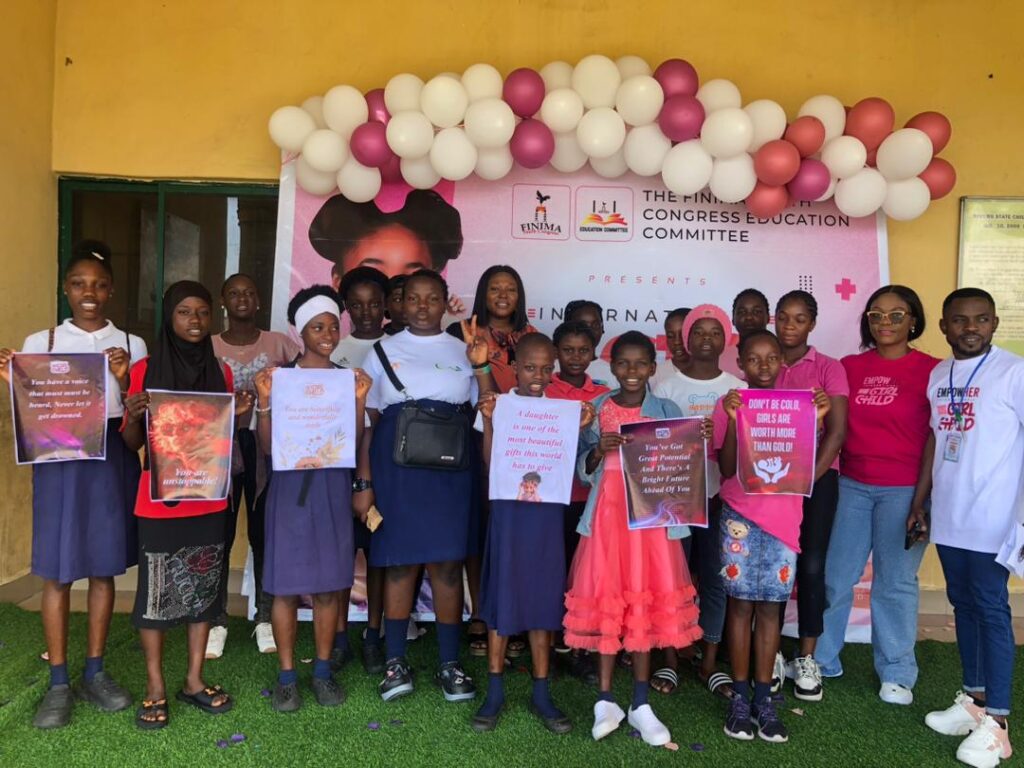
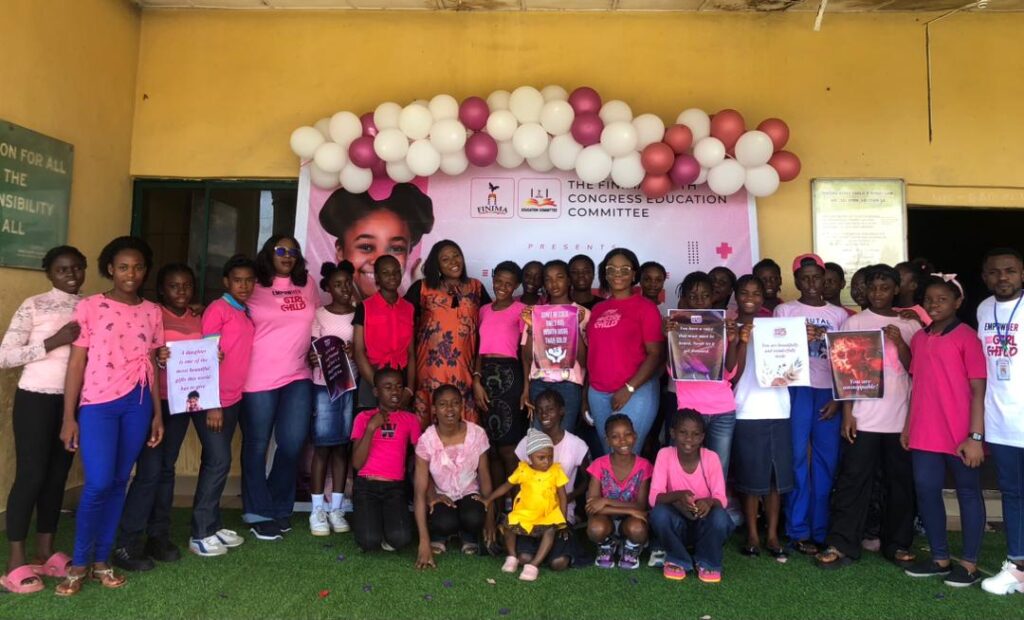
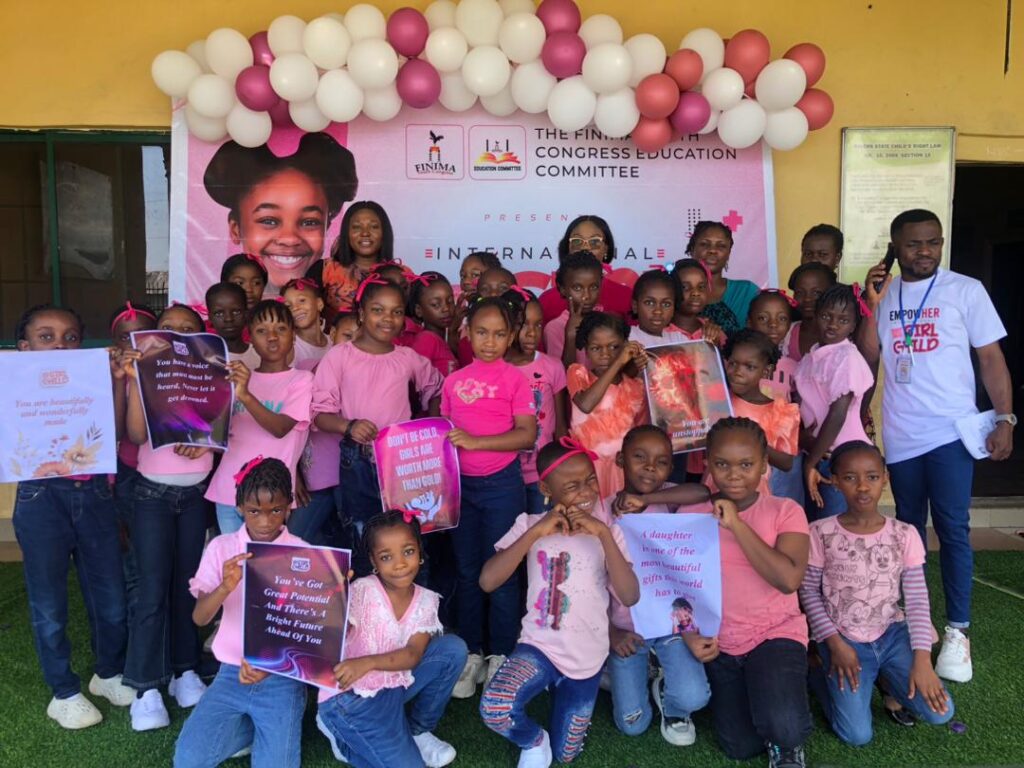
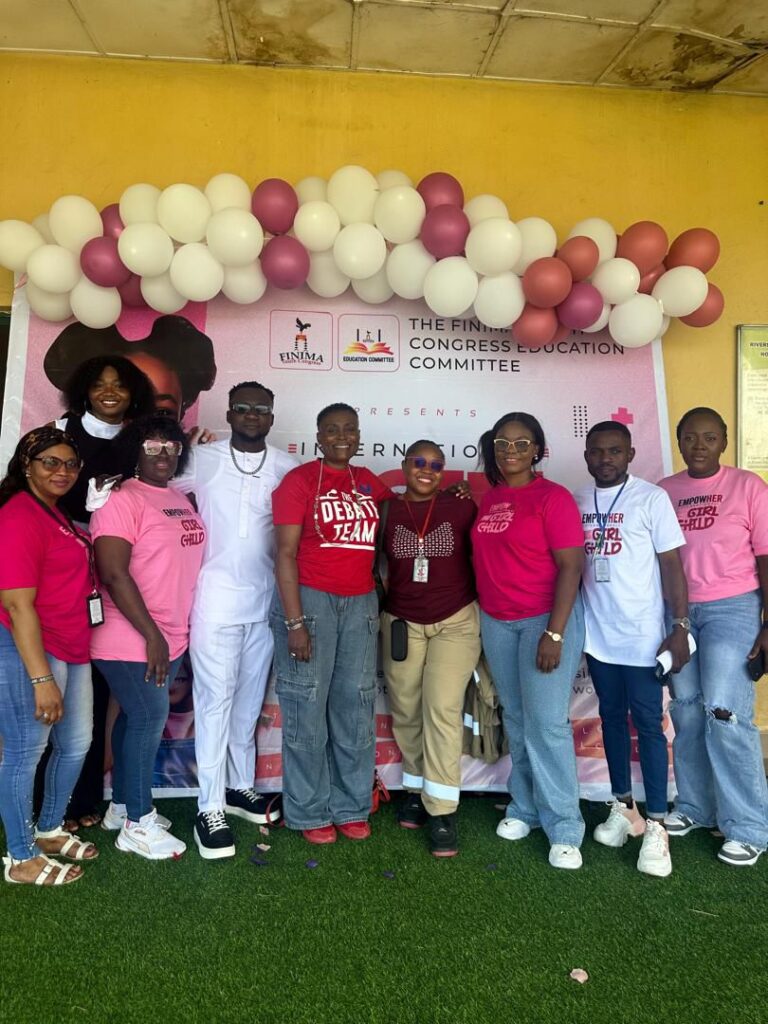
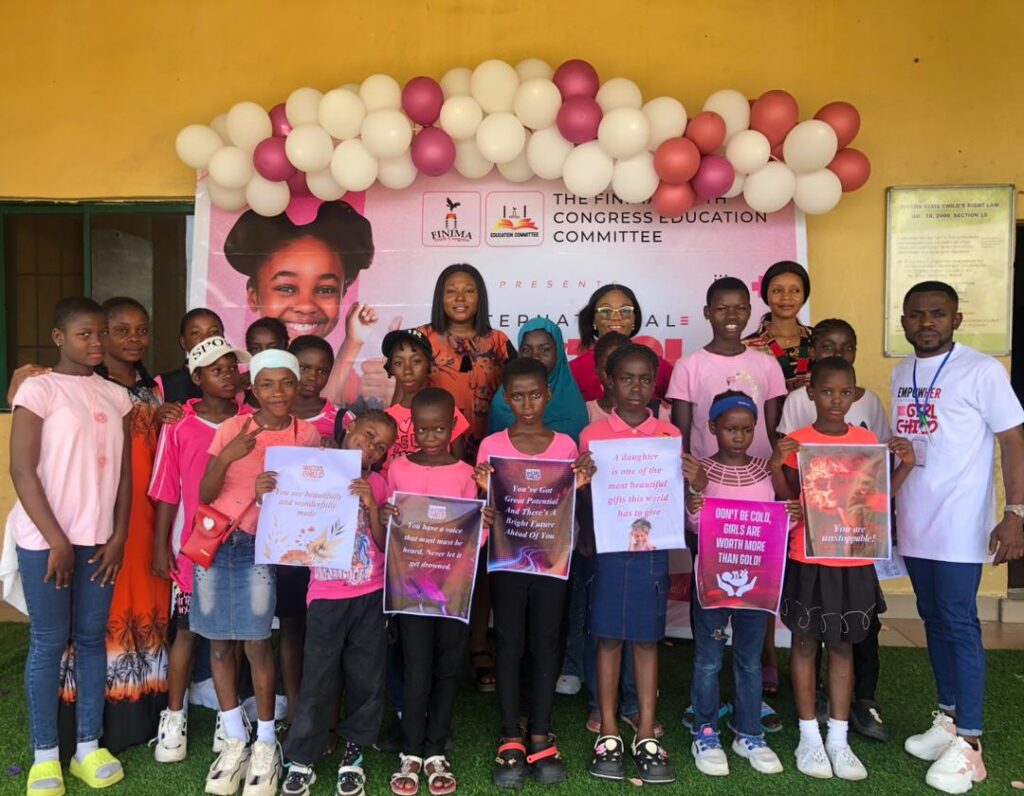
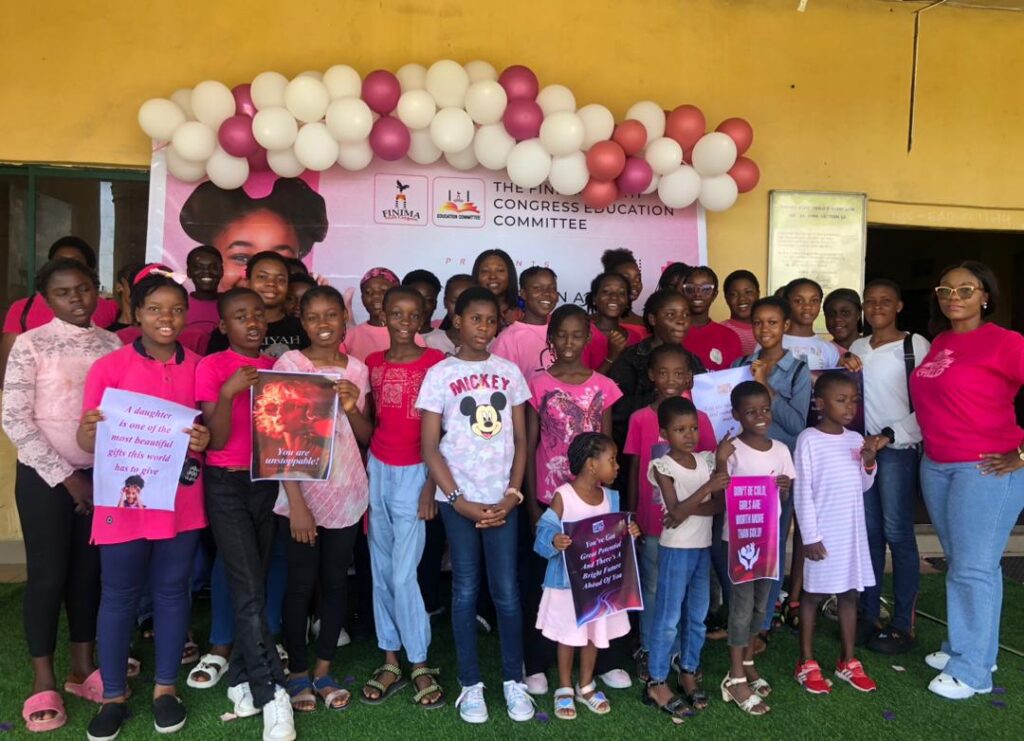
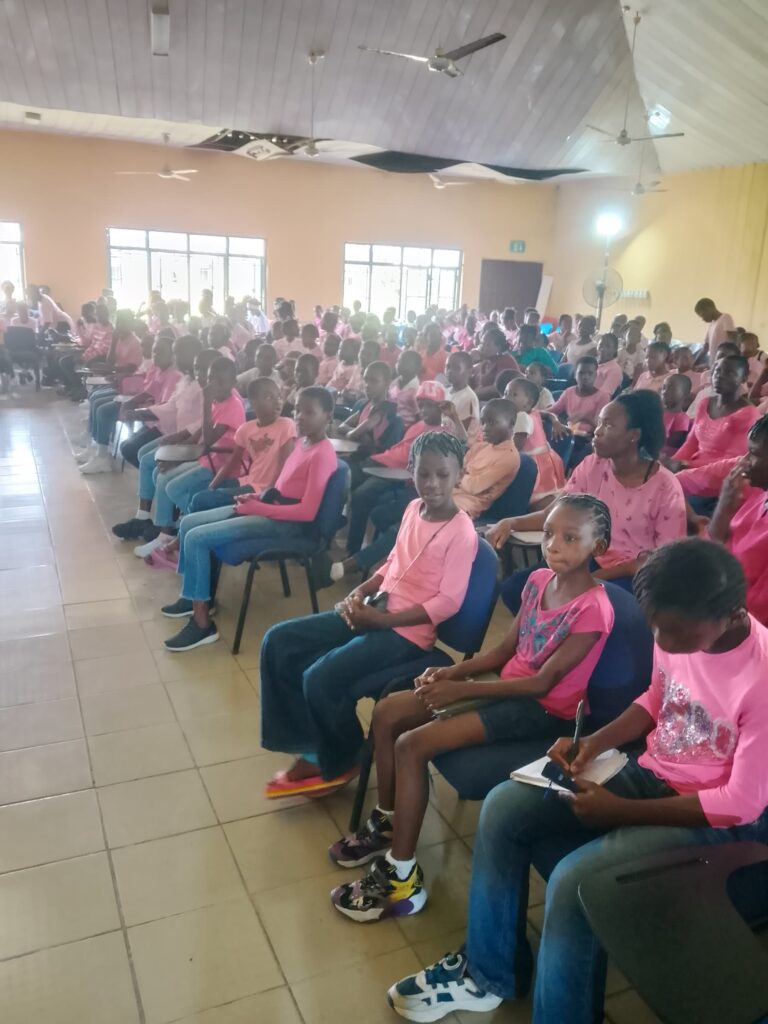
Finima, Rivers State — The Finima Youth Congress (FYC) has earned widespread acclaim for its successful hosting of the International Day of the Girl Child celebration on Saturday, 11 October 2025, held at Amaechi Primary School. The event attracted dignitaries, community leaders, guest speakers from multiple states, and dozens of young girls from Finima and neighbouring communities. The celebration, conceived as part of the FYC’s ongoing commitment to gender equity and youth development, was described by organisers as a milestone in local efforts to empower girls through education, mentorship and public awareness.

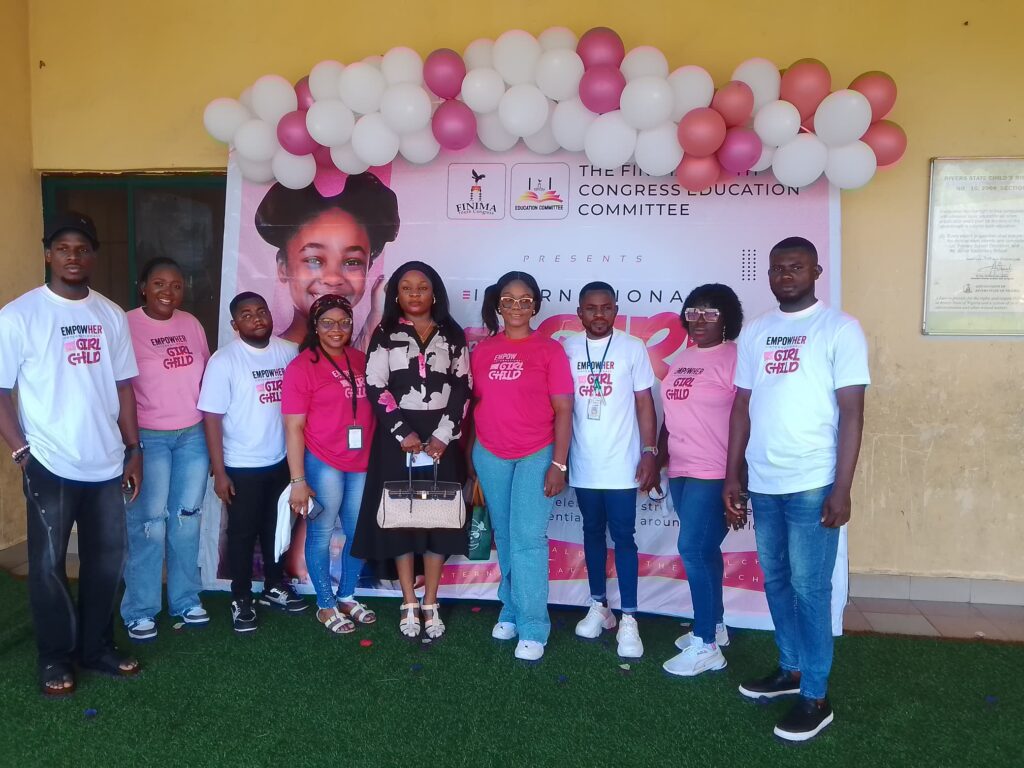
In an official appreciation message, Comrade Abraham Brown, Director of Social Welfare and Youth Development for the Finima Youth Congress, extended heartfelt gratitude to all those who contributed to making the celebration a memorable occasion, with particular recognition directed towards the organisation’s Education Committee and its dynamic Coordinator.

Education Committee Receives Special Recognition

The Education Committee emerged as the driving force behind the event’s success, with their organisational excellence and dedication drawing specific praise from the youth congress leadership. “Your dedication to empowering young girls is truly inspiring,” Abraham Brown noted, highlighting the Committee’s exceptional efforts in coordinating what proved to be a transformative celebration.

The Coordinator’s dynamic leadership was singled out as instrumental in bringing together the various elements that made the event both meaningful and impactful for participants, particularly the young girls who stood at the heart of the celebration.

The programme reportedly included keynote addresses, panel discussions on education and leadership, interactive workshops, cultural performances by schoolgirls, awards or recognition for outstanding youths, and distribution of educational materials. A number of guest speakers shared perspectives on girls’ rights and empowerment.

Community leaders, including members of the Amadabo-in-Council, local chiefs, and parents, were present to support the initiative. Their contributions — in funding, endorsements, and logistics — were acknowledged in the official communiqué as having “a lasting impact on the lives of our girl children.”

Broader Significance & Context

The International Day of the Girl Child, observed globally on 11 October, aims to highlight the challenges girls face—such as limited access to education, gender-based discrimination and violence—and to promote their empowerment. In Nigeria, despite progress, many girls still confront structural barriers like early marriage, school dropouts, and unsafe learning environments. The Guardian Nigeria

Locally, Finima’s initiative underscores how global observances can be anchored in community action. By translating the day’s themes into concrete programmes, the Youth Congress is bridging advocacy and grassroots impact.

Leadership Commitment Proves Crucial

The unwavering support of the Chairman and the entire Central Executive Committee (CEC) of the Finima Youth Congress received special mention as being instrumental to the event’s ultimate success. This institutional backing demonstrated the organisation’s commitment to placing gender empowerment at the centre of its youth development agenda.

“Special thanks to the Chairman and the entire CEC Finima Youth Congress for their unwavering support, which was instrumental to the event’s success,”Abraham Brown emphasised, highlighting the critical role leadership plays in translating vision into reality.

A Milestone Achievement

The celebration has been characterised as a milestone moment in the Finima Youth Congress’s journey towards girl child empowerment. Beyond the immediate success of the event itself, organisers have expressed confidence that its impact will reverberate far into the future.

This celebration marks a milestone in our commitment to empowering the girl child, We are confident that it will inspire a new generation of leaders and change-makers.

The statement reflects a strategic understanding that investing in young girls today creates the foundation for transformative change tomorrow, with educated and empowered women becoming catalysts for broader community development.

Global Significance, Local Action

The International Day of the Girl Child, observed annually on 11 October, represents a global commitment to addressing the unique challenges facing girls worldwide. Established by the United Nations, the day serves to promote girls’ empowerment and the fulfilment of their human rights whilst highlighting persistent barriers to their advancement.

By organising a comprehensive celebration of this international observance, the Finima Youth Congress has demonstrated how global advocacy can be translated into meaningful local action. The event addressed critical issues ranging from education access and leadership development to challenging limiting stereotypes about what young women can achieve.

Challenges Noted and Future Path

Organisers acknowledged some logistical constraints (e.g., limited resources, outreach to remote areas) but affirmed plans for follow-up projects such as continuous mentorship, scholarship schemes, and school-based clubs.

The success of the event marks a milestone in our commitment to empowering the girl child, and the Youth Congress hopes to sustain the momentum by launching periodic educational campaigns, monitoring impact, and replicating the celebration in neighbouring communities.

Conclusion

The Finima Youth Congress’s celebration of the International Day of the Girl Child stands as a compelling example of local engagement on global issues. While the immediate results are celebratory, the true test will be in translating inspiration into sustained programmes and measurable outcomes. With strong community support and clear leadership, the event’s legacy may well extend beyond this single day to benefit future generations of girls in Finima and the wider region.


Source: Official statement from Comr. Abraham Brown, Director of Social Welfare and Youth Development, Finima Youth Congress

Page 1 of 18
1 2 3 18