Finima Owuogbo Maquerade
Unveiling the Charisma of Finima Owuogbo
Nigeria is a land of intriguing cultural heritage, and the Finima Owuogbo Maquerade is a prime example. This festival is a significant part of the Ijaw tribe’s traditional customs and beliefs, and it is celebrated annually with great enthusiasm. The Finima Owuogbo festival is a blend of music, dance, and spirituality, and it is believed to summon the spirits of the dead to bless the living. In this article, we will explore the magic of Finima Owuogbo and discover why it is a must-see event.
Unmasking the Magic of Finima Owuogbo
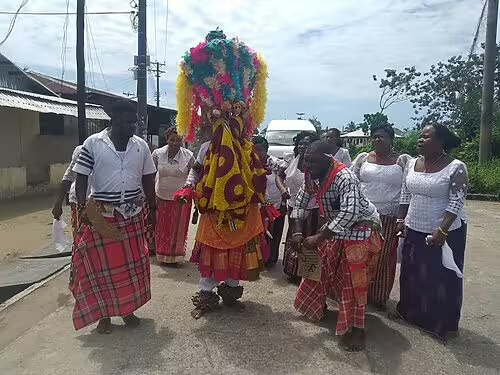
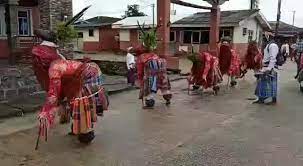
The Finima Owuogbo Maquerade is a colorful and vibrant festival with a unique charm. It is celebrated in the Niger Delta region of Nigeria, particularly in the towns of Bonny and Finima. The festival features a procession of masquerades, dancers, and drummers who put on colorful and intricate costumes to thrill the audience. The Finima Owuogbo Maquerade symbolizes the transition from the world of the living to the afterlife, and it is believed to summon the spirits of the dead depicting restlessness, especially in the form of Agidi Owu (Masquerade with cutlass) to create a ying-yang betweeen the dead and the living.
The highlight of the festival is the Finima Owuogbo masquerade. The masquerade is a massive figure covered in colourful fabrics, feathers, and bells. The mask is a representation of the spirits of the dead, and as it moves through the town, people believe that it is blessing them with good fortune, health, and prosperity. The Finima Owuogbo is an awe-inspiring sight to behold, and its performance is a stunning display of artistry, dance, and spirituality.
From Dance to Deity: The Story of Finima Owuogbo
The Finima Owuogbo Maquerade has a rich history that dates back centuries. According to legend, the festival originated from a man named Owuogbo, who was said to have died and returned to life. When he came back to life, he decided to create a festival to celebrate his resurrection. The festival evolved over time, and it became a way to honor the dead and ask for their blessings.
The Finima Owuogbo festival is now an essential part of Ijaw culture, and it has become a symbol of their heritage. The festival is a celebration of life, death, and the afterlife, and it is a reminder that death is not the end. The Finima Owuogbo is a representation of the spirits of the dead, and it is believed that when it moves through the town, it is a sign that the ancestors are watching over the people.
Join the Festivities: Experience Finima Owuogbo in Person!
The Finima Owuogbo Maquerade is a festival that is not to be missed. If you are planning a trip to Nigeria, make sure you visit Bonny or Finima during the festival. The festival typically takes place in November or December, and it lasts for several days. During the festival, you can expect to see colorful costumes, traditional dances, and hear the sounds of drums and trumpets.
Visitors to the festival are welcome to join in the festivities. You can try on the colourful costumes and dance alongside the masquerades. You can also sample traditional Ijaw cuisine, including delicious seafood like prawns and oysters. The Finima Owuogbo Maquerade is a unique and unforgettable experience that will leave you with memories that will last a lifetime.
A Festive Celebration of Life and Death
The Finima Owuogbo Maquerade is a celebration of life, death, and the afterlife. It is a festival that honors the dead and asks for their blessings. It is also a colorful and vibrant event that showcases the rich cultural heritage of Nigeria. The Finima Owuogbo Maquerade is a must-see event, and we hope that our article has inspired you to experience it for yourself. So, pack your bags, head to Nigeria, and join in the festivities!
Conclusion
The Finima Owuogbo masquerade is a unique and powerful tradition that has been celebrated in Nigeria for generations. The masquerade symbolizes protection and strength, and is deeply embedded in Nigerian culture. Its power is so strong that it is believed to be able to protect communities and ward off evil spirits. The masquerade is also a representation of unity and togetherness, and it is something that communities come together to celebrate each year. It is a beautiful display of Nigerian culture, and a reminder of the importance of celebrating our unique traditions. Finima Owuogbo masquerade is a reminder that we can take strength from our past to build a better future.
Discover more from FINIMA
Subscribe to get the latest posts sent to your email.
0 Comments