From Courtrooms to Capitol: The Controversy Surrounding Senator Roger Marshall’s Medical Debt Practices
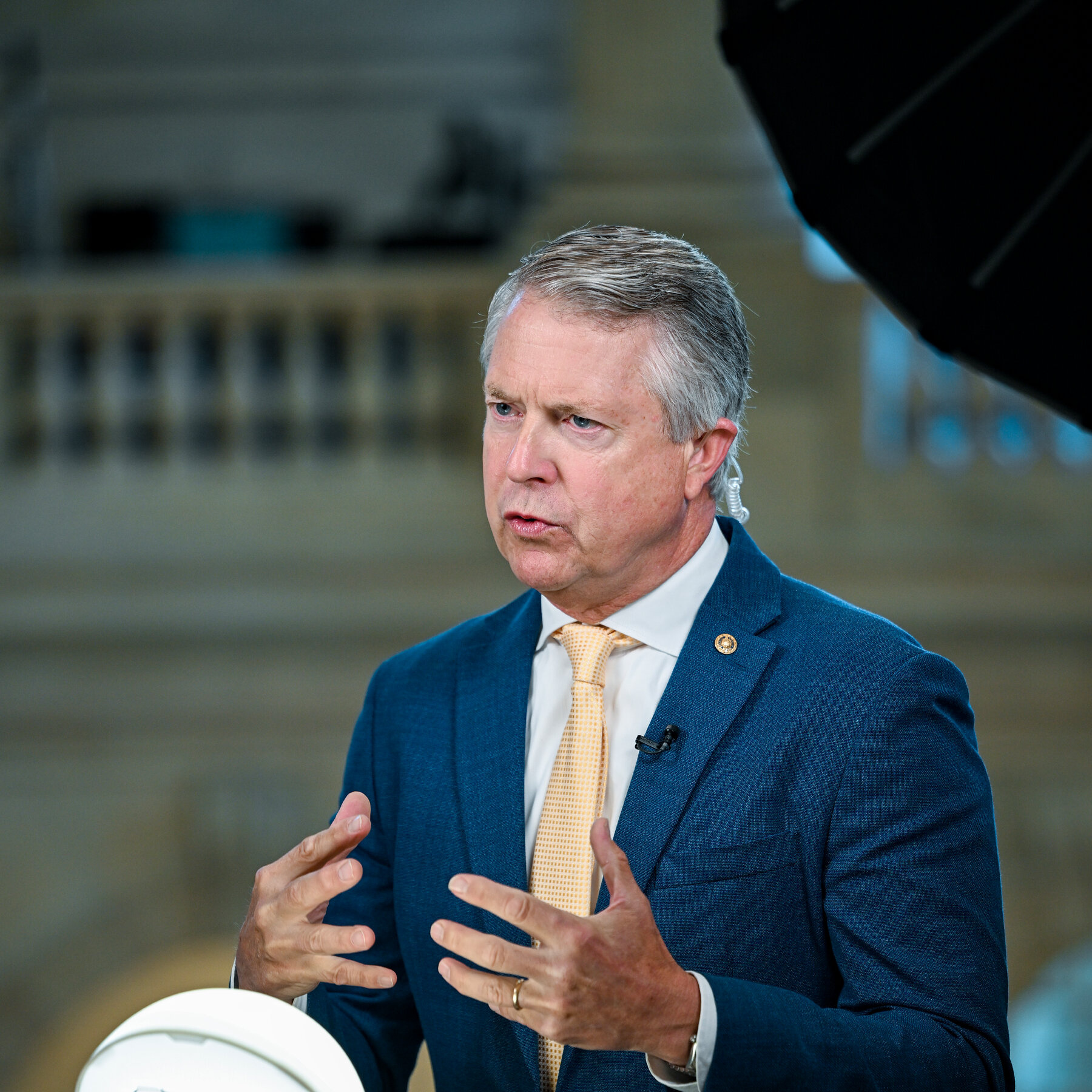
In the realm of politics, the personal histories of elected officials often come under intense scrutiny, especially when those histories involve controversial practices that affect vulnerable populations. Senator Roger Marshall of Kansas, a former obstetrician-gynecologist, has recently drawn significant attention for his past actions related to medical debt collection. Investigations reveal that he sued approximately 700 patients over unpaid medical bills, charging interest rates as high as 18 percent—well above typical lending rates—and that some patients faced severe consequences such as bank account garnishments and even arrests. For communities like Bonny Island and Finima, where healthcare access and affordability remain pressing concerns, understanding the complexities behind such stories is vital. They reflect broader issues of accountability, ethics, and the intersection of healthcare and governance in the lives of everyday people.
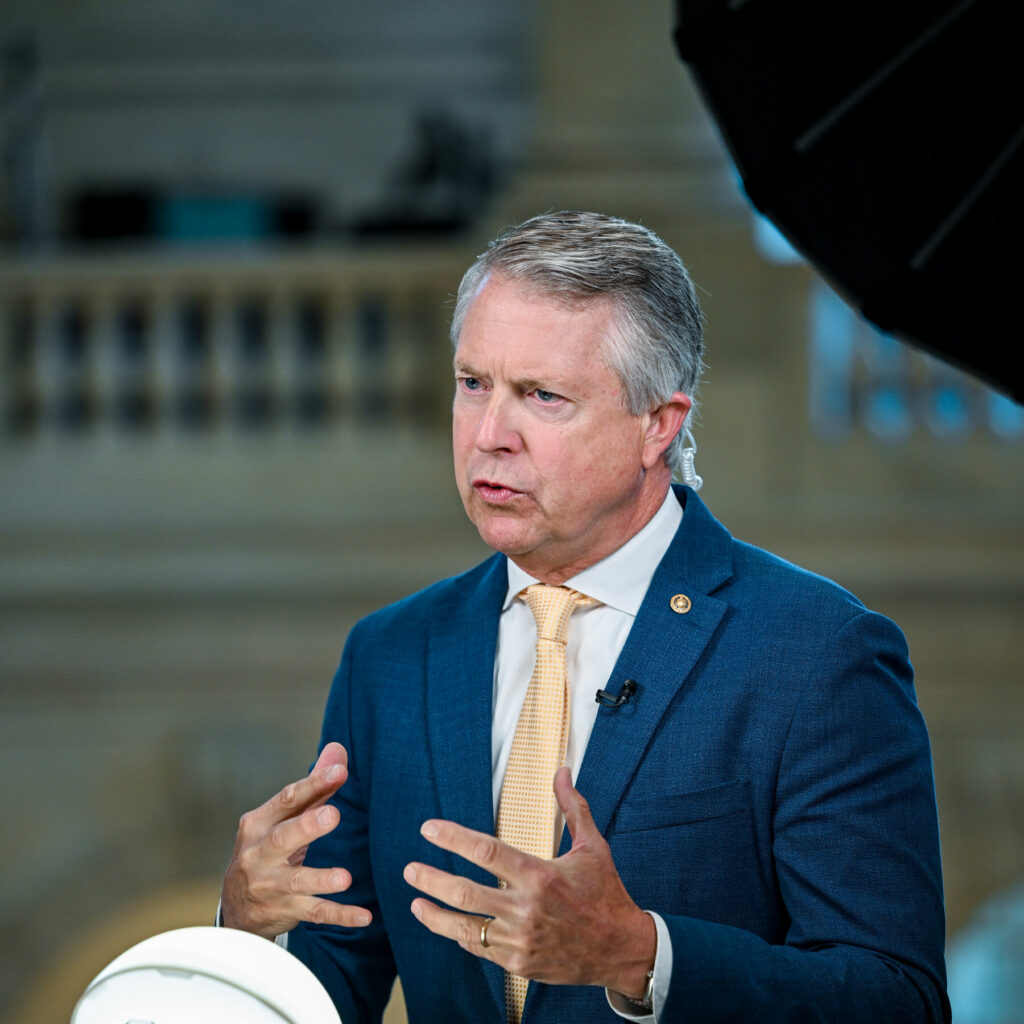
A Troubling Legacy: Medical Debt Suits and Their Human Impact
Senator Marshall’s medical career included a notably aggressive approach to collecting unpaid fees from patients. According to a New York Times investigation, he pursued legal action against roughly 700 individuals who owed medical debts. This approach was marked by charging interest rates as high as 18 percent, a rate that far exceeds typical consumer lending and adds a significant financial burden to patients already struggling to pay medical bills.
Beyond the lawsuits themselves, the consequences for some patients were severe. At least 81 individuals faced arrest due to unpaid medical debts, and some had their bank accounts garnished. Such enforcement actions raise serious ethical questions about the balance between legitimate business practices and compassionate patient care. Arresting patients over medical debts is particularly contentious in the United States, where healthcare costs are often prohibitively high and medical debt is a leading cause of personal bankruptcy.
For communities like Bonny Island, where many residents face challenges accessing affordable healthcare, these stories resonate deeply. They underscore the vulnerability of patients who may be caught between the need for medical treatment and the risk of financial ruin. The fact that a healthcare provider—someone entrusted with patients’ wellbeing—engaged in such aggressive debt collection highlights potential exploitation within the healthcare system.
From Physician to Politician: Navigating Public Scrutiny
Roger Marshall’s transition from a medical practitioner to a U.S. Senator has not insulated him from public examination. His past practices as a doctor have resurfaced as points of contention, especially given the ethical expectations placed on elected officials. Serving in a role that demands integrity and public trust, Marshall’s history of suing patients and charging high interest rates invites critical scrutiny.
This situation prompts broader discussions about the responsibilities of politicians who come from professions directly impacting public welfare. Voters often expect their representatives to embody fairness and compassion—values that may seem at odds with aggressive debt collection tactics. The revelation of Marshall’s past actions challenges constituents to reconcile his professional history with his current role in shaping public policy.
For members of the Bonny Kingdom diaspora and local residents, this case serves as a reminder to critically evaluate the backgrounds of those in power. It encourages dialogue about how past professional conduct can influence political credibility and governance, and whether such histories should factor into voters’ decisions.
Broader Implications: Medical Debt and Community Wellbeing
Medical debt is a widespread and deeply entrenched problem affecting millions across the United States and beyond. It often leads to financial instability, stress, and diminished access to necessary care. The case of Senator Marshall’s lawsuits sheds light on systemic issues within healthcare financing and patient protections, highlighting how vulnerable populations can be disproportionately impacted.
In communities such as Finima and Bonny Island, where economic opportunities are evolving and healthcare infrastructure is still developing, the burden of medical expenses can be particularly heavy. Stories like this emphasize the urgent need for policies that protect patients from predatory billing and debt collection practices, ensuring equitable access to healthcare services.
Moreover, the intersection of healthcare and politics is crucial. Leaders who understand the challenges faced by patients can advocate for reforms that alleviate financial pressures and promote health equity. Conversely, politicians with controversial pasts in healthcare may face challenges in gaining community trust and effectively championing reform efforts.
Community Reflections and Calls for Accountability
The reaction among Bonny Island residents and the diaspora to Senator Marshall’s story has been thoughtful and varied, but largely centered on ethical concerns. Many express unease about the morality of suing vulnerable patients and the broader implications for public service and leadership.
Local leaders and community organizations emphasize the importance of accountability, urging elected officials to be transparent about their past actions and to prioritize the welfare of their constituents. They argue that public trust depends on openness and a demonstrated commitment to ethical governance.
Women’s and youth groups, particularly those focused on empowerment and health advocacy, view this as an opportunity to push for stronger protections against unfair medical billing practices. They also advocate for increased financial literacy among patients, equipping individuals to better navigate healthcare costs and avoid debt traps.
These conversations contribute to a growing awareness of how personal histories intersect with public roles and highlight the importance of ethical leadership in fostering community trust and wellbeing.
What this means
The story of Senator Roger Marshall’s medical debt lawsuits offers a cautionary tale about the complexities at the nexus of healthcare, ethics, and political leadership. For communities in Bonny Island and Finima, it serves as a reminder to remain vigilant about the backgrounds of those who hold public office and to actively advocate for systems that protect the most vulnerable. As local voices continue to call for transparency, fairness, and reform, there is hope that such scrutiny will foster more compassionate governance and improved healthcare policies that prioritize people over profits.
Originally reported by nytimes.com. Adapted for our readers with AI assistance.
Discover more from FINIMA
Subscribe to get the latest posts sent to your email.
0 Comments