Healthcare Access on Bonny Island: Information Residents Can Use
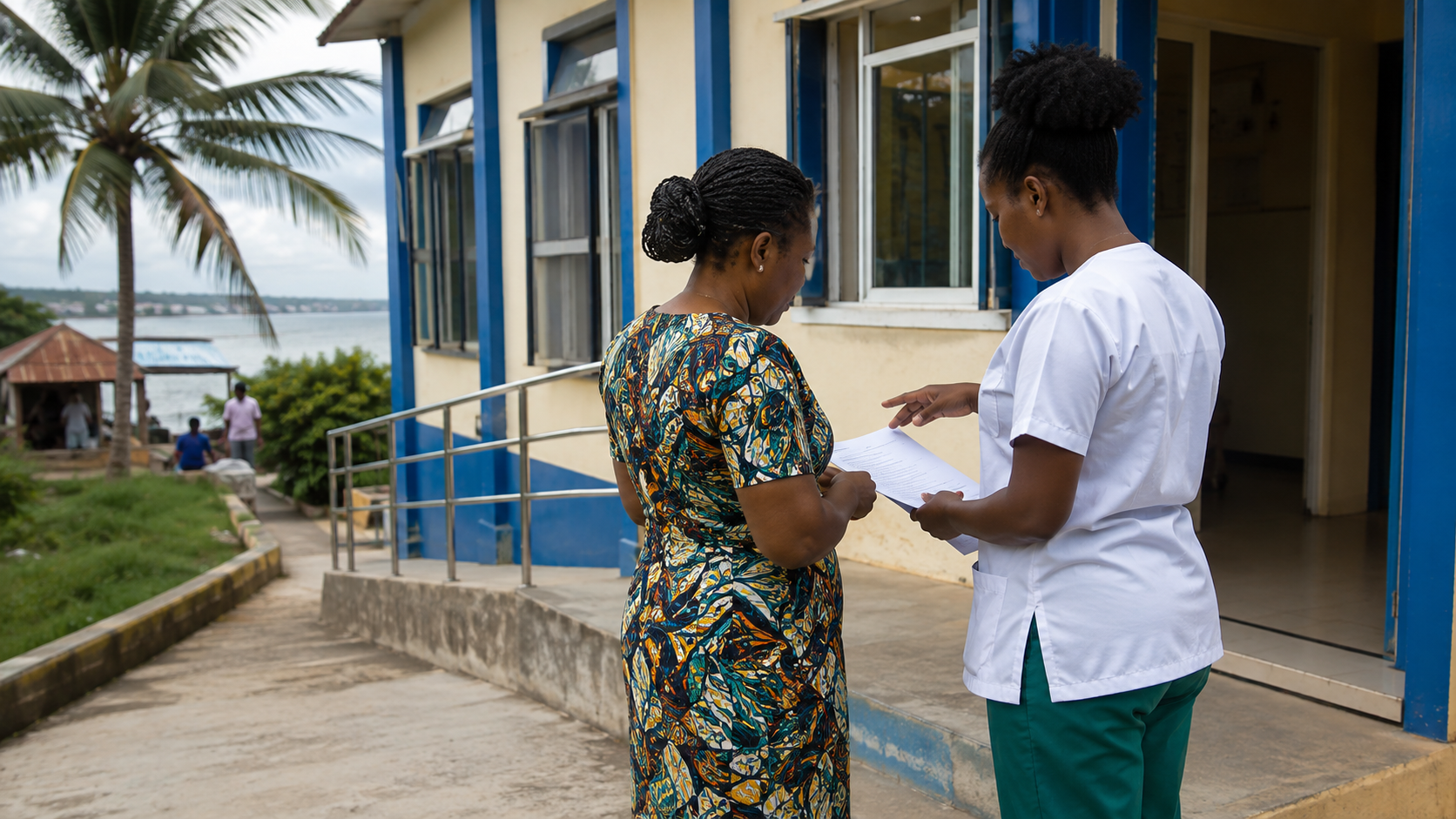
Good health is the foundation of a thriving community, and on Bonny Island, access to reliable healthcare information is increasingly recognised as essential for residents’ peace of mind. Whether you are a long-time resident, a young professional returning home, or part of the diaspora supporting loved ones from afar, knowing where and how to seek care can make a meaningful difference. This article offers clear, practical guidance based on current information from trusted sources, helping you navigate local health services with confidence. It is not a substitute for professional medical advice, but rather a starting point for informed conversations with healthcare providers and community leaders.
Knowing Where to Go for Care
Understanding the local healthcare landscape begins with familiarising yourself with the facilities and programmes available in your area. On Bonny Island, several public health centres provide essential services, with the Finima Health Centre being one of the key points of access for residents. This facility is known to participate in broader health initiatives aimed at improving coverage and affordability for community members.
It is important to remember that healthcare access can change due to staffing, supplies, or administrative updates. Therefore, residents are advised to verify the current operating hours, available services, and any requirements for treatment before making a journey to a clinic. A quick phone call or inquiry through community networks can save time and ensure you receive the care you need when you need it.
For those living in more remote parts of Bonny Kingdom or managing chronic conditions, planning ahead is particularly valuable. Knowing which facilities offer specific services—such as maternal care, child immunisations, or chronic disease management—can help you make informed choices about where to seek regular check-ups or urgent attention. This knowledge reduces uncertainty and supports timely access to appropriate care.
Additionally, understanding the referral pathways between local clinics and higher-level facilities in Port Harcourt or other regional hospitals can be crucial for more complex health needs. Residents should inquire about transfer protocols and specialist availability to avoid delays in critical situations. Building this awareness empowers individuals to act swiftly and knowledgeably when health concerns arise.
The Bonny Community Health Insurance Programme
One significant development in local healthcare access is the Bonny Community Health Insurance Programme, which operates in partnership with the Rivers State Government Health Management Board and the Bonny Kingdom authorities. This initiative aims to reduce financial barriers to healthcare by offering subsidised or covered services to eligible residents.
According to information provided by NLNG, the Finima Health Centre is listed among the public facilities participating in this programme. This means that residents who are enrolled may be able to access certain treatments, consultations, and medications at reduced cost or free of charge, depending on the programme’s current terms. However, the scope of coverage and specific benefits may vary, and residents should seek detailed information about what is included.
Eligibility and coverage are not automatic. Residents must confirm their enrolment status, understand what services are included, and check for any updates to the programme’s rules or participating facilities. Relying on outdated information could lead to unexpected expenses or gaps in care, so direct engagement with the programme administrators or local health officials is strongly encouraged. Regular verification ensures that residents can fully benefit from the support available.
Furthermore, understanding the enrolment process—including required documentation, registration timelines, and renewal procedures—can prevent administrative hurdles. Residents are advised to visit official programme offices or contact designated health management board representatives to obtain accurate, up-to-date guidance tailored to their household circumstances.
Practical Steps for Everyday Health Security
While awareness of programmes and facilities is important, daily habits and preparedness play an equally vital role in maintaining health security. Keeping emergency contact numbers saved in your phone or displayed at home ensures that help can be reached quickly in urgent situations. This includes contacts for the nearest health centre, ambulance services, and trusted family members or neighbours who can assist in a crisis. Having these numbers readily available can reduce response delays during emergencies.
Before travelling to a clinic for a non-emergency visit, it is wise to confirm that the facility is open and staffed that day. Unexpected closures due to public holidays, staff training, or supply shortages can occur, and verifying in advance prevents unnecessary trips—especially important for those with mobility challenges or limited transport options. This simple step conserves time, energy, and resources.
Finally, while community information shared through neighbours, churches, or social media groups can be helpful, it should always complement—not replace—advice from qualified medical professionals. If you or a loved one is experiencing symptoms that concern you, seeking timely consultation with a doctor or nurse remains the best course of action. Local health workers are there to support you, and building a relationship with a trusted provider can greatly improve long-term health outcomes through continuity of care.
Residents are also encouraged to maintain personal health records, including vaccination history, chronic condition details, and medication lists, to share with healthcare providers during visits. This practice supports accurate diagnosis and treatment, particularly when seeing different clinicians or accessing care across multiple facilities.
What this means
Healthcare access on Bonny Island is strengthened not only by the availability of services and programmes but also by the awareness and actions of residents themselves. By taking simple steps to stay informed—verifying clinic hours, understanding insurance options, and keeping emergency contacts handy—individuals can play an active role in protecting their health and that of their communities. While initiatives like the Bonny Community Health Insurance Programme represent meaningful progress, their effectiveness depends on clear communication and direct engagement from those they aim to serve. Let us continue to share reliable information, support one another in accessing care, and uphold the value of good health as a shared priority across Bonny Kingdom, both at home and in the diaspora. Proactive health literacy contributes to stronger community wellbeing and more effective use of available resources.
Prepared with AI assistance.
Discover more from FINIMA
Subscribe to get the latest posts sent to your email.
0 Comments