Transforming Health Care in Finima: A Journey Towards Better Well-being
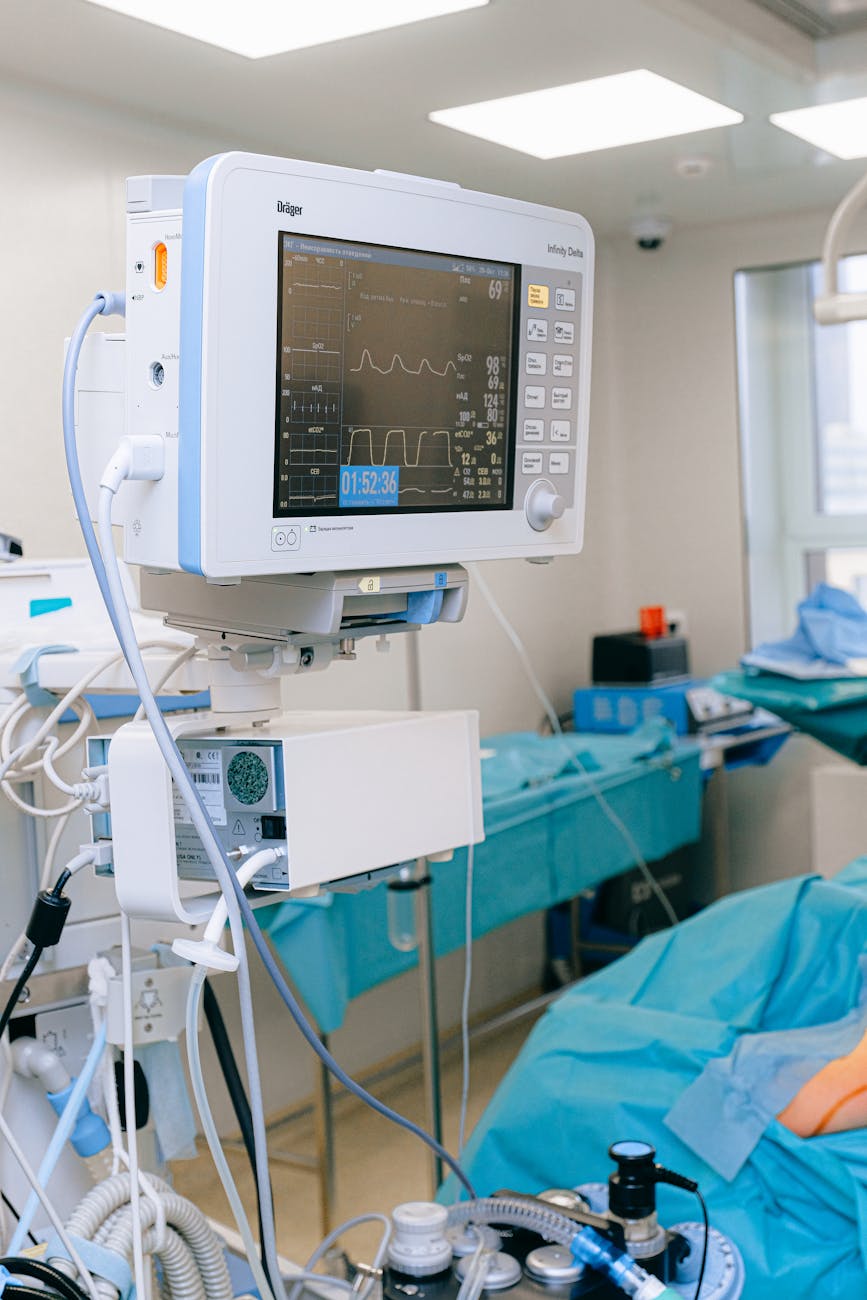
For the families of Finima, health care is the difference between a child receiving timely treatment, a mother surviving childbirth, and an elder managing a long-term condition with dignity. Finima is a lively community nestled in the heart of the Niger Delta, rich in culture and natural resources, with oil and gas workers living alongside indigenous residents.
Yet this vibrancy sits beside a difficult reality. The primary health centre is the first port of call for most households, handling immunisations, maternal and child health, and everyday illnesses. Too often, however, it is short of staff, missing essential equipment, and low on medicines. Private clinics offer an alternative, but their fees place them beyond the reach of ordinary families, creating a two-tier system where wealth decides who gets better care. The road ahead is clear if the community and its partners walk it together.
Where Things Stand Today
The primary health centre is the beating heart of local care. Parents bring babies for immunisations, expectant mothers seek antenatal advice, and fevers, infections, and minor injuries are treated before they become life-threatening. In practice, demand regularly outstrips capacity. Staff numbers do not match patient numbers, rooms and equipment are limited, and shelves are too often bare of the drugs people have been told to collect.
Private clinics add another layer. They can provide quicker attention and a wider range of services, yet their costs mean that only wealthier families, expatriate workers, or those with steady formal employment can use them comfortably. The result is a widening gap between those who can pay and those who cannot, and that gap shows up in health outcomes no community should accept.
The Challenges Slowing Finima Down
Several connected problems hold the system back. The first is infrastructure. Many buildings lack the space, sanitation, power, and equipment needed to deliver modern care. A centre without reliable water supply, adequate ward space, or working diagnostic tools cannot meet patient expectations, however dedicated its workers may be.
The second challenge is people. Finima does not have enough trained doctors, nurses, midwives, pharmacists, and laboratory staff. Skilled professionals are often drawn to larger cities where salaries, housing, and career prospects appear more secure, leaving local facilities depending on a small, overworked team.
Medicine supply is the third pressure point. Even with a correct diagnosis, the prescribed drug may not be available. Patients are then forced to buy from private pharmacies, travel long distances, or simply go without. That gap turns manageable conditions into serious illnesses.
The fourth issue is health education. Without regular, trusted information on hygiene, nutrition, and when to seek help, preventable diseases continue to spread. Many residents either delay care until conditions worsen or fall for unsafe remedies.
Finally, funding remains weak. Without clear budgets, transparent procurement, and consistent support, facilities cannot plan, maintain equipment, or retain staff.
What Transformation Could Look Like
Change needs action across several fronts. The most urgent starting point is infrastructure investment. Finima's health centres deserve modern equipment, clean water, reliable power, decent sanitation, and enough space to separate outpatient, maternity, and emergency cases. A building that feels like a proper place of healing restores public confidence.
Next comes the workforce. Training more local young people as nurses, midwives, community health officers, and pharmacists is essential, but training alone is not enough. Scholarships, better pay, decent accommodation, and clear career paths can persuade professionals to stay and serve their own people. A health worker who grows up in Finima is more likely to remain committed to it.
The medicine supply chain also needs strengthening. Facilities should be linked to reliable distributors, and NGOs and pharmaceutical companies can help prevent stockouts. A drug sitting in a warehouse in a distant town is of no use to a sick child in Finima; the last mile matters.
Health education must become part of daily community life. Churches, mosques, town criers, youth groups, women's associations, and social media can spread accurate messages about malaria prevention, maternal health, sanitation, and early treatment. Prevention is often more effective than cure.
Funding must increase too. Local government, community leaders, oil and gas companies, and philanthropists all have roles. Community health insurance could spread costs so that no family faces catastrophic bills.
Technology and the Community Voice
Modern tools can help Finima leap over some geographic and resource constraints. Telemedicine can connect a patient at the local health centre to a specialist elsewhere, reducing the need for expensive travel. Mobile health apps can send reminders for antenatal visits, childhood vaccinations, and chronic medication. Electronic health records, once basic connectivity is in place, can stop patients from repeating tests and help doctors track care over time.
Technology, however, is only as strong as the community behind it. Residents must feel ownership by speaking up at meetings, volunteering for health campaigns, supporting local facilities, and holding leaders accountable. The diaspora also has a part to play: remittances, expertise, advocacy, and partnerships can channel resources back home in organised, transparent ways.
A Call to Finima and Friends of Finima
Better health in Finima is not a single project; it is a shared commitment that must last for years. Elected officials must prioritise budgets, community leaders must keep health on the agenda, health workers must stay and grow, young people must choose caring professions, and every family must take prevention seriously.
No one actor can do this alone. Government, private clinics, oil and gas operators, NGOs, religious bodies, women's groups, youth organisations, and Finima sons and daughters at home and abroad must find common ground. The prize is a healthier, more productive community where children thrive, mothers are safe, elders are respected, and every resident can reach for help without fearing the cost.
What this means
Health care in Finima stands at a crossroads. The challenges are real, but so is the opportunity. With better facilities, more skilled workers, reliable medicines, stronger health education, and smart use of technology, Finima can move toward a future where quality care is not a privilege but a right for every resident. Whether you live in Finima or far across the seas, the health of the community is the foundation of its prosperity. Let us work together to build a healthier, brighter Finima.
Prepared with AI assistance.
Discover more from FINIMA
Subscribe to get the latest posts sent to your email.
0 Comments