Improving Healthcare in Finima: Challenges and Opportunities
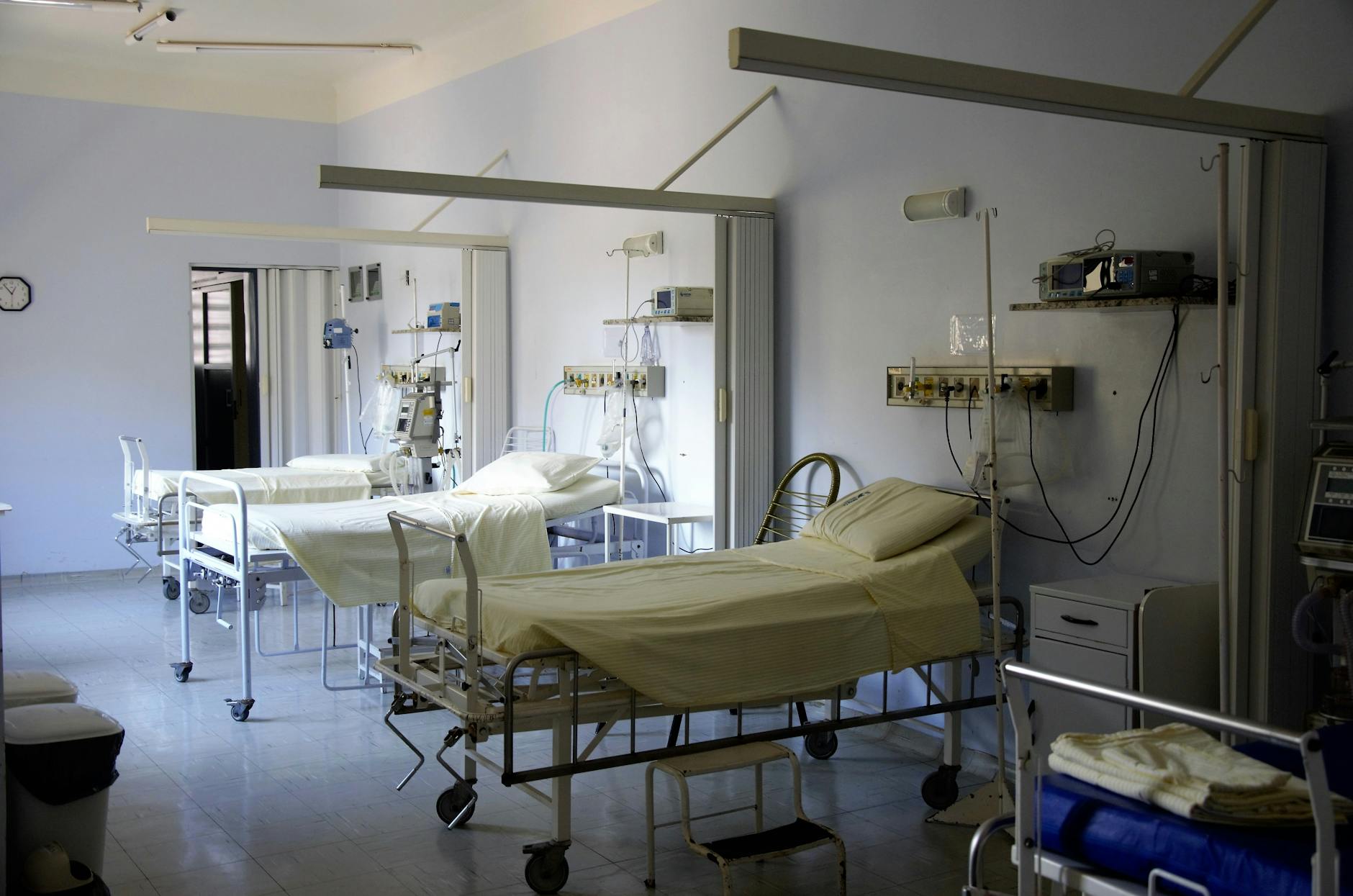
Healthcare is a fundamental human right and a cornerstone for sustainable development. In Finima, a vibrant community located within the Bonny Local Government Area of Rivers State, Nigeria, access to quality healthcare remains a critical concern. Despite its growing population and strategic importance in the Niger Delta region, Finima’s healthcare system grapples with infrastructural deficits, human resource shortages, and limited specialized services. This article delves into the multifaceted challenges confronting healthcare delivery in Finima and explores viable opportunities to foster improvement, ensuring that residents receive timely and effective medical care.
Current Landscape of Healthcare in Finima
Finima’s healthcare system comprises a mix of public and private facilities, with the primary healthcare centre serving as the main access point for most residents. This centre offers essential services including immunizations, maternal and child health care, and treatment for common ailments. However, the facility often operates below optimal capacity due to inadequate staffing and resource constraints.
Private clinics and pharmacies supplement healthcare delivery, providing alternative options for those who can afford them. Yet, the cost barrier limits access for many residents, underscoring the reliance on public facilities that are frequently overstretched and under-resourced. Traditional medicine remains a prevalent health-seeking behavior, particularly in areas where formal healthcare is inaccessible or unaffordable.
The healthcare infrastructure in Finima reflects the broader challenges faced by many semi-urban communities in Nigeria, where limited investment and systemic inefficiencies hinder service quality. Despite these issues, there is a strong community desire for improved health outcomes, providing a foundation for targeted interventions.
Infrastructural Deficits Impacting Quality of Care
One of the most pressing challenges in Finima’s healthcare system is the inadequate infrastructure. Many health facilities suffer from dilapidated buildings, insufficient beds, and outdated medical equipment. This severely limits their capacity to provide comprehensive diagnosis and treatment services.
The absence of critical diagnostic tools such as X-ray machines and modern laboratories hampers early detection and management of diseases, often leading to delayed care or referrals to distant urban centres. These infrastructural gaps contribute to diminished patient trust and increased morbidity rates.
Efforts to upgrade physical infrastructure are often constrained by limited funding and poor maintenance culture. Without significant investment and strategic planning, these deficiencies will continue to impede the delivery of quality healthcare services in Finima.
Human Resource Challenges: Shortage and Brain Drain
Finima faces a critical shortage of skilled healthcare personnel, a challenge exacerbated by the nationwide brain drain of medical professionals seeking better opportunities abroad. This leaves the local health facilities understaffed and overburdened, affecting the quality and timeliness of care.
Remaining healthcare workers often contend with heavy workloads, low remuneration, and limited professional development opportunities, leading to burnout and high attrition rates. This environment makes it difficult to attract and retain qualified personnel within the community.
Addressing this human resource gap requires comprehensive strategies including improved working conditions, competitive salaries, and continuous training programs. Empowering local health workers can foster a more resilient and responsive healthcare system in Finima.
Limited Access to Specialized Medical Services
Residents of Finima requiring specialized medical care, such as surgeries or chronic disease management, face significant barriers due to the absence of advanced healthcare services locally. The nearest tertiary hospitals are located in larger cities like Port Harcourt, necessitating travel that is costly and time-consuming.
This geographic and financial barrier often results in delayed treatment, worsening health outcomes and increasing mortality risks, especially in emergencies. It also places an additional economic burden on families, many of whom already live below the poverty line.
Enhancing access to specialized care within or near Finima is essential. This could involve upgrading existing facilities, establishing referral networks, or integrating telemedicine solutions to connect patients with specialists remotely.
Health Education and Community Awareness Deficits
A significant contributor to health challenges in Finima is the low level of health education and awareness among residents. Preventable diseases such as malaria, hypertension, and diabetes remain prevalent due to insufficient knowledge about prevention and management.
Misconceptions and reliance on traditional remedies often delay seeking professional medical advice, exacerbating health conditions. Poor awareness also affects maternal and child health outcomes, with limited uptake of immunizations and antenatal care.
Community-based health education programs are vital to empower residents with accurate information. Such initiatives can promote healthy lifestyles, early disease detection, and adherence to treatment protocols, ultimately reducing the community’s disease burden.
Funding Constraints and Resource Management Issues
Healthcare financing in Finima is characterized by inadequate government funding and inefficient resource allocation. Limited budgetary provisions restrict the ability to maintain facilities, procure essential medicines, and pay healthcare workers adequately.
Corruption and mismanagement further exacerbate these financial constraints, resulting in wastage and underutilization of available resources. This undermines public trust and compromises the sustainability of healthcare programs.
Improving transparency, accountability, and strategic investment in healthcare is imperative. Mobilizing additional resources through partnerships and community engagement can supplement government efforts and enhance system resilience.
Harnessing Community-Based Health Initiatives
Community engagement stands out as a powerful tool for improving healthcare outcomes in Finima. Local health committees and volunteer programs can facilitate health education, disease prevention campaigns, and support for vulnerable populations.
Workshops focusing on hygiene, nutrition, and chronic disease management empower residents to take proactive steps toward better health. These initiatives also foster trust between healthcare providers and the community, enhancing service uptake.
Sustained community involvement can alleviate pressure on formal health facilities and create a supportive environment for health promotion. Leveraging local knowledge and leadership is key to the success of such programs.
Leveraging Technology and Partnerships for Healthcare Advancement
Innovative solutions such as telemedicine and mobile health clinics offer promising avenues to bridge healthcare gaps in Finima. Telemedicine enables remote consultations with specialists, reducing the need for costly travel and expediting care delivery.
Mobile clinics can extend healthcare services to underserved and remote areas, ensuring inclusivity and continuity of care. These technological interventions can be complemented by robust internet infrastructure and training for healthcare workers.
Public-private partnerships (PPPs) present additional opportunities to mobilize resources and expertise. Collaborations between government, private sector, and NGOs can facilitate infrastructure upgrades, capacity building, and sustainable healthcare financing, transforming Finima’s health landscape.
Conclusion
Improving healthcare in Finima requires a comprehensive approach that addresses infrastructural deficiencies, human resource challenges, and financial constraints while leveraging community engagement and technological innovations. By fostering collaboration among government entities, private sector players, and local communities, Finima can build a more accessible, efficient, and equitable healthcare system. Empowering residents through education and ensuring the availability of skilled personnel and modern facilities will not only enhance health outcomes but also contribute to the overall socio-economic development of the region. With sustained commitment and strategic interventions, the future of healthcare in Finima holds promising possibilities.
Discover more from FINIMA
Subscribe to get the latest posts sent to your email.
0 Comments