How To Improve Your Credit Score Quickly?
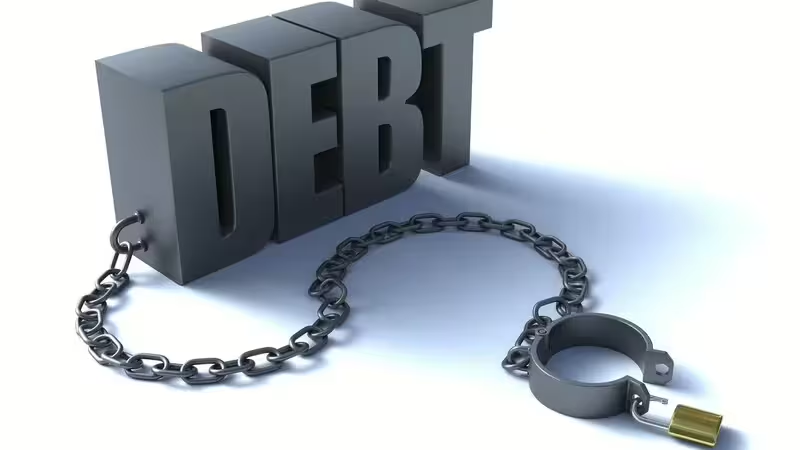
Your credit score plays a pivotal role in your financial life, impacting everything from loan approvals to interest rates and even rental applications. Improving your credit score quickly can open doors to better financial opportunities and save you money in the long run. While building a strong credit history is a gradual process, there are strategic steps you can take to accelerate improvements. This comprehensive guide explores proven methods to boost your credit score in a shorter timeframe, empowering you to achieve financial stability and confidence.
Understand Your Credit Report and Score
Before embarking on your credit improvement journey, it’s crucial to understand what factors influence your credit score. Credit scores are calculated based on payment history, amounts owed, length of credit history, new credit, and credit mix. Knowing these components helps you identify areas needing attention.
Obtain a free copy of your credit report from major credit bureaus such as Experian, Equifax, and TransUnion. Review the report carefully for any inaccuracies, outdated information, or fraudulent activity. Errors can unfairly lower your score, so disputing them promptly is essential.
Regularly monitoring your credit report not only helps you catch mistakes but also allows you to track your progress over time. Many services offer free credit score tracking, which provides insight into how your actions impact your score, helping you make informed decisions.
Pay Down Existing Debt Strategically
One of the fastest ways to improve your credit score is by reducing the amount of debt you owe, especially on revolving credit accounts like credit cards. High credit utilization ratios negatively affect your score, so paying down balances can have an immediate positive impact.
Focus on paying off credit cards with the highest balances first or those closest to their credit limits. This strategy lowers your overall utilization and demonstrates responsible credit management to lenders.
If possible, avoid closing paid-off credit card accounts, as this can reduce your overall available credit and potentially increase your utilization ratio. Instead, keep accounts open but unused to maintain a healthier credit profile.
Make Timely Payments a Non-Negotiable Habit
Payment history is the most significant factor affecting your credit score, accounting for approximately 35% of the total calculation. Missing payments or making late payments can drastically lower your score, so prioritizing timely payments is critical.
Set up automated payments or calendar reminders to ensure bills are paid on or before their due dates. Even one late payment can remain on your credit report for up to seven years, so prevention is key.
If you’ve missed payments in the past, catch up as soon as possible and consider contacting your creditors for potential goodwill adjustments, especially if your previous payment history was solid. Some lenders may remove late payment marks as a courtesy.
Limit New Credit Applications and Hard Inquiries
Each time you apply for new credit, a hard inquiry is generated on your credit report. Multiple hard inquiries within a short period can signal financial distress to lenders and lower your credit score.
To improve your score quickly, avoid applying for new credit cards, loans, or other forms of credit unless absolutely necessary. Instead, focus on managing and optimizing your existing credit accounts.
If you are shopping for a mortgage or auto loan, try to do so within a short window (usually 14 to 45 days), as credit scoring models often treat multiple inquiries during this period as a single inquiry, minimizing the impact.
Utilize Credit-Builder Loans and Secured Credit Cards
If you have limited or poor credit history, credit-builder loans and secured credit cards can be effective tools to establish or rebuild credit. These financial products are designed to demonstrate responsible credit usage.
Credit-builder loans work by holding the borrowed amount in a bank account until you repay the loan. Payments are reported to credit bureaus, helping you build positive payment history.
Secured credit cards require a cash deposit as collateral, which typically serves as your credit limit. Using these cards responsibly and making on-time payments can improve your credit score and eventually lead to unsecured credit offers.
Keep Your Credit Utilization Ratio Low
Credit utilization ratio, the percentage of your available credit you’re using, is a critical factor in credit scoring models. Experts recommend keeping this ratio below 30%, and ideally under 10%, to maximize positive effects on your score.
To lower your utilization, consider spreading balances across multiple cards rather than maxing out one. Alternatively, request a credit limit increase from your card issuers to improve your ratio, but avoid increasing your spending.
Regularly monitor your credit card balances and pay them down before the statement closing date. This ensures that lower balances are reported to credit bureaus, reflecting positively on your credit utilization.
Become an Authorized User on a Trusted Account
Becoming an authorized user on a family member or friend’s credit card account can help boost your credit score quickly if the primary account holder has a strong credit history.
As an authorized user, the account’s positive payment history and low credit utilization are reported on your credit report, enhancing your credit profile without requiring you to manage the account directly.
However, it’s important to choose an account with a responsible primary user, as any negative activity on the account can also affect your credit score. Communicate clearly to avoid misunderstandings.
Regularly Monitor and Maintain Your Credit Health
Improving your credit score is an ongoing process that requires consistent attention and responsible financial habits. Regularly monitoring your credit report helps you stay informed and proactive about your credit health.
Use credit monitoring tools that alert you to changes or suspicious activity, allowing you to address issues quickly before they damage your score.
Maintaining good credit involves prudent use of credit, timely payments, and managing debt effectively. By establishing these habits, you can ensure your credit score continues to improve and remains strong over time.
Conclusion
Improving your credit score quickly is achievable by adopting strategic financial habits and making informed decisions. By understanding your credit report, reducing debt, making timely payments, and using credit wisely, you can see rapid improvements in your score. Remember, while some changes take time to reflect, consistent effort and vigilance will lead to sustained credit health. Start implementing these steps today to unlock better financial opportunities and secure your financial future.
Discover more from FINIMA
Subscribe to get the latest posts sent to your email.