BREAKING: Angry Finima Youths Storm Oil Services Companies, Shutdown Operations
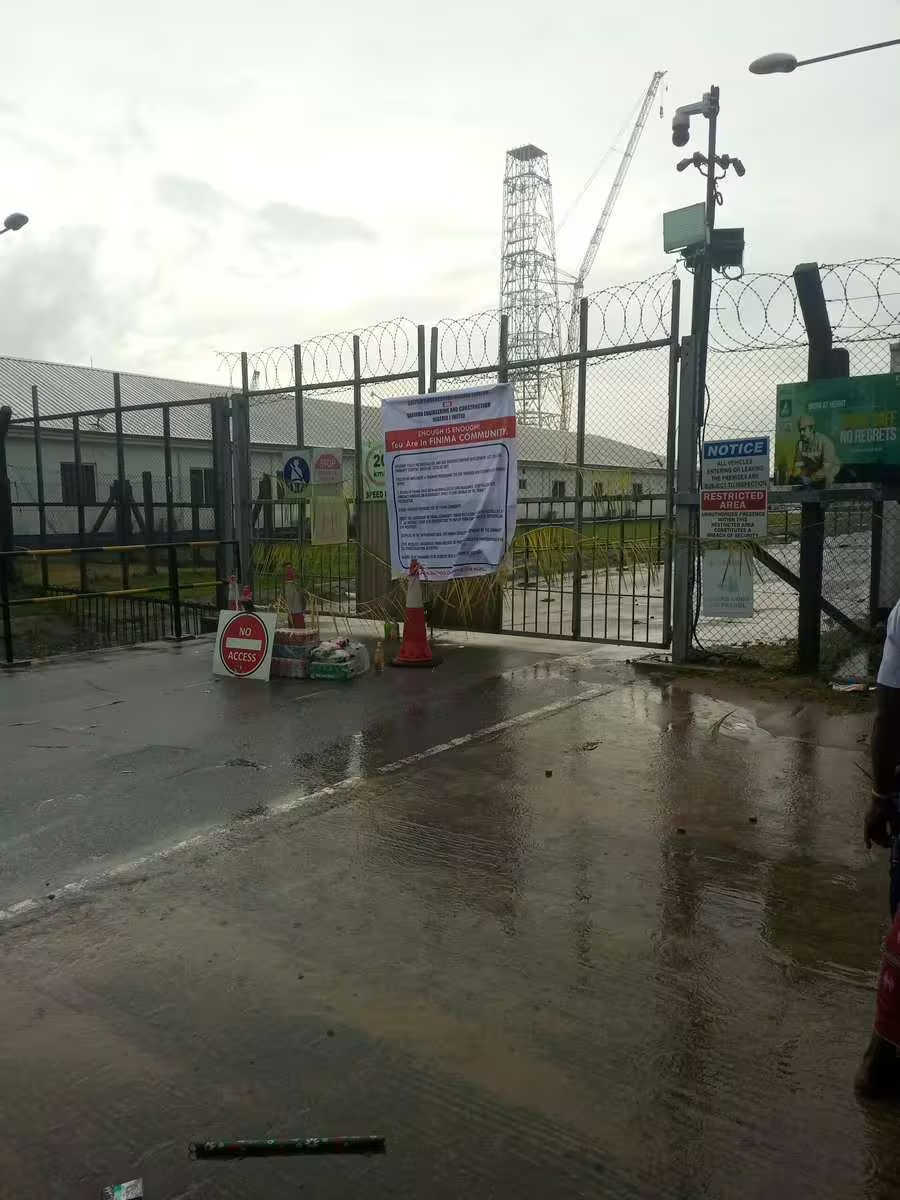
In a dramatic turn of events on Tuesday morning, the Finima youths from Bonny Local Government Area in Rivers State took a bold stand against perceived marginalization by shutting down two major oil service companies operating in their community. Saipem Construction Nigeria Limited and Daewoo Engineering and Construction Limited, both key contractors in the Nigeria Liquefied Natural Gas (NLNG) Train Seven Project, were forcibly closed amid heavy rain. The youths barricaded the companies’ gates, preventing staff from entering or leaving, and demanded adherence to the Local Content Development Act 2017 and greater inclusion of host communities in ongoing oil and gas projects. This unprecedented action underscores growing tensions between local communities and multinational oil operators in the Niger Delta region.
Background of the Finima Community and Its Strategic Importance
The Finima community, located within Bonny Local Government Area of Rivers State, Nigeria, holds strategic importance due to its proximity to major oil and gas facilities. As a host community to the Nigeria Liquefied Natural Gas (NLNG) complex, the area has witnessed significant industrial activity over the years, contributing substantially to Nigeria’s energy sector and economy.
Despite the wealth generated from oil and gas operations in the region, the Finima people have often expressed concerns over inadequate development and lack of meaningful participation in projects on their land. This has fostered a sense of neglect and marginalization, fueling tensions between the community and oil companies.
The community's youths, in particular, have become vocal advocates for their rights, demanding better inclusion, employment opportunities, and infrastructural development. Their recent protest against Saipem and Daewoo reflects long-standing frustrations with perceived exclusion from the benefits of the NLNG Train Seven Project.
Details of the Protest and Shutdown of Operations
On the morning of Tuesday, despite heavy rainfall, groups of angry Finima youths converged on the premises of Saipem Construction Nigeria Limited and Daewoo Engineering and Construction Limited. These companies are the principal contractors handling the NLNG Train Seven Project, a major expansion initiative aimed at boosting Nigeria's LNG production capacity.
The youths took decisive action by barricading the gates of both companies, effectively blocking the entry and exit points. This move brought operations to a halt, preventing staff and contractors from accessing the sites. The protest was peaceful but firm, signaling the community's determination to have their grievances addressed.
The blockade continued well into the day, with the youths maintaining their presence. No official statement or reaction had been issued by the companies, Rivers State government, or security agencies at the time of reporting, amplifying concerns about the potential escalation of the situation.
Underlying Causes: Neglect and Marginalization Claims
Central to the protest are allegations of neglect and marginalization by the oil service companies and project stakeholders. The Finima youths argue that despite their community being a host to the NLNG Train Seven Project, they have been sidelined in employment, contract awards, and community development initiatives.
They contend that the benefits of the multi-billion-naira project have not trickled down to the local population, exacerbating economic hardships and social disparities. This sense of exclusion has been compounded by a perceived lack of transparency and engagement from the companies and government authorities.
Such grievances are not unique to Finima but reflect a broader pattern of tensions in Nigeria’s Niger Delta, where local communities consistently demand fair treatment and equitable sharing of oil wealth generated on their lands.
Demand for Implementation of the Local Content Development Act 2017
A significant demand from the protesting youths is the strict enforcement of the Local Content Development Act 2017, legislation designed to promote indigenous participation in Nigeria's oil and gas sector. The act mandates the use of local companies, employment of Nigerian workers, and community engagement in oil projects.
The Finima youths assert that the current contractors have failed to comply adequately with the act’s provisions, especially in hiring local labor and awarding contracts to indigenous firms from the host community. They view this as a violation of their rights and a missed opportunity for local economic empowerment.
By invoking the act, the youths seek to compel the companies and project managers to prioritize local content in the Train Seven Project, ensuring that the community benefits tangibly from the ongoing industrial activities.
Impact on the NLNG Train Seven Project and Oil Sector Operations
The shutdown of Saipem Construction Nigeria Limited and Daewoo Engineering and Construction Limited operations has immediate implications for the NLNG Train Seven Project timeline. Delays in construction and engineering activities can lead to increased costs and potential setbacks in the project’s commissioning schedule.
Given that these companies are critical contractors, any prolonged disruption could ripple across the value chain, affecting suppliers, workers, and the broader oil and gas sector in the region. It also raises concerns about the security and stability of infrastructure in host communities prone to agitation.
Moreover, the protest sends a strong signal to other multinational corporations operating in the Niger Delta about the necessity of robust community relations and adherence to local content policies to avoid operational disruptions.
Responses from Stakeholders and Security Agencies
As of the time of reporting, there has been no official response from Saipem Construction Nigeria Limited, Daewoo Engineering and Construction Limited, the Rivers State government, or security agencies regarding the protest and shutdown. The absence of immediate communication has contributed to uncertainty and heightened tensions.
Security operatives have maintained a low profile, possibly to avoid escalation, but their presence remains crucial to preventing violence and ensuring the safety of both community members and company staff. The situation calls for prompt dialogue and mediation to resolve the impasse peacefully.
Stakeholders are expected to engage with the Finima community leaders and youths to address their concerns, clarify commitments to local content, and negotiate a way forward that balances project progress with community welfare.
Broader Implications for Community Relations in Nigeria’s Oil Sector
The Finima youths’ protest underscores persistent challenges in community-company relations within Nigeria’s oil-producing regions. Host communities often grapple with environmental degradation, insufficient infrastructural development, and marginalization from oil wealth, leading to social unrest.
This incident serves as a reminder to oil companies and government agencies about the critical importance of genuine community engagement, transparent communication, and strict adherence to local content laws to foster peaceful coexistence and sustainable development.
It also highlights the need for policies that empower host communities economically and socially, ensuring they are active beneficiaries rather than passive victims of Nigeria’s vast oil resources.
Potential Pathways to Resolution and Future Outlook
Resolving the current shutdown will require constructive dialogue between the Finima youths, oil service companies, government representatives, and security agencies. Establishing a platform for open communication can help address grievances and rebuild trust.
Implementing community development projects, increasing local employment, and ensuring transparent contract awards aligned with the Local Content Development Act can serve as tangible steps towards reconciliation. Monitoring and accountability mechanisms will be essential to sustain progress.
Looking ahead, the incident may catalyze reforms in how oil companies engage with host communities, potentially leading to more inclusive project planning and execution that recognizes the rights and aspirations of indigenous populations.
Conclusion
The shutdown of operations at Saipem Construction Nigeria Limited and Daewoo Engineering and Construction Limited by the Finima youths marks a critical juncture in Nigeria’s oil sector community relations. Rooted in deep-seated grievances over neglect, marginalization, and unmet promises under the Local Content Development Act 2017, the protest disrupts a key national project while spotlighting the urgent need for inclusive development. Moving forward, stakeholders must prioritize meaningful engagement, uphold local content policies, and foster partnerships that empower host communities. Only through collaborative efforts can sustainable peace and progress be achieved in Nigeria’s vital oil and gas industry.
Discover more from FINIMA
Subscribe to get the latest posts sent to your email.
0 Comments